
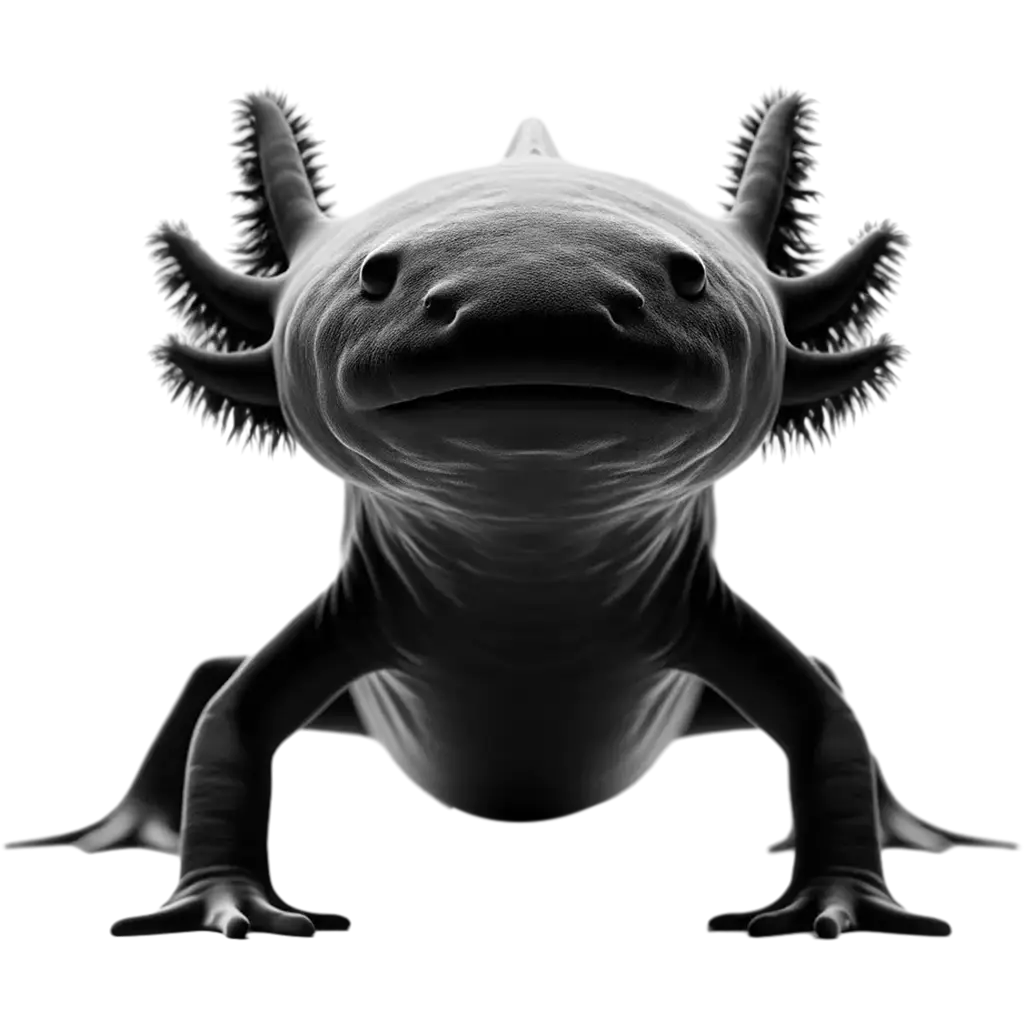
Ambystoma Mexicanum
Axolotl
Freshwater lakes and canals
The Axolotl, ambystoma mexicanum, is an intriguing species of salamander known for its unique ability to retain juvenile features throughout its adult life, a condition known as neoteny. Unlike most amphibians, Axolotls do not undergo a complete metamorphosis and instead remain aquatic and gilled. They typically grow to about 15 to 25 centimeters in length, featuring a wide head, lidless eyes, and a smile-like mouth. Their body is supported by frilly external gills on each side of the head, used for breathing underwater. Axolotls come in a variety of colors, from wild-type greenish-brown with speckles to albino, leucistic (pale with pink eyes), and melanoid (dark) morphs, making them popular in the pet trade.
| Population: | Critically Endangered |
| Generation Length: | Around 1 year |
| Average Weight: | 60-200 grams |
| Average Length: | 15-45 cm |
| Lifespan: | 10-15 years in captivity; less data available for wild populations |
| Diet: | Small fish, worms, insect larvae |
| Conservation Status: | Critically Endangered (CR) |
Axolotls are endemic to the lake complex of Xochimilco near Mexico City, though they now primarily exist in water channels and remaining lake fragments. Their natural habitat is freshwater lakes and canals, where they hide among vegetation and debris. Due to urbanization and pollution, their environment is drastically changing, which significantly impacts their population. Axolotls are nocturnal, spending their days hiding and coming out at night to feed. They are solitary creatures except during the breeding season. Their ability to regenerate lost body parts, including limbs, heart, and other organs, has made them a subject of extensive scientific research.
The diet of the Axolotl is carnivorous, consisting of small fish, worms, insect larvae, and crustaceans. In captivity, they are often fed a variety of foods, including pellets, beef heart, and live food such as bloodworms and brine shrimp. Their method of feeding is by suction, drawing water and food into their mouths by quickly closing their gills, which creates a vacuum.
Breeding in Axolotls takes place in water, where the female lays eggs that the male fertilizes externally. After fertilization, the female deposits her eggs on plants or other submerged surfaces. Each female can lay up to 1,000 eggs per breeding season. The eggs hatch into larvae in about two weeks, depending on the water temperature. The larvae are fully aquatic and resemble miniature adults, complete with external gills for breathing.
The Axolotl is currently listed as Critically Endangered by the IUCN Red List, primarily due to habitat loss, pollution, and the introduction of invasive species. Conservation efforts are underway, including habitat restoration and captive breeding programs, to prevent their extinction. The Axolotl's unique regenerative abilities and genetic makeup continue to provide valuable insights into developmental biology and regenerative medicine, making their conservation even more critical.
Classifications
The Key Attributes
Features
- Movement:
Swimming, walking along the bottom of its habitat
- Territorial Behavior:
Generally not territorial, lives in groups
- Speed:
Moderate, suited to a sedentary lifestyle in water
- Diet:
Carnivore
- Physical Features:
- Perennially larval state with gills
- Wide head and mouth
- Lack of eyelids
- Ability to regenerate lost body parts
- Primary Senses:
- Sight
- Smell
- Tactile
Understanding Habitat and Range
Geography
- Habitat:
Freshwater lakes and canals
- Migration Patterns:
Non-migratory
- Geographical Range:
Endemic to Lake Xochimilco and Lake Chalco in Mexico City, Mexico
- Climate Preferences:
Mild, consistent temperatures
Navigating the Wilderness
In the wild
- Predators:
Large fish, birds, invasive species like tilapia and carp
- Prey:
Small fish, worms, insect larvae
- Feeding Behavior:
Carnivorous, preying on small fish, worms, and insects
- Diet:
Small fish, worms, insect larvae
- Defensive Mechanisms:
- Camouflage
- Regeneration of limbs and other body parts
- Preferred Food Sources:
- Worms
- Small fish
- Insect larvae
Insights Into Reproduction
Mating
- Mating System:
Polygynous
- Number of Offspring:
100-1,000 eggs per laying
- Incubation Period:
14 days
- Parental Involvement:
- Minimal; eggs are left to hatch and grow independently
Youngsters Section
Axolotl
Fun Fact
Axolotls are known for their remarkable ability to regenerate lost body parts.
These fascinating creatures can regrow limbs, spinal cord, heart, and even parts of their brain with remarkable precision. Unlike other amphibians, axolotls remain in their larval stage throughout their life, a phenomenon known as neoteny. This trait allows them to retain gills and aquatic lifestyle, while still reaching sexual maturity.

Download word search puzzles
Word Search Puzzles

Check Out Other Amphibians
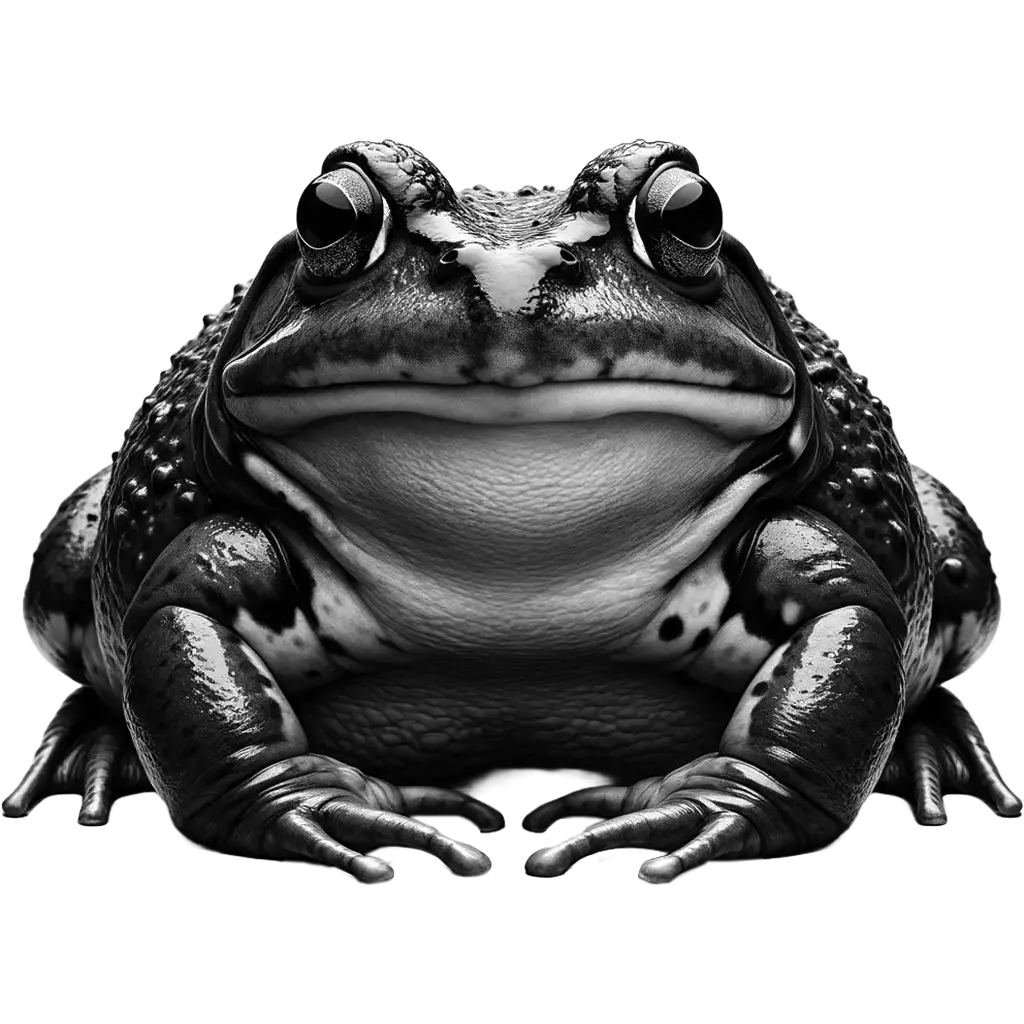
The American Bullfrog, lithobates catesbeianus, is a large, aquatic frog native to North America and recognized for its prominent size and deep, resonant call that resembles the bellowing of a bull. Adult bullfrogs can reach lengths of up to 20 cm (8 inches) from snout to vent, making them the

The Strawberry Poison-Dart Frog, oophaga pumilio, is a small yet vibrantly colored amphibian native to Central America, specifically found in humid lowlands from Nicaragua to Panama. This species is renowned for its striking appearance, typically bright red or blue with black markings, although coloration can vary significantly across different populations,
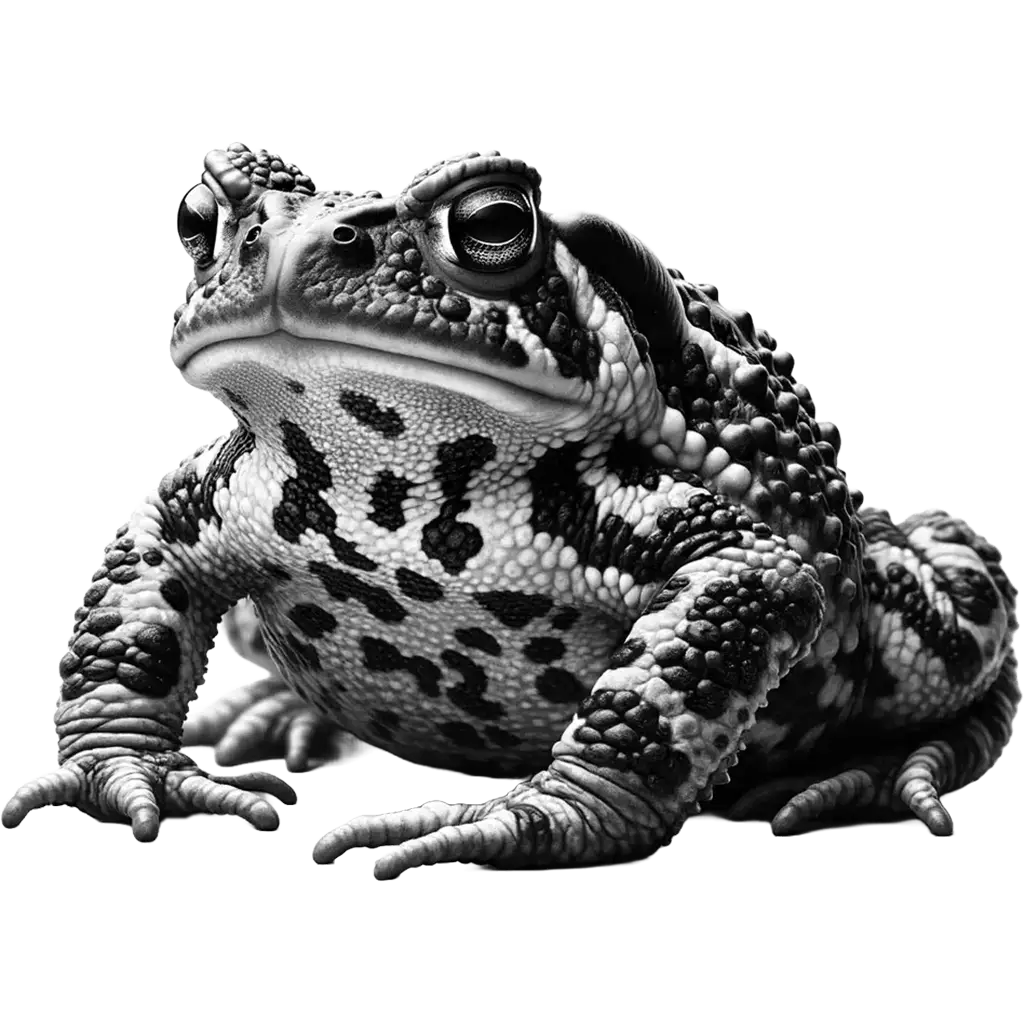
The Natterjack Toad, epidalea calamita, is a distinctive amphibian species known for the yellow line running down the middle of its back. Smaller than the common toad, adults typically measure about 6 to 7 cm in length. Their skin is warty and varies in color from greenish to brownish, providing
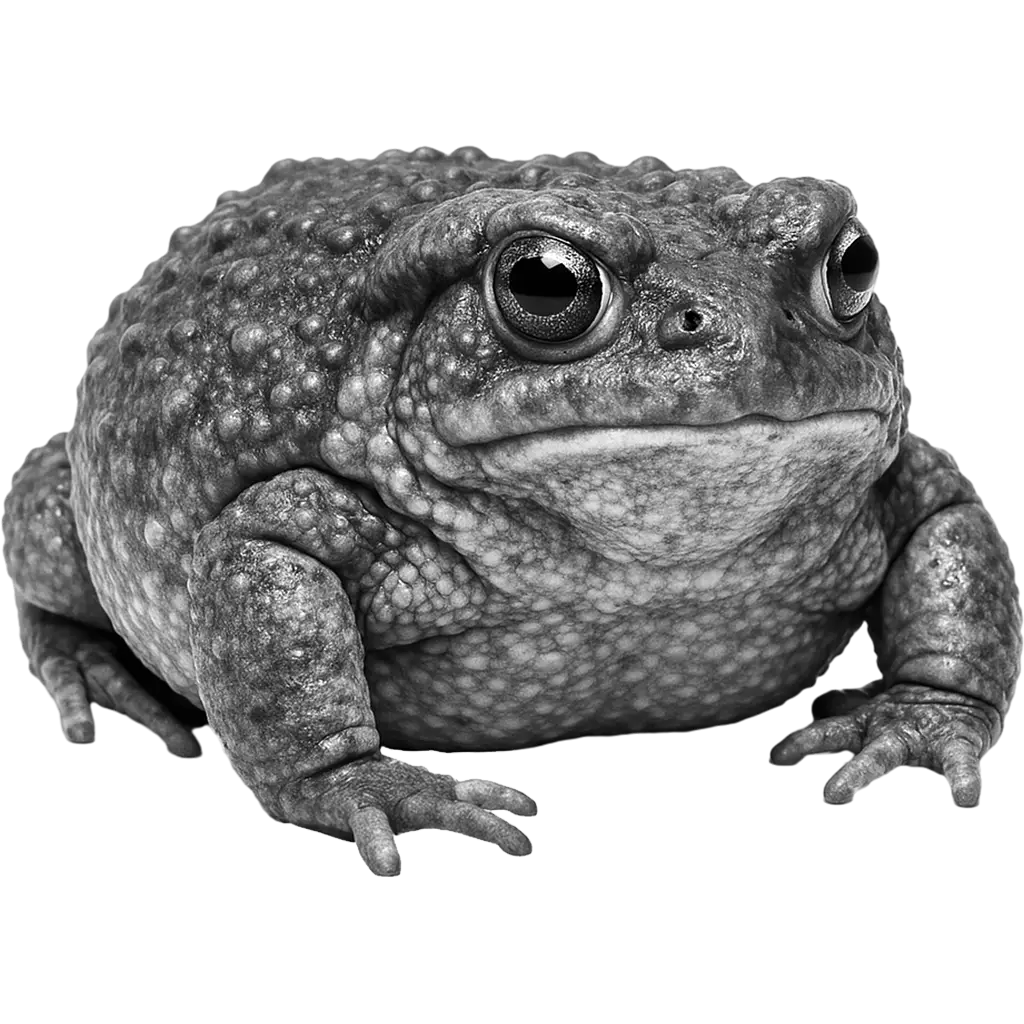
The Fat Toadlet possesses a noticeably plump body with smooth, moist skin that exhibits a subtle blend of olive and brown tones. Its large, round eyes and compact frame give it an endearing appearance while its short, sturdy limbs support rapid hops across damp surfaces. The textured skin, occasionally marked