

Rhinella Stanlaii
Rhinella Stanlaii
Tropical and subtropical moist forests near water bodies
Rhinella stanlaii is a small toad characterized by its rough, warty skin and robust, compact body. It exhibits a natural mosaic of brown and green hues, with prominent parotoid glands and dark, expressive eyes that enhance its rugged appearance. Its textured skin and subtle coloration allow it to blend into the forest floor, providing effective camouflage among leaf litter and undergrowth.
| Population: | Not well studied; may be locally common in its restricted range |
| Generation Length: | 2-3 years |
| Average Weight: | 40-100 grams |
| Average Length: | Approximately 8-10 cm |
| Lifespan: | Estimated 4-8 years in the wild |
| Diet: | Primarily insectivorous |
| Conservation Status: | Least Concern (LC) |
Predominantly nocturnal, Rhinella stanlaii emerges at dusk to explore the moist forest floor in search of shelter and sustenance. It inhabits tropical and subtropical moist forests where high humidity prevails, often staying near temporary water bodies. During daylight, it retreats under thick leaf litter or burrows into soft soil to avoid predators and conserve moisture. Its deliberate, energy-efficient movements enable it to navigate uneven terrain, and although it is largely solitary, individuals may converge during the rainy season when breeding opportunities arise. This lifestyle is essential.
The diet of Rhinella stanlaii is primarily insectivorous, focusing on a diverse array of invertebrates available on the forest floor. It forages mainly at night, using its keen sense of smell and rapid tongue to capture insects, spiders, and small arthropods. Occasional consumption of soft-bodied worms supplements its nutritional intake, ensuring a balanced diet rich in proteins and essential nutrients. This feeding strategy not only supports its growth and energy needs but also helps regulate local insect populations, contributing to the ecological balance of its habitat.
During the breeding season, Rhinella stanlaii engages in explosive breeding, gathering in large numbers near temporary pools formed by seasonal rains. Males call out with distinctive, resonant croaks to attract receptive females. After external fertilization, females lay hundreds of eggs, which develop rapidly into free-swimming larvae. No parental care is provided, and the larvae are left to fend for themselves in the aquatic environment.
Population estimates for Rhinella stanlaii are limited due to its elusive nature and remote habitat. Preliminary surveys suggest that this species maintains modest numbers within its restricted range. While not widely abundant, local populations appear stable under current environmental conditions. However, ongoing habitat loss and environmental disturbances pose potential risks, warranting further research and conservation attention to ensure its long-term survival.
Classifications
The Key Attributes
Features
- Movement:
Primarily terrestrial; hops in short bursts
- Territorial Behavior:
Generally non-territorial
- Speed:
Moderate
- Diet:
Insectivore
- Physical Features:
- Rugose, warty skin
- Robust, compact body
- Prominent parotoid glands
- Variable coloration in shades of brown and green
- Dark, expressive eyes
- Primary Senses:
- Sight
- Hearing
- Smell
Understanding Habitat and Range
Geography
- Habitat:
Tropical and subtropical moist forests near water bodies
- Migration Patterns:
Non-migratory
- Geographical Range:
Endemic to parts of South America
- Climate Preferences:
Tropical with high humidity
Navigating the Wilderness
In the wild
- Predators:
Birds, snakes, and small mammals
- Prey:
Insects, spiders, and small invertebrates
- Feeding Behavior:
Nocturnal foraging on the forest floor
- Diet:
Primarily insectivorous
- Defensive Mechanisms:
- Toxin secretion from skin
- Effective camouflage among leaf litter
- Preferred Food Sources:
- Various insects
- Worms
- Spiders
Insights Into Reproduction
Mating
- Mating System:
Explosive breeder
- Number of Offspring:
Hundreds of eggs per breeding event
- Incubation Period:
Eggs hatch within 24-72 hours
- Parental Involvement:
- No parental care after egg laying
Youngsters Section
Rhinella Stanlaii
Fun Fact
Rhinella stanlaii secretes toxins through its skin for defense.
This toad's vibrant behavior and unique calls during the rainy season have fascinated researchers, revealing adaptive strategies that help it thrive in dense, tropical forest ecosystems.

Download word search puzzles
Word Search Puzzles


Check Out Other Amphibians

The Cuban Spotted Toad is a robust amphibian with a mottled, warty skin that displays an array of brown and green spots, offering excellent camouflage against the forest floor. Its broad, rounded head and short, sturdy limbs give it a compact build, while its small, recessed eyes and subtle facial
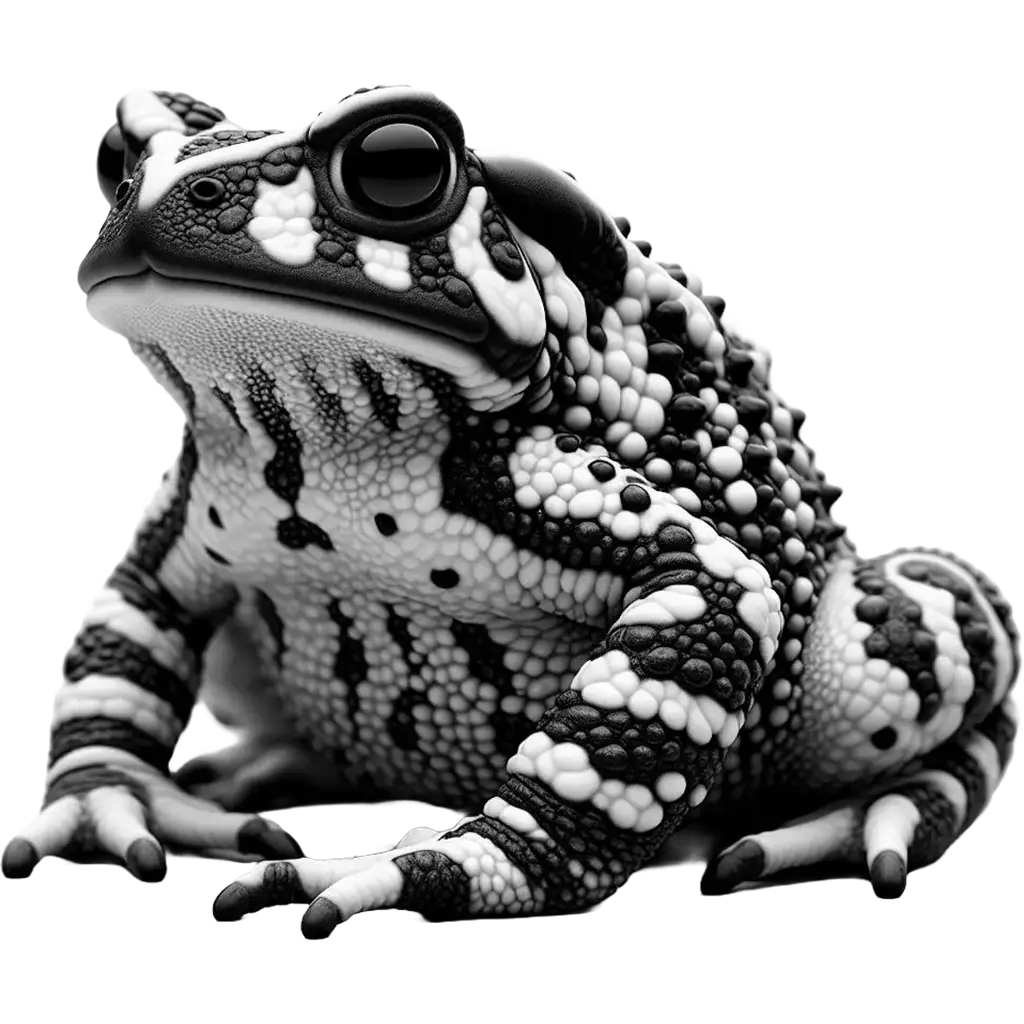
The Gray Treefrog, Dryophytes versicolor, is a small, adaptable amphibian native to much of the eastern United States and parts of Canada. This species is renowned for its remarkable ability to change color from gray to green, depending on its environment and activity, aiding in camouflage among trees and foliage.
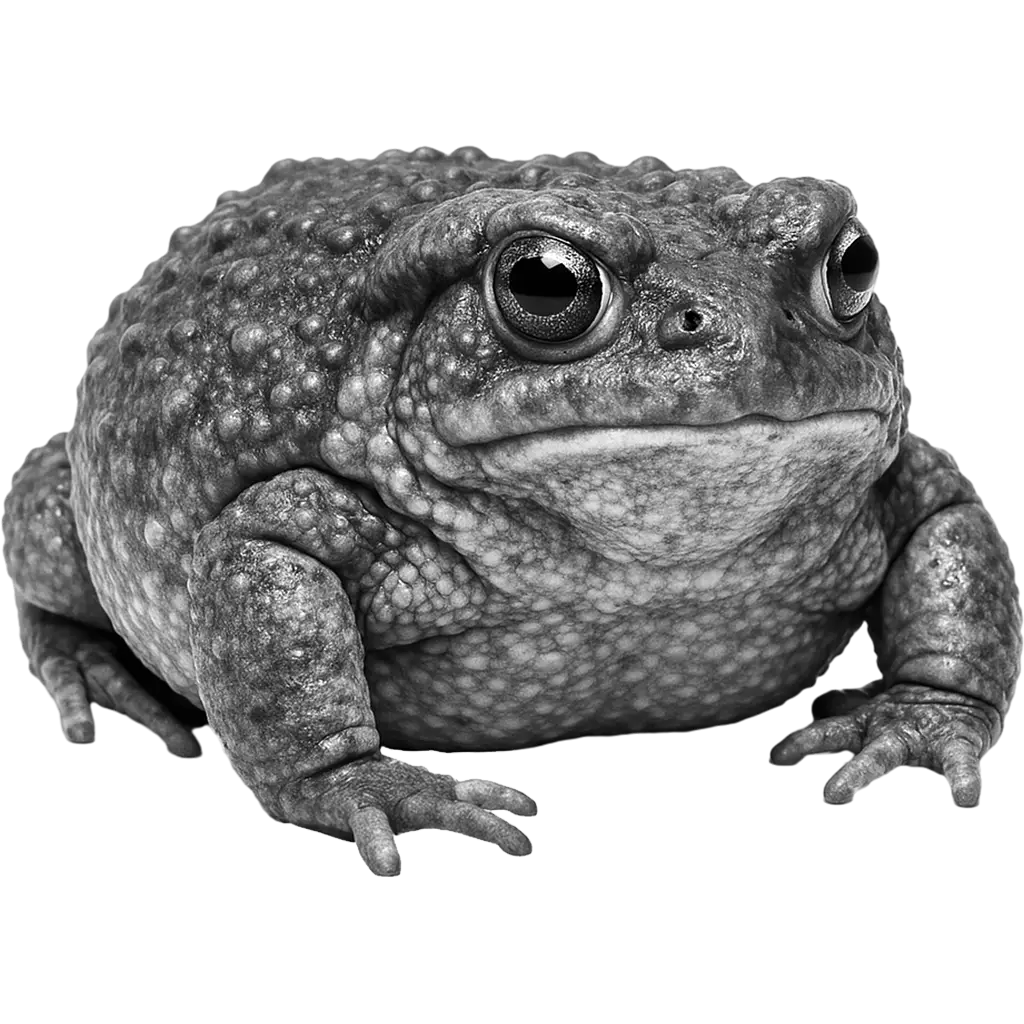
The Fat Toadlet possesses a noticeably plump body with smooth, moist skin that exhibits a subtle blend of olive and brown tones. Its large, round eyes and compact frame give it an endearing appearance while its short, sturdy limbs support rapid hops across damp surfaces. The textured skin, occasionally marked
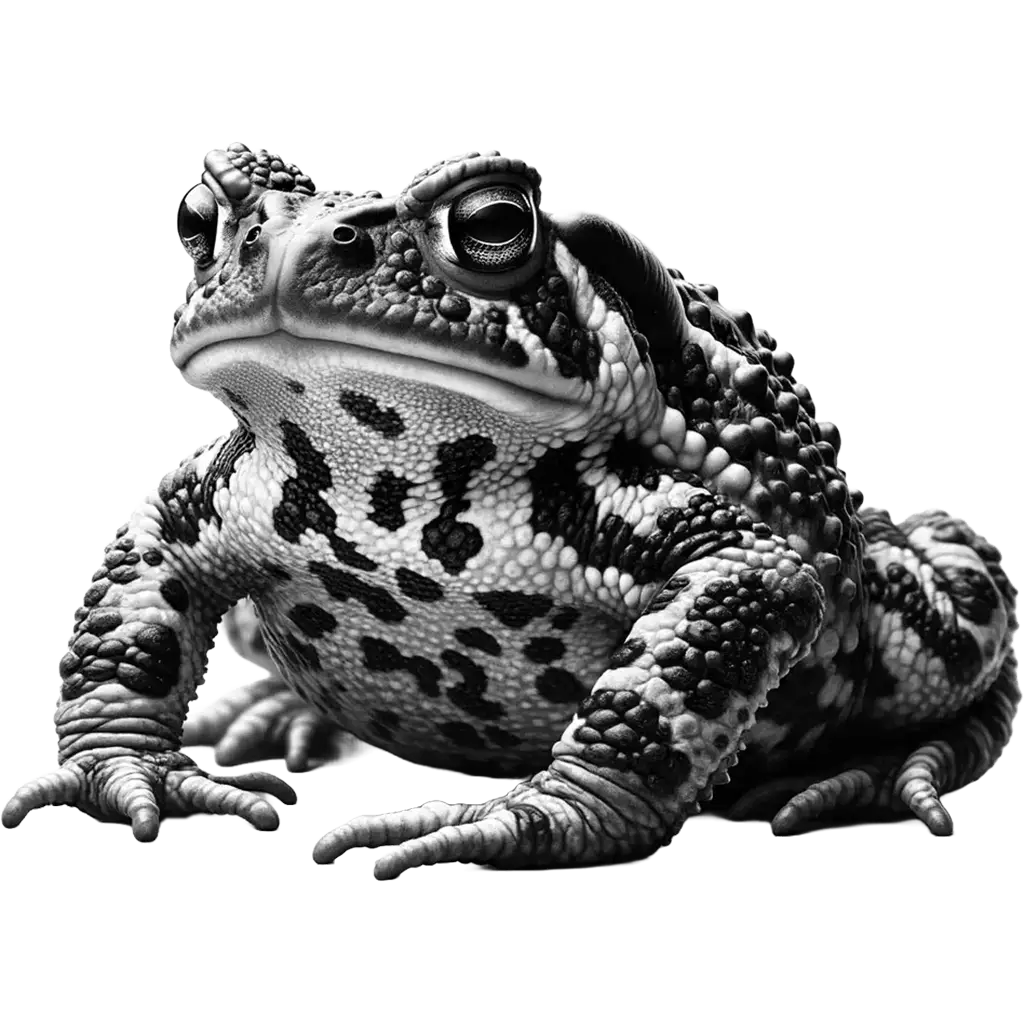
The Natterjack Toad, epidalea calamita, is a distinctive amphibian species known for the yellow line running down the middle of its back. Smaller than the common toad, adults typically measure about 6 to 7 cm in length. Their skin is warty and varies in color from greenish to brownish, providing