

Peltophryne Taladai
Cuban Spotted Toad
Tropical moist forests, wetlands, and areas near freshwater sources
The Cuban Spotted Toad is a robust amphibian with a mottled, warty skin that displays an array of brown and green spots, offering excellent camouflage against the forest floor. Its broad, rounded head and short, sturdy limbs give it a compact build, while its small, recessed eyes and subtle facial features add to its unassuming charm. This striking appearance is enhanced by a slight sheen on its skin that reflects the dappled light of its natural environment.
| Population: | Endemic to Cuba, this toad is found in moist forests and wetlands |
| Generation Length: | 3-4 years |
| Average Weight: | 100-200 grams |
| Average Length: | Approximately 7-10 cm |
| Lifespan: | Approximately 5-8 years in the wild |
| Diet: | Insectivorous, controlling insect populations and aerating soil through burrowing |
| Conservation Status: | Vulnerable (VU) |
In its natural habitat, the Cuban Spotted Toad leads a predominantly nocturnal lifestyle. It emerges at dusk from its burrows to explore the moist undergrowth and edges of freshwater bodies, where it forages for food. Adapted to a life beneath the surface, it constructs extensive burrow systems that serve as both shelter and breeding sites. By day, it remains hidden under leaf litter or beneath rocks, conserving energy and avoiding predators. Its deliberate movements and slow, methodical exploration of its habitat are essential for survival in a competitive, resource-scarce environment.
Feeding primarily on small insects, the Cuban Spotted Toad relies on its keen senses to detect ants, beetles, and other invertebrates hidden among the forest detritus. It uses its wide, powerful mouth to capture prey in sudden, precise strikes. Occasionally, it supplements its diet with plant matter, ensuring a balanced intake of nutrients during periods when insect availability is low. This varied diet not only meets its energetic needs but also plays a crucial role in controlling insect populations, thus maintaining the ecological balance of its habitat.
During the breeding season, Cuban Spotted Toads gather in temporary ponds formed by seasonal rains. Males call softly from hidden perches to attract females, and brief, competitive encounters ensue before mating occurs. The female then lays a clutch of eggs in shallow water, after which both parents depart, leaving the hatchlings to survive on their own. This brief, yet effective, reproductive process ensures species continuity.
The Cuban Spotted Toad is endemic to Cuba and is found only in isolated, suitable habitats. While it remains common in pristine areas, ongoing threats from deforestation, agricultural expansion, and pollution have led to localized declines. Conservation efforts focusing on habitat protection are essential to ensuring that its populations remain stable and resilient in the face of human impact.
Classifications
The Key Attributes
Features
- Movement:
Moves with slow, deliberate hops and is well adapted for burrowing into moist soil.
- Territorial Behavior:
Not strongly territorial; individuals are mostly solitary except during the breeding season when they congregate at suitable water bodies.
- Speed:
Generally slow-moving but capable of quick bursts when threatened.
- Diet:
Primarily insectivorous, feeding on ants, beetles, and other small invertebrates; may occasionally consume plant matter.
- Physical Features:
- Robust, warty skin with a mottled pattern of brown and green spots
- Broad, rounded head with small, recessed eyes
- Short limbs and a compact body optimized for burrowing
- Primary Senses:
- Sight
- Hearing
- Smell
Understanding Habitat and Range
Geography
- Habitat:
Tropical moist forests, wetlands, and areas near freshwater sources
- Migration Patterns:
Non-migratory; individuals remain in localized areas, moving only short distances to forage.
- Geographical Range:
Endemic to Cuba, confined to specific, isolated habitats.
- Climate Preferences:
Tropical climates with high humidity and ample rainfall.
Navigating the Wilderness
In the wild
- Predators:
Birds of prey, snakes, and small mammals may prey on juveniles, while adults are better camouflaged against predators.
- Prey:
Ants, beetles, and other small invertebrates.
- Feeding Behavior:
Forages at night by slowly moving through leaf litter and soil, snapping up insects with its wide mouth.
- Diet:
Insectivorous, controlling insect populations and aerating soil through burrowing
- Defensive Mechanisms:
- Rapid burrowing into moist soil to evade predators
- Camouflage provided by its mottled skin pattern
- Preferred Food Sources:
- Insects and small arthropods found in forest litter
Insights Into Reproduction
Mating
- Mating System:
Explosive breeder; during the rainy season, individuals gather in temporary ponds for brief courtship displays.
- Number of Offspring:
Typically 20-40 eggs per clutch
- Incubation Period:
Eggs hatch approximately 14 days after being laid.
- Parental Involvement:
- Females care for the eggs in moist, concealed sites, with no further parental care provided after hatching.
Youngsters Section
Cuban Spotted Toad
Fun Fact
The Cuban spotted toad is a small, charming amphibian with bumpy skin covered in unique spots, making it look like it's wearing a cool, natural pattern!
Active mostly at night, these toads hop around in search of insects. Their spots help them blend into their surroundings, but they still stand out with their colorful, textured skin.

Download word search puzzles
Word Search Puzzles


Check Out Other Amphibians
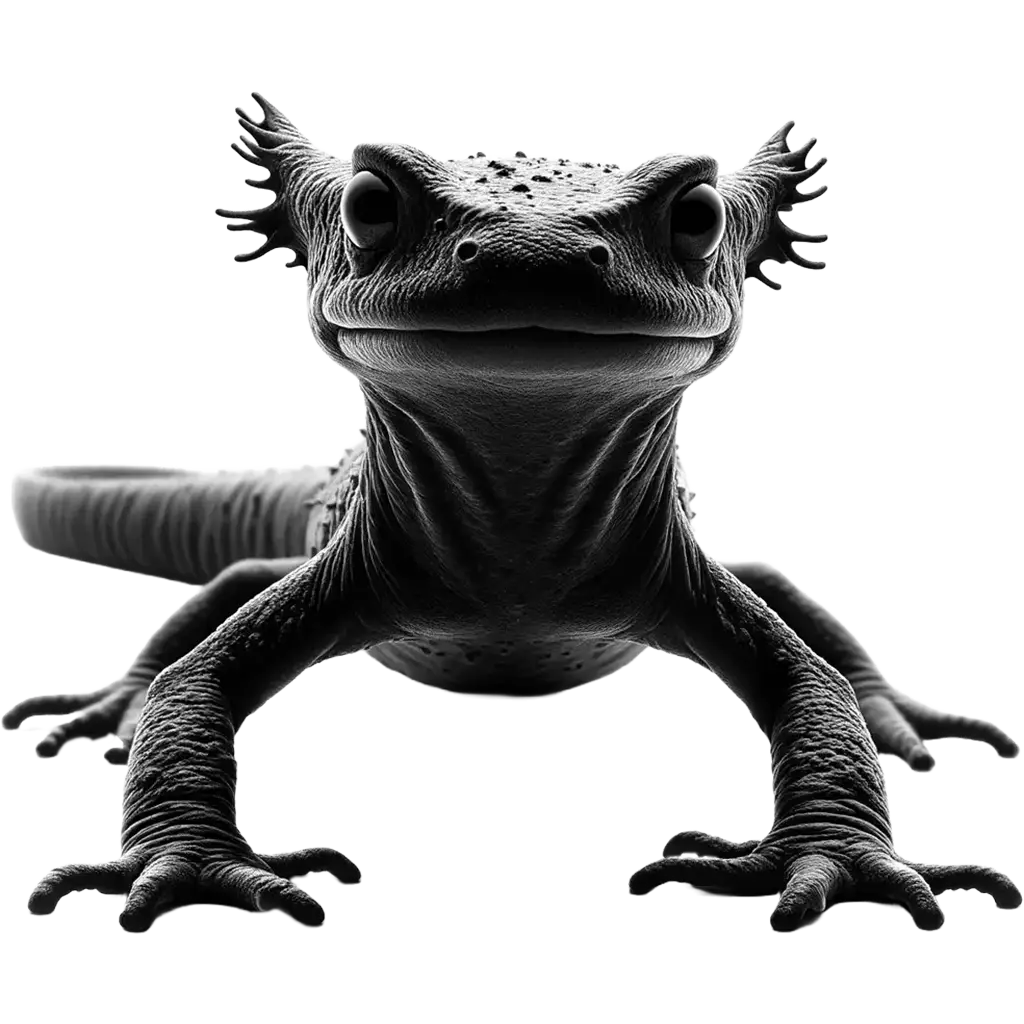
The Northern Crested Newt, triturus cristatus, is a striking amphibian known for its impressive size and distinctive appearance among European newts. Adult males can reach lengths of up to 18 cm, making them one of the largest newt species in their range. During the breeding season, males display a dramatic,
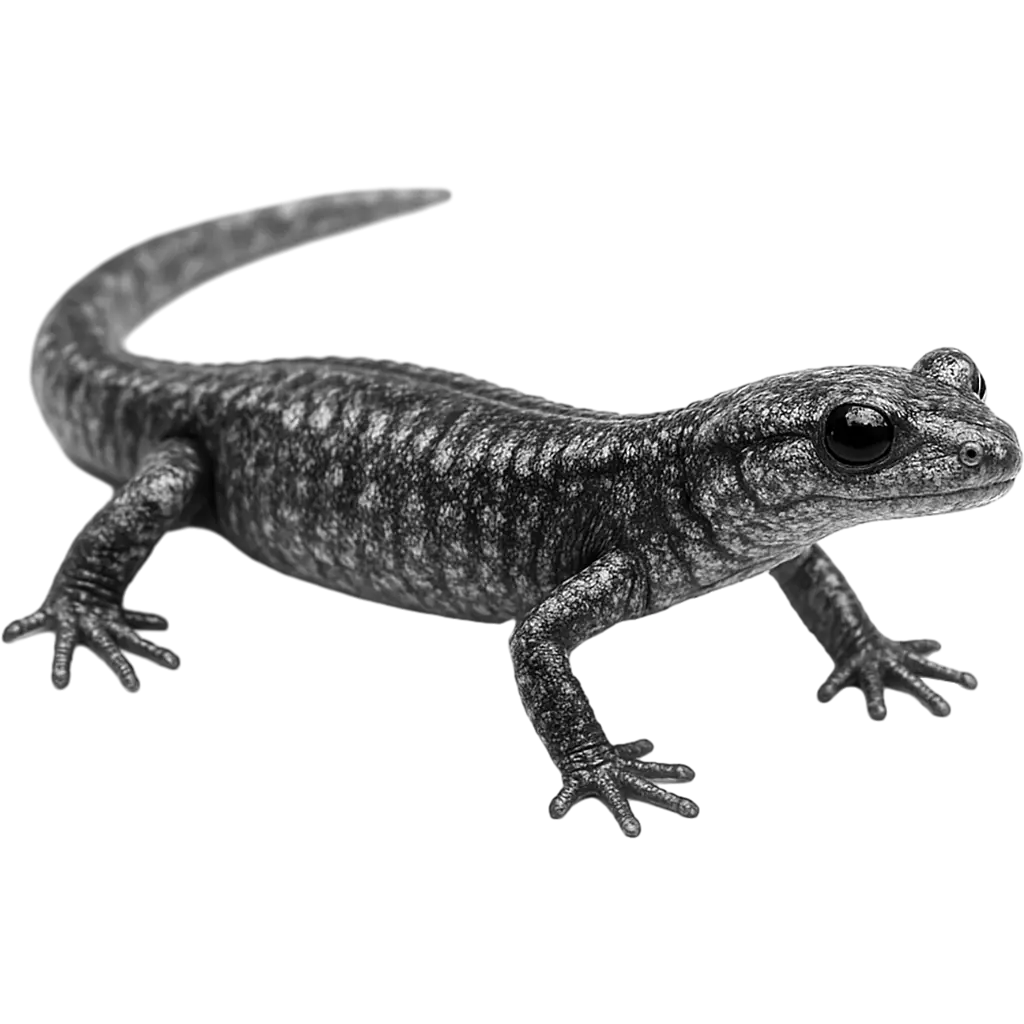
The Korean crevice salamander has a slender, elongated body measuring roughly eight to twelve centimeters in total length, including a laterally compressed tail nearly as long as its torso. Its skin is smooth and moist, colored dark brown to gray with a lighter dorsal stripe that can range from tan

The Sardinian Tree Frog, hyla sarda, is a small, vibrant amphibian native to the Mediterranean islands of Sardinia and Corsica. Characterized by its striking green to turquoise coloration, which can vary depending on environmental conditions and the frog's mood, this species typically measures between 3 to 5 centimeters in length.

Rhinella stanlaii is a small toad characterized by its rough, warty skin and robust, compact body. It exhibits a natural mosaic of brown and green hues, with prominent parotoid glands and dark, expressive eyes that enhance its rugged appearance. Its textured skin and subtle coloration allow it to blend into