
Dryophytes Versicolor
Gray Treefrog
Deciduous forests, swamps, farm ponds, and backyards with trees or shrubs
The Gray Treefrog, Dryophytes versicolor, is a small, adaptable amphibian native to much of the eastern United States and parts of Canada. This species is renowned for its remarkable ability to change color from gray to green, depending on its environment and activity, aiding in camouflage among trees and foliage. Adult Gray Treefrogs typically measure between 3.2 to 5.1 centimeters (1.25 to 2 inches) in length, with females generally larger than males. They possess a slightly rough skin texture and are characterized by their bright yellow or orange inner thighs, a feature visible when they jump.
| Population: | Widespread and common, not currently considered threatened |
| Generation Length: | 2-3 years |
| Average Weight: | Usually not measured due to small size, but typically 5-11 grams |
| Average Length: | 3-5 cm |
| Lifespan: | Up to 7-9 years in the wild, potentially longer in captivity |
| Diet: | Insectivorous, consuming a wide variety of small invertebrates |
| Conservation Status: | Least Concern (LC) |
Gray Treefrogs inhabit a wide range of forested environments, particularly those near ponds, lakes, or marshes, which are crucial for their breeding. They are arboreal, spending much of their time in trees, and are known for their strong adhesive toe pads that allow them to climb and cling to vertical surfaces easily. These frogs are nocturnal, becoming most active at night when they feed on a variety of insects and other small invertebrates.
The diet of the Gray Treefrog consists mainly of insects such as moths, flies, and beetles, which they catch with their sticky tongues. This insectivorous diet plays a significant role in controlling pest populations in their habitats.
Reproduction for Gray Treefrogs occurs in the spring and early summer when males call to attract females to breeding sites in standing water. Females lay hundreds of eggs in small clusters attached to vegetation in the water. The eggs hatch into tadpoles, which undergo metamorphosis into froglets within a few months, completing their transition to terrestrial life.
The Gray Treefrog is currently considered to be of Least Concern by the IUCN, reflecting its wide distribution and presumed large population. However, like many amphibian species, they face threats from habitat loss, pollution, and climate change, which could impact their breeding sites and overall survival. Conservation efforts for Gray Treefrogs include protecting wetland habitats, monitoring populations, and reducing pesticide use to ensure the continued health and diversity of this and other amphibian species in their ecosystems.
Classifications
The Key Attributes
Features
- Movement:
Climbing, jumping
- Territorial Behavior:
Solitary outside of breeding season
- Speed:
Not quantified; agile climbers and capable of quick jumps
- Diet:
Insectivore
- Physical Features:
- Variable coloration, typically gray but can change to green or brown
- Rough, warty skin
- Large toe pads for climbing
- Bright yellow or orange coloration on the inner thighs
- Primary Senses:
- Sight
- Hearing
Understanding Habitat and Range
Geography
- Habitat:
Deciduous forests, swamps, farm ponds, and backyards with trees or shrubs
- Migration Patterns:
Non-migratory, but may move locally between breeding and non-breeding habitats
- Geographical Range:
Eastern United States and parts of southeastern Canada
- Climate Preferences:
Temperate
Navigating the Wilderness
In the wild
- Predators:
Birds, small mammals, and larger amphibians
- Prey:
Insects, spiders, and other small invertebrates
- Feeding Behavior:
Nocturnal; feeds on a variety of insects and other small invertebrates
- Diet:
Insectivorous, consuming a wide variety of small invertebrates
- Defensive Mechanisms:
- Camouflage
- Toxic skin secretions to deter predators
- Ability to remain motionless to avoid detection
- Preferred Food Sources:
- Moths
- Flies
- Beetles
- Ants
Insights Into Reproduction
Mating
- Mating System:
Polygynous
- Number of Offspring:
Hundreds to over a thousand eggs per breeding season
- Incubation Period:
Eggs hatch within a week, tadpoles undergo metamorphosis in 2-3 months
- Parental Involvement:
- No parental care after egg laying; tadpoles are independent
Youngsters Section
Gray Treefrog
Fun Fact
Gray treefrogs can change their skin color to blend with their surroundings, ranging from gray to green.
This ability helps them avoid predators and regulate their body temperature. The color change is influenced by temperature, humidity, and the frog's mood. These frogs are commonly found in the eastern United States and are noted for their musical trills during mating season.

Download word search puzzles
Word Search Puzzles


Check Out Other Amphibians
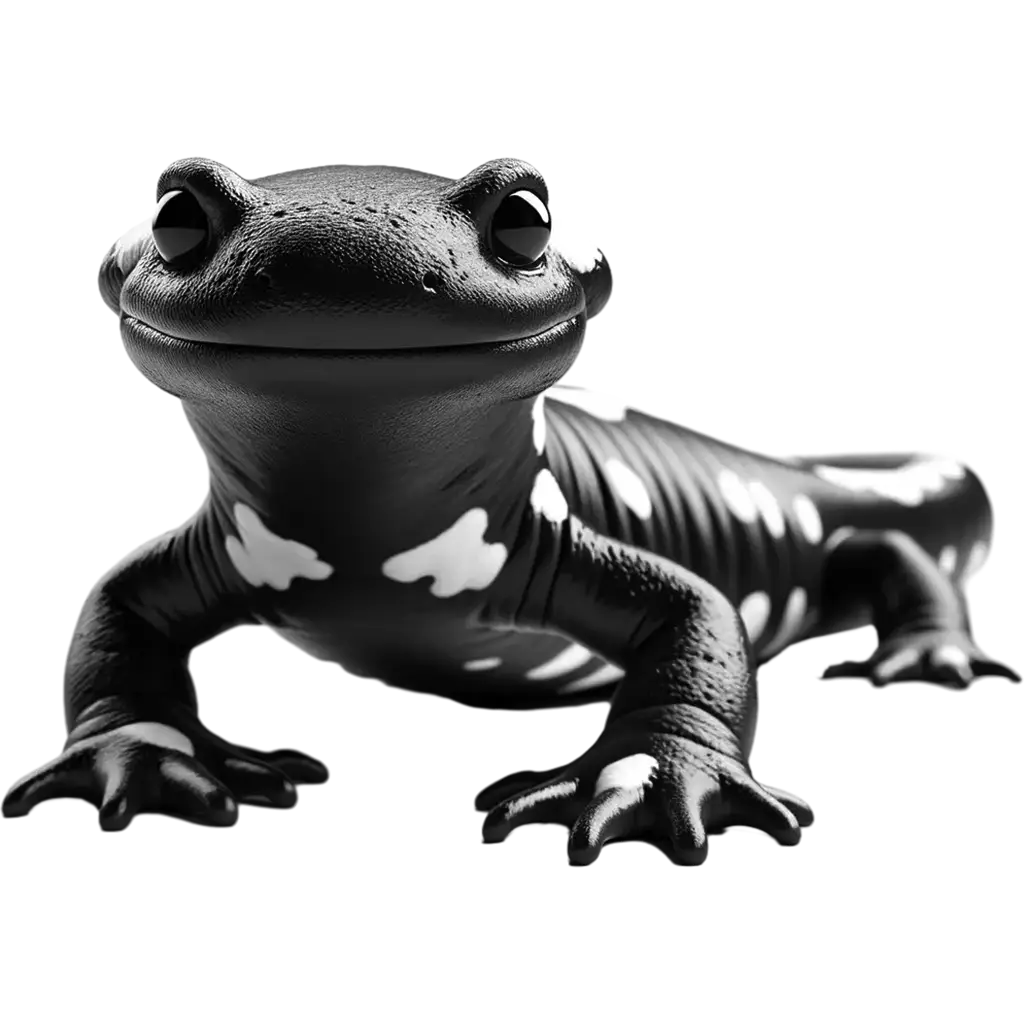
The Alpine Salamander, Salamandra atra, is a unique species of salamander native to the mountainous regions of central and southern Europe. Characterized by its completely black, glossy skin, this amphibian can reach up to 14 centimeters in length. Its robust body, short limbs, and distinctive yellow or white markings (in
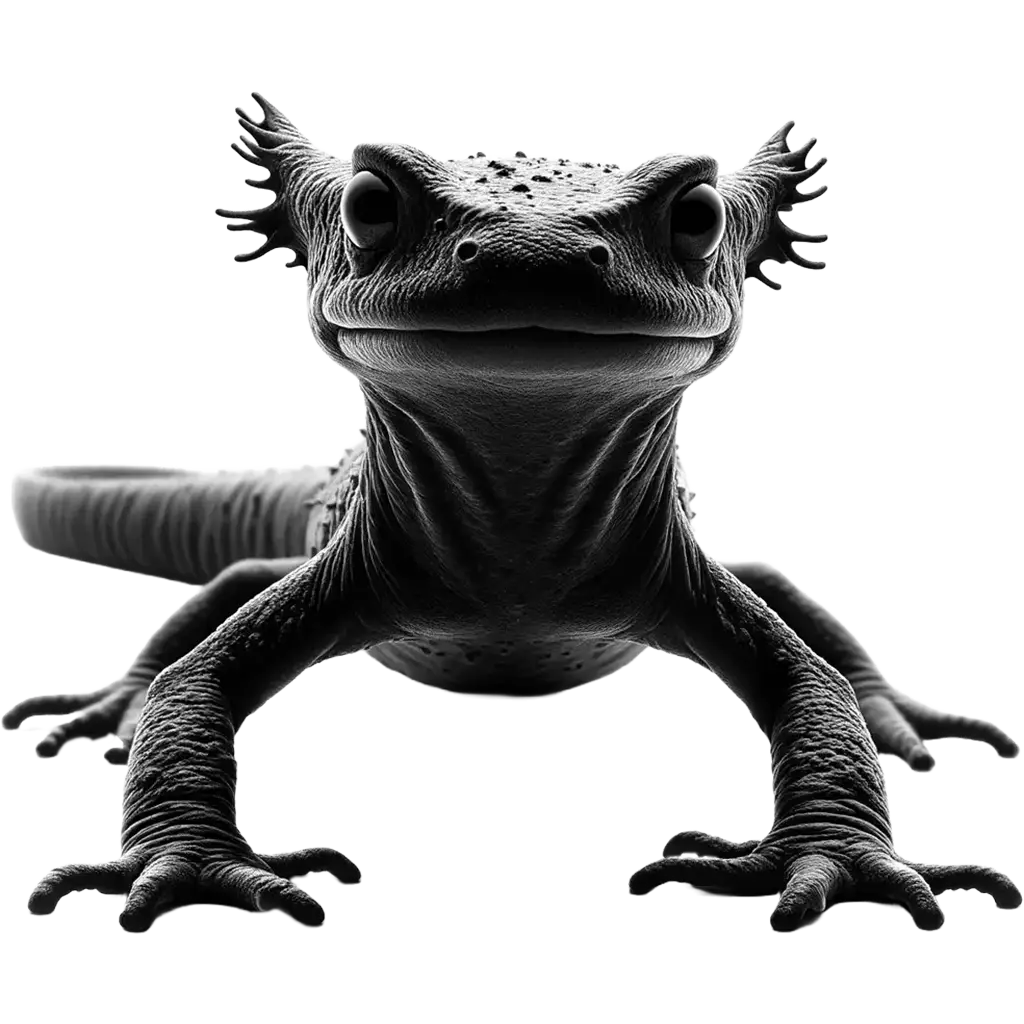
The Northern Crested Newt, triturus cristatus, is a striking amphibian known for its impressive size and distinctive appearance among European newts. Adult males can reach lengths of up to 18 cm, making them one of the largest newt species in their range. During the breeding season, males display a dramatic,

The Axolotl, ambystoma mexicanum, is an intriguing species of salamander known for its unique ability to retain juvenile features throughout its adult life, a condition known as neoteny. Unlike most amphibians, Axolotls do not undergo a complete metamorphosis and instead remain aquatic and gilled. They typically grow to about 15

The American Bullfrog, lithobates catesbeianus, is a large, aquatic frog native to North America and recognized for its prominent size and deep, resonant call that resembles the bellowing of a bull. Adult bullfrogs can reach lengths of up to 20 cm (8 inches) from snout to vent, making them the