
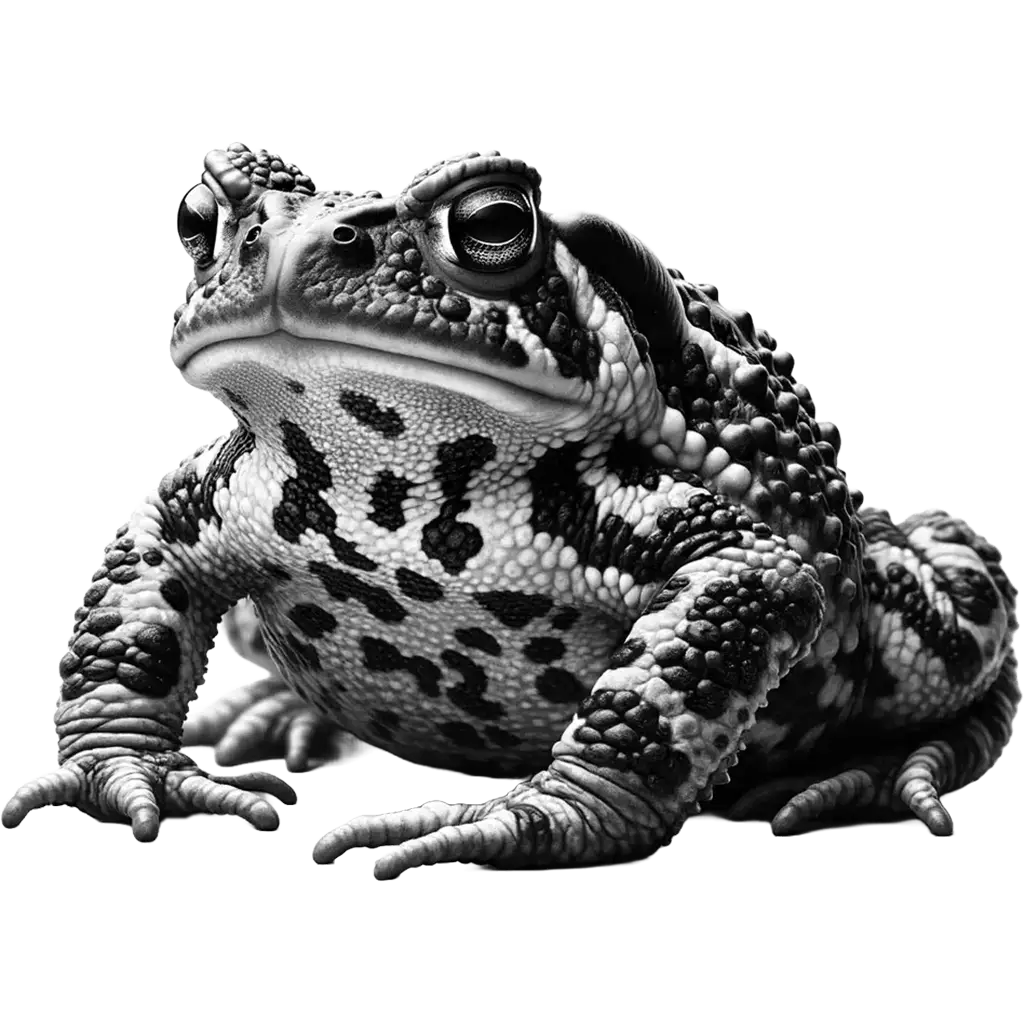
Epidalea Calamita
Natterjack Toad
Coastal sand dunes, heathlands, and grasslands with shallow temporary pools for breeding
The Natterjack Toad, epidalea calamita, is a distinctive amphibian species known for the yellow line running down the middle of its back. Smaller than the common toad, adults typically measure about 6 to 7 cm in length. Their skin is warty and varies in color from greenish to brownish, providing camouflage against the sandy, coastal, and heathland habitats they prefer. Notably, Natterjack Toads possess shorter limbs compared to other toads, which facilitates their distinctive running rather than hopping movement.
| Population: | Listed as Least Concern, but some local populations are threatened |
| Generation Length: | 2-3 years |
| Average Weight: | 10-25 grams |
| Average Length: | 6-8 cm |
| Lifespan: | Up to 15 years in the wild |
| Diet: | Mainly insectivorous, catching prey with its sticky tongue |
| Conservation Status: | Least Concern (LC) |
Natterjack Toads are primarily found in Western Europe, including the UK, Spain, and Portugal, inhabiting areas with sandy soils that allow them to burrow. They are nocturnal, emerging at night to feed and breed in shallow, warm pools that are temporary, avoiding deeper waters where predators are more common. Their presence is an indicator of healthy, undisturbed habitats, but they can also adapt to man-made environments like gravel pits and quarries.
The diet of the Natterjack Toad consists mainly of insects, worms, and other small invertebrates. Their foraging strategy involves ambushing prey rather than actively pursuing it, utilizing their excellent night vision to spot meals. This diet plays a crucial role in controlling insect populations in their ecosystems.
Reproduction for Natterjack Toads occurs in the spring, when males call to attract females to temporary pools for mating. The male's call, a distinctive rapid trill, is one of the loudest of any European amphibian, carrying over long distances. Females lay strings of eggs, which hatch into tadpoles in a few weeks. The tadpoles then undergo metamorphosis into toadlets, a process heavily dependent on the availability of suitable breeding pools.
The population of the Natterjack Toad is considered vulnerable and is declining in several areas due to habitat loss, pollution, and climate change. Conservation efforts are focused on habitat restoration and protection, including the creation and maintenance of breeding sites and legal protection of their habitats. These efforts are crucial for the survival of the Natterjack Toad, a species that contributes to the biodiversity and ecological balance of the environments they inhabit.
Classifications
The Key Attributes
Features
- Movement:
Walking, hopping
- Territorial Behavior:
Territorial during breeding season
- Speed:
Not particularly fast; relies on short bursts of speed to catch prey and escape predators
- Diet:
Insectivore
- Physical Features:
- Small, warty skin with a yellow dorsal stripe
- Short limbs compared to other toads, adapted for walking rather than hopping
- Prominent eyes with vertical pupils
- Primary Senses:
- Sight
- Hearing
- Chemical sensing
Understanding Habitat and Range
Geography
- Habitat:
Coastal sand dunes, heathlands, and grasslands with shallow temporary pools for breeding
- Migration Patterns:
Non-migratory, but may travel between breeding and wintering habitats
- Geographical Range:
Western Europe and parts of Scandinavia and Iberia
- Climate Preferences:
Prefers temperate climates with access to breeding pools
Navigating the Wilderness
In the wild
- Predators:
Birds, mammals, and larger amphibians
- Prey:
Insects, worms, spiders
- Feeding Behavior:
Feeds primarily on insects, spiders, and other small invertebrates
- Diet:
Mainly insectivorous, catching prey with its sticky tongue
- Defensive Mechanisms:
- Burrowing into the sand to escape predators
- Emitting a toxic substance from its skin glands as a deterrent
- Preferred Food Sources:
- Areas with abundant insect activity and suitable ground cover
Insights Into Reproduction
Mating
- Mating System:
Polygynous
- Number of Offspring:
Up to 7,500 eggs in long strings
- Incubation Period:
Eggs hatch within 10-20 days
- Parental Involvement:
- No parental care after laying eggs; tadpoles are independent
Youngsters Section
Natterjack Toad
Fun Fact
The Natterjack Toad is known for its distinctive loud mating call, which can be heard up to 2 km away.
This toad has a unique running gait, unlike other toads that typically hop. It is mostly found in sandy and heathland habitats across Europe. Their breeding season is typically in late spring, and they prefer shallow, temporary pools for laying eggs. Their loud call helps males attract females during this time.

Download word search puzzles
Word Search Puzzles


Check Out Other Amphibians

The Axolotl, ambystoma mexicanum, is an intriguing species of salamander known for its unique ability to retain juvenile features throughout its adult life, a condition known as neoteny. Unlike most amphibians, Axolotls do not undergo a complete metamorphosis and instead remain aquatic and gilled. They typically grow to about 15
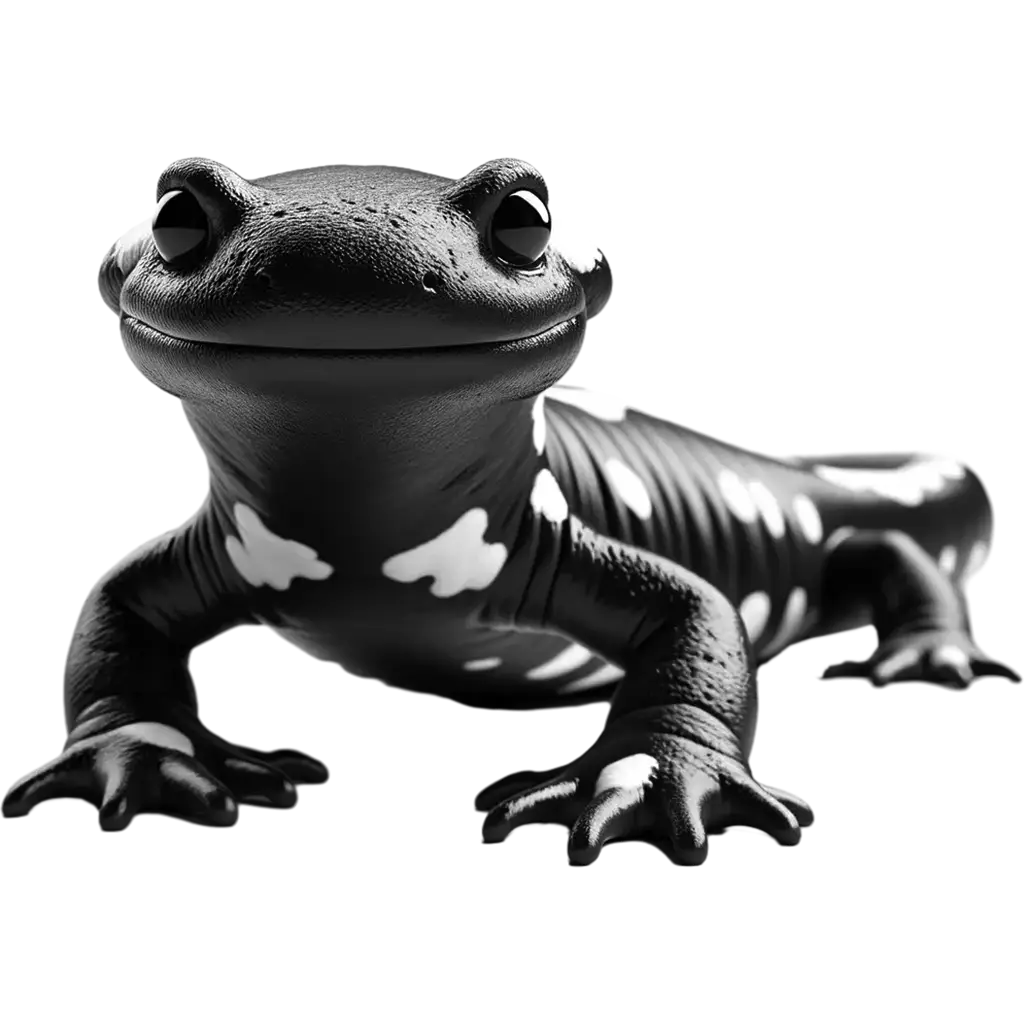
The Alpine Salamander, Salamandra atra, is a unique species of salamander native to the mountainous regions of central and southern Europe. Characterized by its completely black, glossy skin, this amphibian can reach up to 14 centimeters in length. Its robust body, short limbs, and distinctive yellow or white markings (in
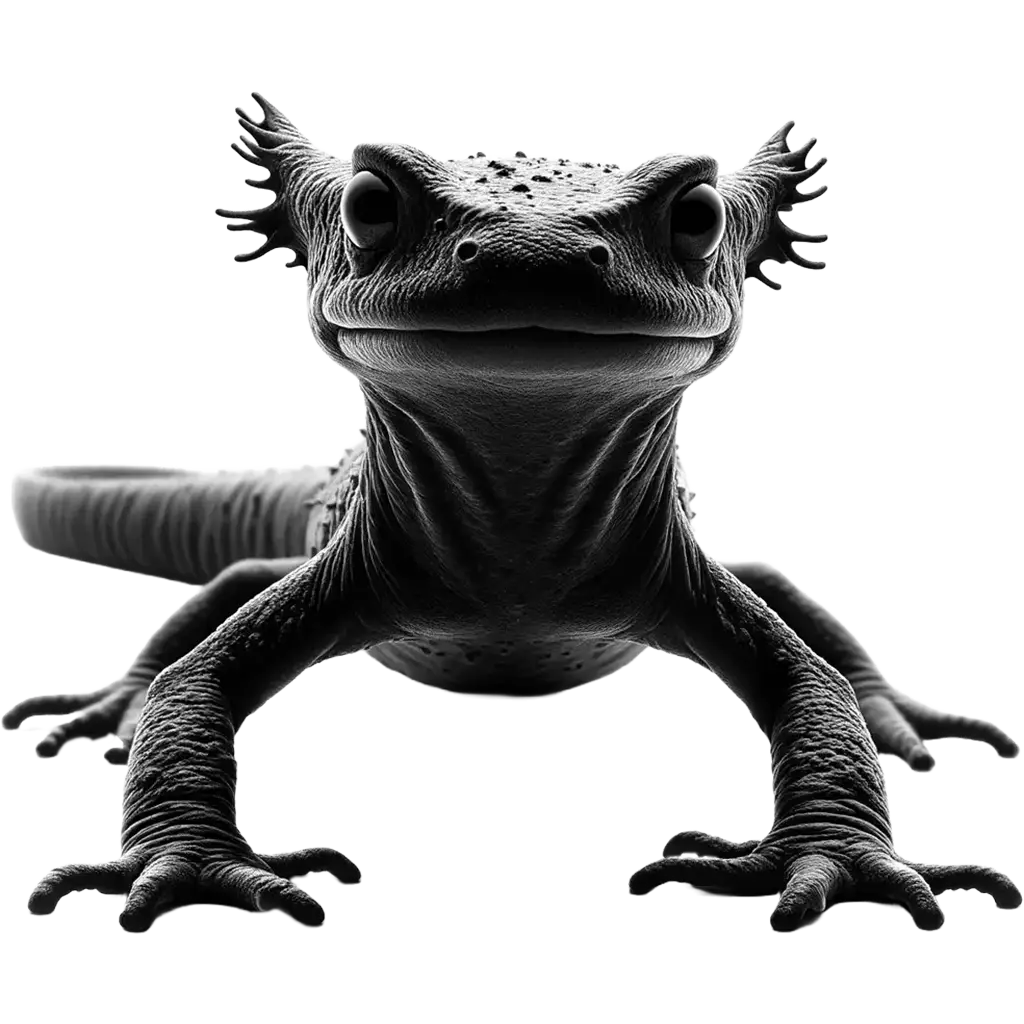
The Northern Crested Newt, triturus cristatus, is a striking amphibian known for its impressive size and distinctive appearance among European newts. Adult males can reach lengths of up to 18 cm, making them one of the largest newt species in their range. During the breeding season, males display a dramatic,

The Sardinian Tree Frog, hyla sarda, is a small, vibrant amphibian native to the Mediterranean islands of Sardinia and Corsica. Characterized by its striking green to turquoise coloration, which can vary depending on environmental conditions and the frog's mood, this species typically measures between 3 to 5 centimeters in length.