
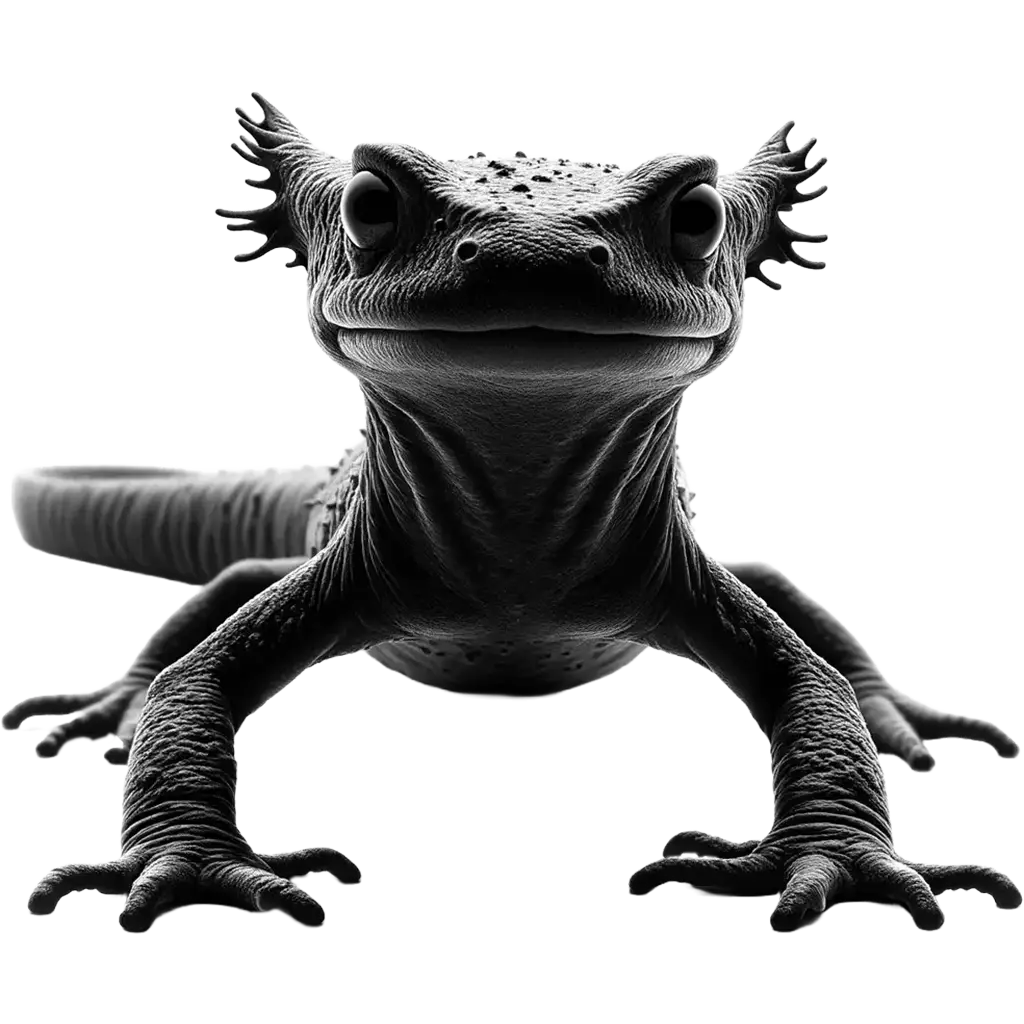
Triturus Cristatus
Northern Crested Newt
Ponds, lakes, and marshes within forested and open countryside
The Northern Crested Newt, triturus cristatus, is a striking amphibian known for its impressive size and distinctive appearance among European newts. Adult males can reach lengths of up to 18 cm, making them one of the largest newt species in their range. During the breeding season, males display a dramatic, jagged crest along their back and tail, which is used to attract females and assert dominance. Their skin is dark brown or black with a rough texture, contrasted by a vibrant orange or yellow belly marked with a unique pattern of black spots, which serves as a warning to predators about their toxicity.
| Population: | Listed as Near Threatened due to habitat loss and pollution |
| Generation Length: | 5-6 years |
| Average Weight: | 10-30 grams |
| Average Length: | 13-18 cm |
| Lifespan: | Up to 15-20 years in the wild |
| Diet: | Predominantly insectivorous, with a varied diet depending on habitat |
| Conservation Status: | Least Concern (LC) |
Native to Europe, the Northern Crested Newt inhabits a variety of freshwater environments, including ponds, lakes, and slow-moving rivers, as well as terrestrial habitats like forests and grasslands close to these water bodies. They are highly dependent on aquatic habitats for breeding but spend a significant portion of the year in terrestrial environments, where they hide under logs, rocks, and leaf litter.
The diet of the Northern Crested Newt consists primarily of invertebrates, including worms, insects, and larvae. In the aquatic phase, they also prey on tadpoles and small aquatic creatures. Their hunting strategy involves using their well-developed sense of smell to locate prey, which they then capture using their sticky tongues.
Reproduction occurs in the spring when newts return to the water to mate. Males perform elaborate courtship displays to attract females, involving undulating their crests and tails to release pheromones. Females lay eggs individually, carefully wrapping them in leaves of aquatic plants for protection. The larvae hatch after a few weeks and undergo metamorphosis into terrestrial juveniles by the end of the summer.
The population of the Northern Crested Newt is considered to be decreasing, with habitat loss, pollution, and the introduction of fish into breeding sites posing significant threats. They are protected under European law, which mandates conservation efforts to protect their habitats and ensure the survival of this species. These efforts include habitat restoration, the creation of new ponds, and the monitoring of existing populations to better understand their ecology and inform conservation strategies.
Classifications
The Key Attributes
Features
- Movement:
Swimming, crawling
- Territorial Behavior:
Somewhat territorial, especially during breeding season
- Speed:
Not particularly fast, relies on stealth and camouflage
- Diet:
Carnivore
- Physical Features:
- Robust body with a warty skin texture
- Males have a distinctive jagged crest along the back and tail during the breeding season
- Vividly colored underside as a warning to predators of its toxicity
- Smooth skin with glands secreting a noxious substance when threatened
- Primary Senses:
- Sight
- Smell
- Touch
Understanding Habitat and Range
Geography
- Habitat:
Ponds, lakes, and marshes within forested and open countryside
- Migration Patterns:
Non-migratory, but may travel between aquatic and terrestrial habitats seasonally
- Geographical Range:
Europe, particularly in the UK, central and eastern regions
- Climate Preferences:
Temperate, prefers areas with access to both aquatic and terrestrial environments
Navigating the Wilderness
In the wild
- Predators:
Birds, mammals, and larger amphibians
- Prey:
Insects, worms, larvae, and small aquatic creatures
- Feeding Behavior:
Feeds on a variety of invertebrates, small amphibians, and insect larvae
- Diet:
Predominantly insectivorous, with a varied diet depending on habitat
- Defensive Mechanisms:
- Toxic secretions to deter predators
- Camouflage in terrestrial and aquatic environments
- Preferred Food Sources:
- Wetlands and woodlands rich in invertebrate fauna
Insights Into Reproduction
Mating
- Mating System:
Polygynous
- Number of Offspring:
Up to 300 eggs per breeding season
- Incubation Period:
Eggs hatch in about 3 weeks
- Parental Involvement:
- No parental care after egg-laying; larvae are independent upon hatching
Youngsters Section
Northern Crested Newt
Fun Fact
The Northern Crested Newt is known for its striking jagged crest during the breeding season.
This crest, found on males, runs from the head to the tail. It helps attract females by showcasing health and vitality. Outside the breeding season, the crest is less prominent. Northern Crested Newts are also known for their ability to regenerate lost limbs, making them a fascinating subject for scientific study.

Download word search puzzles
Word Search Puzzles


Check Out Other Amphibians
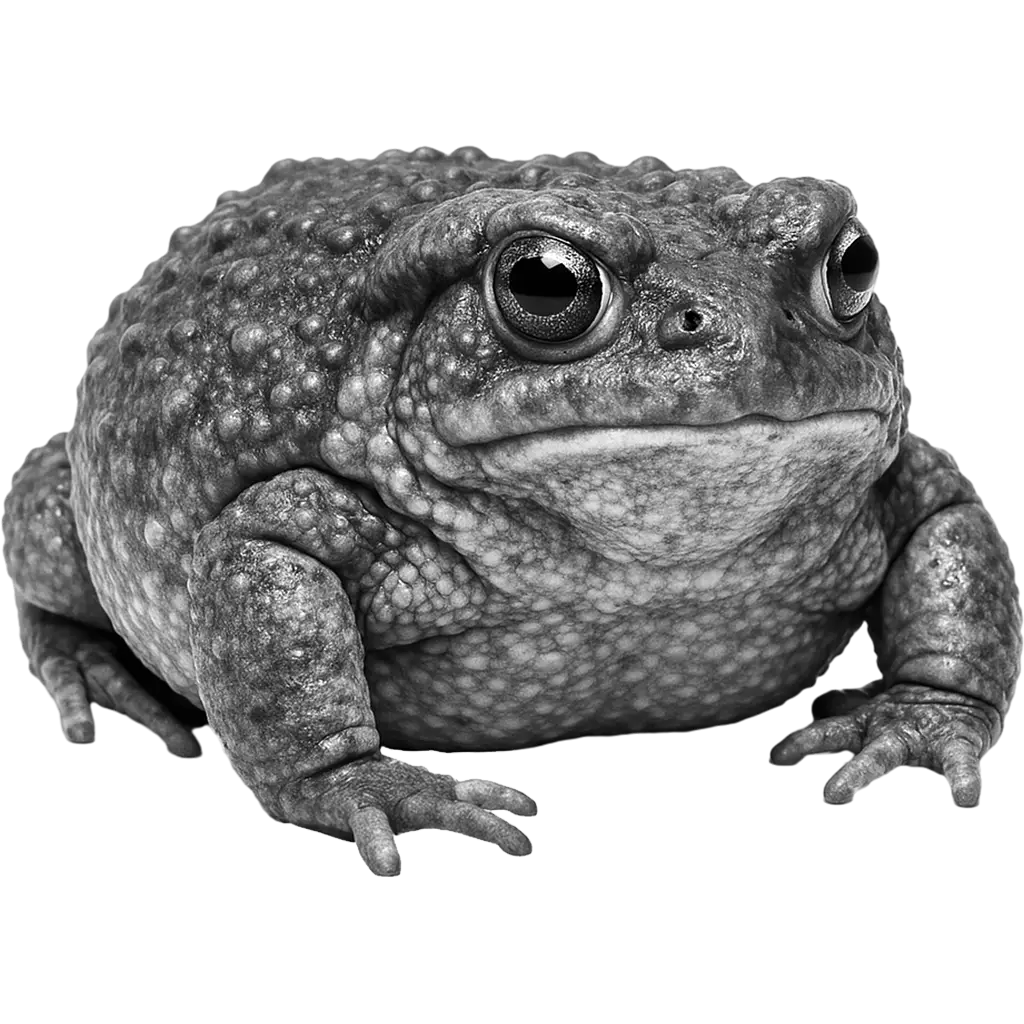
The Fat Toadlet possesses a noticeably plump body with smooth, moist skin that exhibits a subtle blend of olive and brown tones. Its large, round eyes and compact frame give it an endearing appearance while its short, sturdy limbs support rapid hops across damp surfaces. The textured skin, occasionally marked
The Gray Treefrog, Dryophytes versicolor, is a small, adaptable amphibian native to much of the eastern United States and parts of Canada. This species is renowned for its remarkable ability to change color from gray to green, depending on its environment and activity, aiding in camouflage among trees and foliage.

The Giant Leaf Frog, Phyllomedusa bicolor, is a remarkable amphibian native to the Amazon rainforest, known for its striking appearance and unique adaptations. This species is characterized by its vibrant green color, which provides excellent camouflage among the foliage where it resides. The underbelly of the frog is a stark

The Axolotl, ambystoma mexicanum, is an intriguing species of salamander known for its unique ability to retain juvenile features throughout its adult life, a condition known as neoteny. Unlike most amphibians, Axolotls do not undergo a complete metamorphosis and instead remain aquatic and gilled. They typically grow to about 15