

Phyllomedusa Bicolor
Giant Leaf Frog
Tropical rainforests, often found in trees near water sources
The Giant Leaf Frog, Phyllomedusa bicolor, is a remarkable amphibian native to the Amazon rainforest, known for its striking appearance and unique adaptations. This species is characterized by its vibrant green color, which provides excellent camouflage among the foliage where it resides. The underbelly of the frog is a stark contrast, displaying a creamy-white hue, while its sides are adorned with distinctive pink or purple flushes. Adults can grow up to 11 cm in length, making them one of the larger species within the Phyllomedusa genus. Their large, protruding eyes enhance their night vision, crucial for nocturnal activities.
| Population: | Not currently considered threatened, but habitat loss and environmental changes pose potential risks |
| Generation Length: | 2-3 years |
| Average Weight: | Not typically measured, but relatively light due to their amphibian nature |
| Average Length: | 10-12 cm from snout to vent |
| Lifespan: | Up to 10 years in the wild |
| Diet: | Mainly insects and other small invertebrates |
| Conservation Status: | Least Concern (LC) |
Giant Leaf Frogs lead a largely arboreal lifestyle, spending most of their time in the treetops of the rainforest. They are known for their unique method of locomotion, moving in a slow, deliberate manner that mimics the movement of leaves in the breeze, further aiding their camouflage. These frogs are nocturnal, emerging at night to feed and mate. During the day, they rest on the undersides of leaves, folded in a way that minimizes water loss, a critical adaptation to their environment.
The diet of the Giant Leaf Frog primarily consists of insects, including flies, crickets, and moths, which they catch with their long, sticky tongues. This carnivorous diet helps control insect populations in their habitat, playing an essential role in the ecological balance of the rainforest. The frogs' hunting strategy involves remaining still and waiting for prey to come within range, showcasing their patience and precision.
Mating for the Giant Leaf Frog occurs during the rainy season, when males vocalize to attract females. They engage in amplexus, where the male grasps the female to fertilize the eggs as she lays them. Uniquely, they lay their eggs on leaves overhanging water bodies, ensuring that the hatching tadpoles drop into the water below. This reproductive strategy minimizes the risk of desiccation and predation for the vulnerable eggs and tadpoles.
The population of the Giant Leaf Frog is currently facing pressures from habitat destruction and the pet trade. Although not listed as endangered, their reliance on pristine rainforest habitats makes them vulnerable to deforestation and climate change. Conservation efforts are crucial to protect these habitats and ensure the survival of this fascinating species. Their role in traditional medicine has also drawn scientific interest, highlighting the need for sustainable management of their populations and the environments they inhabit.
Classifications
The Key Attributes
Features
- Movement:
Climbing and jumping
- Territorial Behavior:
Solitary, except during breeding season
- Speed:
Not specifically quantified; capable of quick jumps and agile climbing
- Diet:
Carnivore
- Physical Features:
- Vibrant green coloration for camouflage in foliage
- Large eyes with vertical pupils
- Sticky pads on fingers and toes for climbing
- Flaps of skin on the sides and limbs help in gliding
- Primary Senses:
- Sight
- Hearing
Understanding Habitat and Range
Geography
- Habitat:
Tropical rainforests, often found in trees near water sources
- Migration Patterns:
Non-migratory
- Geographical Range:
Amazon basin, including parts of Brazil, Peru, Bolivia, and the Guianas
- Climate Preferences:
Prefers warm, humid tropical climates
Navigating the Wilderness
In the wild
- Predators:
Birds, snakes, and larger insects
- Prey:
Insects, spiders, and small invertebrates
- Feeding Behavior:
Nocturnal hunter, feeding on insects and small invertebrates
- Diet:
Mainly insects and other small invertebrates
- Defensive Mechanisms:
- Camouflage
- Staying motionless to avoid detection
- Toxic skin secretions deter predators
- Preferred Food Sources:
- A wide range of forest insects and invertebrates
Insights Into Reproduction
Mating
- Mating System:
Polygynous
- Number of Offspring:
Lays eggs on leaves overhanging water, which drop into the water upon hatching
- Incubation Period:
Eggs hatch within a short period after laying, with tadpoles developing in water
- Parental Involvement:
- No parental care after egg laying; tadpoles are independent upon hatching
Youngsters Section
Giant Leaf Frog
Fun Fact
Giant Leaf Frogs secrete a waxy substance on their skin, allowing them to retain moisture in dry environments.
This secretion is not only crucial for their survival in arid conditions but also plays a role in traditional medicine. Indigenous tribes use the secretion as a natural remedy for various ailments and to enhance hunting skills. The substance is believed to boost strength and stamina, showcasing the frog's unique cultural significance.

Download word search puzzles
Word Search Puzzles


Check Out Other Amphibians
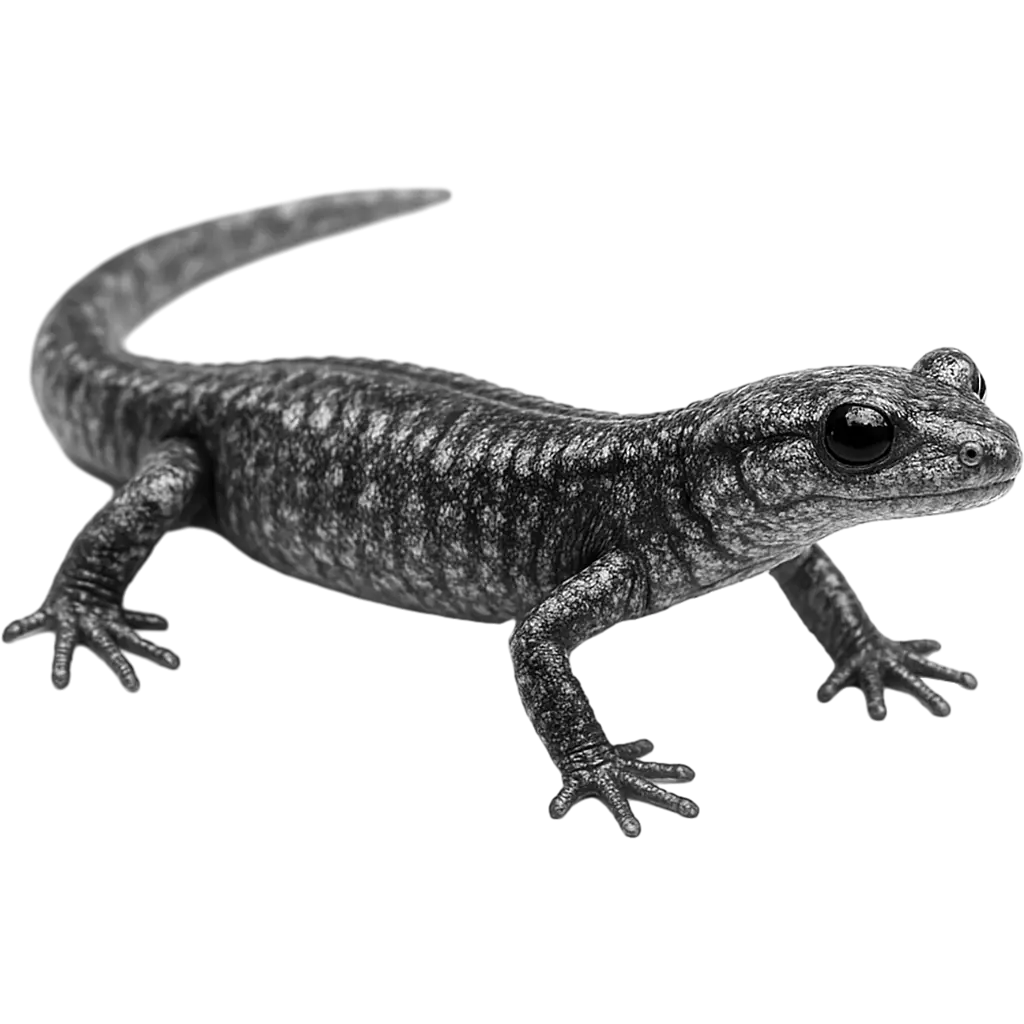
The Korean crevice salamander has a slender, elongated body measuring roughly eight to twelve centimeters in total length, including a laterally compressed tail nearly as long as its torso. Its skin is smooth and moist, colored dark brown to gray with a lighter dorsal stripe that can range from tan

The American Bullfrog, lithobates catesbeianus, is a large, aquatic frog native to North America and recognized for its prominent size and deep, resonant call that resembles the bellowing of a bull. Adult bullfrogs can reach lengths of up to 20 cm (8 inches) from snout to vent, making them the

The Sardinian Tree Frog, hyla sarda, is a small, vibrant amphibian native to the Mediterranean islands of Sardinia and Corsica. Characterized by its striking green to turquoise coloration, which can vary depending on environmental conditions and the frog's mood, this species typically measures between 3 to 5 centimeters in length.
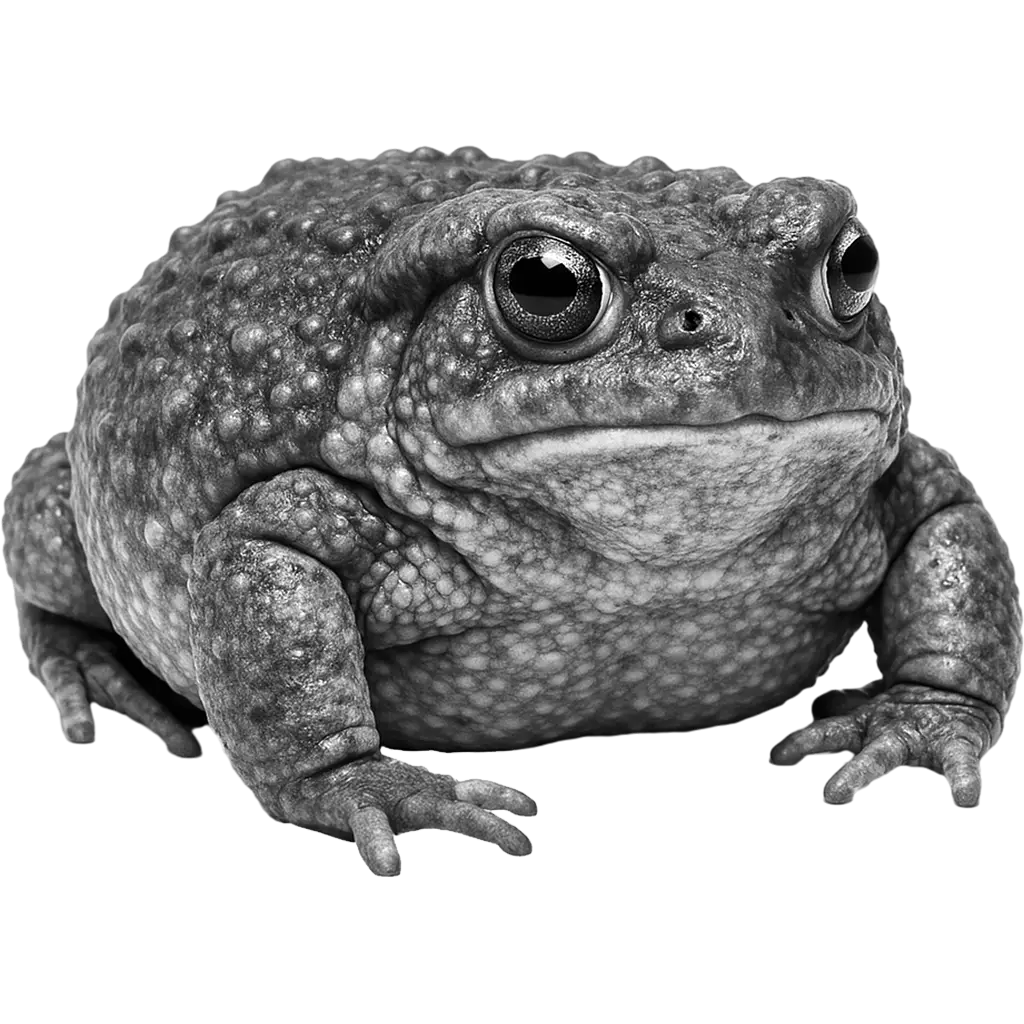
The Fat Toadlet possesses a noticeably plump body with smooth, moist skin that exhibits a subtle blend of olive and brown tones. Its large, round eyes and compact frame give it an endearing appearance while its short, sturdy limbs support rapid hops across damp surfaces. The textured skin, occasionally marked