
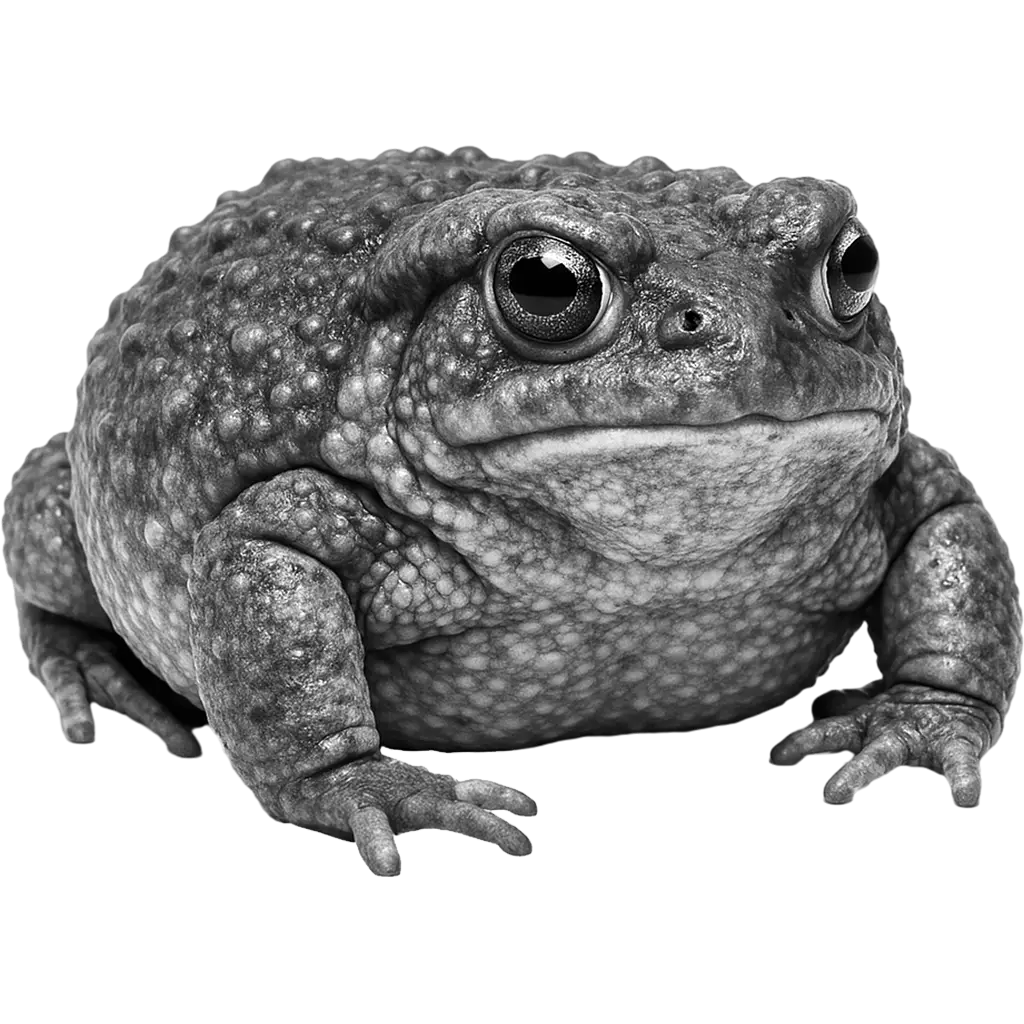
Uperoleia Crassa
Fat Toadlet
Damp environments, wetlands, and temporary pools
The Fat Toadlet possesses a noticeably plump body with smooth, moist skin that exhibits a subtle blend of olive and brown tones. Its large, round eyes and compact frame give it an endearing appearance while its short, sturdy limbs support rapid hops across damp surfaces. The textured skin, occasionally marked with fine blemishes, enhances its natural camouflage in leafy, moist environments.
| Population: | Widespread across its native range with stable numbers in damp, lowland habitats |
| Generation Length: | 1 year |
| Average Weight: | 3-5 g |
| Average Length: | 3-4 cm |
| Lifespan: | 2-3 years in the wild, up to 5 years in captivity |
| Diet: | Insectivorous, targeting tiny invertebrates |
| Conservation Status: | Least Concern (LC) |
In its natural habitat, the Fat Toadlet is highly active during the rainy season, emerging at dusk to explore damp, sheltered areas. It exploits temporary pools and wetlands, moving briskly through leaf litter in search of prey. Often solitary, this amphibian makes quick, energetic hops to evade threats while occasionally congregating near water bodies during breeding periods. These movements and behaviors allow the toadlet to effectively capitalize on the seasonal abundance of its moist surroundings and avoid predation.
The Fat Toadlet's diet is predominantly composed of small invertebrates, including ants, beetles, and other minute arthropods. It uses keen eyesight and rapid tongue flicks to capture prey, ensuring a continuous supply of essential proteins and nutrients. This insectivorous habit supports its high metabolism and energetic lifestyle. By consuming a diverse array of prey items, the toadlet maintains a balanced diet that fuels both daily activities and sporadic, vigorous foraging sessions.
During the breeding season, Fat Toadlets engage in explosive breeding events where numerous individuals gather at temporary water bodies. Males call persistently to attract females, and quick, competitive mating events follow. The brief courtship period results in synchronized egg laying, ensuring that offspring hatch under optimal conditions. Overall, these breeding behaviors allow the species to maximize reproductive success even in ephemeral habitats.
Current observations indicate that the Fat Toadlet enjoys a stable population, with widespread distribution across its native range. Despite occasional threats from habitat loss and pollution, its rapid reproductive cycle supports steady numbers. Field surveys consistently report healthy populations, and effective adaptation strategies help maintain its presence in diverse wetland ecosystems.
Classifications
The Key Attributes
Features
- Movement:
Hopping
- Territorial Behavior:
Males can be territorial during breeding season
- Speed:
Quick bursts
- Diet:
Insectivorous
- Physical Features:
- Plump body
- Smooth, moist skin
- Large, protruding eyes
- Short limbs
- Slightly warty texture
- Primary Senses:
- Sight
- Smell
Understanding Habitat and Range
Geography
- Habitat:
Damp environments, wetlands, and temporary pools
- Migration Patterns:
Non-migratory, with localized movements
- Geographical Range:
Native to Australia
- Climate Preferences:
Prefers warm, moist climates
Navigating the Wilderness
In the wild
- Predators:
Snakes, birds, and larger amphibians
- Prey:
Small insects and arthropods
- Feeding Behavior:
Forages actively during nocturnal activity
- Diet:
Insectivorous, targeting tiny invertebrates
- Defensive Mechanisms:
- Quick hiding
- Effective camouflage
- Preferred Food Sources:
- Ants
- Beetles
- Small insects
Insights Into Reproduction
Mating
- Mating System:
Explosive breeding
- Number of Offspring:
Hundreds of eggs per breeding event
- Incubation Period:
Eggs hatch rapidly after being laid
- Parental Involvement:
- No parental care provided
Youngsters Section
Fat Toadlet
Fun Fact
Fat Toadlets are tiny amphibians with charming plump bodies.
Their rapid breeding and stealthy foraging, combined with vivid markings, make them an ecological wonder in fleeting wetland habitats.

Download word search puzzles
Word Search Puzzles


Check Out Other Amphibians

The Giant Leaf Frog, Phyllomedusa bicolor, is a remarkable amphibian native to the Amazon rainforest, known for its striking appearance and unique adaptations. This species is characterized by its vibrant green color, which provides excellent camouflage among the foliage where it resides. The underbelly of the frog is a stark

The Axolotl, ambystoma mexicanum, is an intriguing species of salamander known for its unique ability to retain juvenile features throughout its adult life, a condition known as neoteny. Unlike most amphibians, Axolotls do not undergo a complete metamorphosis and instead remain aquatic and gilled. They typically grow to about 15

The American Bullfrog, lithobates catesbeianus, is a large, aquatic frog native to North America and recognized for its prominent size and deep, resonant call that resembles the bellowing of a bull. Adult bullfrogs can reach lengths of up to 20 cm (8 inches) from snout to vent, making them the

The Cuban Spotted Toad is a robust amphibian with a mottled, warty skin that displays an array of brown and green spots, offering excellent camouflage against the forest floor. Its broad, rounded head and short, sturdy limbs give it a compact build, while its small, recessed eyes and subtle facial