

Hyla Sarda
Sardinian Tree Frog
Woodlands, maquis shrubland, and near freshwater sources
The Sardinian Tree Frog, hyla sarda, is a small, vibrant amphibian native to the Mediterranean islands of Sardinia and Corsica. Characterized by its striking green to turquoise coloration, which can vary depending on environmental conditions and the frog's mood, this species typically measures between 3 to 5 centimeters in length. The Sardinian Tree Frog has a slender body, long legs well-suited for jumping, and large, adhesive toe pads that allow it to climb vegetation with ease. Its skin is smooth, with a slightly translucent quality that sometimes reveals the internal organs.
| Population: | Common in its range, but exact population numbers are not quantified |
| Generation Length: | 1-2 years |
| Average Weight: | Not typically documented due to small size |
| Average Length: | 3-5 cm |
| Lifespan: | 4-5 years in the wild |
| Diet: | Mainly insects and spiders |
| Conservation Status: | Least Concern (LC) |
Hyla sarda primarily inhabits moist, wooded areas but can also be found in gardens, vineyards, and near bodies of freshwater such as streams and ponds, where it breeds. The frog's coloration provides excellent camouflage among leaves and vegetation, aiding in its protection against predators. They are nocturnal, spending the day hidden under leaves or in crevices, emerging at night to feed and mate.
The diet of the Sardinian Tree Frog consists mainly of small invertebrates, including insects and their larvae, spiders, and worms. Its hunting strategy involves waiting motionlessly for prey to come within range before striking quickly with its sticky tongue.
Reproduction occurs in the spring, when males call to attract females to breeding sites in stagnant or slow-moving waters. After mating, females lay hundreds of eggs in clusters attached to underwater vegetation. The tadpoles hatch and undergo metamorphosis, transforming into adult frogs within a few months. The reproductive cycle is closely tied to the availability of suitable aquatic habitats for egg laying and tadpole development.
The Sardinian Tree Frog is considered to be of Least Concern by the IUCN Red List, with a stable population across its native range. However, it faces threats from habitat loss due to agricultural expansion, pollution, and climate change, which may impact its breeding sites and food sources. Conservation efforts for Hyla sarda focus on habitat preservation, including the protection of wetlands and wooded areas, to ensure the continued survival of this species. The Sardinian Tree Frog is an important part of the island ecosystems, contributing to the control of insect populations and serving as a bioindicator of environmental health.
Classifications
The Key Attributes
Features
- Movement:
Jumping, climbing
- Territorial Behavior:
Territorial during mating season
- Speed:
Quick, agile movement; specific speed not quantified
- Diet:
Insectivore
- Physical Features:
- Small size
- Green to brownish coloration, sometimes with darker spots
- Long legs
- Sticky pads on fingers and toes for climbing
- Primary Senses:
- Sight
- Hearing
Understanding Habitat and Range
Geography
- Habitat:
Woodlands, maquis shrubland, and near freshwater sources
- Migration Patterns:
Non-migratory
- Geographical Range:
Endemic to Sardinia and Corsica
- Climate Preferences:
Mediterranean
Navigating the Wilderness
In the wild
- Predators:
Birds, snakes, and small mammals
- Prey:
Insects, spiders
- Feeding Behavior:
Nocturnal, feeds on insects and other small invertebrates
- Diet:
Mainly insects and spiders
- Defensive Mechanisms:
- Camouflage
- Escape by jumping and climbing
- Preferred Food Sources:
- A wide range of insects and spiders
Insights Into Reproduction
Mating
- Mating System:
Polygynous
- Number of Offspring:
Hundreds of eggs laid in water
- Incubation Period:
1-2 weeks until hatching
- Parental Involvement:
- No parental care after egg laying
Youngsters Section
Sardinian Tree Frog
Fun Fact
The Sardinian tree frog is native to Sardinia and Corsica. It's known for its distinctive vocalizations.
Despite its small size, it has a powerful call that can be heard up to 1 kilometer away. This call is primarily used by males to attract females during mating season. These frogs are also known for their impressive climbing abilities, often found in trees and shrubs.

Download word search puzzles
Word Search Puzzles


Check Out Other Amphibians

The American Bullfrog, lithobates catesbeianus, is a large, aquatic frog native to North America and recognized for its prominent size and deep, resonant call that resembles the bellowing of a bull. Adult bullfrogs can reach lengths of up to 20 cm (8 inches) from snout to vent, making them the

The Giant Leaf Frog, Phyllomedusa bicolor, is a remarkable amphibian native to the Amazon rainforest, known for its striking appearance and unique adaptations. This species is characterized by its vibrant green color, which provides excellent camouflage among the foliage where it resides. The underbelly of the frog is a stark
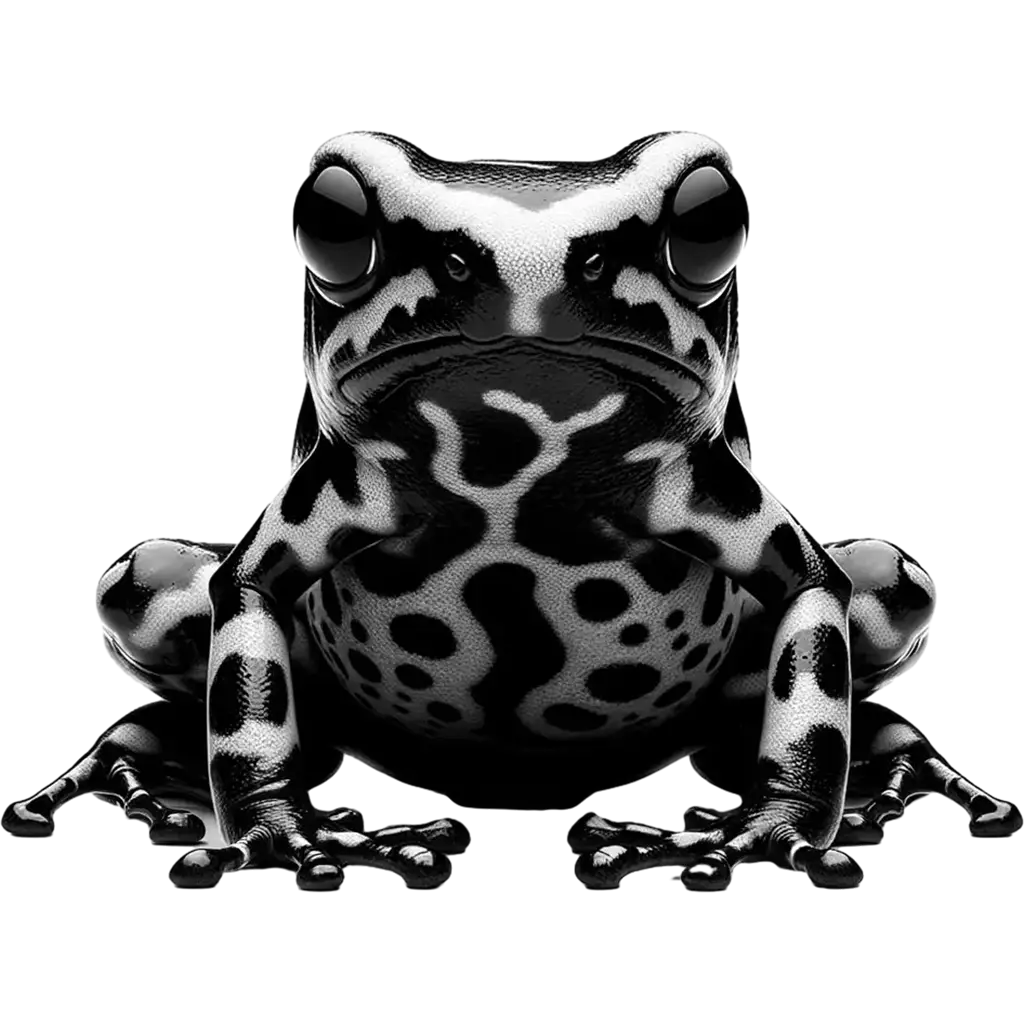
The Strawberry Poison-Dart Frog, oophaga pumilio, is a small yet vibrantly colored amphibian native to Central America, specifically found in humid lowlands from Nicaragua to Panama. This species is renowned for its striking appearance, typically bright red or blue with black markings, although coloration can vary significantly across different populations,
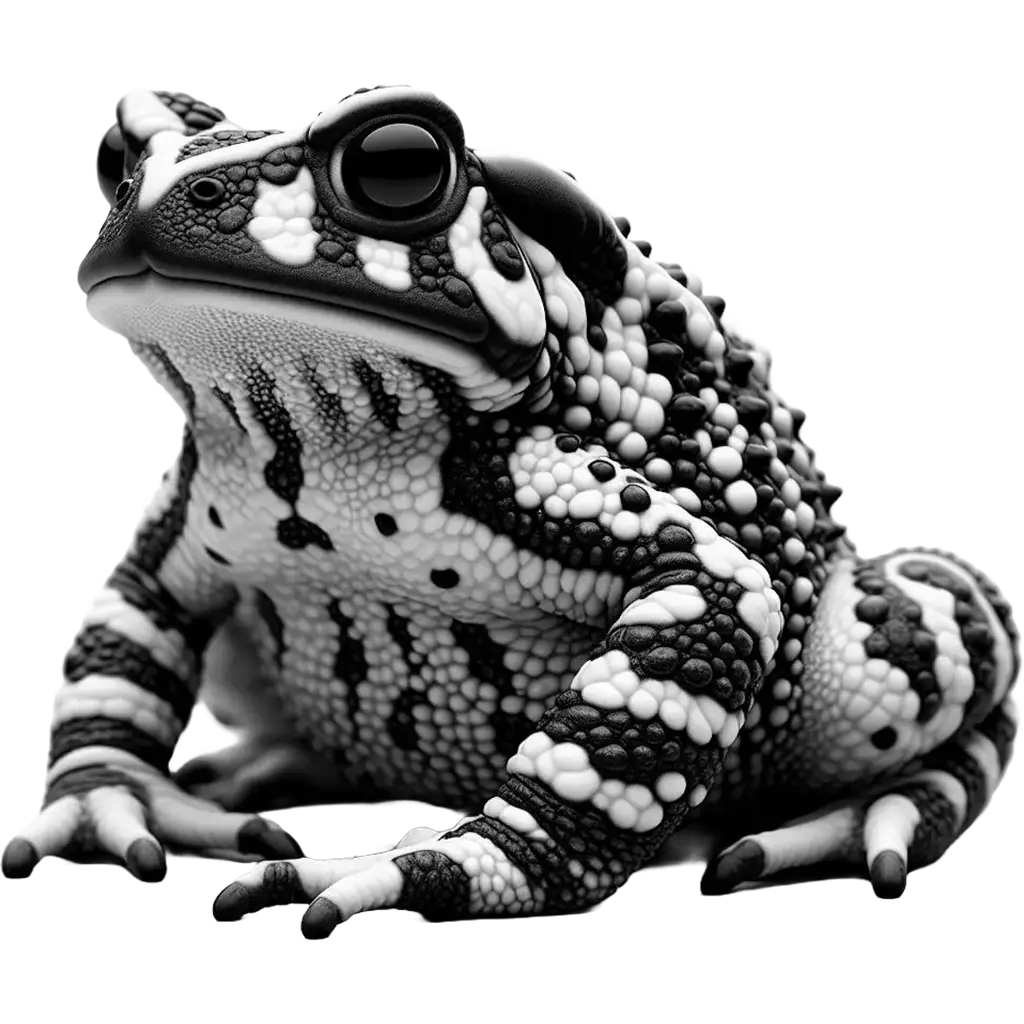
The Gray Treefrog, Dryophytes versicolor, is a small, adaptable amphibian native to much of the eastern United States and parts of Canada. This species is renowned for its remarkable ability to change color from gray to green, depending on its environment and activity, aiding in camouflage among trees and foliage.