

Oophaga Pumilio
Strawberry Poison-Dart Frog
Tropical rainforests, often near water sources
The Strawberry Poison-Dart Frog, oophaga pumilio, is a small yet vibrantly colored amphibian native to Central America, specifically found in humid lowlands from Nicaragua to Panama. This species is renowned for its striking appearance, typically bright red or blue with black markings, although coloration can vary significantly across different populations, resulting in over 15 recognized color morphs. Adults are diminutive, measuring just 2 to 2.5 cm in length, but their vivid colors serve as a warning to predators about their toxicity. The poison-dart frog's skin secretes alkaloid toxins that can deter predators, a defense mechanism derived from their diet.
| Population: | Listed as Least Concern, but habitat loss and pollution are threats |
| Generation Length: | 1-2 years |
| Average Weight: | Approximately 3-4 grams |
| Average Length: | 2-2.5 cm |
| Lifespan: | 4-8 years in the wild |
| Diet: | Insectivorous, relying on a diet of small insects and arthropods |
| Conservation Status: | Least Concern (LC) |
Strawberry Poison-Dart Frogs inhabit tropical rainforests, thriving in the moist underbrush near water sources. They are diurnal, spending their days foraging for food and engaging in social interactions. The species is territorial, with both males and females aggressively defending their feeding and breeding territories. These frogs are adept climbers, often found in low vegetation but return to the ground for mating and laying eggs.
The diet of Oophaga pumilio primarily consists of small insects and arthropods, including ants, mites, and small beetles, which contribute to the frogs' toxic defense. The ingestion of particular arthropods allows these frogs to sequester toxins in their skin, which deters predators. This specialized diet underscores the intricate relationship between diet, defense mechanisms, and habitat.
Reproduction in Strawberry Poison-Dart Frogs involves unique parental care behaviors. Females lay their eggs on land, and upon hatching, the tadpoles are transported on the backs of their parents to water-filled bromeliads, where they continue their development. Females regularly visit the tadpoles to lay unfertilized eggs as a food source, a behavior known as trophic egg-feeding.
The population of Strawberry Poison-Dart Frogs is considered stable in protected areas but faces threats from habitat destruction and the illegal pet trade. Conservation efforts focus on habitat preservation and regulating trade to ensure the survival of this and other poison-dart frog species. Their ecological role as both predator and prey, as well as their contribution to the biodiversity of tropical rainforests, highlights the importance of conserving their natural habitats.
Classifications
The Key Attributes
Features
- Movement:
Hopping
- Territorial Behavior:
Solitary and territorial, especially males during breeding season
- Speed:
Quick and agile, capable of rapid movement to escape predators
- Diet:
Insectivore
- Physical Features:
- Small size with a brightly colored body
- Sticky toe pads for climbing vegetation
- Variation in coloration, often red with blue or black legs
- Toxic skin secretions as a defense mechanism
- Primary Senses:
- Sight
- Hearing
- Chemical sensing
Understanding Habitat and Range
Geography
- Habitat:
Tropical rainforests, often near water sources
- Migration Patterns:
Non-migratory, with limited home ranges
- Geographical Range:
Central America, particularly in Costa Rica and Nicaragua
- Climate Preferences:
Prefers humid, tropical environments
Navigating the Wilderness
In the wild
- Predators:
Birds, snakes, and larger amphibians
- Prey:
Small invertebrates, especially ants and mites
- Feeding Behavior:
Feeds on small insects, ants, and termites
- Diet:
Insectivorous, relying on a diet of small insects and arthropods
- Defensive Mechanisms:
- Toxic skin secretions that deter predators
- Bright coloration as a warning of toxicity
- Preferred Food Sources:
- Leaf litter and understory vegetation rich in small invertebrates
Insights Into Reproduction
Mating
- Mating System:
Monogamous
- Number of Offspring:
3-5 eggs per clutch
- Incubation Period:
The female regularly visits the eggs to moisten them with water until hatching
- Parental Involvement:
- Females lay eggs in leaf litter and males guard them; females transport tadpoles to water-filled bromeliads or other water bodies
Youngsters Section
Strawberry Poison-Dart Frog
Fun Fact
The strawberry poison-dart frog is known for its bright red body and blue legs.
These frogs are not just eye-catching; their vivid coloration serves as a warning to predators about their toxicity. They derive toxins from their diet of ants and other small insects, making them poisonous to potential threats. Their toxicity varies depending on their diet and environment.

Download word search puzzles
Word Search Puzzles


Check Out Other Amphibians

The Axolotl, ambystoma mexicanum, is an intriguing species of salamander known for its unique ability to retain juvenile features throughout its adult life, a condition known as neoteny. Unlike most amphibians, Axolotls do not undergo a complete metamorphosis and instead remain aquatic and gilled. They typically grow to about 15

Rhinella stanlaii is a small toad characterized by its rough, warty skin and robust, compact body. It exhibits a natural mosaic of brown and green hues, with prominent parotoid glands and dark, expressive eyes that enhance its rugged appearance. Its textured skin and subtle coloration allow it to blend into

The Cuban Spotted Toad is a robust amphibian with a mottled, warty skin that displays an array of brown and green spots, offering excellent camouflage against the forest floor. Its broad, rounded head and short, sturdy limbs give it a compact build, while its small, recessed eyes and subtle facial
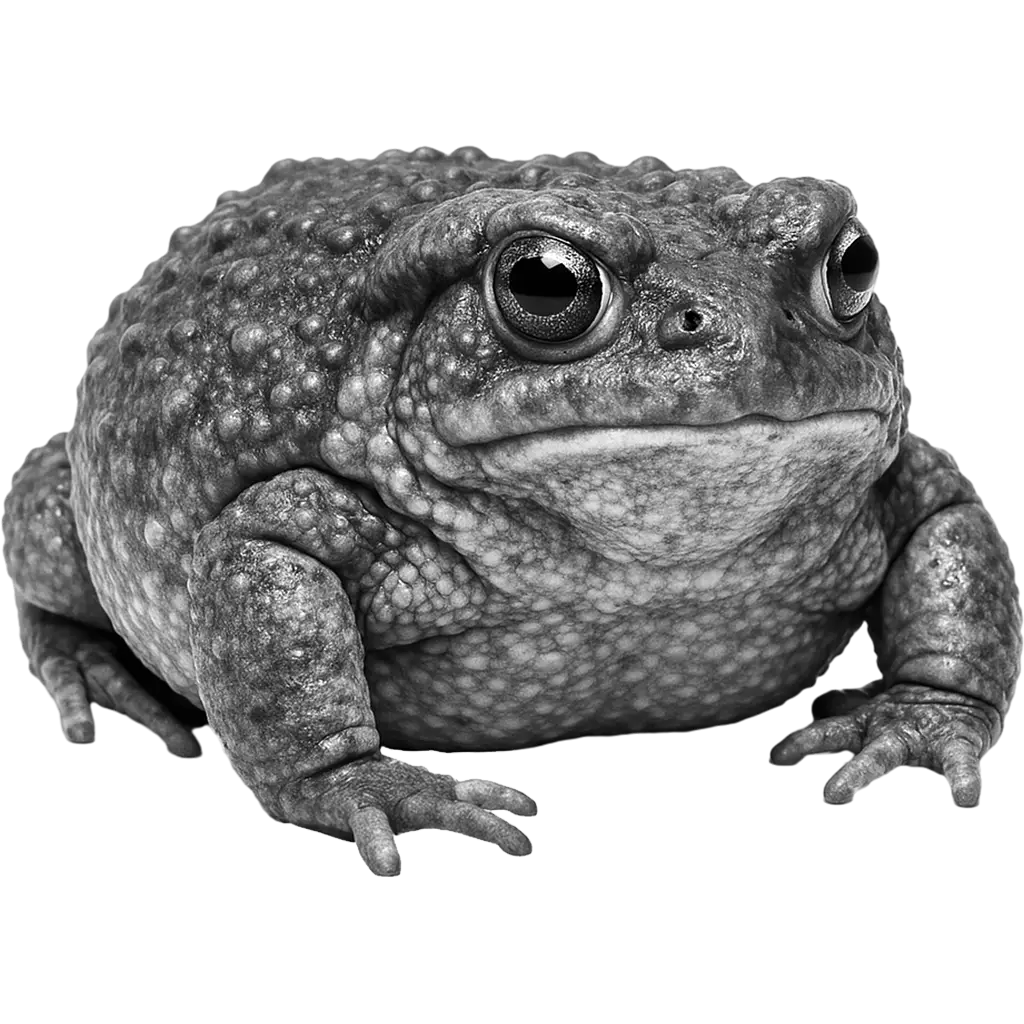
The Fat Toadlet possesses a noticeably plump body with smooth, moist skin that exhibits a subtle blend of olive and brown tones. Its large, round eyes and compact frame give it an endearing appearance while its short, sturdy limbs support rapid hops across damp surfaces. The textured skin, occasionally marked