
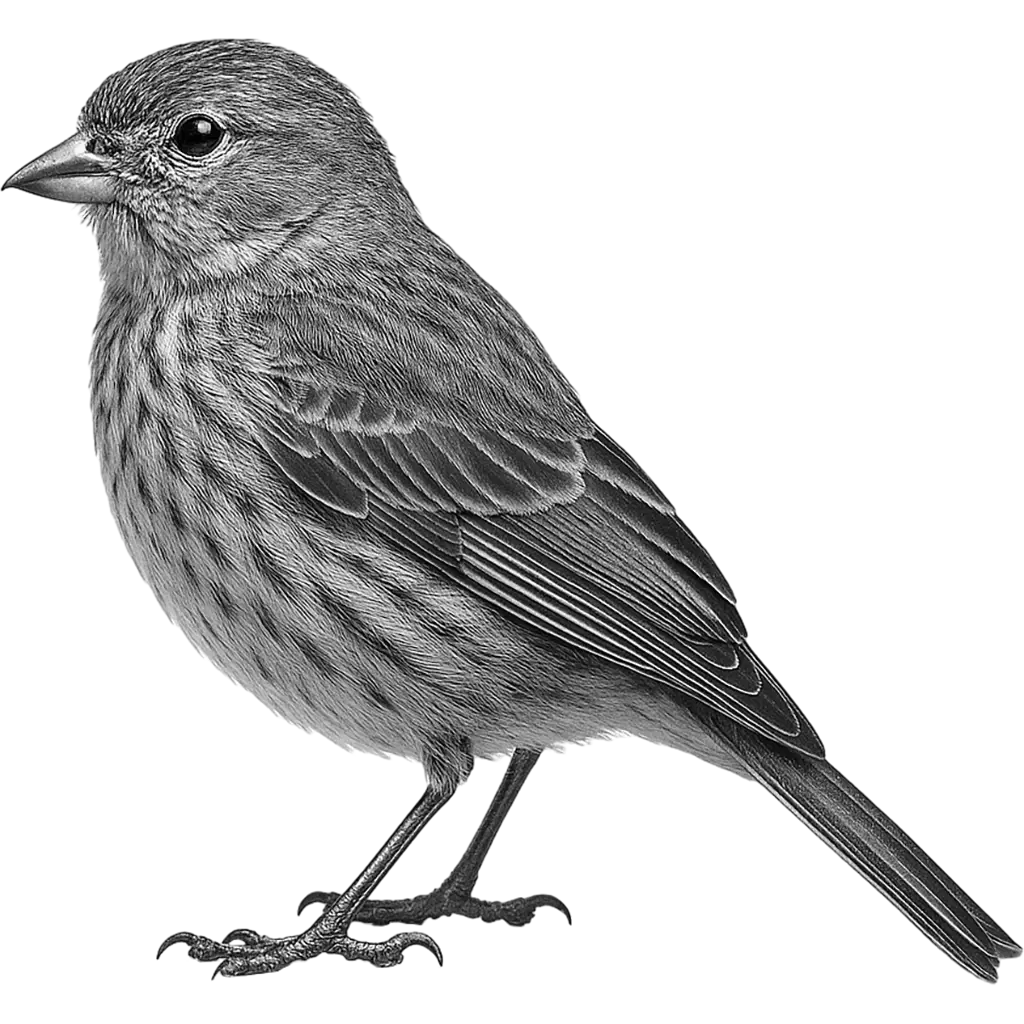
Crithagra Symonsi
Drakensberg Siskin
Montane grasslands and shrublands in high-altitude regions
The Drakensberg Siskin features a slender, agile body adorned with soft, muted plumage in shades of olive, gray, and hints of yellow. Its pointed beak and keen eyes complement a delicate facial structure. The bird's wings are streamlined for quick, nimble flight, and subtle streaks of color mark its chest and flanks. The overall appearance conveys both elegance and resilience, perfectly adapted to life in rugged, high-altitude environments. Notably, its graceful silhouette and subtle coloration reflect its evolutionary adaptation to rocky terrains.
| Population: | Stable in isolated high-altitude regions with resilient, localized flock numbers |
| Generation Length: | 1-2 years |
| Average Weight: | 15-20 g |
| Average Length: | 12-15 cm |
| Lifespan: | 5-7 years in the wild, up to 10 years in captivity |
| Diet: | Seeds and small invertebrates |
| Conservation Status: | Least Concern (LC) |
The Drakensberg Siskin is an active and social bird typically seen foraging in small flocks across the rugged highlands. It spends much of its day searching for food among alpine shrubs and grassy slopes, often moving with swift, coordinated flight that demonstrates remarkable teamwork. The species is highly alert, using its sharp eyesight to scan for predators while it hops along rocky perches. It also engages in frequent vocal communications that help maintain group cohesion. Besides foraging, this siskin participates in playful aerial displays and short-distance chases that are common among flock members. Its daily routines include resting during the cooler hours of the morning and late afternoon, conserving energy for bursts of intense activity when conditions are most favorable, particularly during sunny intervals on clear mountain days.
This species primarily feeds on a variety of seeds, berries, and small invertebrates found in its montane habitat. The Drakensberg Siskin employs a foraging technique where it carefully inspects the ground and low vegetation to pick off food items with precision. Its bill is ideally shaped to crack open hard seeds while also nipping tender insects and larvae. In periods of abundant seed production, its diet shifts predominantly towards seeds, while during less fruitful times, the bird supplements its intake with insects to meet its protein requirements. This versatile feeding strategy not only ensures a well-rounded nutritional profile but also aids in the dispersal of various plant species. Regular foraging behavior and a high metabolic rate require consistent, frequent meals, enabling the siskin to maintain energy levels essential for its high-altitude lifestyle.
During the breeding season, the Drakensberg Siskin engages in energetic courtship displays. Males perform aerial maneuvers and emit rapid, chirping calls to attract females. Pair bonds quickly form as both partners engage in synchronized feeding and nesting behaviors. Their brief yet intense mating rituals ensure that genetic diversity is maintained within the flock. Males also showcase subtle color flashes during short bursts of flight, further enticing prospective females.
The Drakensberg Siskin is found in isolated high-altitude regions where populations are generally stable. Although environmental challenges such as severe weather and habitat disturbance exist, localized flock numbers tend to remain resilient. Occasional fluctuations in population density are observed seasonally, yet overall, the species enjoys a steady presence in its native montane habitats. Continuous research and conservation initiatives support the persistence of healthy numbers across its limited range.
Classifications
The Key Attributes
Features
- Movement:
Flight
- Territorial Behavior:
Often forms small flocks with mild territoriality
- Speed:
Moderate
- Diet:
Seeds and insects
- Physical Features:
- Delicate, slender body
- Muted olive and gray plumage
- Pointed beak
- Keen, alert eyes
- Primary Senses:
- Sight
- Hearing
Understanding Habitat and Range
Geography
- Habitat:
Montane grasslands and shrublands in high-altitude regions
- Migration Patterns:
Non-migratory, with local movements
- Geographical Range:
Restricted to the Drakensberg mountains
- Climate Preferences:
Cool, temperate, high-altitude conditions
Navigating the Wilderness
In the wild
- Predators:
Hawks, snakes, and terrestrial mammals
- Prey:
Seeds and small invertebrates
- Feeding Behavior:
Forages on low vegetation and ground surfaces
- Diet:
Seeds and small invertebrates
- Defensive Mechanisms:
- Rapid flight
- Camouflage in rugged terrain
- Preferred Food Sources:
- Various seeds
- Tiny insects
Insights Into Reproduction
Mating
- Mating System:
Monogamous
- Number of Offspring:
3-5 eggs
- Incubation Period:
12-14 days
- Parental Involvement:
- Both parents feed and care for the chicks
Youngsters Section
Drakensberg Siskin
Fun Fact
Drakensberg Siskins are agile flyers with subtle, earthy tones that help them blend into rugged mountain habitats.
These small birds play a significant role in their ecosystem by aiding in seed dispersal and controlling insect populations. Observers appreciate their lively, chirpy calls and the intricate social behaviors they display while foraging in flocks, making them a favorite among birdwatchers in high-altitude regions.

Download word search puzzles
Word Search Puzzles


Check Out Other Birds
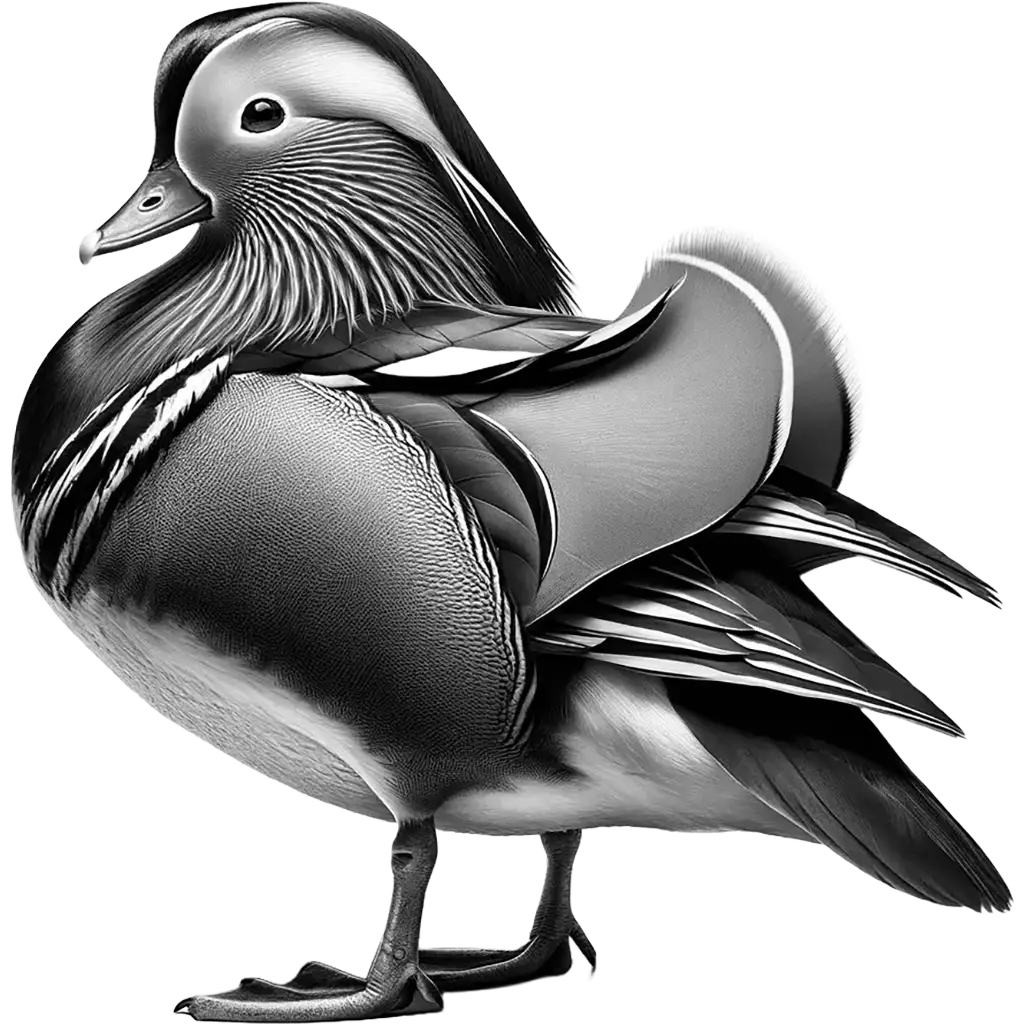
The Mandarin Duck, aix galericulata, is a small, strikingly colored waterfowl native to East Asia. The male, known for its vibrant plumage during the breeding season, displays an array of colors including metallic greens, blues, and oranges, complemented by distinctive white eye-stripes and a reddish face. The female is more
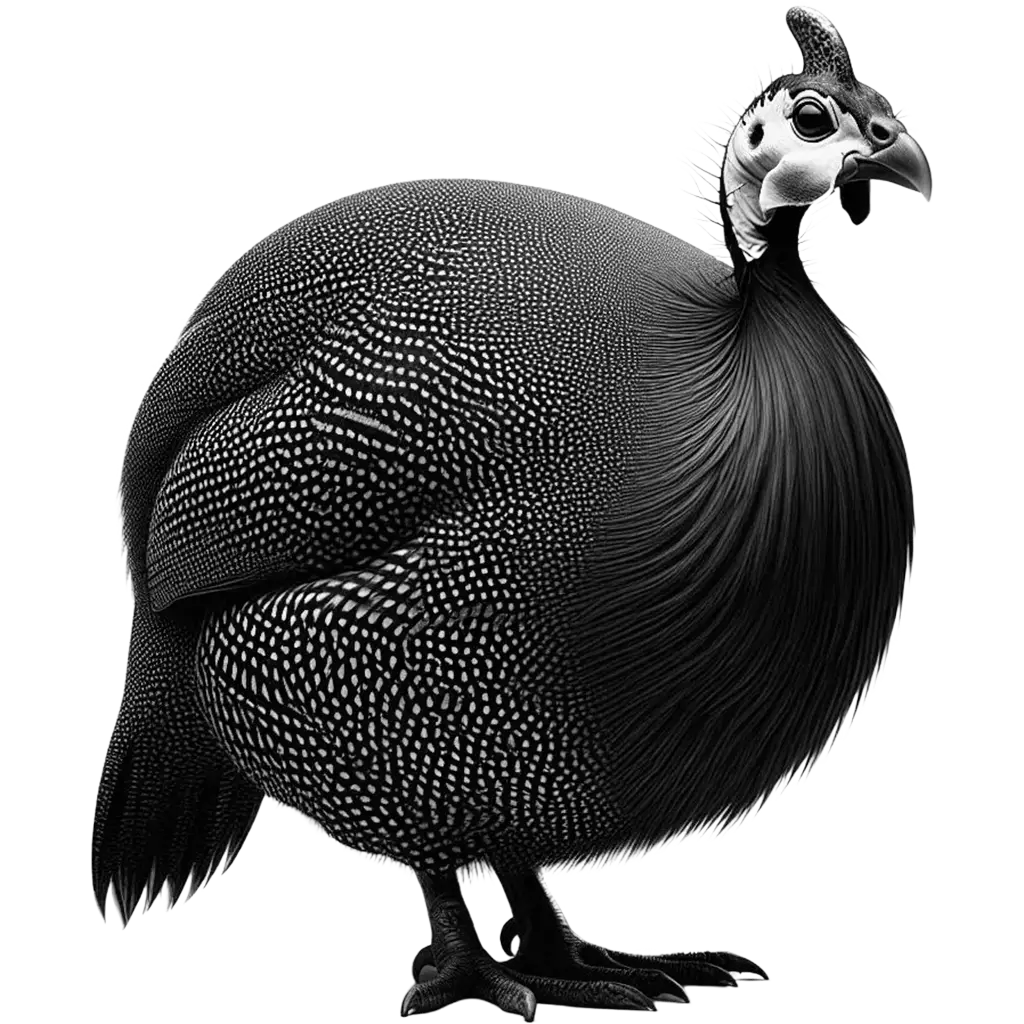
The Black Guineafowl, agelastes niger, is a rare and elusive bird species found in the dense rainforests of West and Central Africa, particularly in regions stretching from Sierra Leone to Ghana and extending to the Congo Basin. This species is distinguished by its entirely black plumage, which contrasts with its
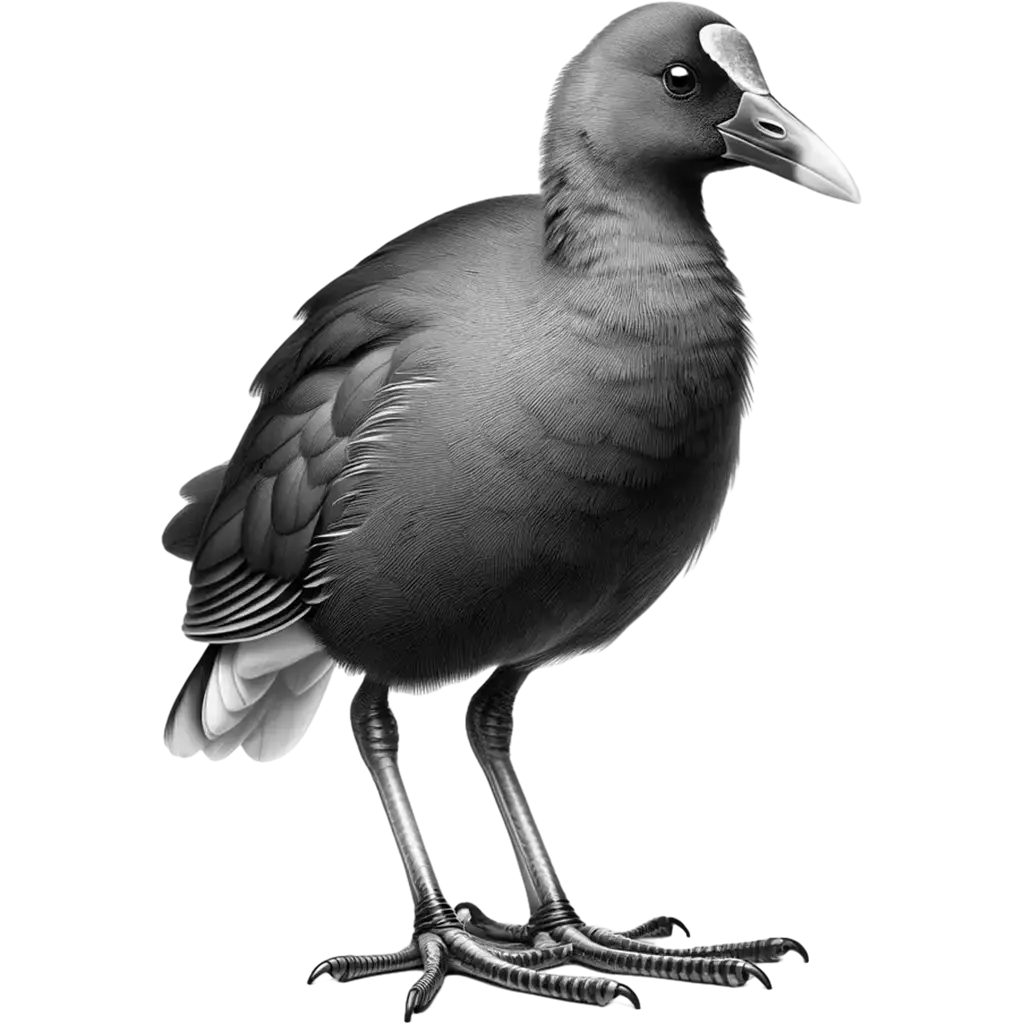
The Western Swamphen, porphyrio porphyrio, is a large, striking waterbird that belongs to the rail family. It is known for its vibrant plumage, predominantly a deep blue-purple with a green back and wings, and a distinctive red bill and frontal shield that make it unmistakable. The bird's legs are long
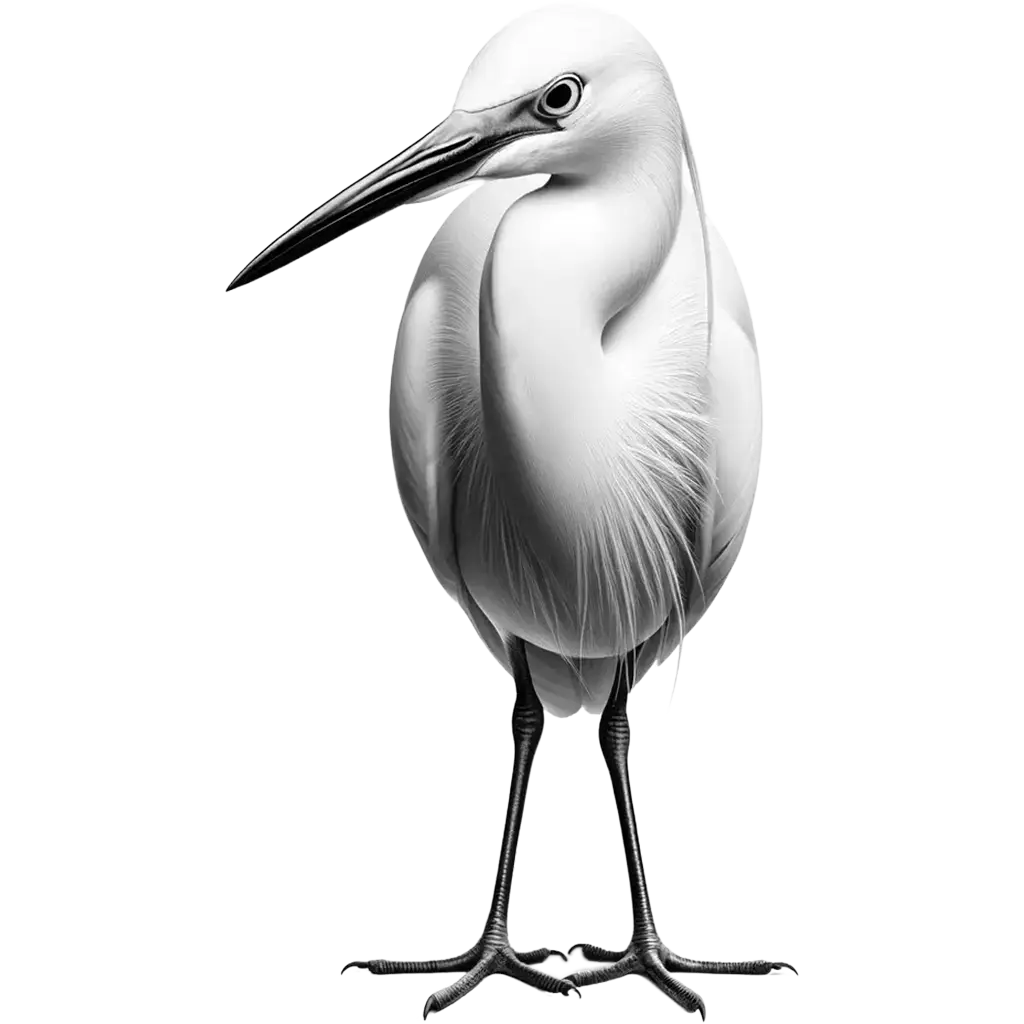
The Little Egret, egretta garzetta, is a small, graceful heron renowned for its brilliant white plumage, slender black bill, and long black legs, with distinctive yellow feet. Measuring approximately 55 to 65 cm in length with a wingspan of 88 to 106 cm, this bird possesses an elegant neck and