
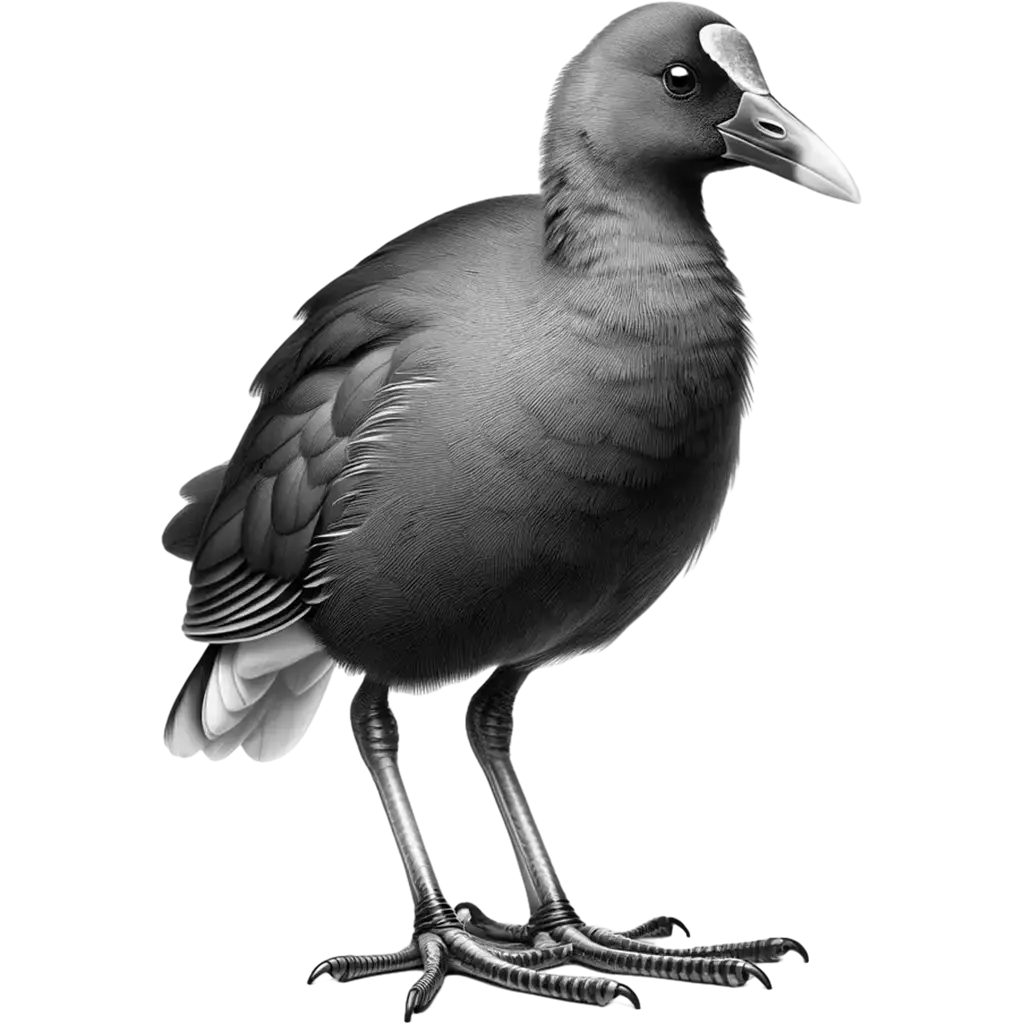
Porphyrio Porphyrio
Western Swamphen
Wetlands, marshes, and reed beds
The Western Swamphen, porphyrio porphyrio, is a large, striking waterbird that belongs to the rail family. It is known for its vibrant plumage, predominantly a deep blue-purple with a green back and wings, and a distinctive red bill and frontal shield that make it unmistakable. The bird's legs are long and bright red, supporting its sizeable body which can reach up to 50 cm in length. Swamphens are adept at moving through dense wetland vegetation, thanks to their long toes that distribute their weight and prevent sinking.
| Population: | Listed as Least Concern, with stable populations |
| Generation Length: | 4-5 years |
| Average Weight: | 0.7-1.7 kg |
| Average Length: | 40-50 cm |
| Lifespan: | Up to 20 years in the wild |
| Diet: | Feeds on a mix of aquatic plants, seeds, insects, and small vertebrates |
| Conservation Status: | Least Concern (LC) |
Native to the wetlands of Europe, North Africa, and parts of Asia, the Western Swamphen prefers habitats with abundant reeds and water plants, such as marshes, lagoons, and lake edges. These environments provide both the cover and the food resources necessary for their survival. Swamphens are highly territorial birds, often seen in small groups that defend their area vigorously against intruders.
The diet of the Western Swamphen is omnivorous but leans heavily towards plant material, including reeds, shoots, and leaves. They also consume insects, snails, and small fish, showcasing their opportunistic feeding habits. Their feeding contributes to the management of wetland vegetation, promoting a healthy and balanced ecosystem.
Reproduction in the Western Swamphen involves complex social structures, with groups often containing more than one breeding pair. They build large, bulky nests in the reeds, where several females may lay their eggs. The entire group cooperates in raising the young, from incubation to teaching the chicks to forage, illustrating a high degree of social cooperation.
The population of the Western Swamphen is considered stable in most of its range but faces threats from habitat destruction and wetland drainage. Conservation efforts are focused on protecting and restoring their natural habitats, ensuring the water quality and availability of dense vegetation for cover and feeding. The Western Swamphen's role in the ecosystem and its contribution to the biodiversity of wetlands underline the importance of these efforts for the conservation of wetland habitats.
Classifications
The Key Attributes
Features
- Movement:
Walking, swimming, flying
- Territorial Behavior:
Territorial during breeding season, otherwise sociable
- Speed:
Capable of quick movements through water and short flights
- Diet:
Omnivore
- Physical Features:
- Large bird with a robust body and long legs
- Vibrant blue and purple plumage with a red frontal shield and bill
- Long toes to walk on floating vegetation
- Strong flight capabilities but prefers to forage on the ground or in water
- Primary Senses:
- Sight
- Hearing
Understanding Habitat and Range
Geography
- Habitat:
Wetlands, marshes, and reed beds
- Migration Patterns:
Mostly sedentary, with some local movements
- Geographical Range:
Widely distributed across parts of Europe, Africa, and Asia
- Climate Preferences:
Temperate to tropical wetland environments
Navigating the Wilderness
In the wild
- Predators:
Large birds of prey, foxes, and large fish
- Prey:
Invertebrates, small fish, seeds, and green plant material
- Feeding Behavior:
Feeds on plant material, small aquatic animals, and insects, often foraging in shallow water or on land
- Diet:
Feeds on a mix of aquatic plants, seeds, insects, and small vertebrates
- Defensive Mechanisms:
- Uses dense reed beds for hiding and protection
- Strong legs for quick escape through water and thick vegetation
- Preferred Food Sources:
- Rich wetland ecosystems with abundant vegetation and small aquatic life
Insights Into Reproduction
Mating
- Mating System:
Monogamous or polygamous
- Number of Offspring:
3-6 eggs
- Incubation Period:
About 23-27 days
- Parental Involvement:
- Both parents typically involved in rearing the young
Youngsters Section
Western Swamphen
Fun Fact
The Western Swamphen is known for its striking purple-blue plumage and vibrant red bill and legs.
Often found in wetlands, it uses its strong feet to grasp and manipulate food. These birds are adept swimmers but prefer walking in shallow waters. Their diet includes plants, insects, and small fish. Social creatures, they often form small flocks and communicate through a variety of calls.

Download word search puzzles
Word Search Puzzles
Check Out Other Birds
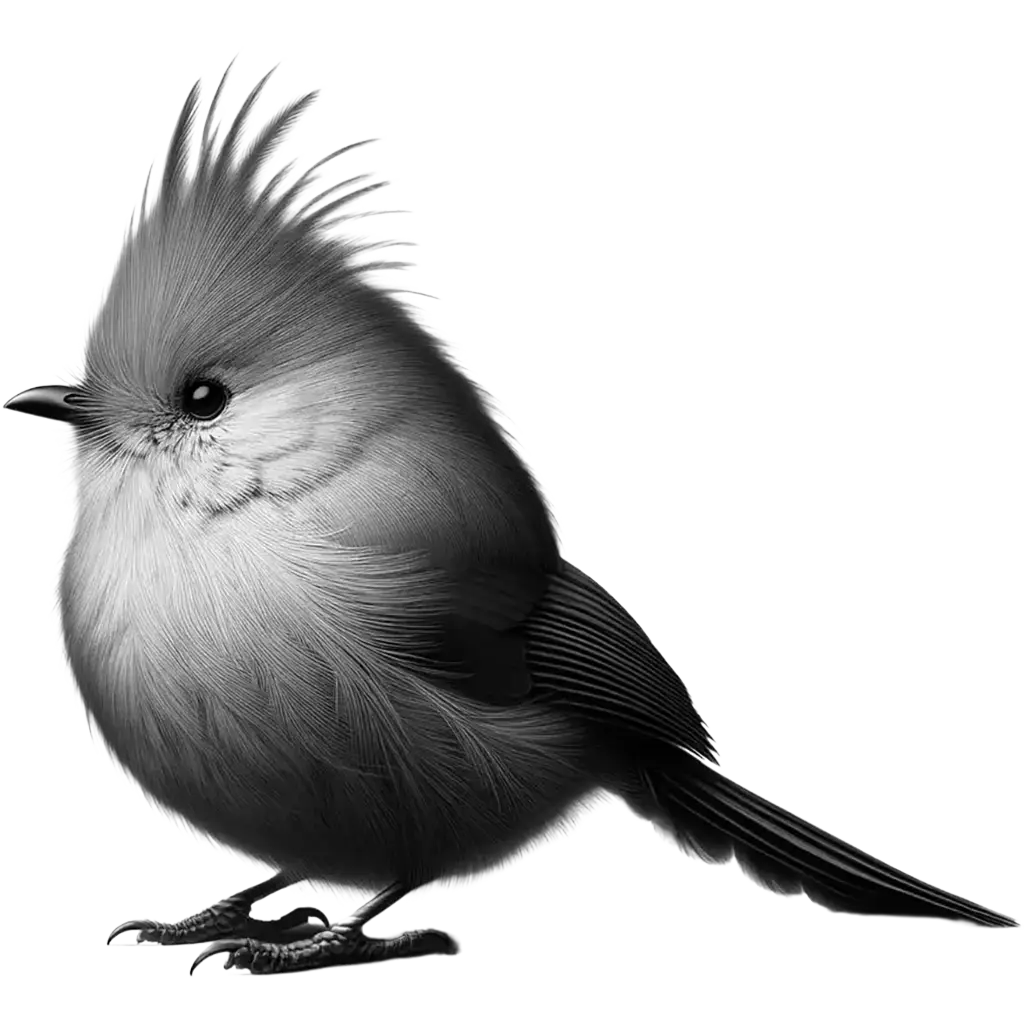
The Speckled Mousebird, colius striatus, is a distinctive bird species native to Sub-Saharan Africa, renowned for its long tail and soft, mouse-like plumage. Adults typically measure between 35 to 40 cm in length, more than half of which is comprised of the tail alone, making it one of the longest-tailed
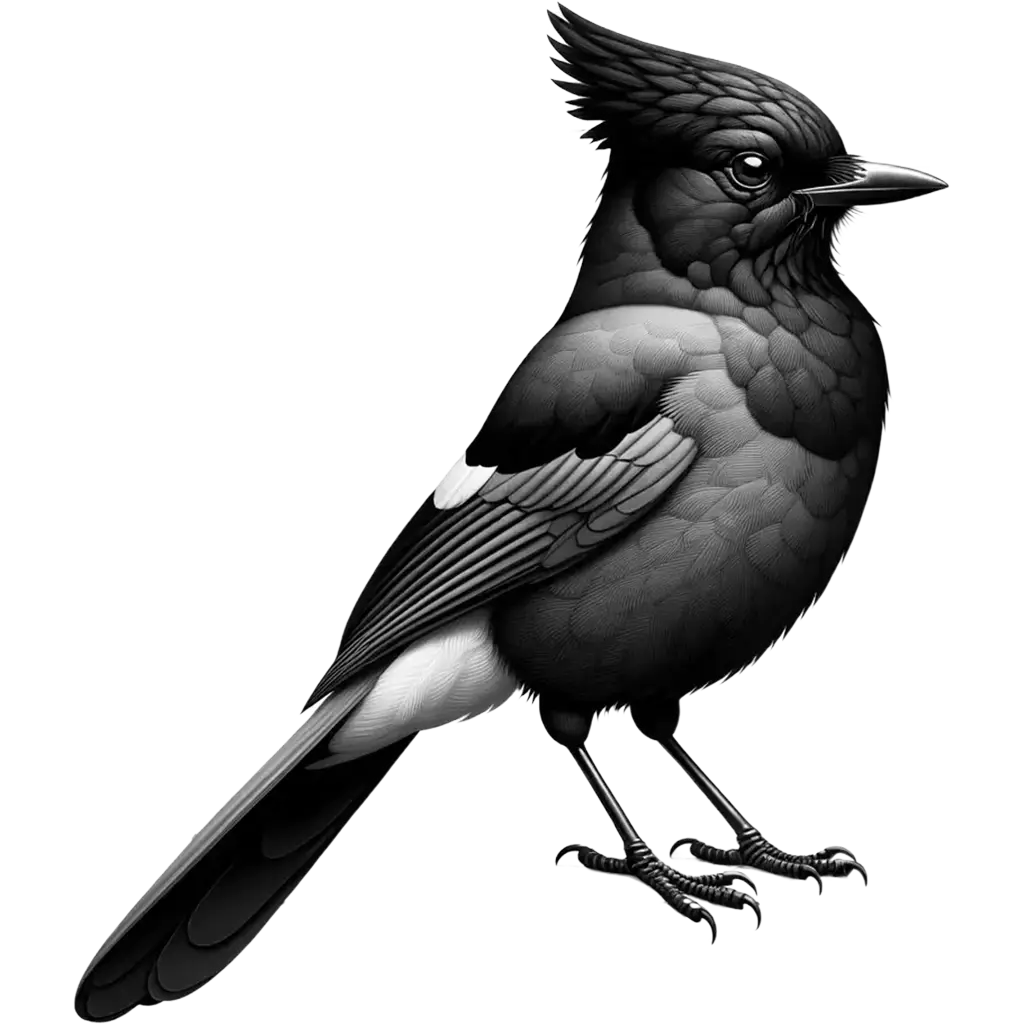
The Steller's Jay, cyanocitta stelleri, is a striking bird known for its vibrant blue plumage and distinctive black crest, which gives it a bold and expressive appearance. Adults typically measure about 30 to 34 cm in length, with a wingspan ranging from 44 to 49 cm. The species exhibits sexual
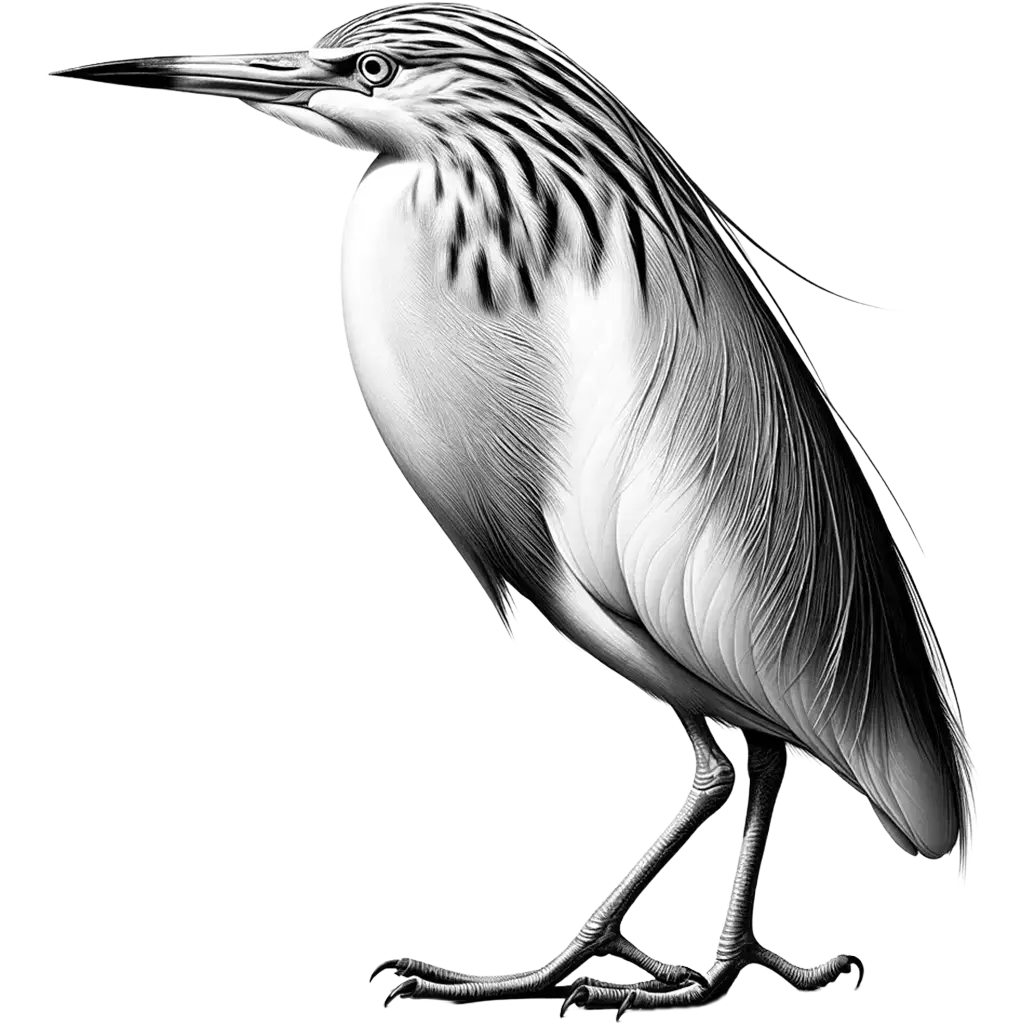
The Squacco Heron, ardeola ralloides, is a small, stocky wading bird known for its striking plumage and adaptability to a variety of wetland habitats. This heron stands approximately 40 to 50 cm tall, with a wingspan of about 80 to 92 cm. In breeding season, it boasts a rich, creamy
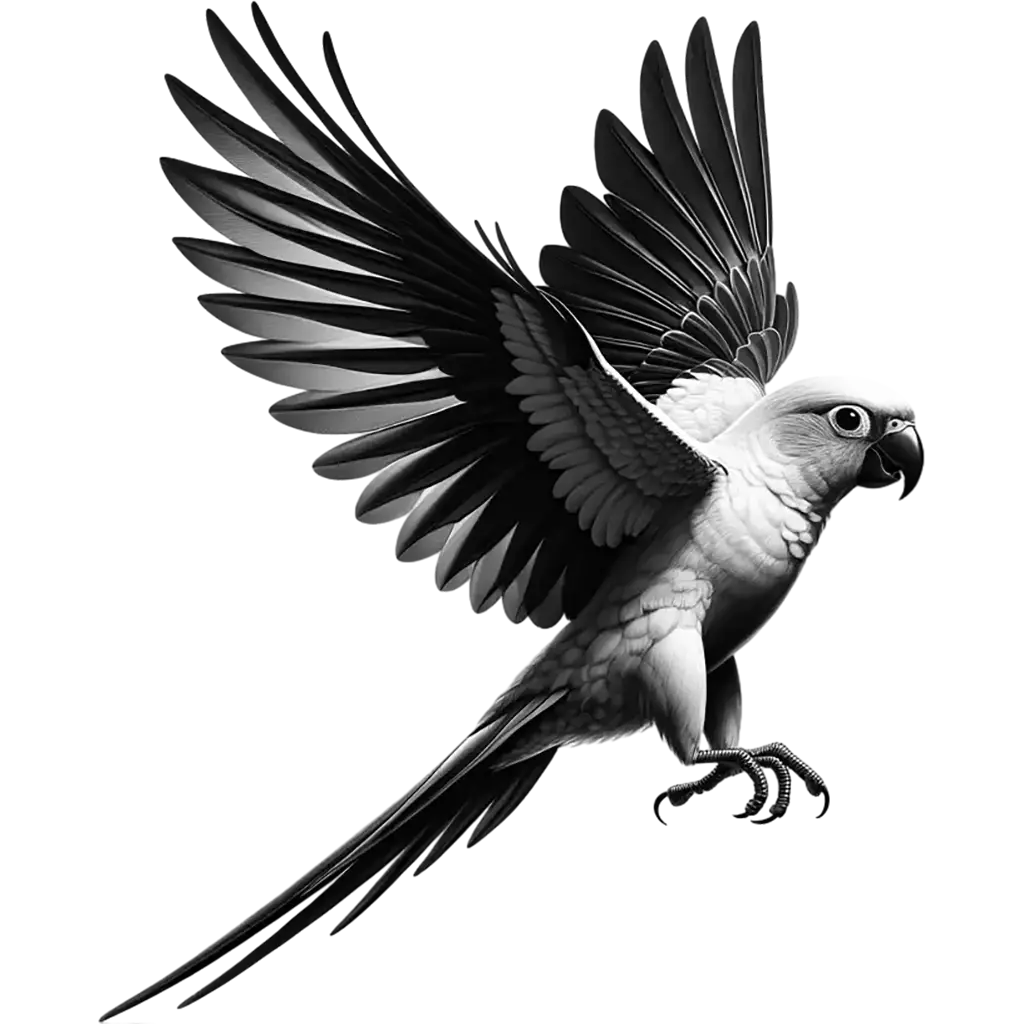
The Sun Conure, aratinga solstitialis, is a vibrant and highly social bird, celebrated for its stunning plumage and engaging personality. Adults typically reach a length of about 30 cm, including the tail, and weigh approximately 110 to 130 grams. The Sun Conure's feathers are a brilliant mix of yellow, orange,