
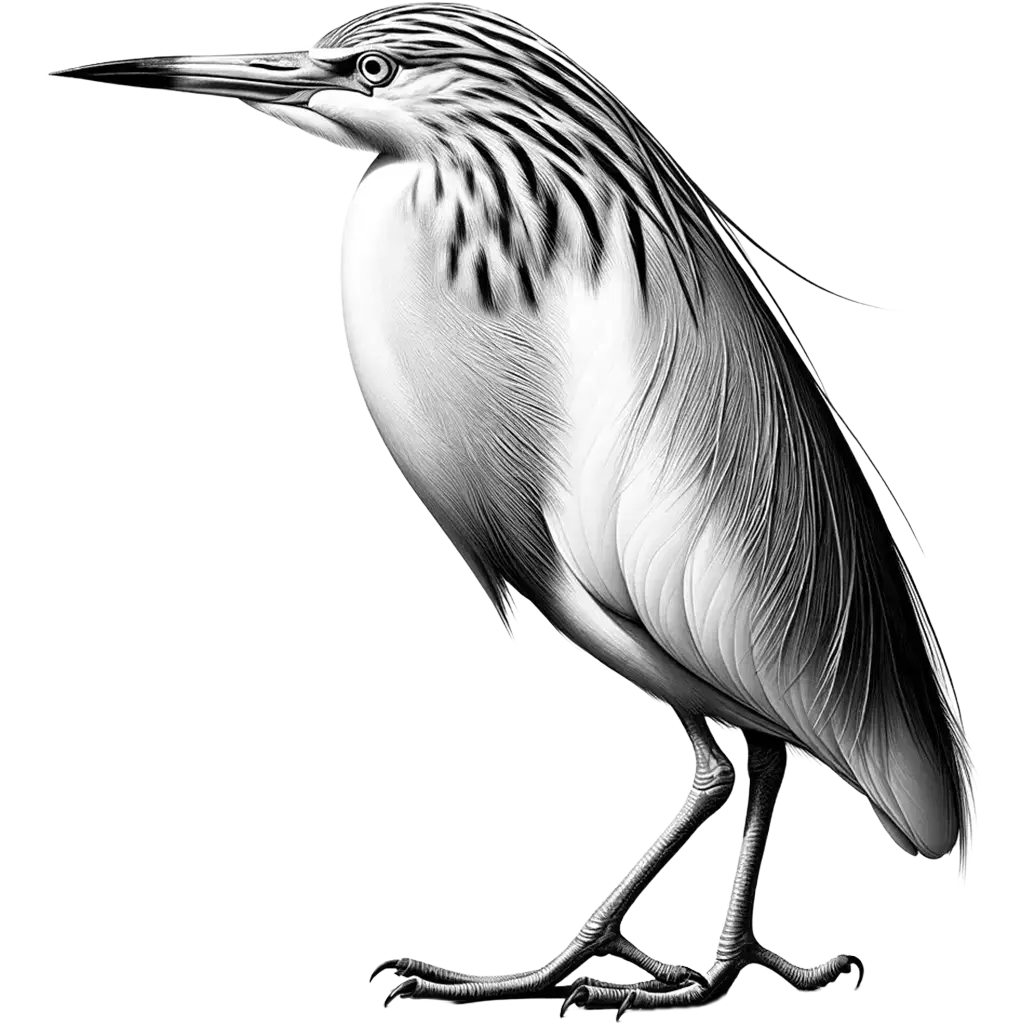
Ardeola Ralloides
Squacco Heron
Freshwater wetlands, marshes, rivers, and lakes with reed beds and other vegetation
The Squacco Heron, ardeola ralloides, is a small, stocky wading bird known for its striking plumage and adaptability to a variety of wetland habitats. This heron stands approximately 40 to 50 cm tall, with a wingspan of about 80 to 92 cm. In breeding season, it boasts a rich, creamy buff coloration with a distinctive blue beak and legs, and long, flowing feathers on the back of its head and neck. Outside the breeding season, its plumage becomes more subdued, blending seamlessly with the reeds and vegetation of its environment. Juveniles are paler, with less defined markings than adults.
| Population: | Listed as Least Concern, but dependent on wetland habitats which are threatened |
| Generation Length: | 4-5 years |
| Average Weight: | 250-350 grams |
| Average Length: | 40-50 cm |
| Lifespan: | 5-10 years in the wild |
| Diet: | Mainly piscivorous, but also eats a wide range of small aquatic animals |
| Conservation Status: | Least Concern (LC) |
Native to the wetlands of southern Europe, parts of the Middle East, and Africa, the Squacco Heron frequents marshes, lakes, rivers, and flooded fields. It prefers shallow waters where it can fish and hunt for a variety of aquatic prey. Highly migratory, it spends the winter months in sub-Saharan Africa, undertaking long journeys to reach its breeding grounds in the spring.
The diet of the Squacco Heron predominantly consists of fish, amphibians, crustaceans, and insects. It hunts by standing still or walking slowly, using its sharp beak to snatch prey from the water. This heron plays an important role in controlling the populations of these aquatic organisms, contributing to the ecological balance of its habitats.
Reproduction for the Squacco Heron involves the construction of nests in dense vegetation or reed beds, often as part of a mixed-species colony. The female typically lays 3 to 4 eggs, which both parents incubate. Chicks are altricial, requiring several weeks of care before they are ready to fledge. The communal nesting sites provide some protection against predators, though the nests are vulnerable to flooding and disturbance.
The population of the Squacco Heron is considered stable, though it faces threats from habitat loss, pollution, and climate change, which can alter the water levels and quality of its wetland habitats. Conservation efforts focus on protecting these critical areas through legislation, habitat management, and the establishment of protected reserves. The Squacco Heron's presence is often an indicator of the health of wetland ecosystems, highlighting the importance of conservation measures for these environments.
Classifications
The Key Attributes
Features
- Movement:
Flying, wading
- Territorial Behavior:
Somewhat territorial, especially during breeding season
- Speed:
Capable of quick, agile flight; slow and deliberate while foraging
- Diet:
Carnivore
- Physical Features:
- Small to medium size with a stocky build
- Short neck and relatively short legs for a heron
- Yellowish-brown plumage with a white and blue-grey back during breeding season
- Sharp bill for catching prey
- Primary Senses:
- Sight
- Hearing
Understanding Habitat and Range
Geography
- Habitat:
Freshwater wetlands, marshes, rivers, and lakes with reed beds and other vegetation
- Migration Patterns:
Migratory, with northern populations wintering in sub-Saharan Africa and southern Asia
- Geographical Range:
Europe, Asia, and Africa; breeds in southern and eastern Europe and parts of western Asia, winters in Africa
- Climate Preferences:
Prefers temperate to tropical climates, near wetlands
Navigating the Wilderness
In the wild
- Predators:
Larger birds of prey, mammals, and snakes
- Prey:
Small fish, amphibians, insects, and aquatic invertebrates
- Feeding Behavior:
Feeds in shallow water, catching fish, amphibians, insects, and crustaceans
- Diet:
Mainly piscivorous, but also eats a wide range of small aquatic animals
- Defensive Mechanisms:
- Camouflage among vegetation
- Still hunting strategy to catch prey
- Flight to escape threats
- Preferred Food Sources:
- Shallow wetlands rich in small aquatic prey and with dense vegetation for cover
Insights Into Reproduction
Mating
- Mating System:
Monogamous
- Number of Offspring:
3-5 eggs
- Incubation Period:
21-25 days
- Parental Involvement:
- Both parents involved in nest building, incubation, and feeding the chicks
Youngsters Section
Squacco Heron
Fun Fact
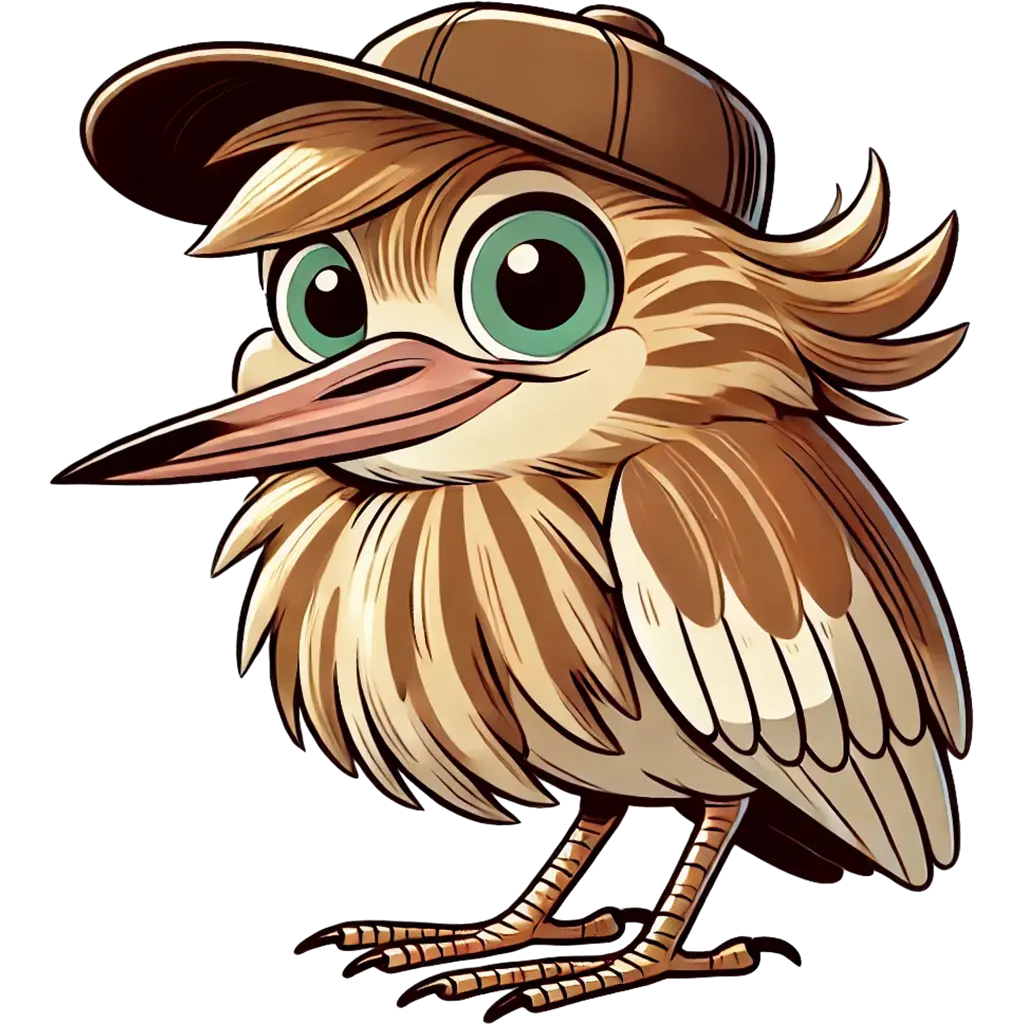
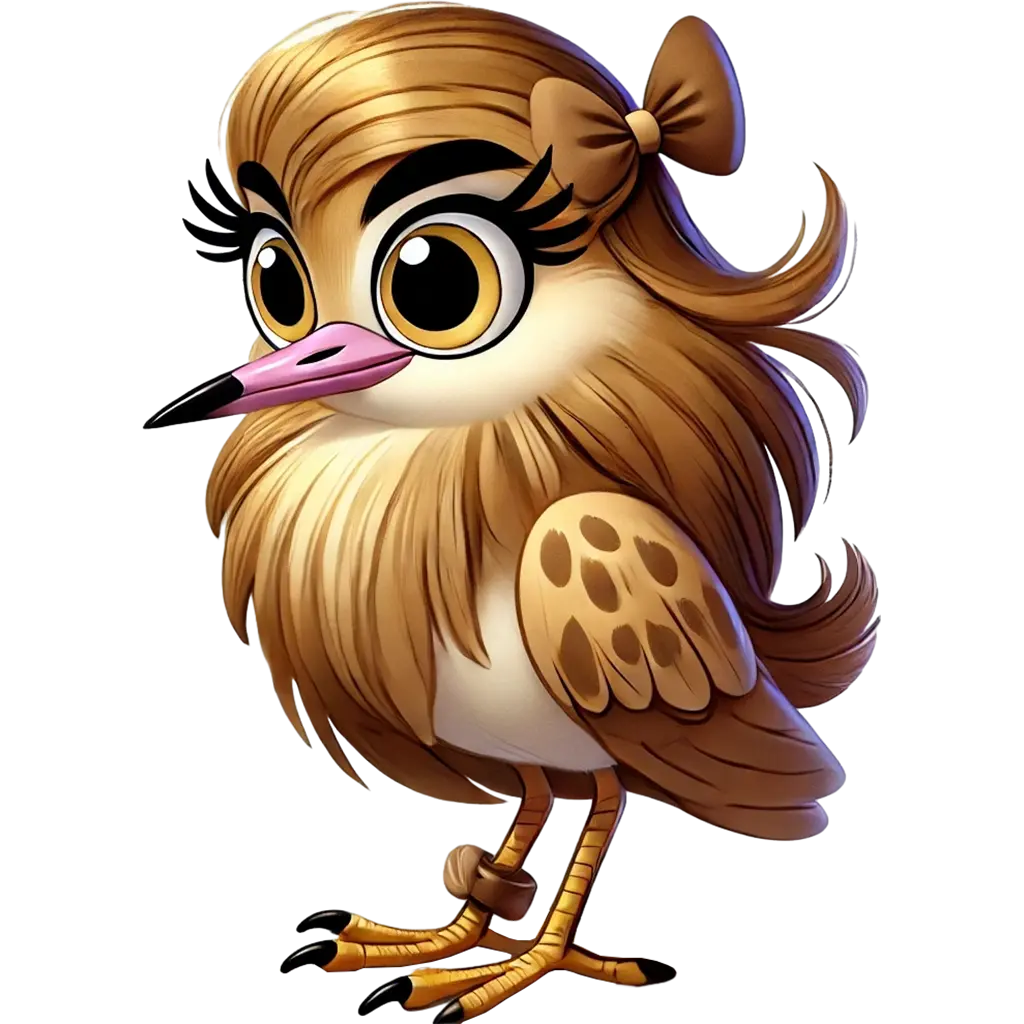
The Squacco Heron is a small heron with a striking golden-buff color during the breeding season.
This bird can be found in wetlands across Europe, Africa, and Asia. It is known for its remarkable transformation from a dull brown plumage to a bright, golden-buff color during the breeding season. The Squacco Heron is a patient hunter, often remaining still for long periods before striking at its prey, which mainly consists of fish and insects.

Download word search puzzles
Word Search Puzzles
Check Out Other Birds
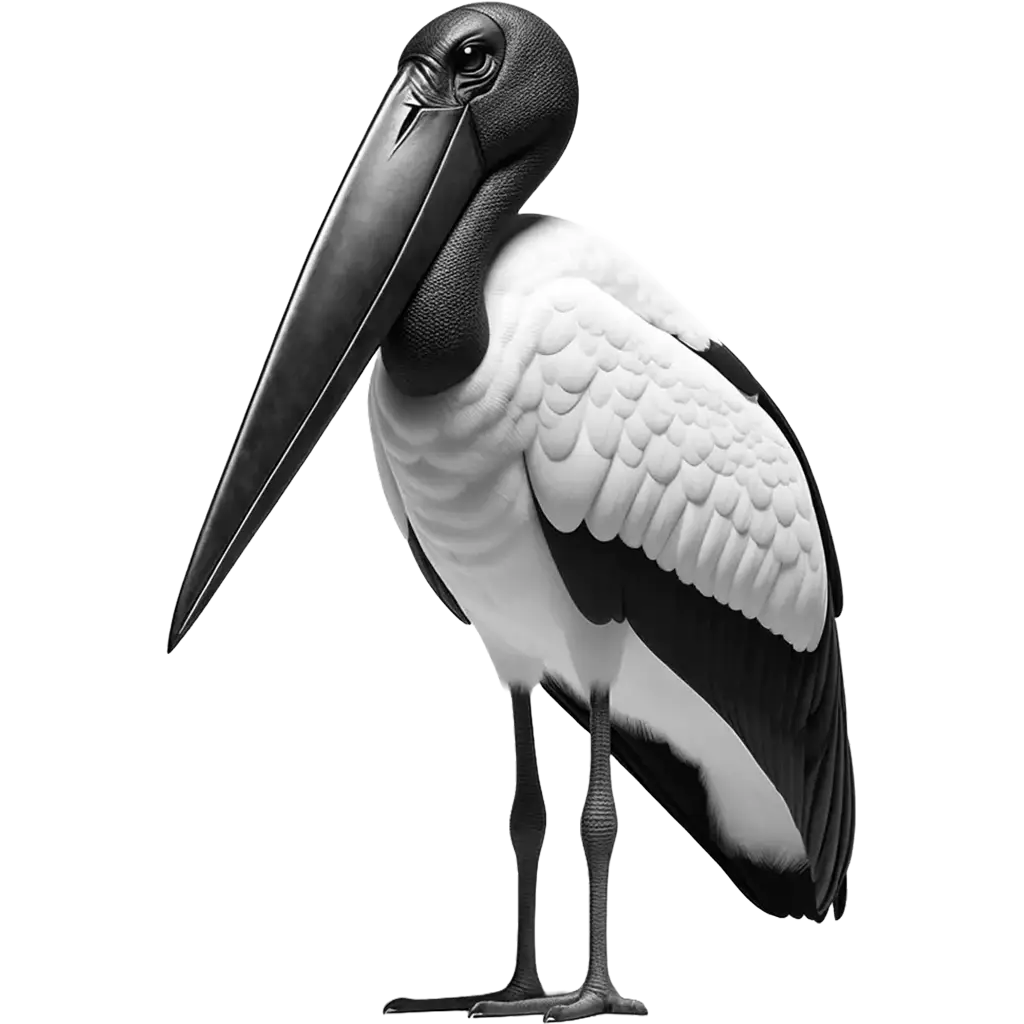
The Jabiru, Jabiru mycteria, is a majestic bird native to the Americas, particularly found from Mexico through Central America to Argentina in South America. It is the tallest flying bird found in its range, with adults standing up to 1.4 meters (4.5 feet) tall and boasting a wingspan that can
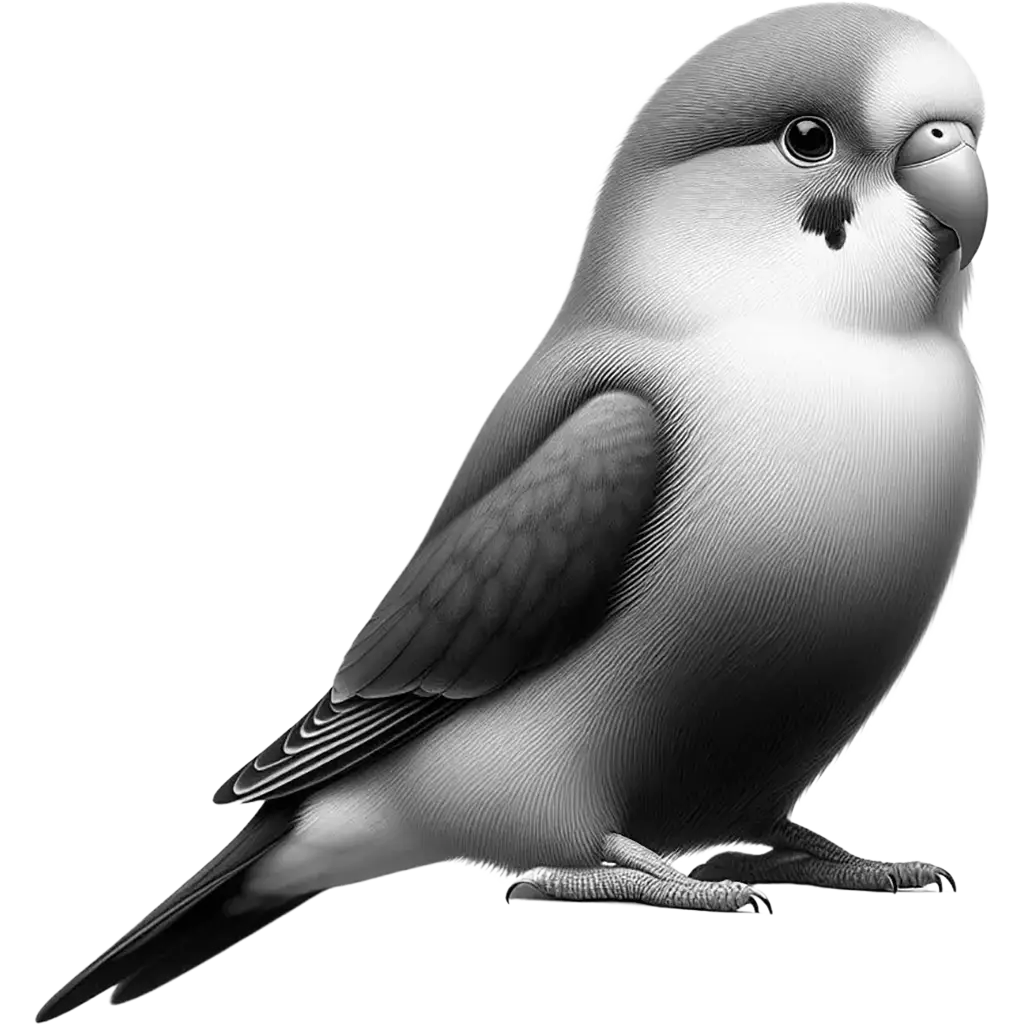
The Grey-headed lovebird, agapornis canus, also known as the Madagascar Lovebird, is a small parrot species native to Madagascar and the Comoros islands. This diminutive bird is notable for its distinctive sexual dimorphism; males boast a mostly grey head and neck, which sharply contrasts with their bright green body, while

The Barred Owl, Strix varia, is a large North American owl known for its distinctive hooting call, which sounds like 'Who cooks for you? Who cooks for you all?' This species has a rounded head with no ear tufts, deep brown eyes, and a mottled brown and white plumage that
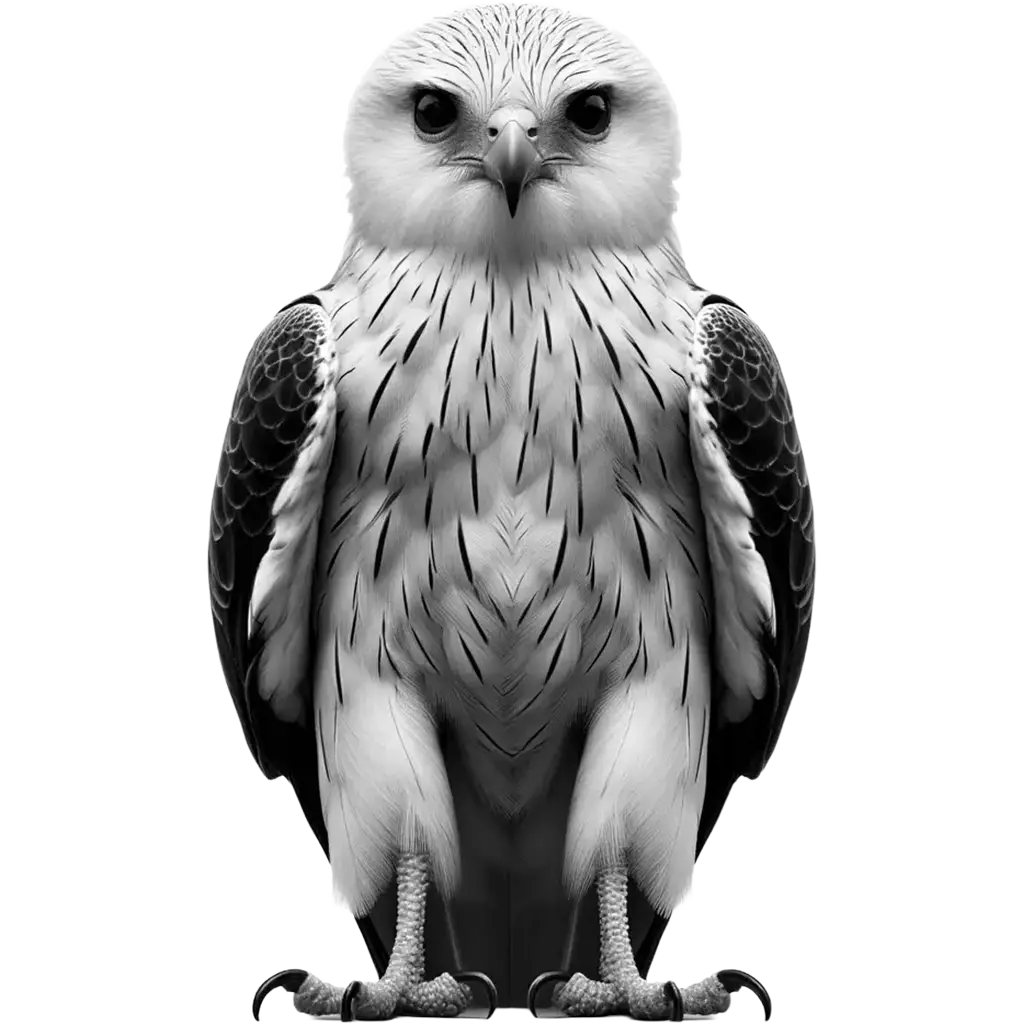
The Hook-Billed Kite, chondrohierax uncinatus, is a distinctive bird of prey, notable for its hooked beak adapted for feeding on snails and other hard-shelled prey. Adults typically exhibit a variation in plumage, ranging from dark gray to brownish or rufous, with lighter underparts often streaked or spotted. They have long,