
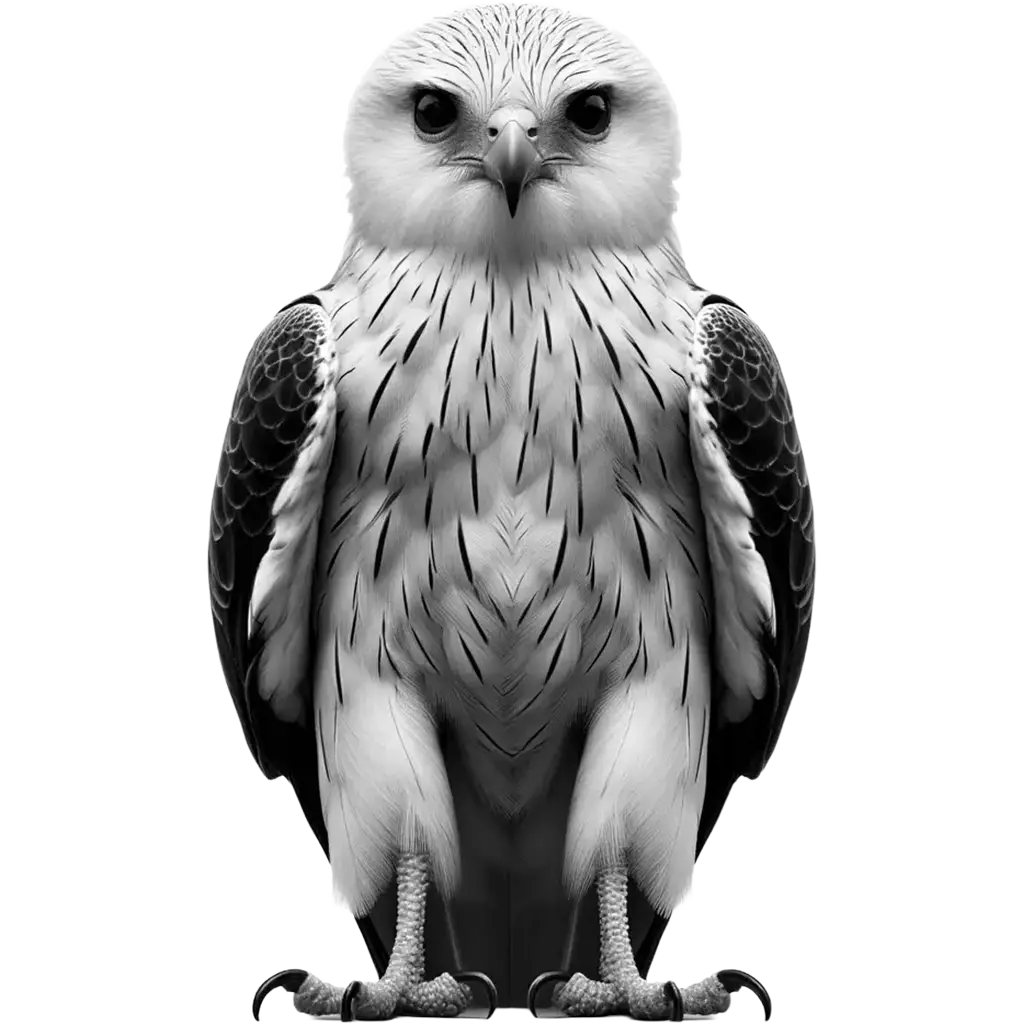
Chondrohierax Uncinatus
Hook-Billed Kite
Woodlands, forests, and swamps with abundant snail populations
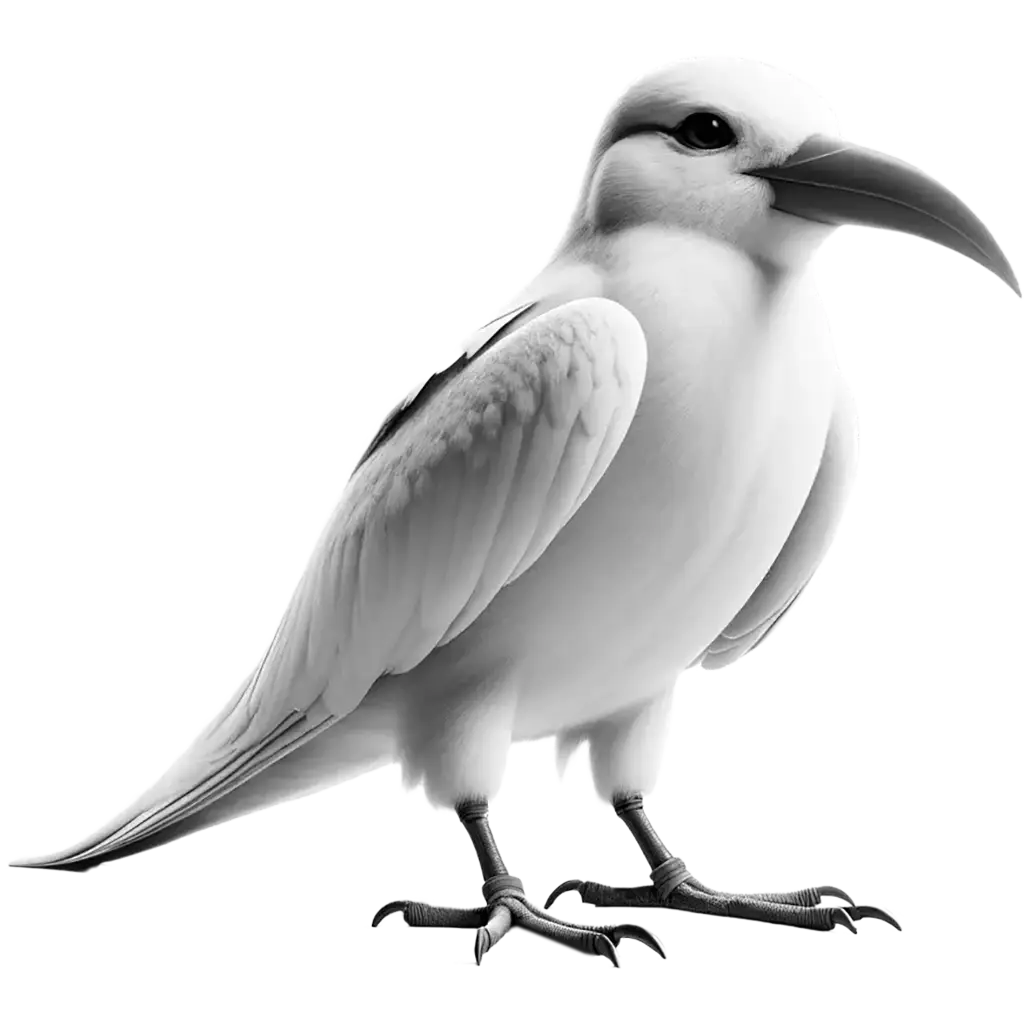
The Hook-Billed Kite, chondrohierax uncinatus, is a distinctive bird of prey, notable for its hooked beak adapted for feeding on snails and other hard-shelled prey. Adults typically exhibit a variation in plumage, ranging from dark gray to brownish or rufous, with lighter underparts often streaked or spotted. They have long, rounded wings and a short tail, making them agile fliers in their forest habitats. The kite's size varies geographically, but they generally measure between 37 to 41 cm in length, with a wingspan that can reach up to about a meter. This specialized beak sets them apart not only in appearance but also in feeding habits.
| Population: | Not currently considered threatened, but specific population numbers are not well-documented |
| Generation Length: | 5 years |
| Average Weight: | Approximately 250-310 grams |
| Average Length: | 37-41 cm |
| Lifespan: | Estimated to be 10-15 years in the wild |
| Diet: | Specialized diet focusing on tree snails |
| Conservation Status: | Least Concern (LC) |
The Hook-Billed Kite prefers dense forest environments, including mangroves and rainforests, where it can be seen gliding slowly at canopy level or sitting almost motionless, watching for prey. They are solitary hunters, primarily feeding during the early morning and late afternoon. Their flight is characterized by a distinctive, buoyant style, which allows them to maneuver through the trees with ease. Despite their specific dietary preferences, these kites are relatively adaptable and can occupy a range of forested habitats, from lowlands to mountainous regions.
Diet is a central aspect of the Hook-Billed Kite's life, with a strong preference for tree snails in the genus Pomacea, which they extract from their shells with their uniquely adapted beak. This dietary specialization means they play a crucial role in controlling snail populations, which can be pests in certain areas. Besides snails, their diet may occasionally include insects, small vertebrates, and other mollusks, depending on the availability of their preferred food sources. This niche feeding habit highlights the kite's importance in maintaining the ecological balance within their habitats.
Mating and reproduction for the Hook-Billed Kite involve aerial displays and calls to attract mates. They are monogamous, with both parents participating in nest building, egg incubation, and feeding the young. Nests are typically placed in the fork of a tree, and the breeding season timing can vary by region. This shared parental investment ensures a higher survival rate for the offspring, crucial for a species with such specialized feeding habits.
The population status of the Hook-Billed Kite varies regionally, with some areas reporting stable numbers and others indicating declines due to habitat destruction and fragmentation. Conservation efforts are important for maintaining healthy populations, especially in regions where deforestation threatens their food sources and nesting sites. The species' dependence on specific habitats and diet makes it a valuable indicator for the health of forest ecosystems, underscoring the need for targeted conservation strategies.
Classifications
The Key Attributes
Features
- Movement:
Flight
- Territorial Behavior:
Somewhat territorial, especially during breeding season
- Speed:
Not specifically quantified; capable of agile flight through forest canopies
- Diet:
Carnivore, with a preference for snails
- Physical Features:
- Hooked bill adapted for extracting snails from their shells
- Variable plumage, typically grayish or slate above with lighter underparts
- Long wings and tail for maneuvering through trees
- Sexes similar in appearance, with slight size variation
- Primary Senses:
- Sight
- Hearing
Understanding Habitat and Range
Geography
- Habitat:
Woodlands, forests, and swamps with abundant snail populations
- Migration Patterns:
Residents and some populations may show local movements
- Geographical Range:
Ranges from the southern United States through Central America to South America, as far south as northern Argentina
- Climate Preferences:
Prefers tropical and subtropical climates
Navigating the Wilderness
In the wild
- Predators:
Larger birds of prey and mammals may predate young and eggs
- Prey:
Primarily tree snails, also insects and small vertebrates
- Feeding Behavior:
Specializes in hunting tree snails, using its hooked bill to extract them; also eats insects and small vertebrates
- Diet:
Specialized diet focusing on tree snails
- Defensive Mechanisms:
- Camouflage
- Agile flight to escape predators
- Nesting in hard-to-reach places
- Preferred Food Sources:
- Tree snails
Insights Into Reproduction
Mating
- Mating System:
Monogamous
- Number of Offspring:
Usually 1-2 eggs per clutch
- Incubation Period:
About 30-35 days
- Parental Involvement:
- Both parents share in incubating the eggs and feeding the chicks
Youngsters Section
Hook-Billed Kite
Fun Fact
The hook-billed kite has a unique beak shape, adapted to feed primarily on tree snails.
Its curved beak helps it extract snails from shells, a rare diet specialization among birds of prey. Found in tropical regions, these kites exhibit sexual dimorphism, with females typically larger. Their snail-based diet allows them to exploit a niche with less competition.

Download word search puzzles
Word Search Puzzles


Check Out Other Birds
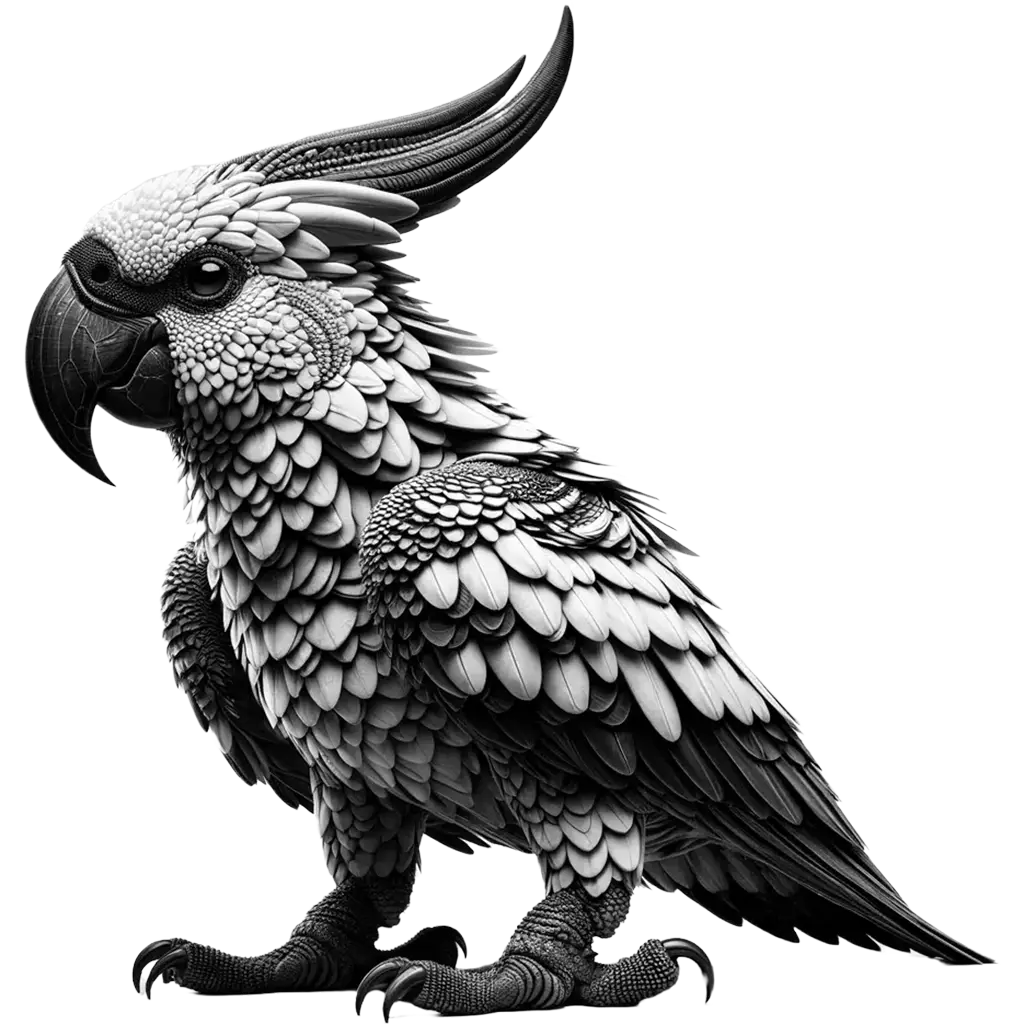
The Horned Parakeet, eunymphicus cornutus, is a vibrantly colored bird, distinguished by its unique red and blue facial markings and the notable horn-like feathers protruding from its head. This medium-sized parakeet, measuring around 32 cm in length, boasts a predominantly green plumage that blends seamlessly with the lush foliage of
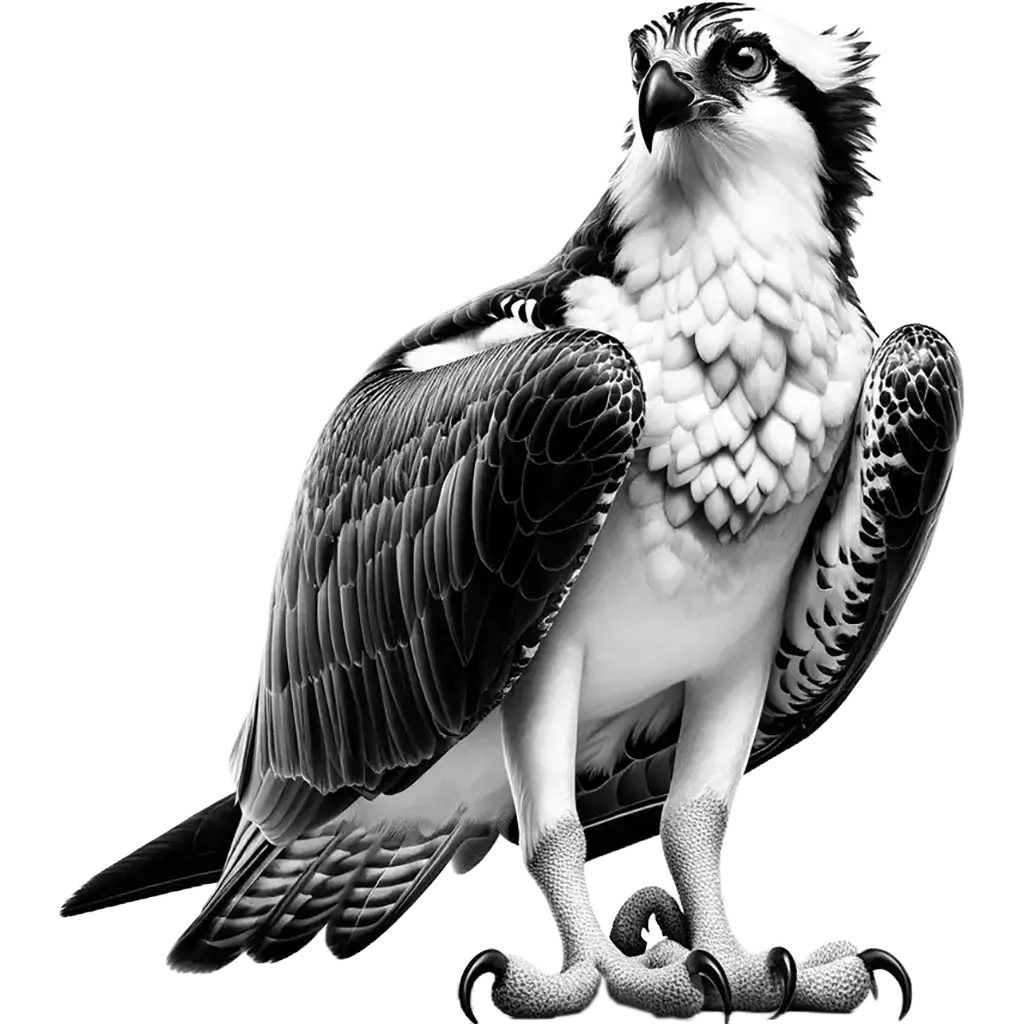
The Osprey, pandion haliaetus, is a large, majestic bird of prey, distinguished by its impressive wingspan of up to 180 cm (71 inches) and unique dietary specialization in fish. Adults exhibit a striking appearance with dark brown upperparts contrasted against a white underside and head. They possess sharp, curved talons
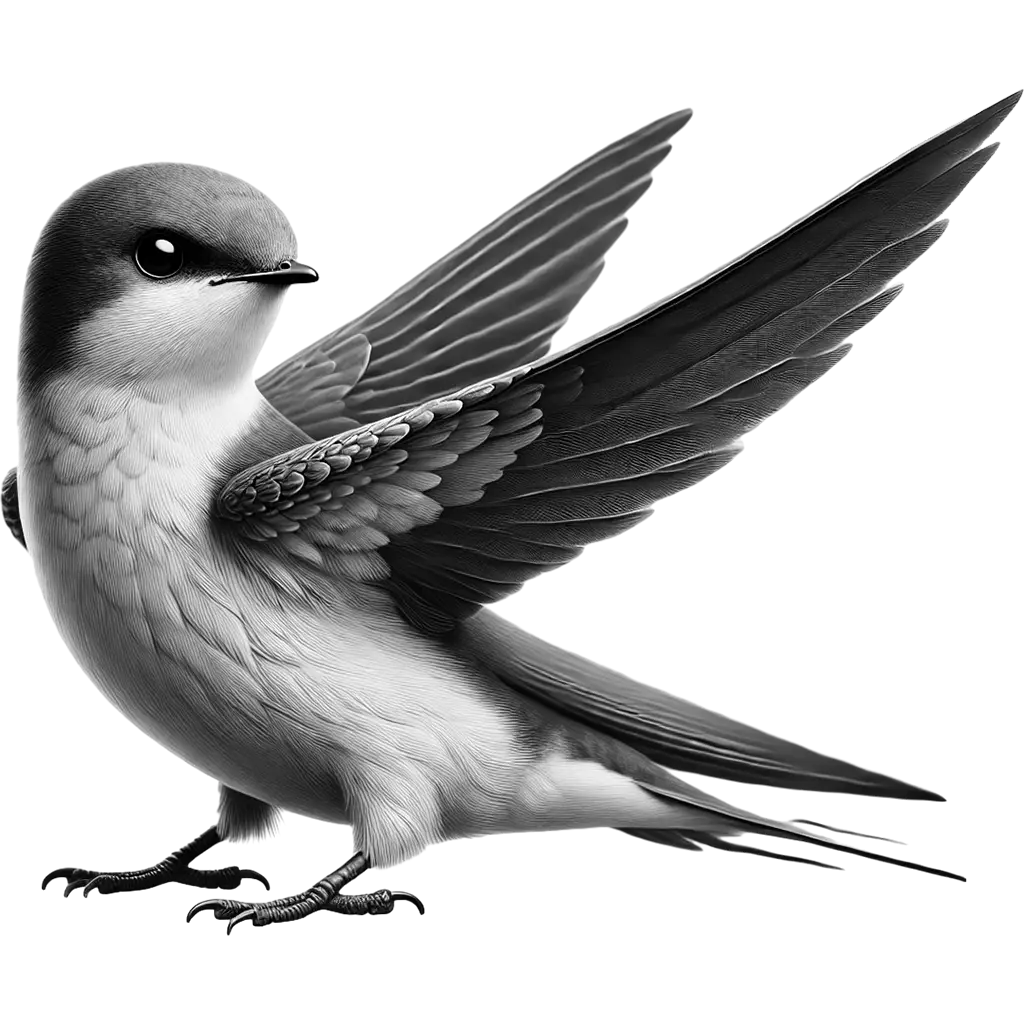
The Little Swift is a small bird, measuring approximately 13 centimeters in length. It boasts predominantly black plumage, accented by a distinctive white throat patch and a conspicuous white rump that extends onto the flanks. Its short, square tail and broad wings with blunt tips contribute to its agile flight
The Red-Billed Tropicbird, phaethon aethereus, is a striking seabird known for its elegant white plumage, slender red bill, and exceptionally long tail feathers, which can be twice the length of its body. Adults typically measure about 48 to 55 cm in length, not including the tail streamers, which can add