
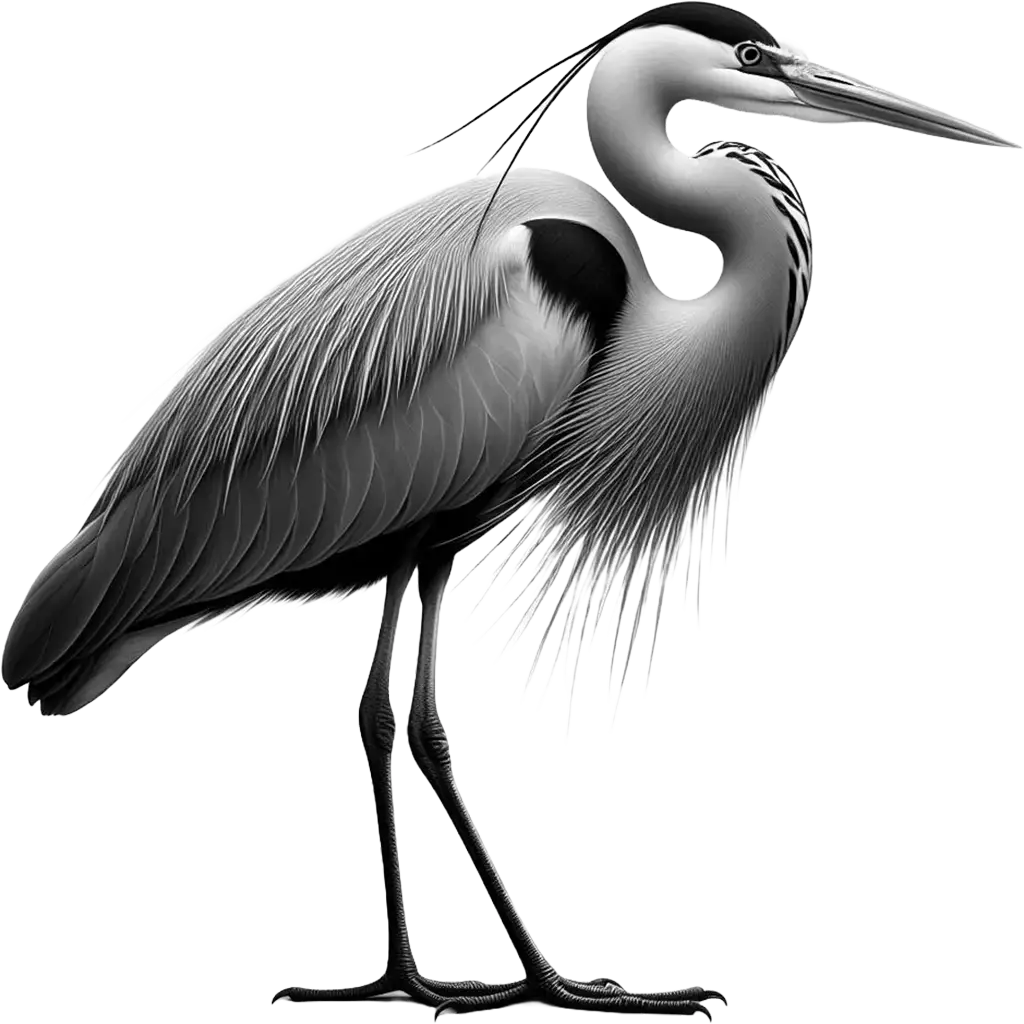
Ardea Herodias
Great Blue Heron
Freshwater and saltwater environments, including marshes, rivers, lakes, and coastal areas
The Great Blue Heron, ardea herodias, stands as one of North America's most recognizable and widespread wading birds. This majestic species exhibits a striking blue-gray plumage, a sharp, dagger-like bill, and an impressive wingspan that can reach up to 2 meters (6.6 feet), making it the largest heron in North America. Adults can measure over a meter tall, with a long, sinuous neck and long legs perfect for wading in a variety of aquatic environments.
| Population: | Widespread and abundant, not currently considered threatened |
| Generation Length: | 5 years |
| Average Weight: | 2.1-2.5 kg |
| Average Length: | 91-137 cm |
| Lifespan: | 15-24 years in the wild |
| Diet: | Primarily fish, supplemented with other aquatic animals |
| Conservation Status: | Least Concern (LC) |
Inhabiting a broad range of freshwater and saltwater habitats, from marshes and riverbanks to lakes and shores, the Great Blue Heron is a versatile predator. Its diet primarily consists of fish, but it also hunts amphibians, reptiles, small mammals, and even birds. Using stealth and speed, it spears its prey with its long bill, showcasing remarkable hunting prowess.
The nesting habits of the Great Blue Heron are as distinctive as its appearance. These birds nest in colonies known as heronries, which can be found in trees, bushes, or even on the ground on islands or secluded shorelines. Nests are large structures made of sticks, where females lay 3 to 6 pale blue eggs. Both parents share incubation duties over a period of about 28 days, followed by intensive feeding of the altricial (helpless) chicks until they fledge.
Reproduction is a critical time when herons can be sensitive to disturbance, underscoring the importance of protecting their nesting sites from human interference. The social structure within heronries is complex, with birds often returning to the same site year after year to raise their young.
The conservation status of the Great Blue Heron is currently listed as Least Concern by the IUCN, reflecting its wide distribution and stable population sizes. However, they are not without threats; habitat destruction, pollution, and human disturbance continue to pose risks to heron populations. Conservation efforts focus on preserving wetland habitats and ensuring clean water sources, critical for the survival of these and many other species. The Great Blue Heron remains a symbol of the health and vitality of aquatic ecosystems across North America.
Classifications
The Key Attributes
Features
- Movement:
Flight, wading
- Territorial Behavior:
Solitary while feeding, but nests colonially
- Speed:
Capable of flying at 30-55 km/h
- Diet:
Carnivore
- Physical Features:
- Large body with long legs and neck
- Blue-gray plumage
- Sharp, pointed bill
- Broad wings
- Primary Senses:
- Sight
- Hearing
Understanding Habitat and Range
Geography
- Habitat:
Freshwater and saltwater environments, including marshes, rivers, lakes, and coastal areas
- Migration Patterns:
Partial migrant, with northern populations migrating south for winter
- Geographical Range:
Throughout North America, from Alaska and Canada south through Mexico and the Caribbean
- Climate Preferences:
Adaptable to a range of climates
Navigating the Wilderness
In the wild
- Predators:
Eagles, hawks, and raccoons may prey on chicks and eggs
- Prey:
Fish, amphibians, crustaceans, small mammals, and insects
- Feeding Behavior:
Stands still or wades slowly to catch prey with a quick thrust of its bill
- Diet:
Primarily fish, supplemented with other aquatic animals
- Defensive Mechanisms:
- Flight
- Using its bill to spear threats
- Camouflage among vegetation
- Preferred Food Sources:
- Fish
- Amphibians
- Crustaceans
Insights Into Reproduction
Mating
- Mating System:
Monogamous during the breeding season
- Number of Offspring:
3-7 eggs
- Incubation Period:
About 27-29 days
- Parental Involvement:
- Both parents share in incubating the eggs and feeding the chicks
Youngsters Section
Great Blue Heron
Fun Fact
The Great Blue Heron is the largest heron in North America.
These birds can stand over 4 feet tall and have wingspans reaching up to 6.5 feet. They are expert fishers, using their sharp, spear-like beaks to catch prey. Great Blue Herons are also known for their slow, graceful flight, with deep, steady wing beats. Their plumage is primarily blue-gray, with a distinctive black stripe over the eye and long plumes on their chest.

Download word search puzzles
Word Search Puzzles

Check Out Other Birds
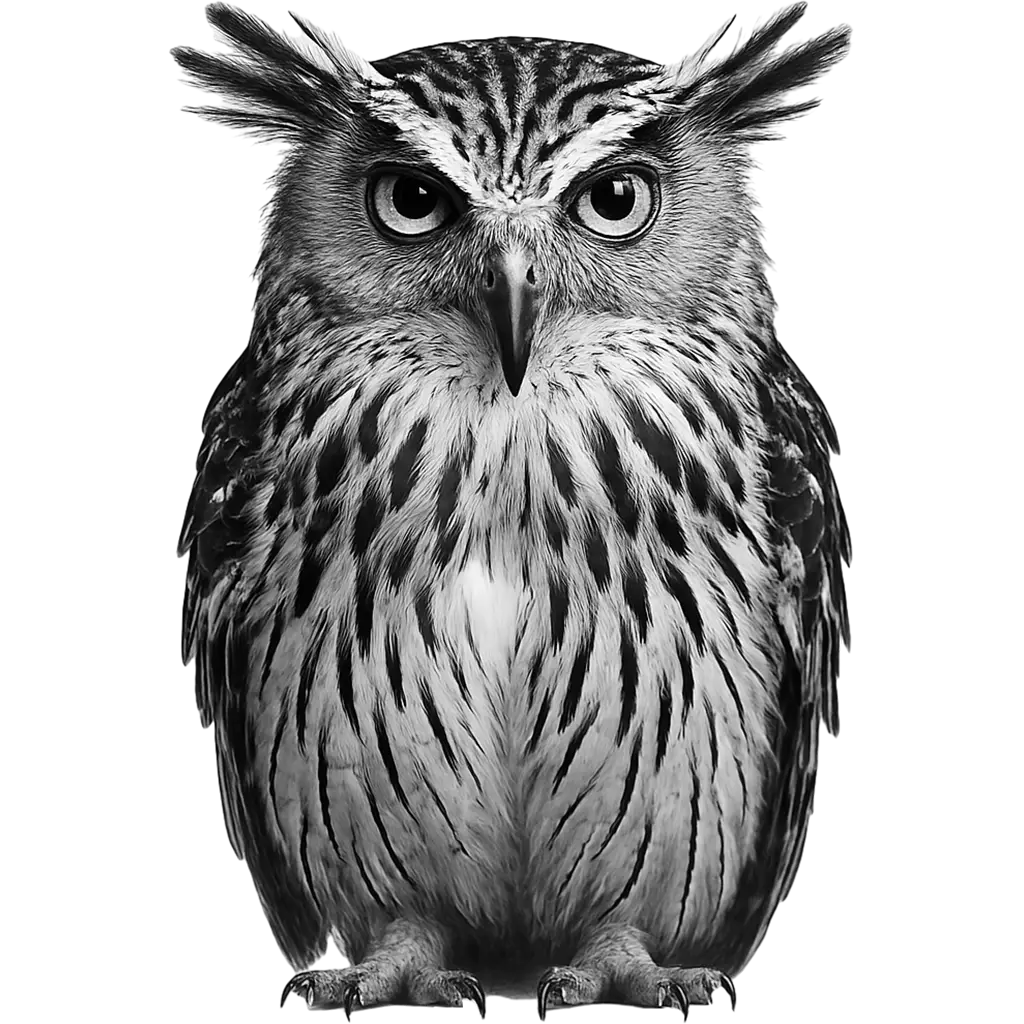
Buffy Fish Owls possess a sturdy, compact body with a broad head and distinct facial disc. Their dusky plumage is subtly mottled and they feature large, luminous eyes and a hooked beak ideal for snatching small prey. Powerful talons and a strong, muscular frame enhance their predatory elegance, enabling them
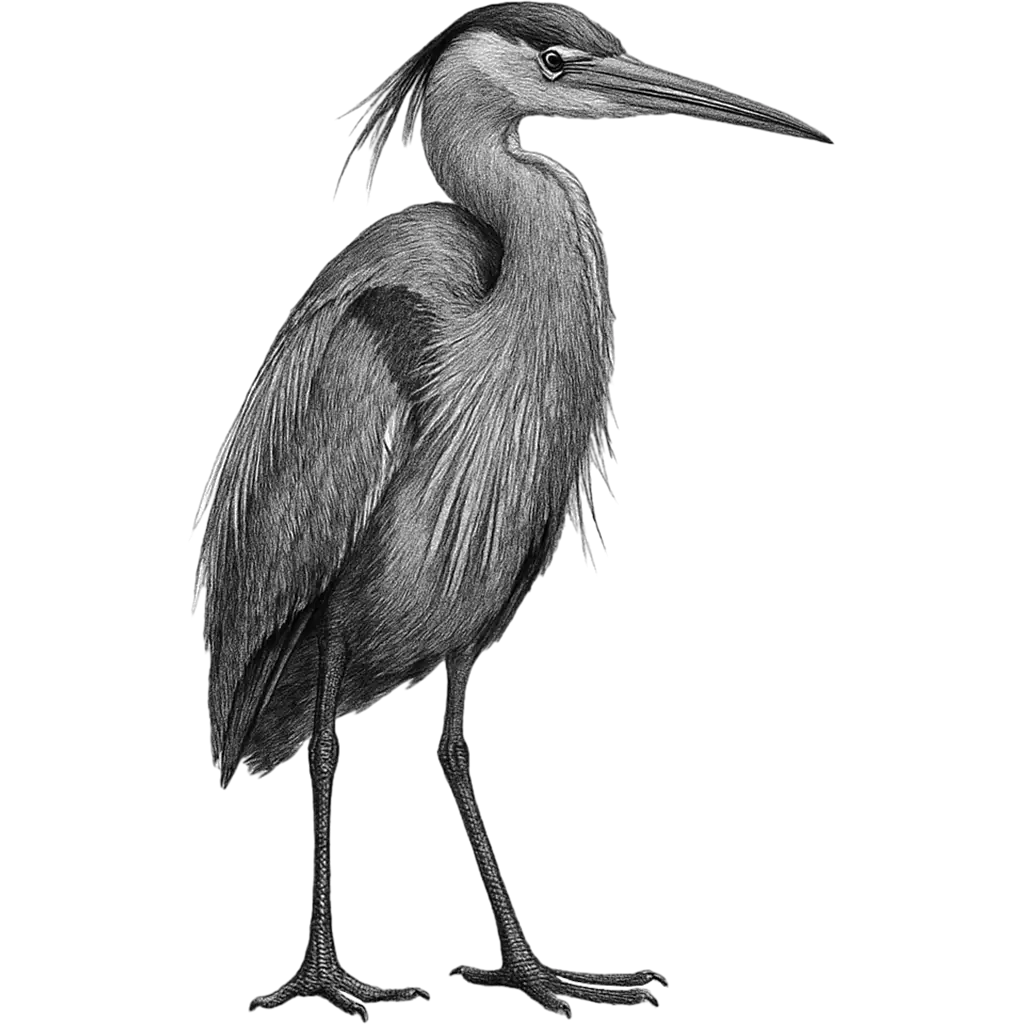
The Tricolored Heron is a slender, medium-sized wading bird measuring between fifty-six and seventy-six centimeters in length with a wingspan of approximately ninety-six centimeters. Its plumage combines slate-blue upperparts, a contrasting white belly, and a slender neck richly streaked with blue-gray, lavender, and rusty hues. During breeding season, its head

The Greater Roadrunner, geococcyx californianus, is a large, ground-dwelling bird, iconic of the American Southwest. Measuring up to 60 cm in length and weighing around 300 to 500 grams, it is most recognizable by its long, lean frame, streaked brown and white plumage, and distinctive crest of feathers atop its
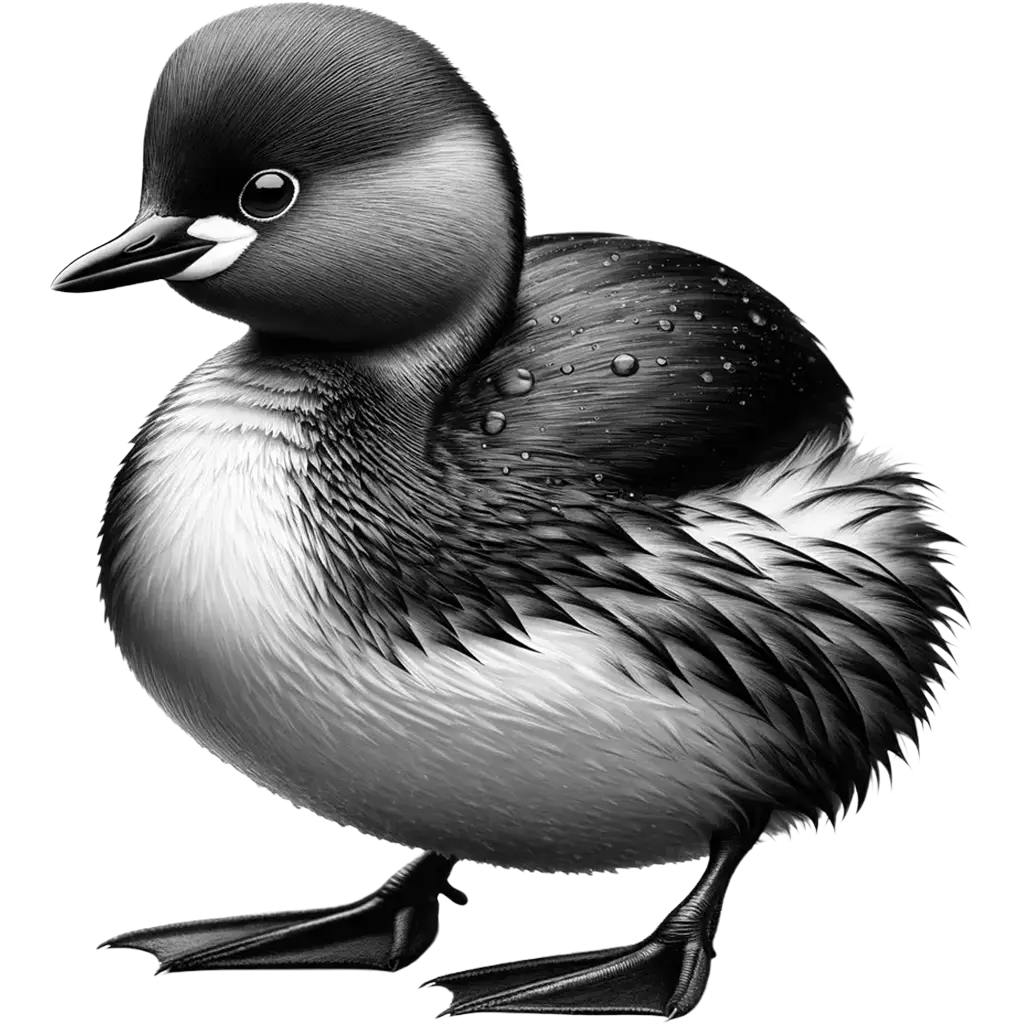
The Little Grebe, tachybaptus ruficollis, also known as the Dabchick, is a small water bird, celebrated for its remarkable diving ability and agility in water. Adults typically measure about 23 to 29 cm in length, with a distinctive stout body, short neck, and almost tailless appearance. During the breeding season,