
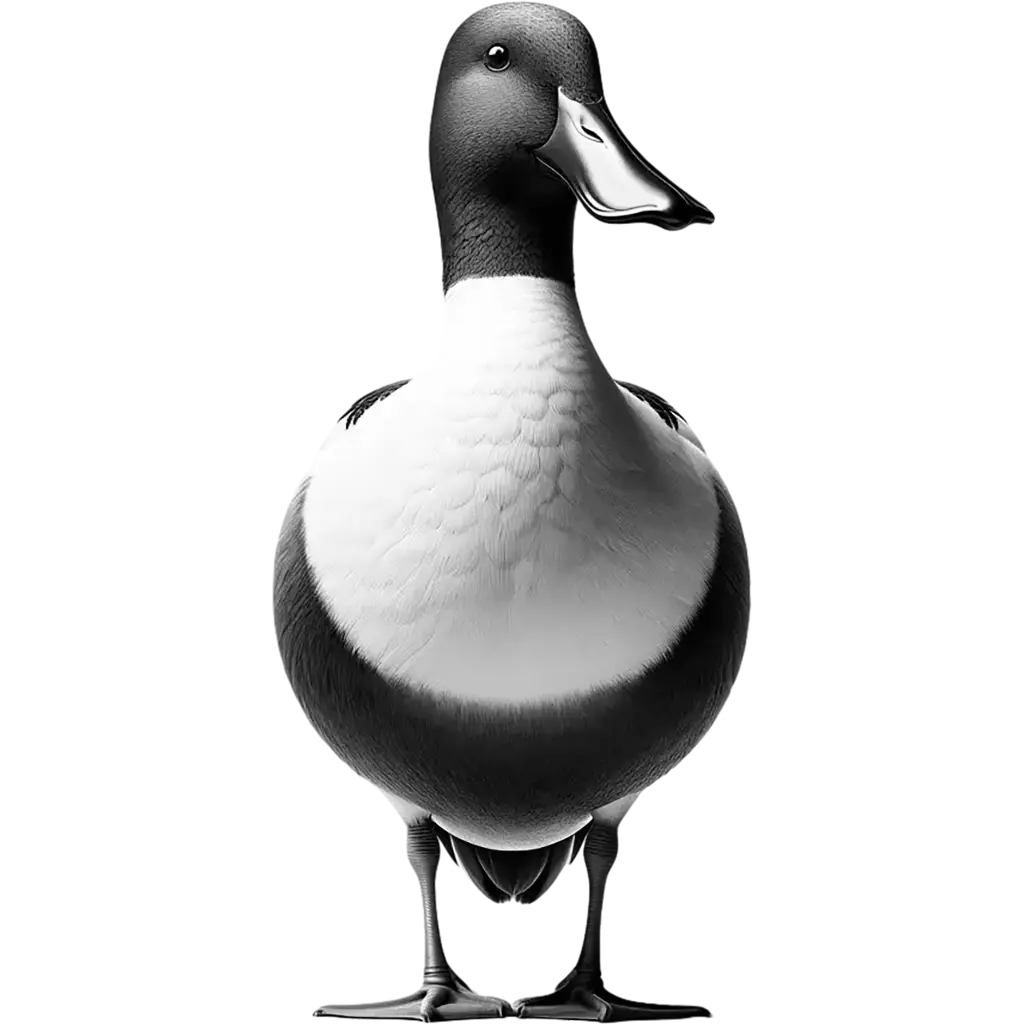
Spatula Clypeata
Northern Shoveler
Freshwater wetlands, marshes, lakes, and ponds
The Northern Shoveler, spatula clypeata, is a medium-sized duck known for its large, spatulate bill which sets it apart from other dabbling ducks. This distinctive bill is wider at the tip and equipped with comb-like structures called lamellae, used for filtering food from the water. Males have an iridescent dark green head, white chest, and chestnut sides during the breeding season, while females and non-breeding males are mottled brown, providing camouflage. Both sexes display a striking blue patch on the forewing, visible in flight. Adults typically measure 44 to 52 cm in length, with a wingspan of 76 to 89 cm, making them a noticeable presence in their wetland habitats.
| Population: | Listed as Least Concern, with stable and widespread populations |
| Generation Length: | 5 years |
| Average Weight: | 400-700 grams |
| Average Length: | 44-52 cm |
| Lifespan: | Up to 10-15 years in the wild |
| Diet: | Feeds primarily on aquatic plants and invertebrates, utilizing its specialized bill |
| Conservation Status: | Least Concern (LC) |
Northern Shovelers inhabit a wide range of shallow freshwater bodies, such as marshes, wetlands, and ponds, primarily in the northern regions of Europe, Asia, and North America. They are migratory, spending the breeding season in the north before moving to warmer regions in the south during winter. These ducks are social birds, often found in large flocks during migration and in their wintering grounds, where their specialized feeding technique allows them to thrive alongside other waterfowl.
The diet of the Northern Shoveler is predominantly plant-based, including seeds, aquatic plants, and algae. They also consume small aquatic invertebrates and zooplankton, which are filtered from the water with their unique bill. This feeding strategy allows them to exploit food sources in shallow waters that are inaccessible to other ducks, playing a crucial role in the ecosystem by helping to control algae and invertebrate populations.
Reproduction for Northern Shovelers begins in the spring when pairs form on wintering grounds before migrating to their breeding areas. Nests are built on the ground in dense vegetation near water. The female lays 9 to 12 eggs and is solely responsible for incubation and raising the ducklings. The precocial young are able to feed themselves shortly after hatching but remain under the mother's protection until they are ready to fly.
The population of the Northern Shoveler is considered stable, though they face threats from habitat loss due to wetland drainage and pollution. Conservation efforts focus on protecting wetland habitats and ensuring sustainable water management to support the diverse wildlife dependent on these ecosystems. The Northern Shoveler's widespread distribution and unique feeding habits make it a key species for monitoring wetland health.
Classifications
The Key Attributes
Features
- Movement:
Flying, swimming, dabbling
- Territorial Behavior:
Somewhat territorial during breeding season
- Speed:
Capable of fast flight and agile swimming
- Diet:
Omnivore
- Physical Features:
- Large, spatula-shaped bill for sifting food from water
- Males have a distinctive green head, white chest, and chestnut sides
- Females are mottled brown with a less conspicuous bill
- Short wings and strong legs
- Primary Senses:
- Sight
- Hearing
- Touch
Understanding Habitat and Range
Geography
- Habitat:
Freshwater wetlands, marshes, lakes, and ponds
- Migration Patterns:
Migratory, breeding in northern regions and wintering in warmer climates
- Geographical Range:
Breeds in North America, Europe, and Asia; winters in southern Europe, Africa, India, Southeast Asia, and Central America
- Climate Preferences:
Prefers temperate to subarctic climates for breeding; warmer regions for wintering
Navigating the Wilderness
In the wild
- Predators:
Birds of prey, foxes, and large fish
- Prey:
Aquatic insects, crustaceans, and plant material
- Feeding Behavior:
Filters food from water with its large bill, feeding on aquatic plants, seeds, and small invertebrates
- Diet:
Feeds primarily on aquatic plants and invertebrates, utilizing its specialized bill
- Defensive Mechanisms:
- Flight to escape predators
- Camouflage in vegetation
- Forming large flocks for safety
- Preferred Food Sources:
- Shallow waters rich in aquatic vegetation and small invertebrates
Insights Into Reproduction
Mating
- Mating System:
Monogamous
- Number of Offspring:
6-12 eggs
- Incubation Period:
About 21-25 days
- Parental Involvement:
- Females primarily responsible for incubation; both parents care for the young
Youngsters Section
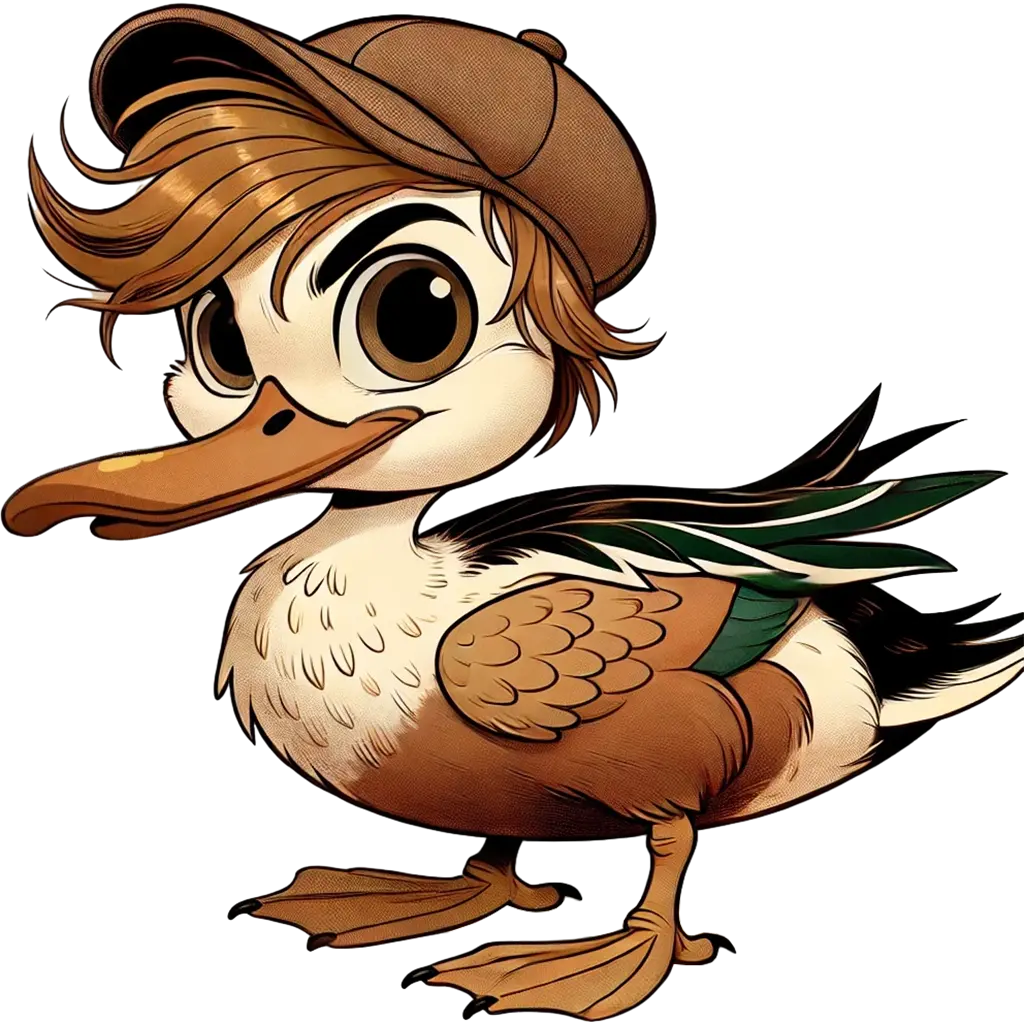
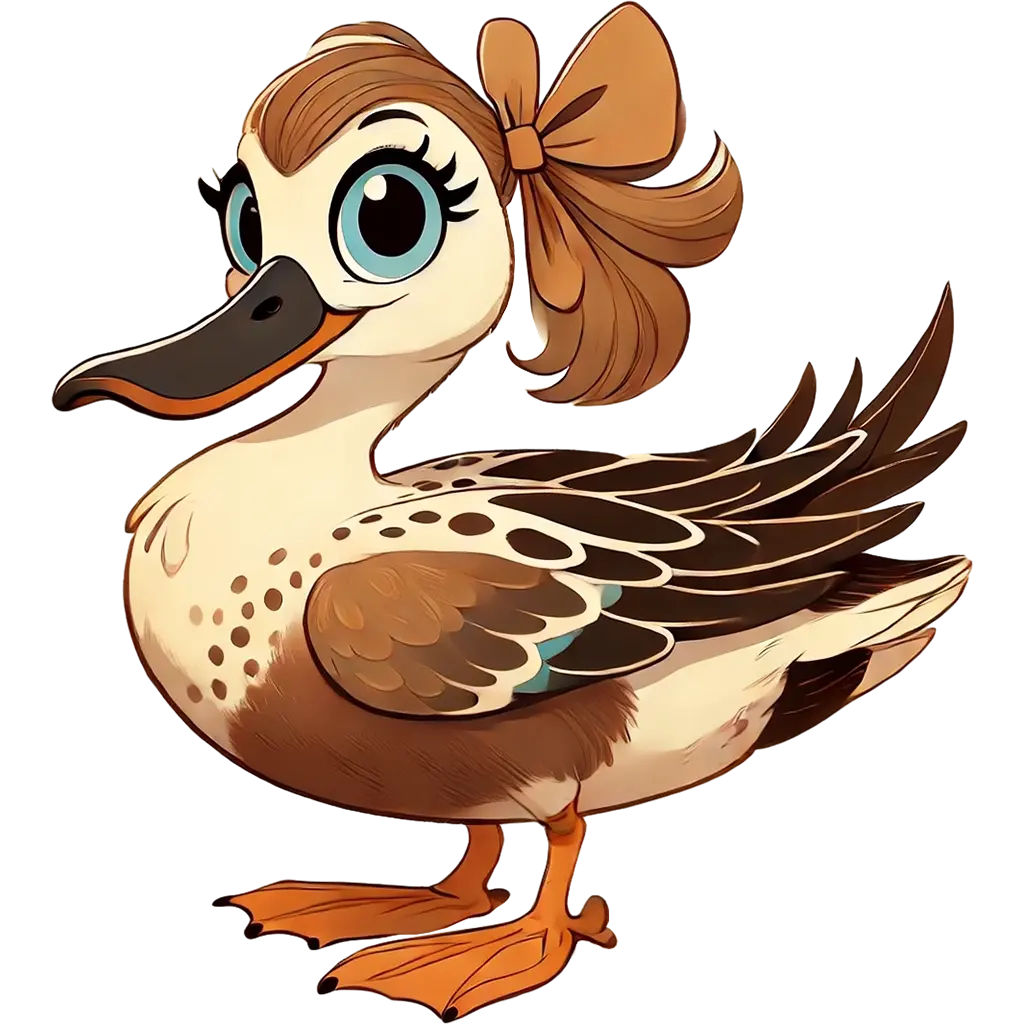
Northern Shoveler
Fun Fact
Northern Shovelers are known for their distinctive spoon-shaped bills, which they use to filter food.
These ducks use their unique bills to sift through water, capturing small aquatic invertebrates and seeds. Their feeding strategy involves skimming the surface or dipping their heads underwater, often seen in groups. This adaptation allows them to thrive in a variety of wetland habitats, from marshes to lakes.

Download word search puzzles
Word Search Puzzles
Check Out Other Birds
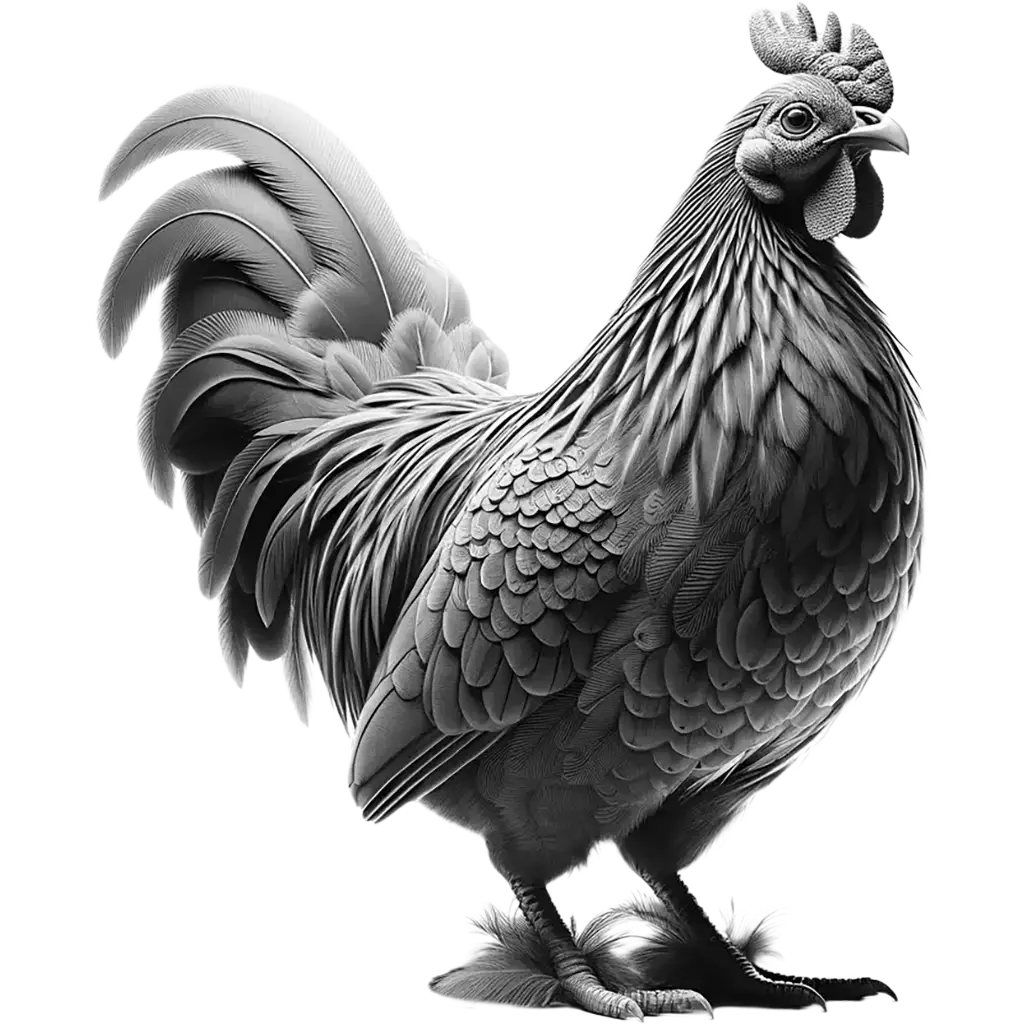
The Grey Junglefowl, gallus sonneratii, is a wild bird native to the Indian subcontinent, known for its striking appearance and as one of the ancestors of the domestic chicken. Males are particularly vibrant, with a combination of golden, black, and white plumage, and a distinctive red comb and wattles. They
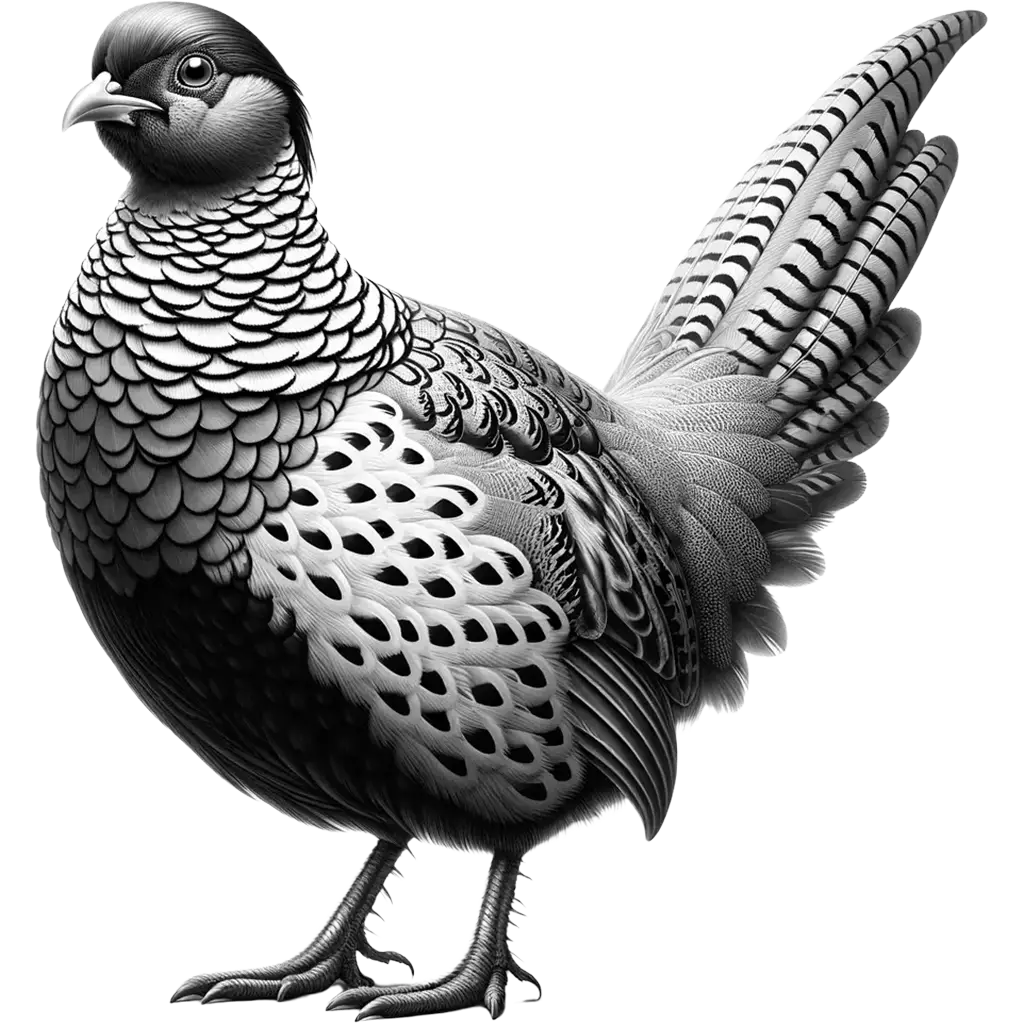
The Reeves's Pheasant, syrmaticus reevesii, is a magnificent bird known for its extraordinary tail length and striking plumage. Males are particularly notable, with tails that can reach up to 2.4 meters in length, making them one of the longest-tailed pheasants in the world. The male's plumage is a vibrant mix
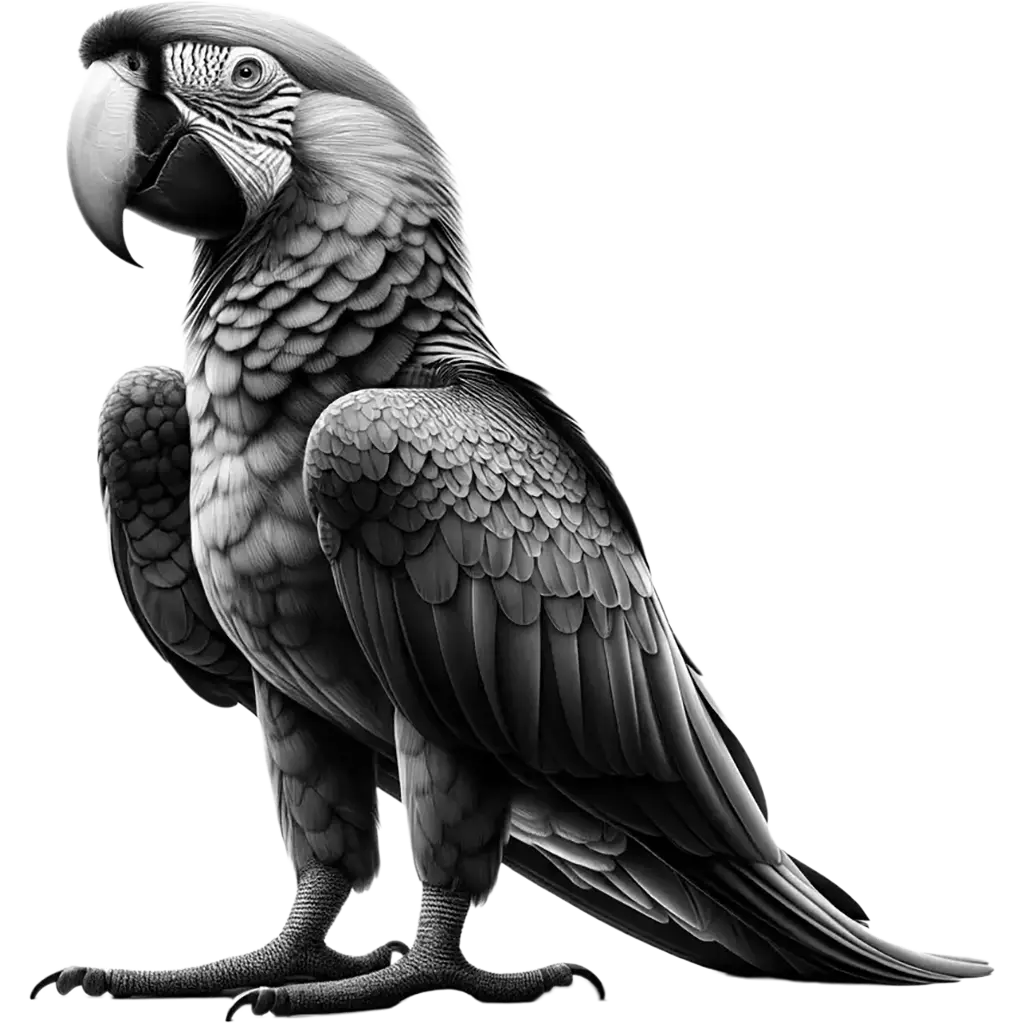
The Scarlet Macaw, ara macao, is a large, brightly colored parrot native to humid evergreen forests in Central and South America. This striking bird can reach up to 81 cm in length, including its long, pointed tail, and weighs about 1 kg. Its vibrant plumage is primarily scarlet, with blue
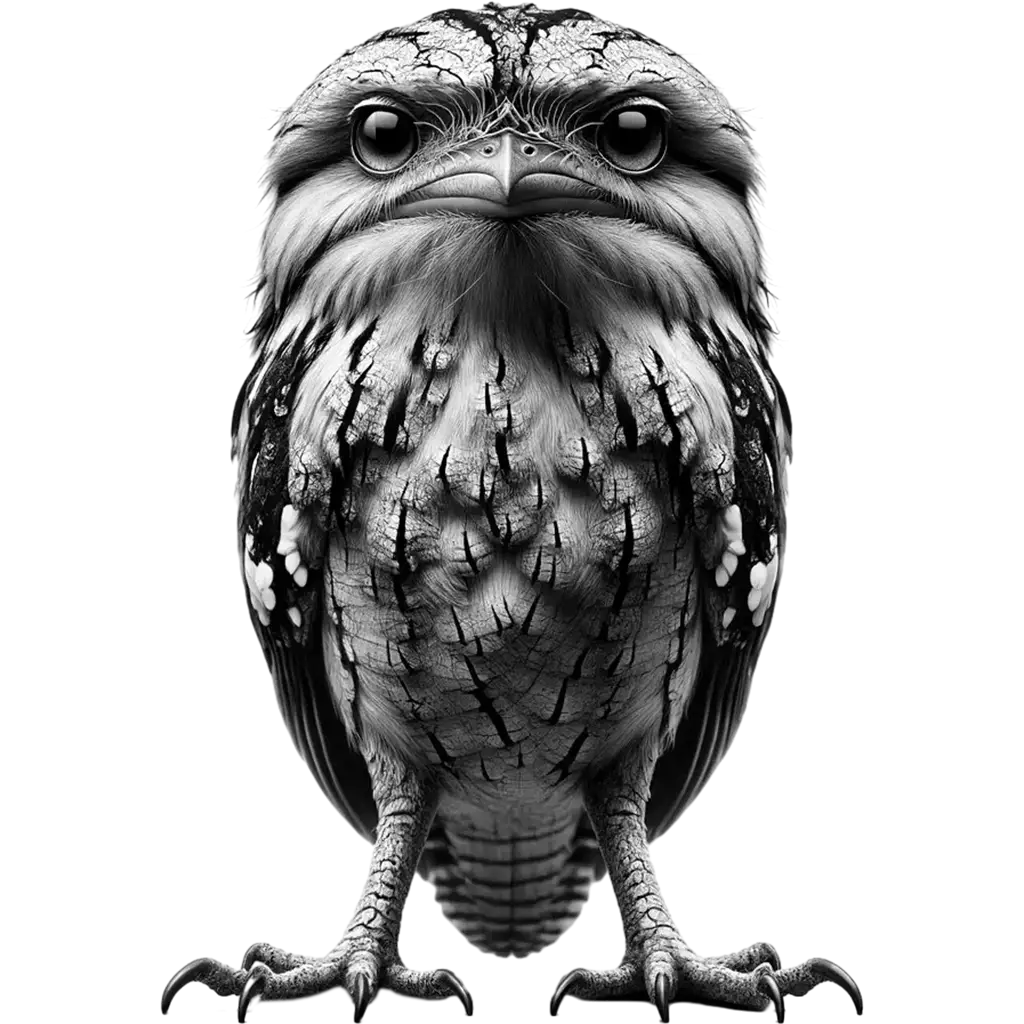
The Tawny Frogmouth, podargus strigoides, is a distinctive bird native to Australia, recognized for its stocky build, large head, and wide, frog-like mouth. Measuring 34 to 53 cm in length and weighing between 157 to 555 grams, they exhibit sexual dimorphism, with females generally being larger than males. Their plumage