

Sturnus Vulgaris
Common Starling
Common Starlings inhabit farmlands, woodlands, urban areas, and suburban gardens
The Common Starling is a medium-sized passerine bird characterized by its striking, iridescent plumage that shimmers with hues of purple, green, and blue under sunlight. It sports a speckled, mottled appearance with dark brown and black feathers that create a dynamic pattern, while its sharp, pointed beak and strong legs enable it to forage both on the ground and in the air. Its compact, robust build is perfectly adapted for agile flight and rapid maneuvers in large flocks.
| Population: | Extremely widespread and abundant in Eurasia and introduced areas, though some populations are impacted by urbanization and agriculture |
| Generation Length: | Approximately 2-3 years |
| Average Weight: | Around 75 grams |
| Average Length: | Approximately 20-25 cm |
| Lifespan: | Approximately 3-5 years in the wild; up to 15 years in captivity |
| Diet: | Omnivorous |
| Conservation Status: | Least Concern (LC) |
In its daily life, the Common Starling is highly social and often found in enormous, synchronized flocks that perform mesmerizing aerial displays. These birds are adaptable and can thrive in a wide range of habitats, from urban areas to rural farmlands. They are active during the day, engaging in constant communication through a series of chirps, whistles, and clicks. Their flocking behavior not only provides safety in numbers but also aids in efficient foraging and predator avoidance. These starlings are known for their ability to quickly change direction and form tight, swirling formations in the sky, a behavior that has fascinated bird watchers and researchers alike.
The diet of the Common Starling is remarkably versatile, consisting mainly of insects, worms, and other invertebrates, which they skillfully extract from soil and vegetation. In addition, they consume fruits, seeds, and even grains, making them opportunistic feeders. This omnivorous diet ensures they obtain essential proteins, vitamins, and carbohydrates necessary for energy and survival. Their foraging strategy, often conducted in large flocks, allows them to cover vast areas in search of food, thereby playing a significant role in controlling insect populations and contributing to seed dispersal across diverse ecosystems.
During the breeding season, Common Starlings form largely monogamous pairs that engage in intricate courtship displays involving synchronized flights and vocal exchanges. The female typically lays a clutch of 4 to 7 eggs, and both parents take part in incubation and feeding the hatchlings. These breeding activities are usually timed to coincide with periods of abundant food, ensuring that the young have the best chance for survival in their early, vulnerable stages.
Although the Common Starling is classified as Least Concern due to its widespread distribution and high adaptability, local populations can be impacted by urban development, habitat loss, and the use of pesticides in agricultural areas. Continued conservation efforts and sustainable land management practices are essential to maintain the ecological balance and ensure that this dynamic and visually captivating species continues to thrive in both its native and introduced ranges.
Classifications
The Key Attributes
Features
- Movement:
Strong, agile fliers, known for impressive aerial displays and quick maneuvers in large flocks.
- Territorial Behavior:
While generally non-territorial when foraging in flocks, they become aggressive during the breeding season, defending nesting sites vigorously.
- Speed:
Moderate with bursts of speed during foraging or escape.
- Diet:
Omnivorous; they feed on a varied diet including insects, fruits, seeds, and even small vertebrates, which helps control pest populations.
- Physical Features:
- Speckled, iridescent plumage with a mix of dark browns, blacks, and hints of purple or green
- A sharp, pointed beak and strong legs
- A compact, robust body suited for both flight and ground foraging
- Primary Senses:
- Sight
- Hearing
Understanding Habitat and Range
Geography
- Habitat:
Common Starlings inhabit farmlands, woodlands, urban areas, and suburban gardens
- Migration Patterns:
In many regions, they are resident or undertake only local seasonal movements in response to food availability.
- Geographical Range:
Native to Eurasia; introduced populations are now widespread in North America, Australia, and other parts of the world.
- Climate Preferences:
Adaptable to temperate and subtropical climates with access to abundant food sources.
Navigating the Wilderness
In the wild
- Predators:
Birds of prey such as hawks and falcons, as well as mammals like cats and foxes, prey on starlings, especially juveniles.
- Prey:
Small insects, worms, fruits, seeds, and occasionally small vertebrates form the bulk of their diet.
- Feeding Behavior:
They forage in flocks, using synchronized movements to find food, mob predators, and exploit food patches.
- Diet:
Omnivorous
- Defensive Mechanisms:
- Flocking and mobbing predators
- Rapid, coordinated flight to escape threats
- Preferred Food Sources:
- Insects, berries, seeds, and agricultural grains
Insights Into Reproduction
Mating
- Mating System:
Generally monogamous during the breeding season, though extra-pair copulations are not uncommon.
- Number of Offspring:
Typically 4-7 eggs per clutch, with usually one to two broods per year.
- Incubation Period:
Eggs hatch after approximately 12-14 days of incubation.
- Parental Involvement:
- Both parents share in nest building, incubation, and feeding of the young.
Youngsters Section
Common Starling
Fun Fact
The common starling is a lively bird with shimmering black feathers that glisten in the sunlight, creating a beautiful display of purples and greens!
These birds are famous for their amazing flying skills, especially when they form huge groups called "murmurations." As they fly together, they create stunning patterns in the sky, almost like a magical dance. Starlings are also talented mimics, able to copy sounds, voices, and even other animals.

Download word search puzzles
Word Search Puzzles


Check Out Other Birds

The Steppe Eagle, aquila nipalensis, is a large bird of prey known for its impressive wingspan and commanding presence in the sky. Adults typically measure between 62 to 81 cm in length, with a wingspan ranging from 165 to 215 cm. Their plumage is mostly dark brown, with lighter golden-brown

The Golden Eagle, aquila chrysaetos, is one of the most powerful birds of prey in the Northern Hemisphere, admired for its strength, speed, and majestic beauty. Adults typically exhibit a wingspan ranging from 1.8 to 2.3 meters (6 to 7.5 feet), making them formidable hunters in their natural habitats. The
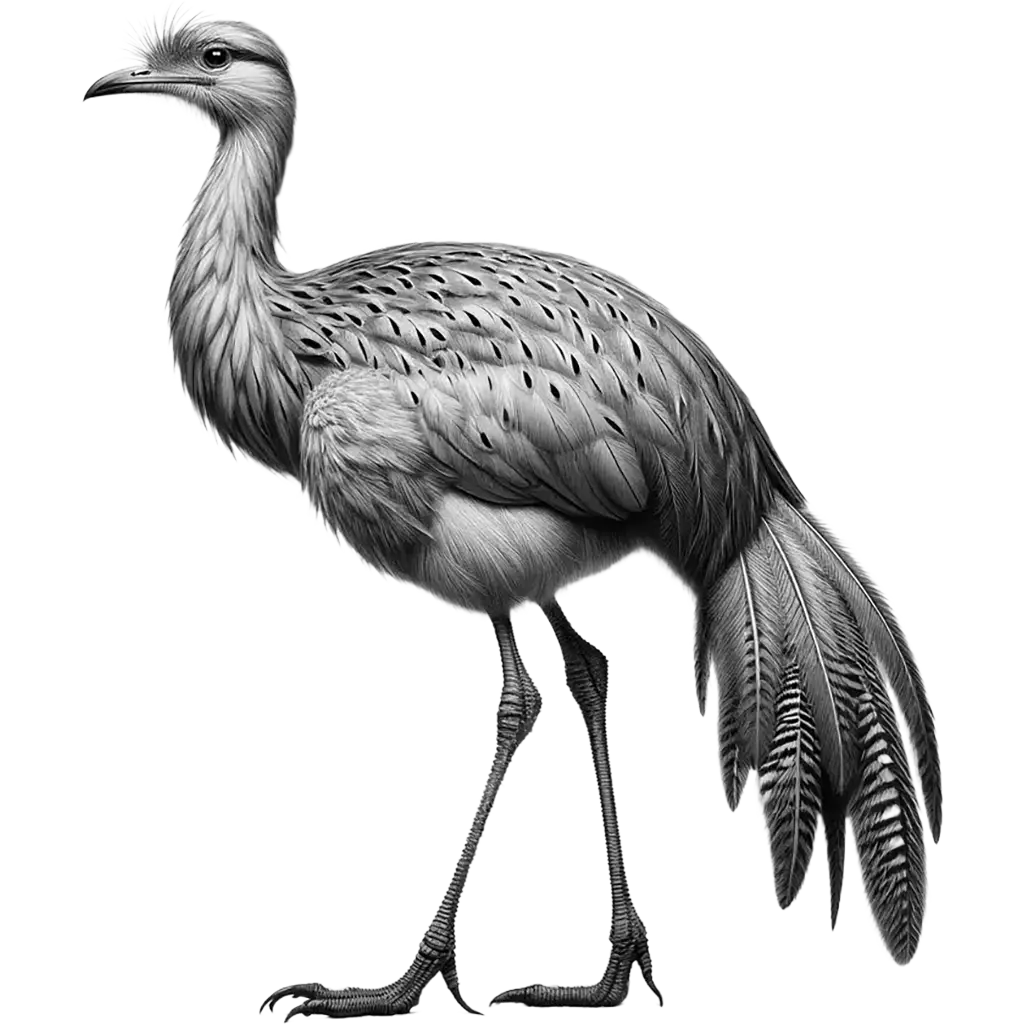
The Black-Legged Seriema, chunga burmeisteri, is a distinctive bird native to South America, particularly found in the dry woodlands and grasslands of northern Argentina, Paraguay, Bolivia, and Brazil. This species is characterized by its slender build, long legs, and predominantly grey plumage, which is complemented by striking black flight feathers
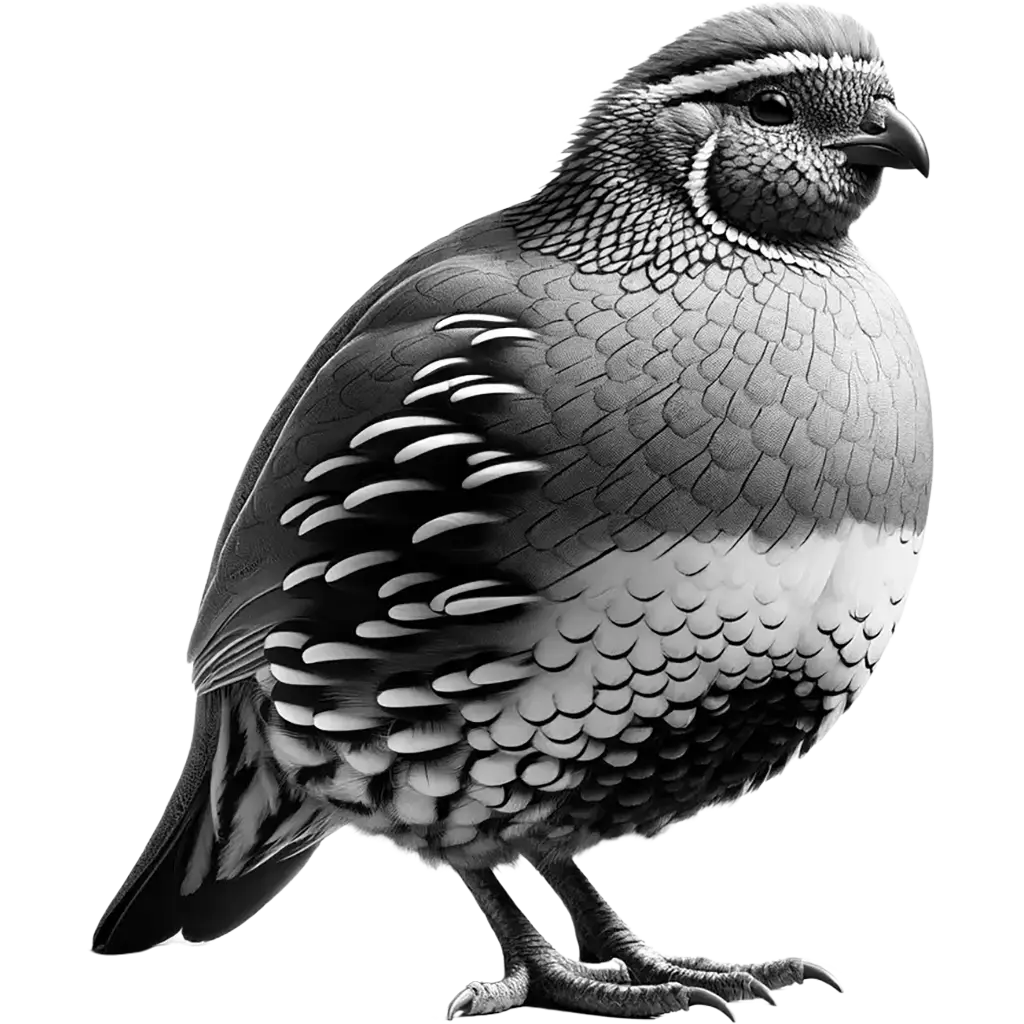
The Scaled Quail, callipepla squamata, also known as the blue quail or cottontop, is a distinctive bird native to the arid and semi-arid regions of the American Southwest and Mexico. Adults are recognized by their blue-grey plumage and the striking, scaled appearance on their breast and back, from which their