
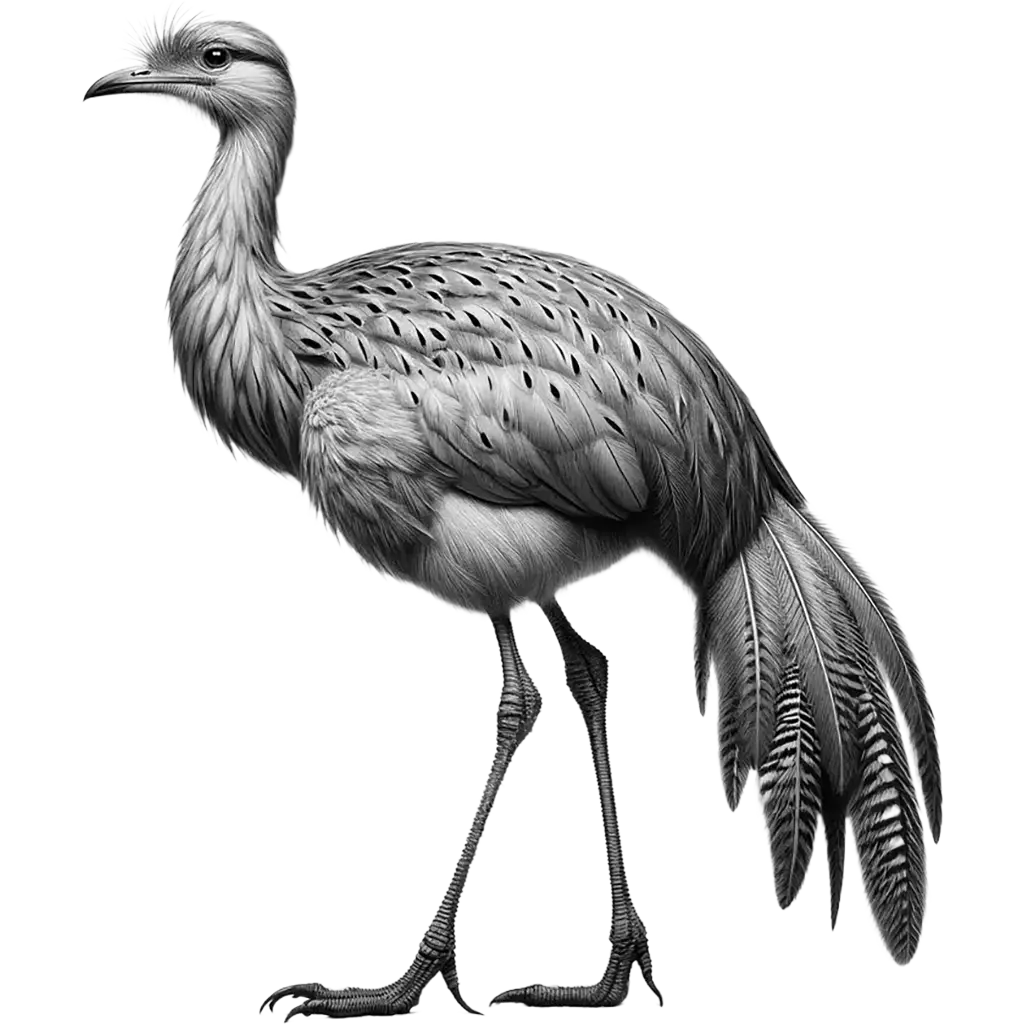
Chunga Burmeisteri
Black-Legged Seriema
Dry savannas, grasslands, and open woodlands
The Black-Legged Seriema, chunga burmeisteri, is a distinctive bird native to South America, particularly found in the dry woodlands and grasslands of northern Argentina, Paraguay, Bolivia, and Brazil. This species is characterized by its slender build, long legs, and predominantly grey plumage, which is complemented by striking black flight feathers and tail. Adults can reach up to 75 cm in length, making them one of the larger species within the Cariamidae family. Their appearance is further accentuated by a pronounced crest of feathers on the head, which can be raised or lowered.
| Population: | Data on its population status is limited, but it is not currently considered endangered |
| Generation Length: | 5-6 years |
| Average Weight: | Approximately 1-1.5 kg |
| Average Length: | 70-90 cm |
| Lifespan: | 10-15 years in the wild |
| Diet: | Primarily carnivorous, but may consume some plant material |
| Conservation Status: | Least Concern (LC) |
The Black-Legged Seriema is known for its terrestrial habits, spending most of its time on the ground where it hunts for a variety of prey, including insects, lizards, snakes, and small rodents. Its long legs are not only adapted for swift running but also enable it to deliver powerful kicks to subdue larger prey or to break the shells of armadillos, one of its more unusual food items.
This bird's diet reflects its opportunistic feeding habits, utilizing the open landscapes it inhabits to spot and chase down prey. It is also known to consume plant matter, including seeds and fruits, contributing to a balanced diet that supports its active lifestyle.
Reproduction for the Black-Legged Seriema involves the construction of a large nest, typically situated in a tree or on a low shrub. The female lays 2 to 3 eggs, which are incubated by both parents. The chicks are precocial, leaving the nest shortly after hatching but remaining dependent on their parents for food and protection for several weeks.
The population of the Black-Legged Seriema is considered stable, though it faces threats from habitat loss due to agricultural expansion and deforestation. Conservation efforts are focused on habitat preservation and managing the impact of agricultural practices to ensure the survival of this unique species. The Black-Legged Seriema's role in controlling pest populations highlights its importance within its ecosystem and underscores the need for continued conservation attention.
Classifications
The Key Attributes
Features
- Movement:
Walking, running, limited flying
- Territorial Behavior:
Territorial and often found in pairs or small family groups
- Speed:
Fast runner, capable of quick sprints to catch prey or evade predators
- Diet:
Omnivore
- Physical Features:
- Long legs for running
- Long neck and tail
- Strong, hooked beak for killing prey
- Predominantly grey plumage with darker flight feathers and tail
- Primary Senses:
- Sight
- Hearing
Understanding Habitat and Range
Geography
- Habitat:
Dry savannas, grasslands, and open woodlands
- Migration Patterns:
Sedentary, with little known movement over large distances
- Geographical Range:
Central and northern Argentina, Paraguay, and Brazil
- Climate Preferences:
Prefers warm, dry environments
Navigating the Wilderness
In the wild
- Predators:
Larger birds of prey and mammals
- Prey:
Includes insects, lizards, small birds, and rodents
- Feeding Behavior:
Feeds on insects, small vertebrates, and occasionally plant matter, using its speed and strong beak to hunt
- Diet:
Primarily carnivorous, but may consume some plant material
- Defensive Mechanisms:
- Running to escape threats
- Using its strong beak as a weapon against predators
- Preferred Food Sources:
- Open areas where it can easily spot and chase down prey
Insights Into Reproduction
Mating
- Mating System:
Monogamous
- Number of Offspring:
2-3 eggs
- Incubation Period:
About 25-30 days
- Parental Involvement:
- Both parents share responsibilities for incubation and feeding the young
Youngsters Section
Black-Legged Seriema
Fun Fact
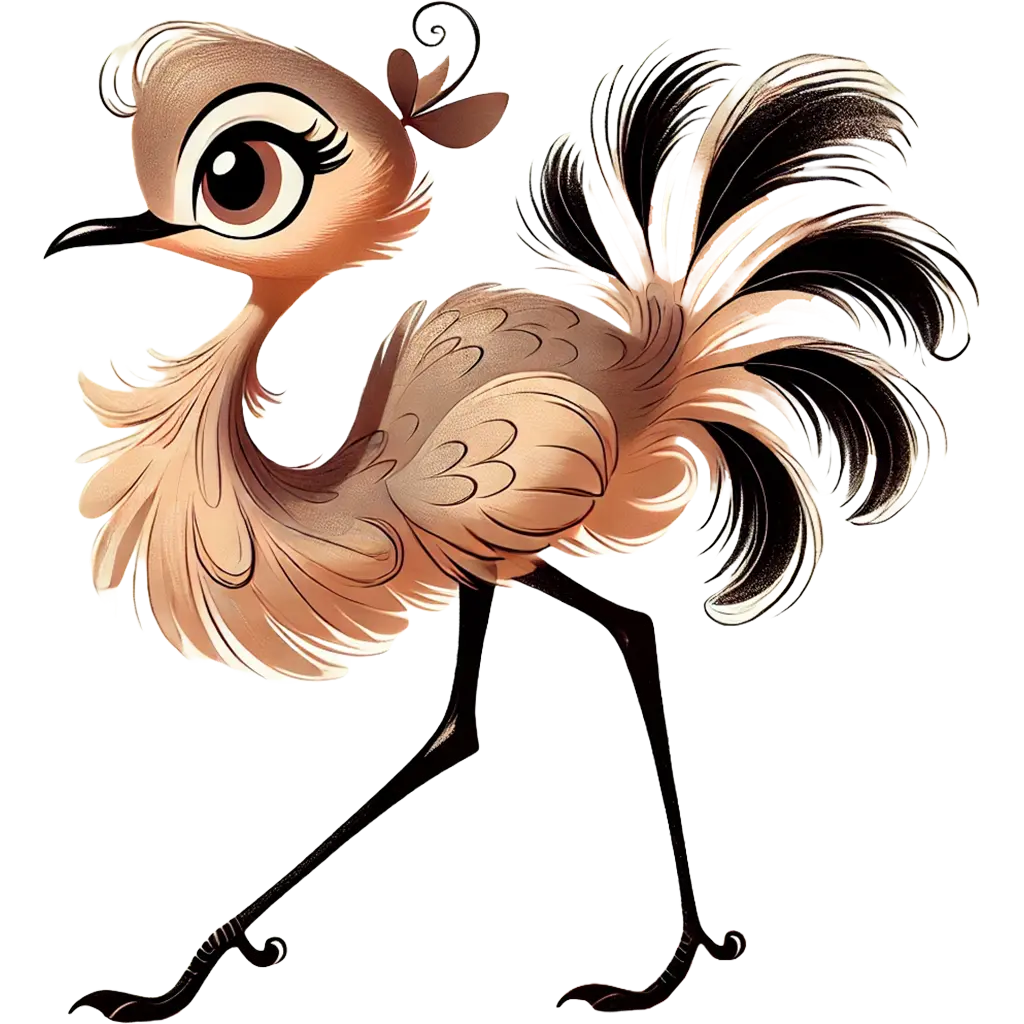
The black-legged seriema is a unique bird found in South America, mainly in grasslands and open forests.
Known for its loud, piercing calls, the black-legged seriema uses its beak to crush prey like snakes and lizards. It's a ground-dweller, preferring to walk or run rather than fly. This bird can reach speeds up to 25 km/h, making it adept at chasing down prey. Its keen eyesight helps it spot potential threats or food from a distance.

Download word search puzzles
Word Search Puzzles

Check Out Other Birds
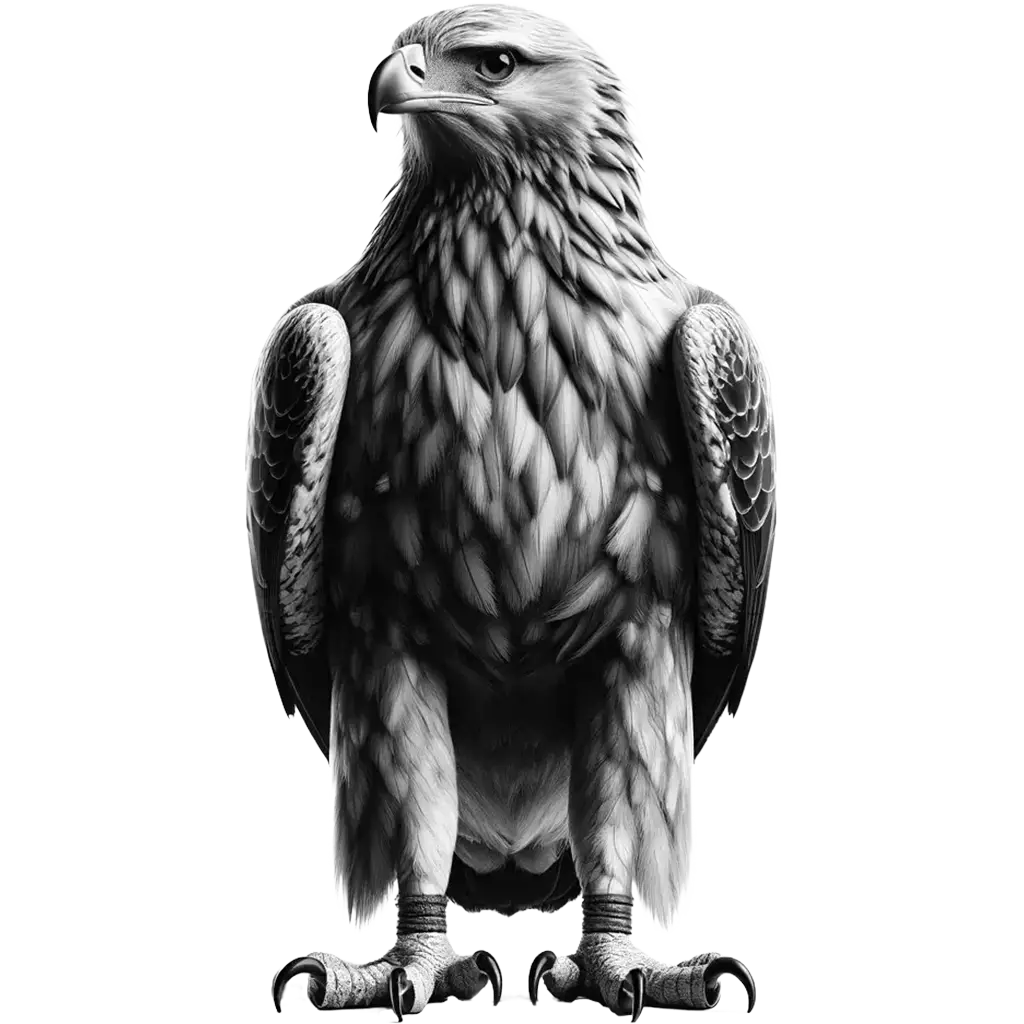
The Lesser Spotted Eagle, clanga pomarina, is a medium-sized bird of prey, distinguished by its relatively small stature compared to other eagles, with a length of about 55 to 65 cm and a wingspan ranging from 145 to 160 cm. The species exhibits a dark brown plumage overall, with lighter,
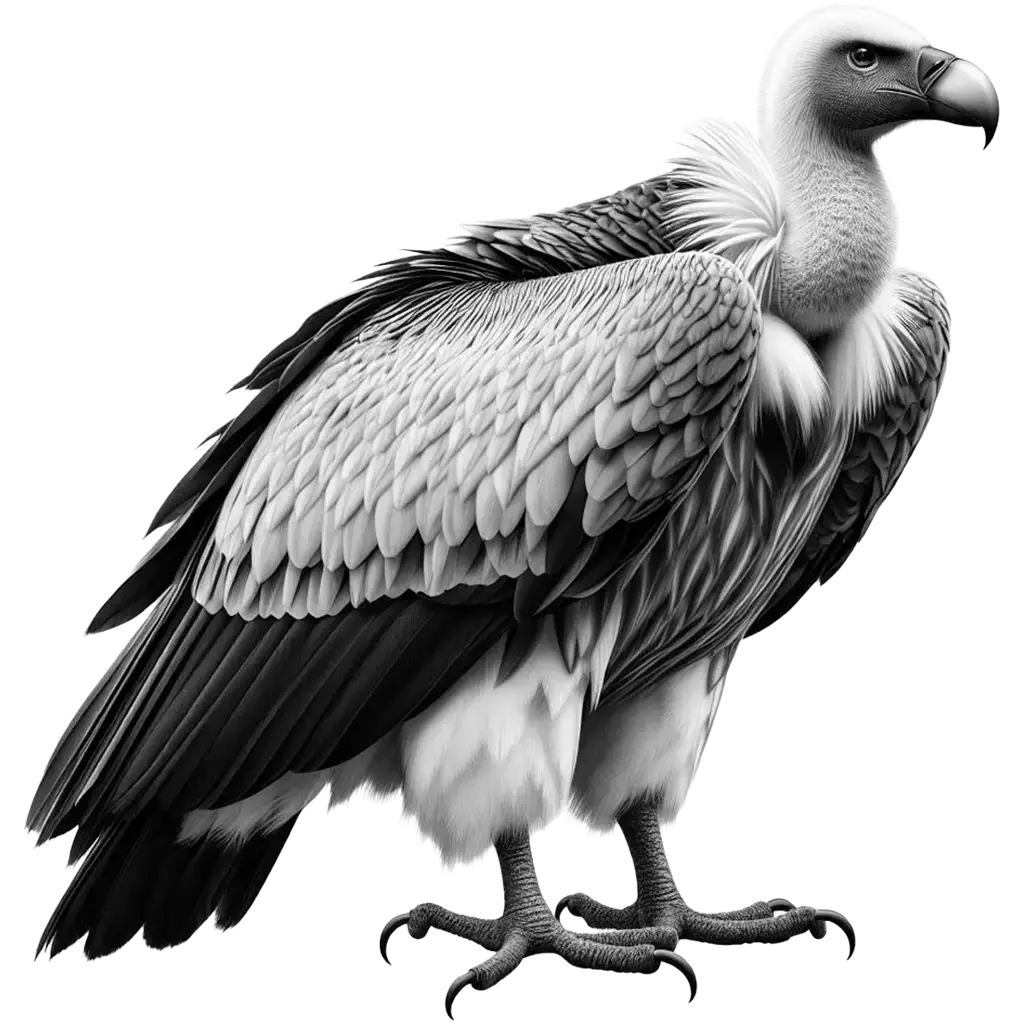
The Eurasian Griffon Vulture, gyps fulvus, is a majestic bird of prey, known for its impressive size and soaring flight. This species is one of the larger vultures, with a wingspan ranging from 230 to 280 centimeters (7.5 to 9.2 feet), and weighs between 6 to 11 kilograms (13 to
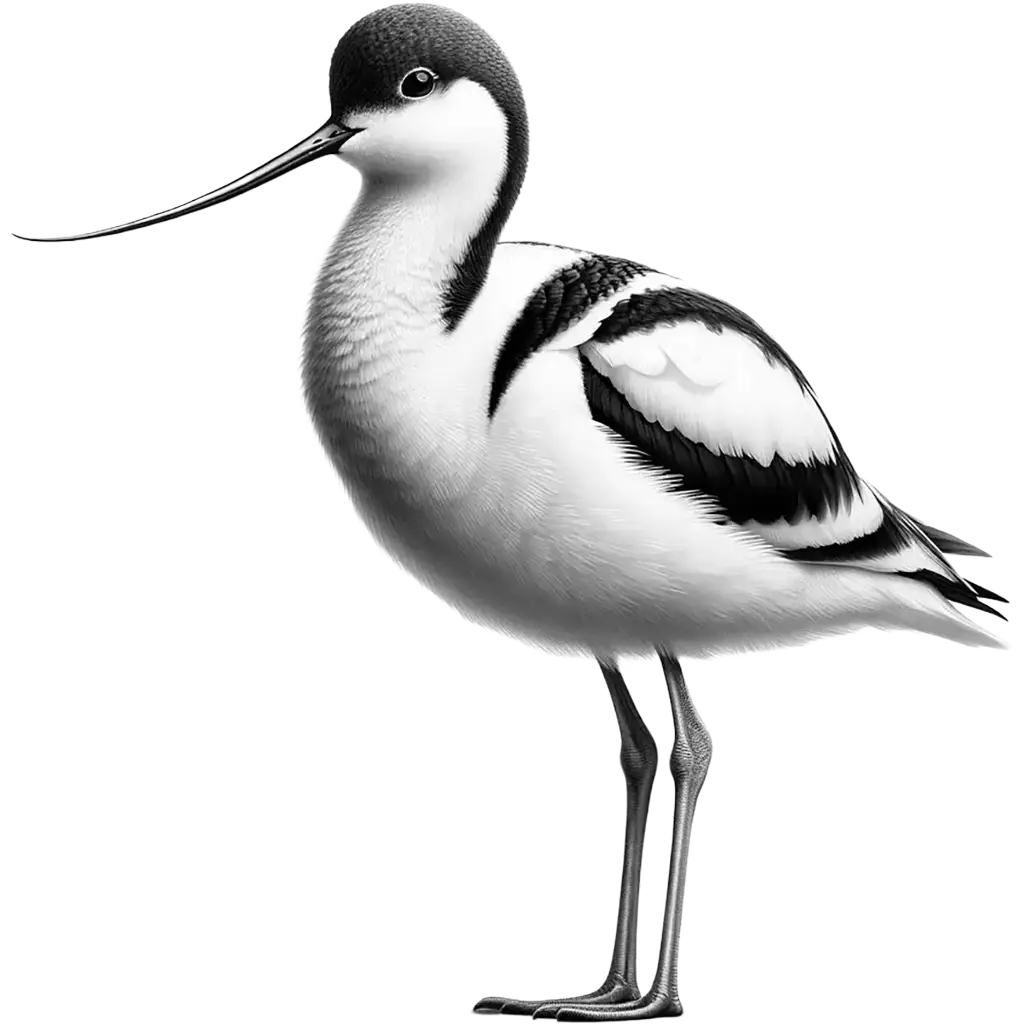
The Pied Avocet, recurvirostra avosetta, is a striking wading bird known for its elegant black and white plumage and distinctive upcurved bill. This bird typically measures about 42 to 45 cm in length, with a wingspan of 77 to 85 cm. Its long, thin legs are a pale blue, complementing
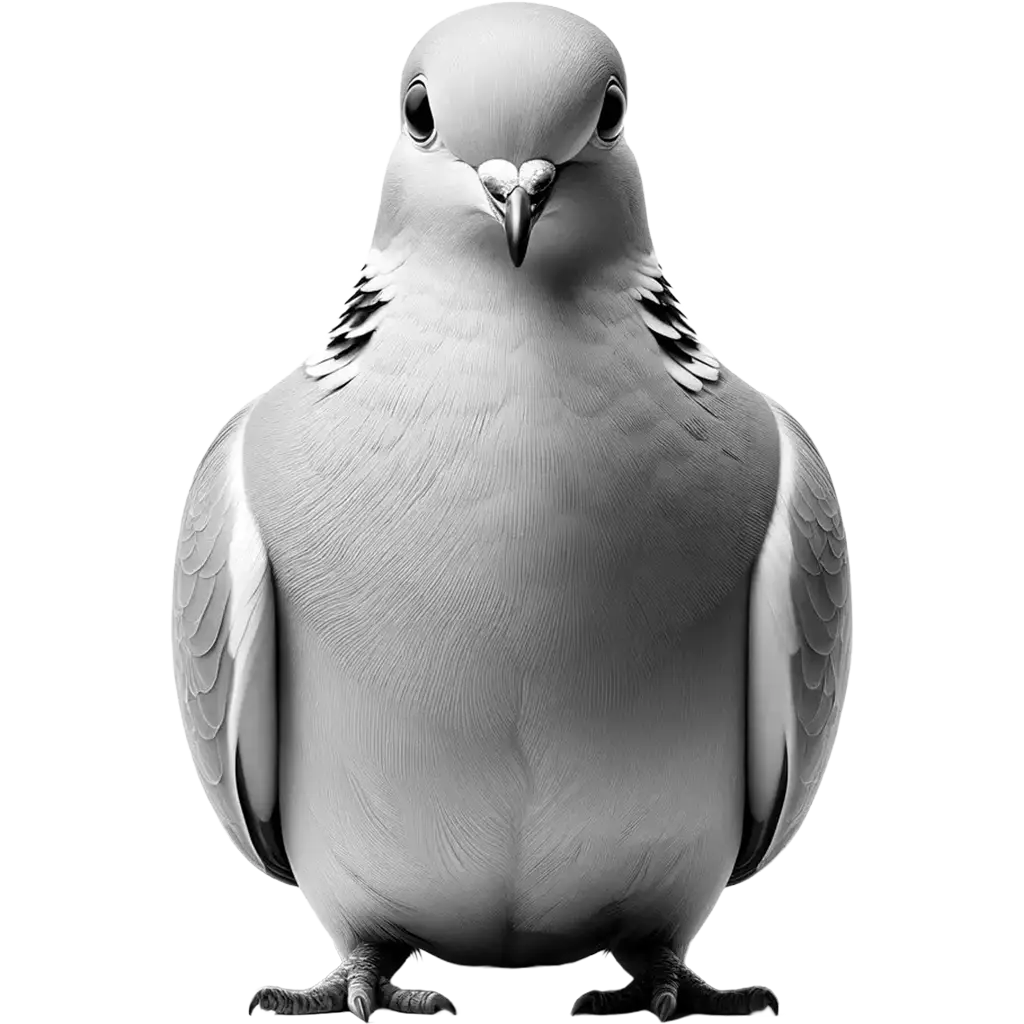
The Common Wood Pigeon, columba palumbus, is a large species of pigeon that is widespread across Europe, western Asia, and North Africa. It is easily recognizable by its size, measuring 38 to 44 cm in length and weighing between 300 to 600 grams, making it one of the larger pigeons