
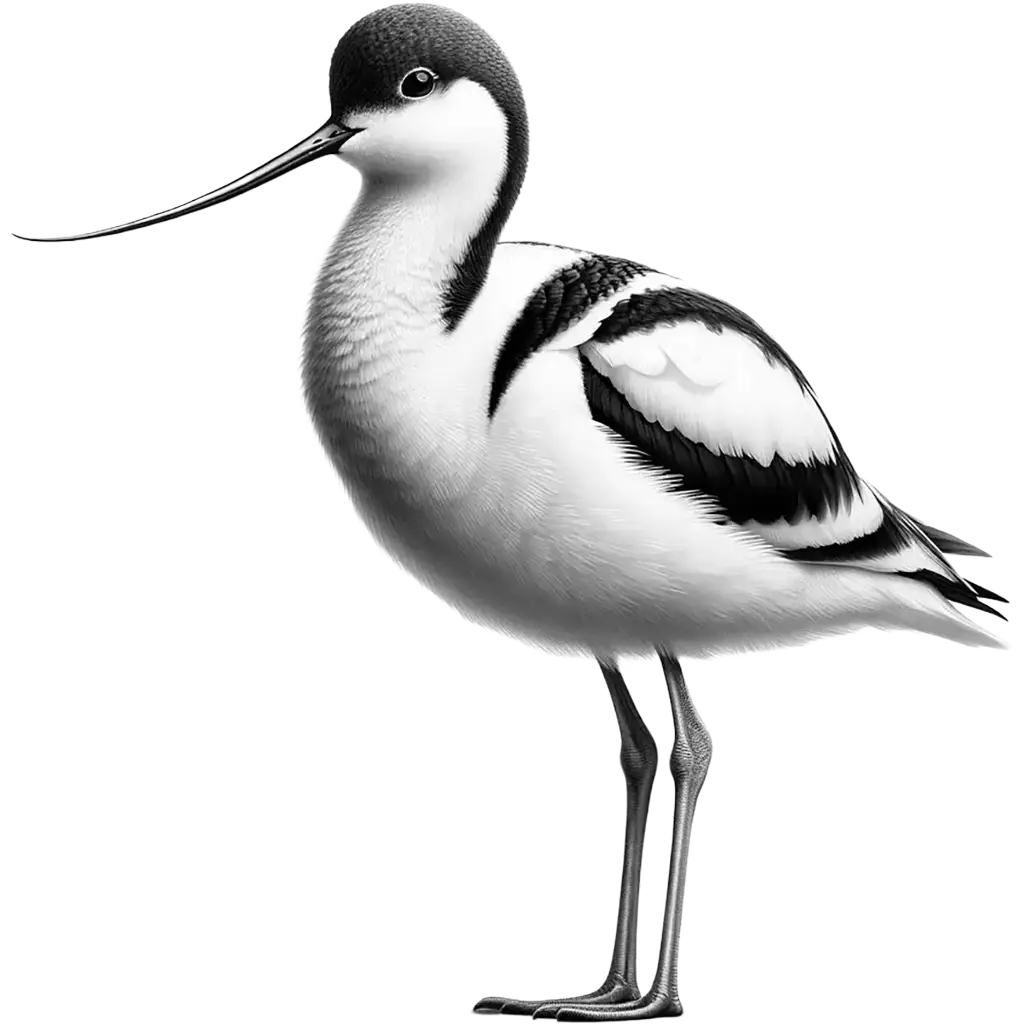
Recurvirostra Avosetta
Pied Avocet
Coastal wetlands, estuaries, saline lakes, and lagoons
The Pied Avocet, recurvirostra avosetta, is a striking wading bird known for its elegant black and white plumage and distinctive upcurved bill. This bird typically measures about 42 to 45 cm in length, with a wingspan of 77 to 85 cm. Its long, thin legs are a pale blue, complementing its sleek body shape. The avocet's most notable feature is its long, slender bill that curves upwards, enabling it to forage in shallow waters. The contrast of its black and white feathers not only adds to its visual appeal but also serves as camouflage against predators in its aquatic habitats.
| Population: | Listed as Least Concern, populations are stable or increasing due to conservation efforts |
| Generation Length: | 4-5 years |
| Average Weight: | 250-350 grams |
| Average Length: | 42-45 cm |
| Lifespan: | Up to 15 years in the wild |
| Diet: | Primarily aquatic invertebrates, supplemented by small fish and crustaceans |
| Conservation Status: | Least Concern (LC) |
Pied Avocets are highly sociable birds, often found in large flocks in saline lakes, lagoons, and estuaries across Europe and parts of Asia and Africa. They are migratory, breeding in temperate regions and wintering in warmer climates. These birds are adapted to a life spent mostly in shallow waters, where they perform a unique side-to-side sweeping motion with their bills to catch food. Their long legs allow them to wade through deeper waters, and they are excellent swimmers. Avocets are also known for their aggressive defense of nesting sites, chasing away much larger birds.
The diet of the Pied Avocet mainly consists of crustaceans, insects, and small fish. They use their upcurved bill to sift through mud and sand in shallow waters, detecting prey by touch. This specialized feeding technique allows them to consume food items that other birds cannot easily access, making them an important part of the ecosystem in maintaining the balance of aquatic life.
Breeding season for the Pied Avocet begins in the spring. They nest in colonies, with both males and females participating in building the nest, a simple scrape on the ground located near water. The female typically lays 3 to 5 eggs, which are incubated by both parents for about 23 to 25 days. The chicks are precocial, able to walk and feed themselves shortly after hatching, although they remain under the protection of their parents.
The population of the Pied Avocet is considered stable, though it faces threats from habitat destruction and disturbance at breeding and wintering sites. Conservation efforts, including the designation of protected areas and habitat restoration projects, have been successful in supporting their numbers in some regions. The Pied Avocet serves as a symbol of successful conservation stories in parts of its range, reflecting the importance of targeted efforts to preserve and restore natural habitats.
Classifications
The Key Attributes
Features
- Movement:
Walking, flying, wading
- Territorial Behavior:
Social, often found in large flocks, especially outside of breeding season
- Speed:
Capable of swift flight and agile movement in water and on land
- Diet:
Carnivore
- Physical Features:
- Long legs and upcurved bill
- Distinctive black and white plumage with a black cap
- Webbed feet for wading
- Elongated, slender neck
- Primary Senses:
- Sight
- Touch
- Hearing
Understanding Habitat and Range
Geography
- Habitat:
Coastal wetlands, estuaries, saline lakes, and lagoons
- Migration Patterns:
Migratory, with birds traveling between breeding and wintering grounds
- Geographical Range:
Europe, Asia, and Africa, depending on the season
- Climate Preferences:
Temperate to warm climates, with seasonal movements to avoid extreme cold
Navigating the Wilderness
In the wild
- Predators:
Larger birds of prey, foxes, and terrestrial predators
- Prey:
Aquatic invertebrates, small fish, and crustaceans
- Feeding Behavior:
Feeds on invertebrates, small fish, and crustaceans, often sweeping its bill through shallow water to catch prey
- Diet:
Primarily aquatic invertebrates, supplemented by small fish and crustaceans
- Defensive Mechanisms:
- Flocking in large numbers to deter predators
- Nesting in colonies to increase vigilance and protection
- Preferred Food Sources:
- Shallow waters rich in aquatic invertebrates and small fish
Insights Into Reproduction
Mating
- Mating System:
Monogamous
- Number of Offspring:
3-4 eggs
- Incubation Period:
About 23-25 days
- Parental Involvement:
- Both parents incubate the eggs and care for the young
Youngsters Section
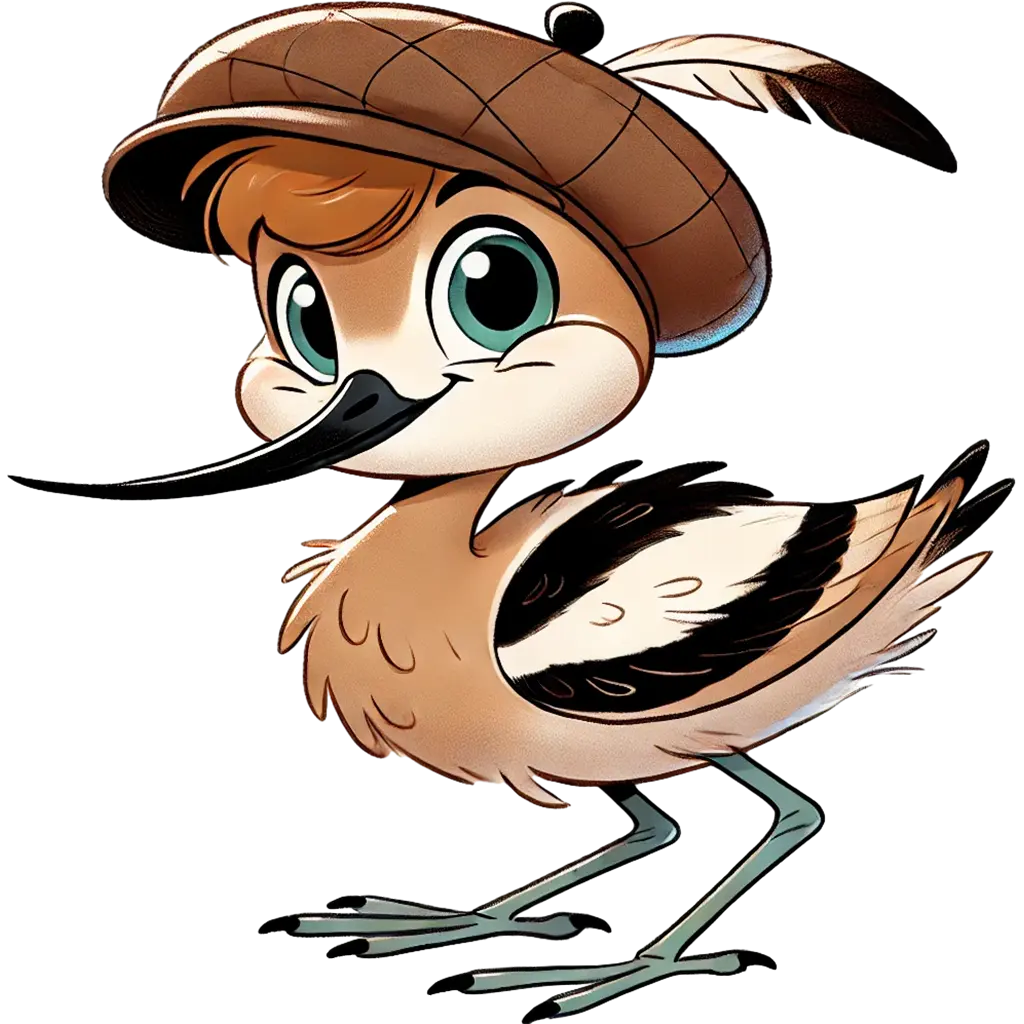
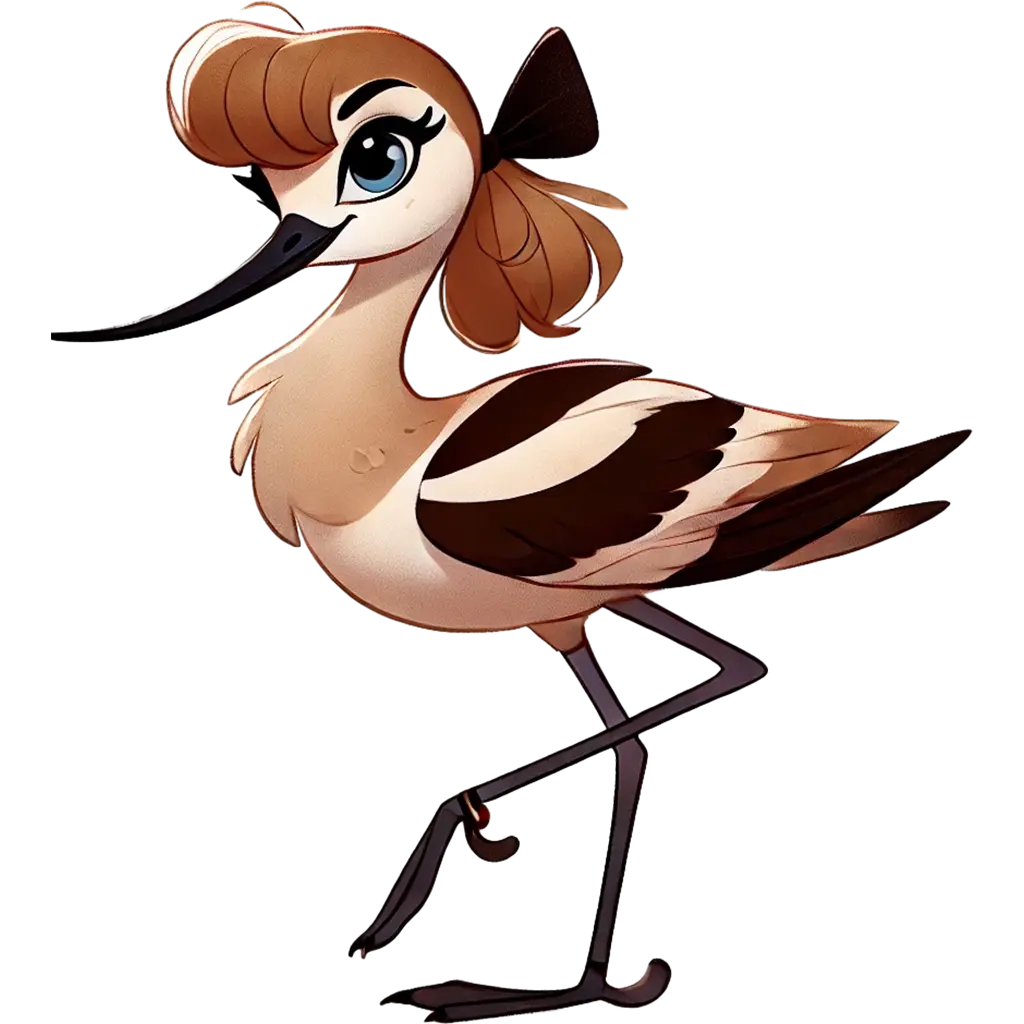
Pied Avocet
Fun Fact
The Pied Avocet is known for its striking black-and-white plumage and upturned bill.
These birds are excellent waders, using their curved bills to sweep through shallow waters. They feed mainly on crustaceans and insects. Their unique feeding technique involves skimming the water surface while walking, which helps them catch small prey efficiently.

Download word search puzzles
Word Search Puzzles
Check Out Other Birds
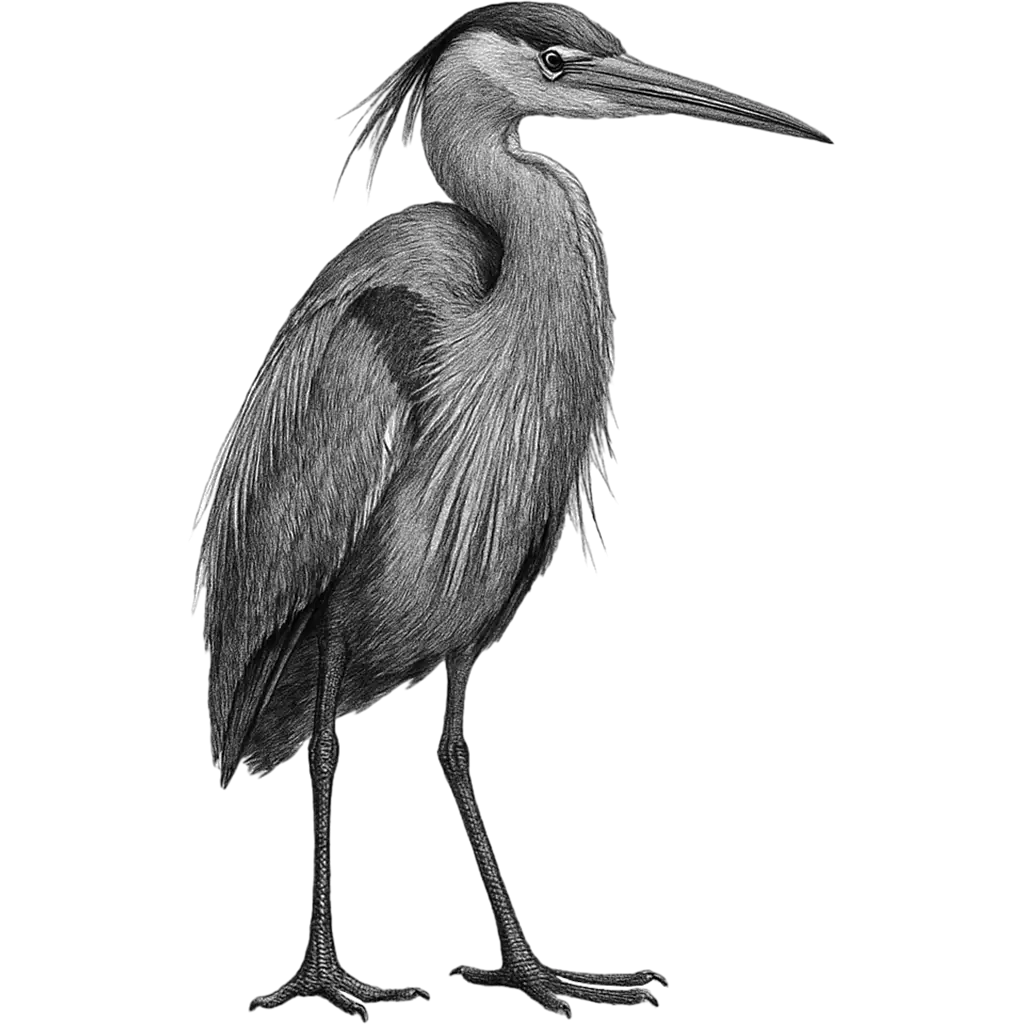
The Tricolored Heron is a slender, medium-sized wading bird measuring between fifty-six and seventy-six centimeters in length with a wingspan of approximately ninety-six centimeters. Its plumage combines slate-blue upperparts, a contrasting white belly, and a slender neck richly streaked with blue-gray, lavender, and rusty hues. During breeding season, its head
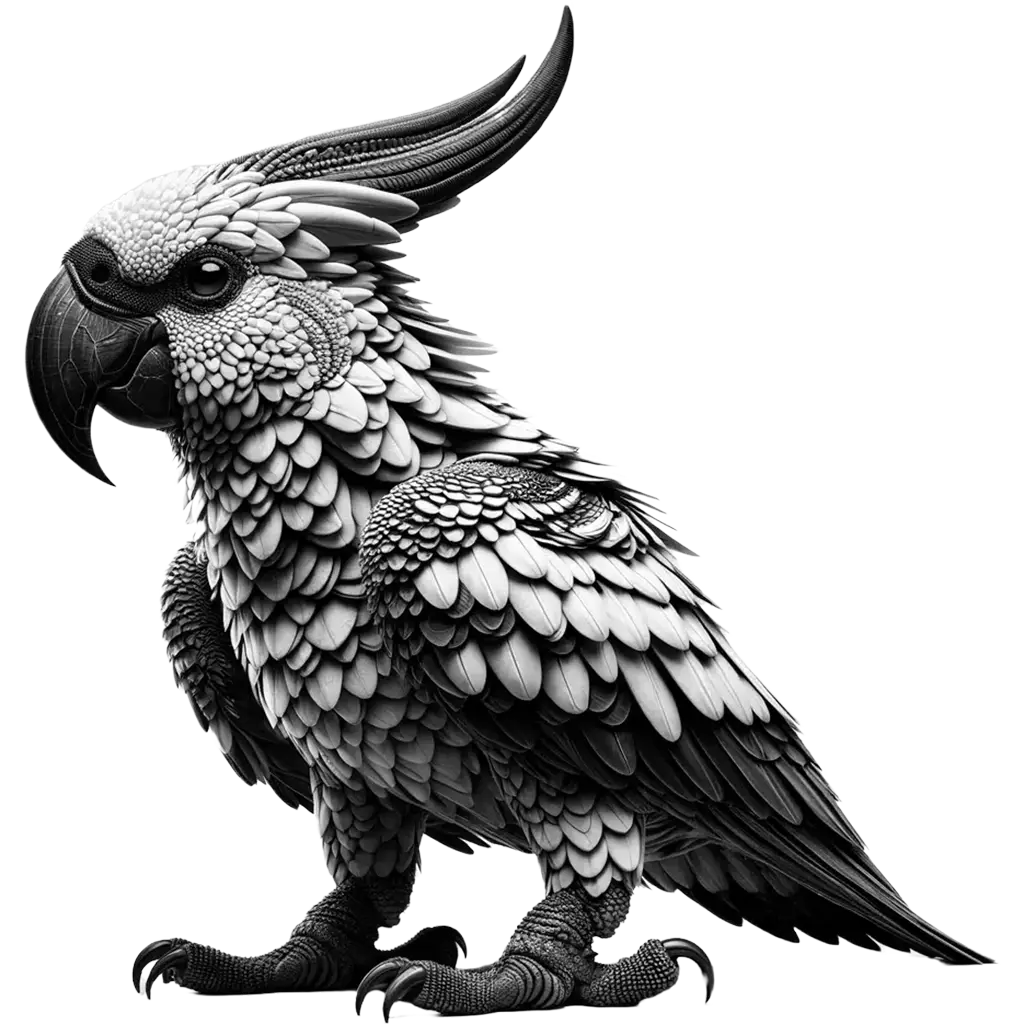
The Horned Parakeet, eunymphicus cornutus, is a vibrantly colored bird, distinguished by its unique red and blue facial markings and the notable horn-like feathers protruding from its head. This medium-sized parakeet, measuring around 32 cm in length, boasts a predominantly green plumage that blends seamlessly with the lush foliage of
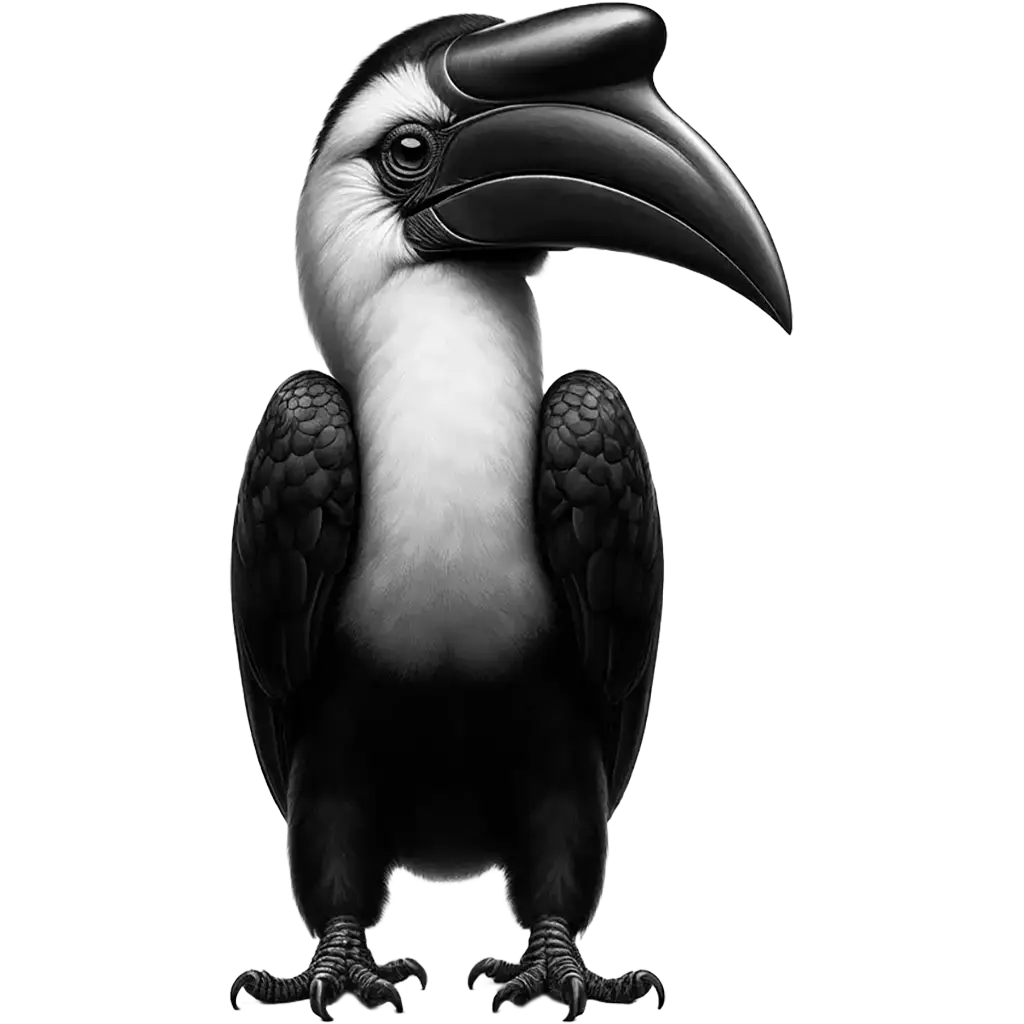
The Helmeted Hornbill, rhinoplax vigil, is a large, distinctive bird found in the rainforests of Southeast Asia, from Thailand and Malaysia to Borneo and Sumatra. This remarkable species is known for its large, solid casque atop its bill, used in aerial jousts among males. The bird measures approximately 110 to
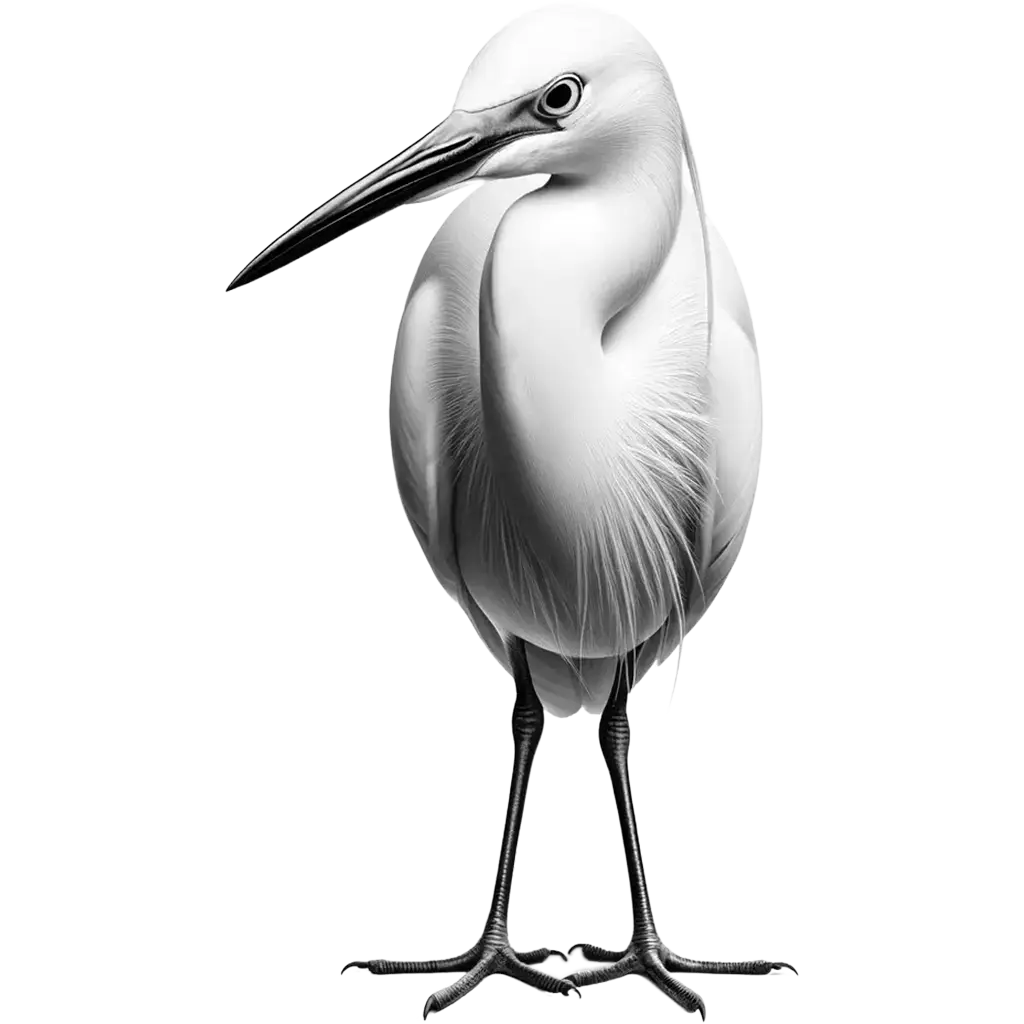
The Little Egret, egretta garzetta, is a small, graceful heron renowned for its brilliant white plumage, slender black bill, and long black legs, with distinctive yellow feet. Measuring approximately 55 to 65 cm in length with a wingspan of 88 to 106 cm, this bird possesses an elegant neck and