
Rhinoplax Vigil
Helmeted Hornbill
Tropical rainforests, particularly in primary lowland and hill forests
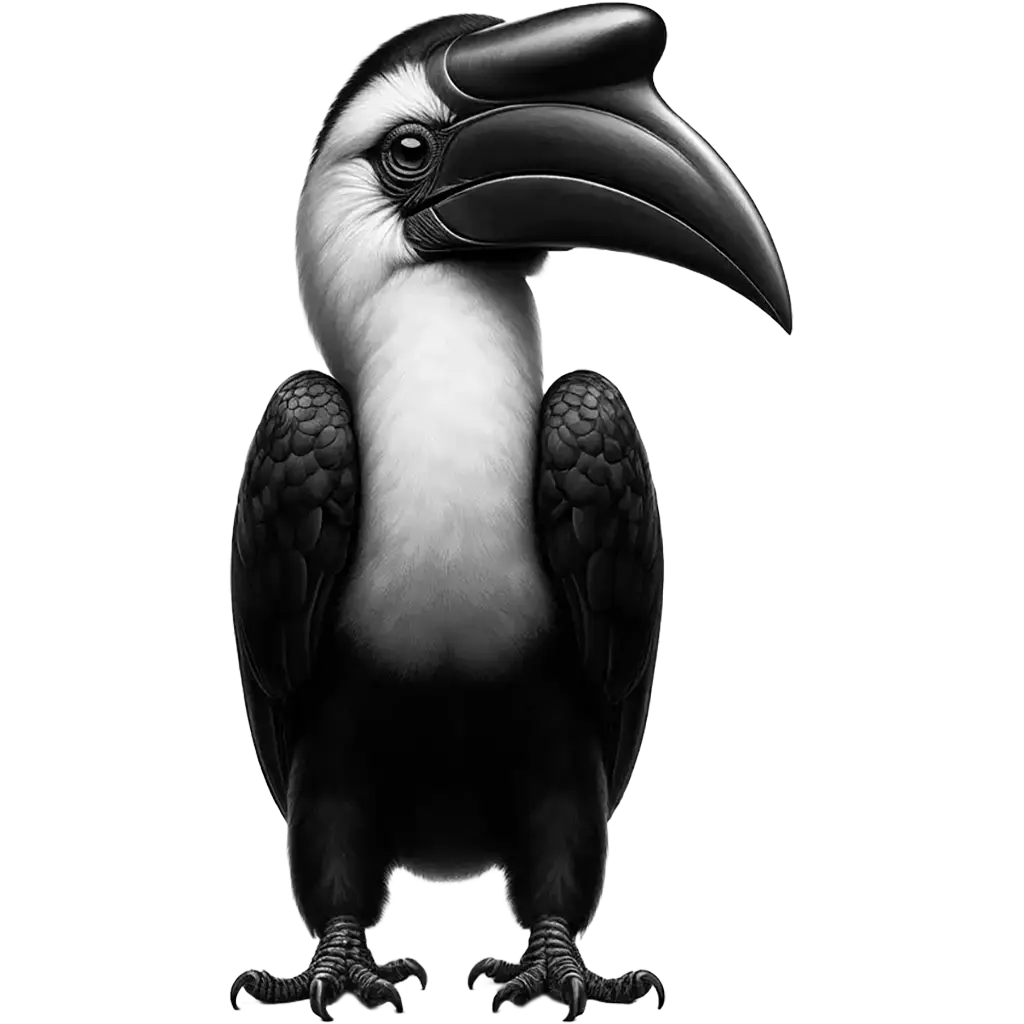
The Helmeted Hornbill, rhinoplax vigil, is a large, distinctive bird found in the rainforests of Southeast Asia, from Thailand and Malaysia to Borneo and Sumatra. This remarkable species is known for its large, solid casque atop its bill, used in aerial jousts among males. The bird measures approximately 110 to 120 cm in length, with males being significantly larger than females. The Helmeted Hornbill's plumage is primarily black, with a white belly and legs, and a patch of bare, red skin around the neck and throat, which is more pronounced in males. The casque and the bill are yellowish-white, making them highly sought after for carving and ornamental purposes.
| Population: | Listed as Critically Endangered due to hunting and habitat loss |
| Generation Length: | 10-15 years |
| Average Weight: | 2.5-3.5 kg |
| Average Length: | 110-120 cm, including the tail |
| Lifespan: | Up to 40 years in the wild |
| Diet: | Primarily frugivorous but also consumes animal matter |
| Conservation Status: | Critically Endangered (CR) |
Helmeted Hornbills are highly territorial birds, residing in the upper canopy of dense rainforests. They are known for their loud, laughing calls that can be heard over considerable distances, playing a crucial role in communication and territory establishment. These birds are mostly sedentary, maintaining territories year-round where they feed, breed, and roost.
Their diet consists mainly of fruit, particularly figs, making them important seed dispersers within their habitat. However, they also consume insects and small animals, including birds and reptiles. This diverse diet helps maintain the ecological balance within their rainforest homes.
Reproduction in Helmeted Hornbills is unique; the female seals herself into a tree cavity with mud and feces, leaving only a small slit through which the male feeds her and, eventually, their chicks. This behavior offers protection against predators. The female lays a single egg, which both parents then raise with great care.
The population of the Helmeted Hornbill is critically endangered, primarily due to habitat loss and poaching for its casque, highly valued in the illegal wildlife trade. Conservation efforts are crucial for this species and include habitat protection, law enforcement to curb poaching, and international cooperation to reduce the demand for hornbill ivory. The survival of the Helmeted Hornbill is vital for the biodiversity of Southeast Asian rainforests.
Classifications
The Key Attributes
Features
- Movement:
Flying, perching
- Territorial Behavior:
Territorial, with established territories that are defended by the male
- Speed:
Capable of fast, powerful flight
- Diet:
Omnivore
- Physical Features:
- Large size with a prominent yellow and red casque on the bill
- Long tail feathers
- Black plumage with white belly and legs
- Powerful bill used for feeding and combat
- Primary Senses:
- Sight
- Hearing
Understanding Habitat and Range
Geography
- Habitat:
Tropical rainforests, particularly in primary lowland and hill forests
- Migration Patterns:
Sedentary, with limited range movements within its habitat
- Geographical Range:
Southeast Asia, including Indonesia, Malaysia, Thailand, Myanmar, and Brunei
- Climate Preferences:
Prefers humid, tropical environments
Navigating the Wilderness
In the wild
- Predators:
Few natural predators due to size, but eggs and juveniles are vulnerable to birds of prey and arboreal mammals
- Prey:
Figs and other fruits, insects, small birds, and mammals
- Feeding Behavior:
Feeds on fruit, insects, and small animals, often foraging in the canopy
- Diet:
Primarily frugivorous but also consumes animal matter
- Defensive Mechanisms:
- Using its casque in head-to-head combat
- Loud calls to intimidate intruders and establish territory
- Strong flight capabilities to escape threats
- Preferred Food Sources:
- Areas with abundant fruiting trees, especially figs
Insights Into Reproduction
Mating
- Mating System:
Monogamous with strong pair bonds
- Number of Offspring:
One egg per breeding cycle
- Incubation Period:
Approximately 6 months, with the male providing food for the female and chick
- Parental Involvement:
- Female is sealed in a tree cavity nest during incubation and chick rearing, with the male providing food
Youngsters Section
Helmeted Hornbill
Fun Fact
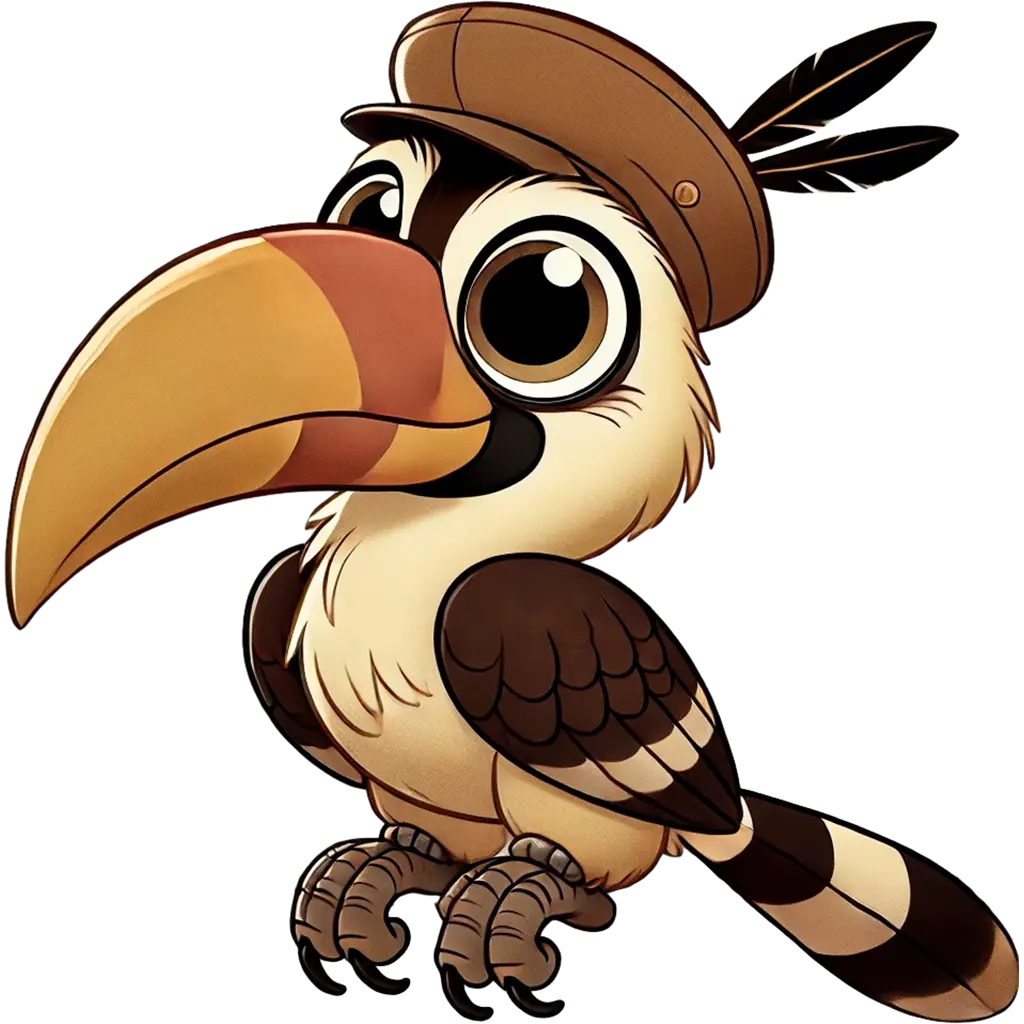
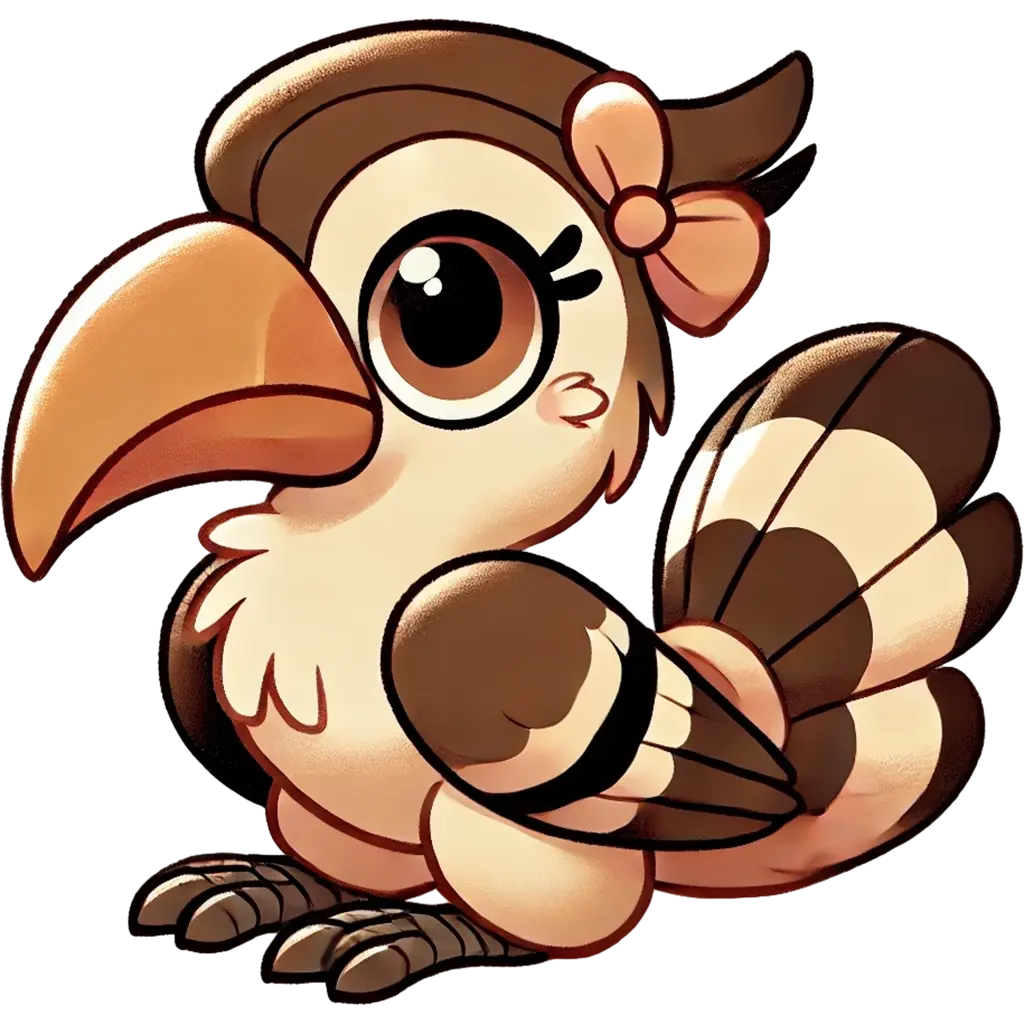
The Helmeted Hornbill is known for its unique casque, which is a solid, helmet-like structure on its beak.
This casque is highly valued in the illegal wildlife trade, used for carving and jewelry. The bird is native to the Southeast Asian rainforests and known for its loud, distinctive calls. Conservation efforts are crucial to protect this critically endangered species.

Download word search puzzles
Word Search Puzzles
Check Out Other Birds
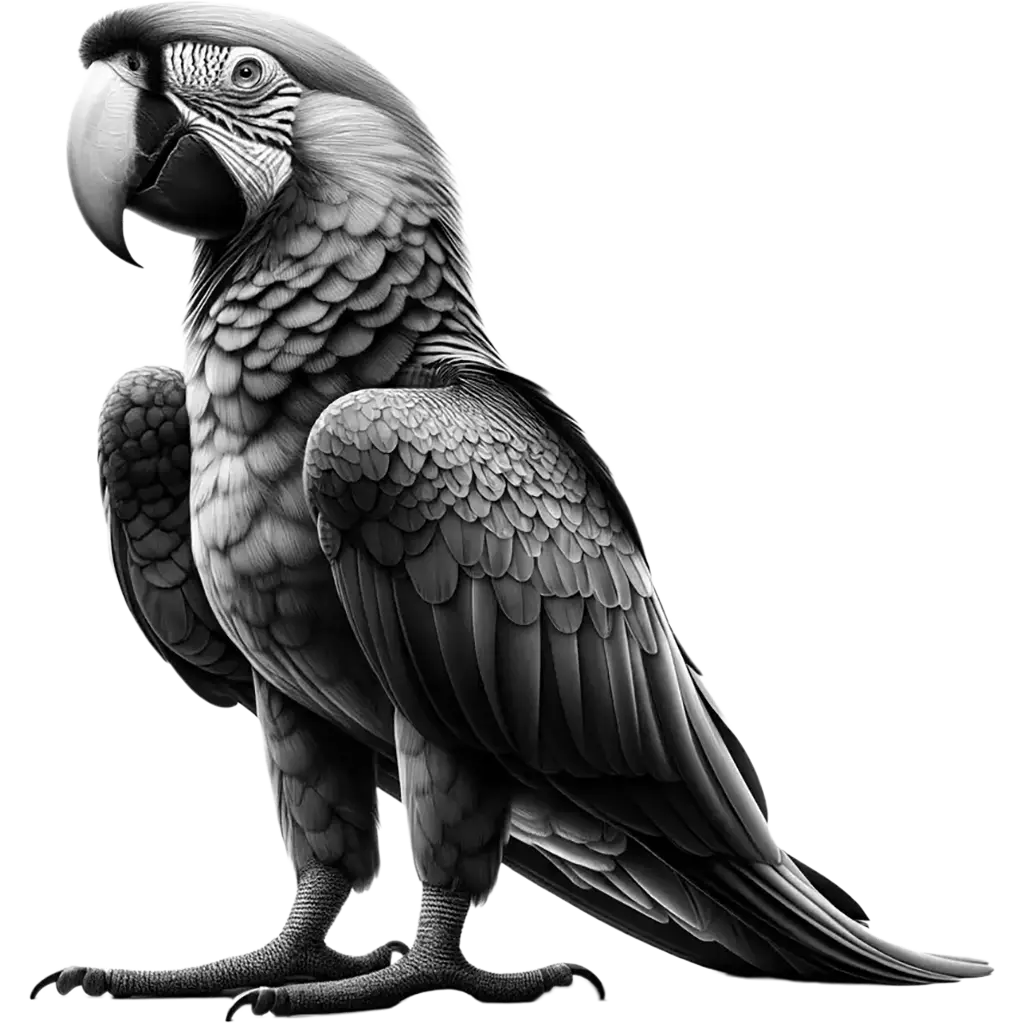
The Scarlet Macaw, ara macao, is a large, brightly colored parrot native to humid evergreen forests in Central and South America. This striking bird can reach up to 81 cm in length, including its long, pointed tail, and weighs about 1 kg. Its vibrant plumage is primarily scarlet, with blue
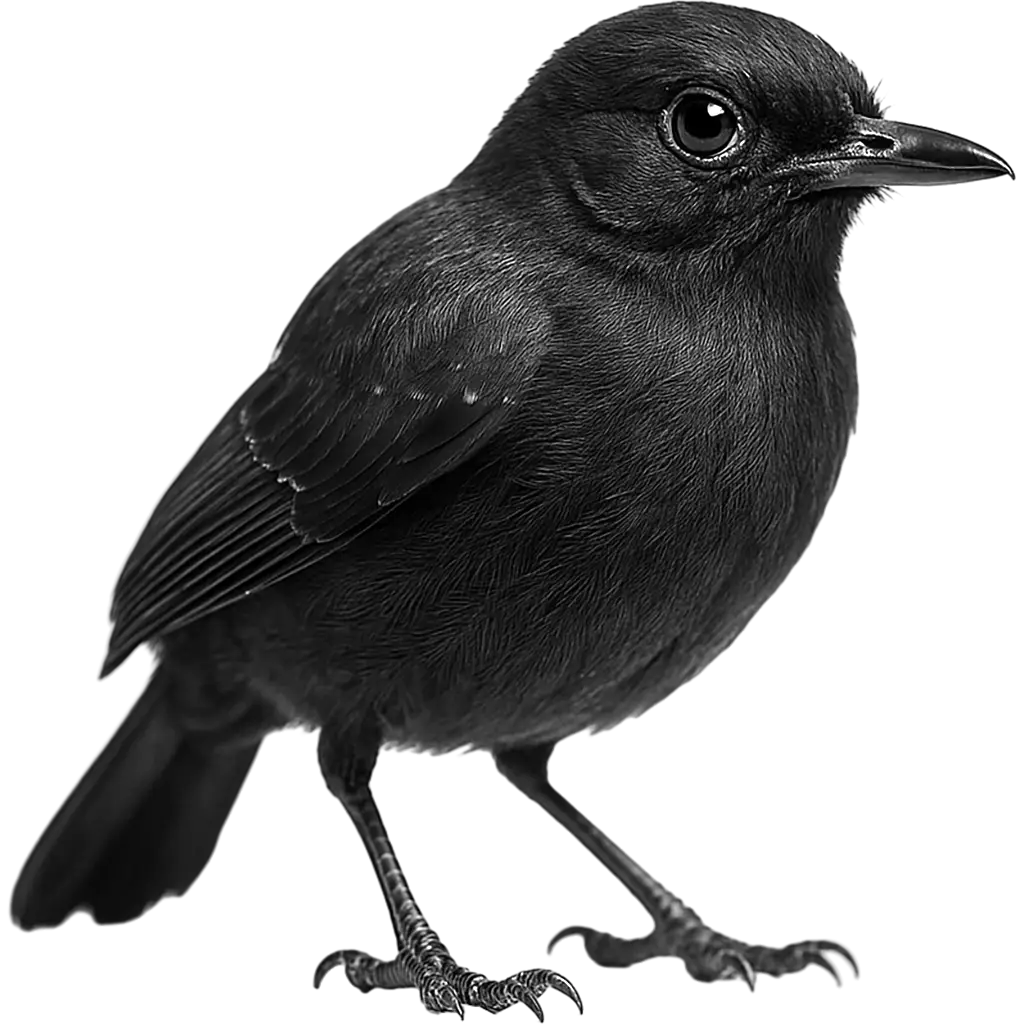
The Dusky Antbird has a modest yet distinctive appearance with muted dark plumage that blends seamlessly into the dappled shadows of the rainforest understory. Its rounded head, small sharp beak, and subtle eye-ring create a gentle expression, while a short tail and compact body enhance its agile silhouette. Soft, earthy
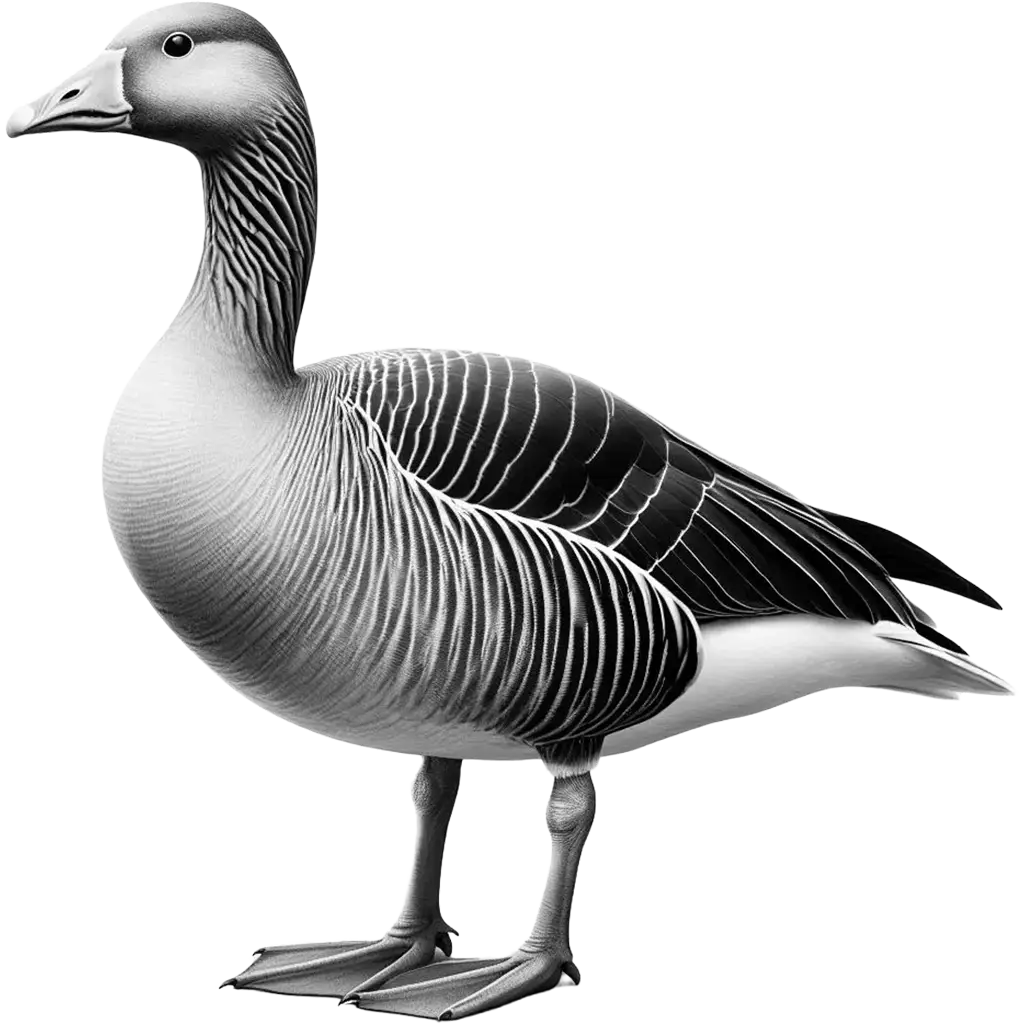
The Greylag Goose, anser anser, is a large species of waterfowl belonging to the family Anatidae, widely recognized as the ancestor of most domesticated goose breeds. Adults typically measure between 74 to 91 centimeters (29 to 36 inches) in length, with a wingspan ranging from 147 to 180 centimeters (58
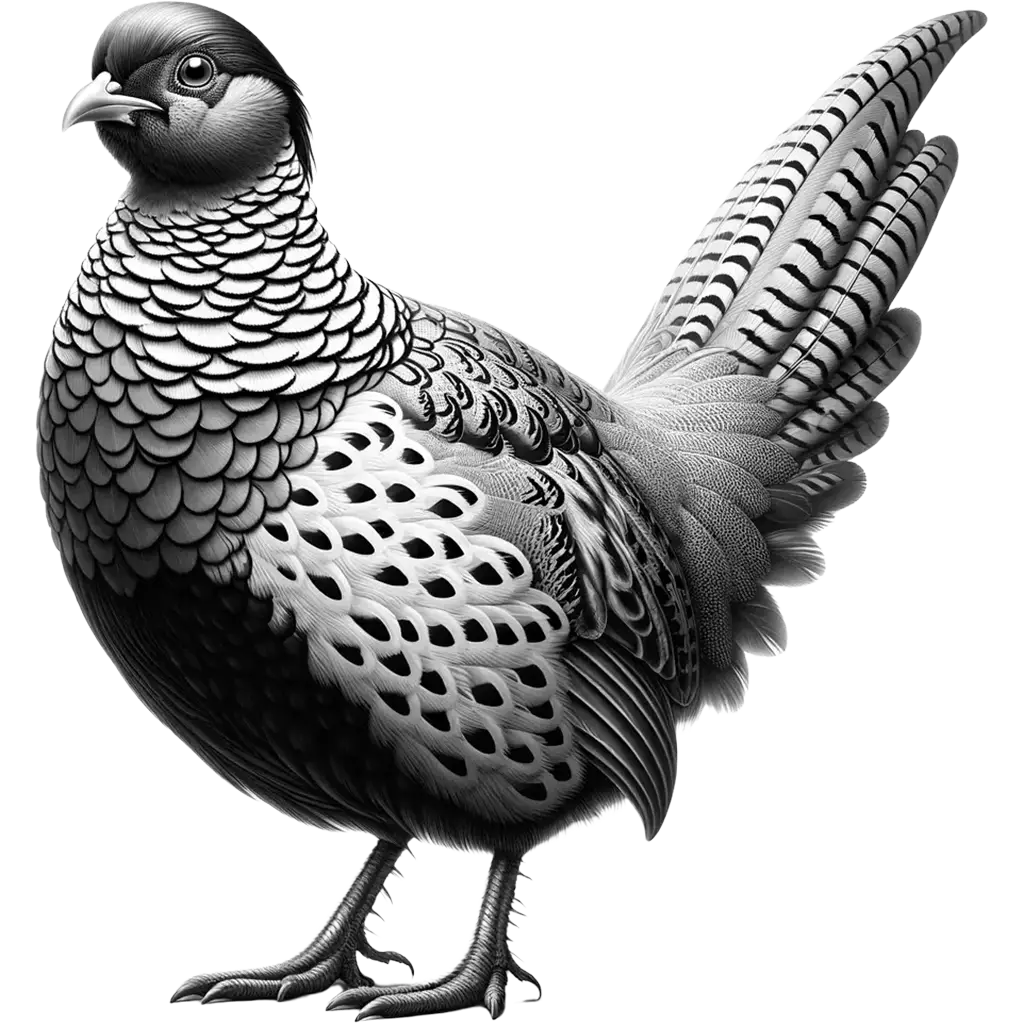
The Reeves's Pheasant, syrmaticus reevesii, is a magnificent bird known for its extraordinary tail length and striking plumage. Males are particularly notable, with tails that can reach up to 2.4 meters in length, making them one of the longest-tailed pheasants in the world. The male's plumage is a vibrant mix