
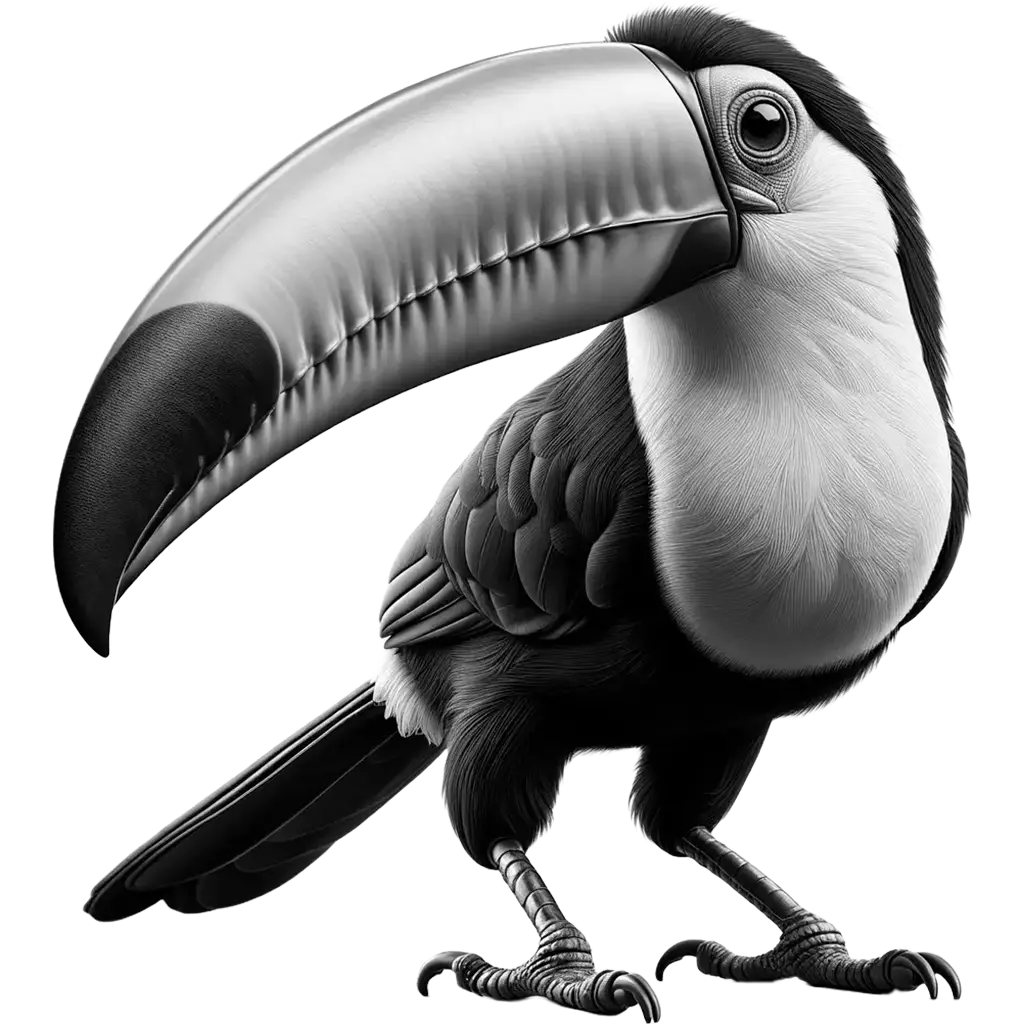
Ramphastos Vitellinus
Channel-Billed Toucan
Tropical rainforests, woodlands, and plantations
The Channel-Billed Toucan, ramphastos vitellinus, is a vibrant and charismatic bird native to Trinidad and the northern regions of South America, including Venezuela, Guyana, Suriname, French Guiana, and northern Brazil. Recognizable by its large, colorful bill, which can measure up to 14 centimeters in length, this species boasts a striking appearance. The bill's vivid colors and lightweight, spongy structure make it a tool for reaching fruit on branches too small to support the bird's weight, as well as for thermal regulation. Adults typically reach a body length of 48 to 53 centimeters, weighing between 300 to 430 grams. Their plumage is primarily black with a distinctive white throat and chest, and their eyes are surrounded by patches of blue skin.
| Population: | Not precisely quantified, but not currently considered endangered |
| Generation Length: | 4-5 years |
| Average Weight: | 400-600 grams |
| Average Length: | 48-53 cm |
| Lifespan: | 15-20 years in the wild, longer in captivity |
| Diet: | Primarily fruits, supplemented by insects, eggs, and small animals |
| Conservation Status: | Least Concern (LC) |
Channel-Billed Toucans inhabit a variety of forested environments, including tropical rainforests and savannas, where they reside in the canopy layer. They are highly social birds, often seen in small flocks, and are known for their loud, croaking calls that resonate through the forest. These toucans are frugivorous, feeding mainly on a variety of fruits, but they will also eat insects, small birds, and eggs, demonstrating an opportunistic feeding behavior.
The diet of the Channel-Billed Toucan primarily consists of fruit, but its large bill allows it to have a varied diet that includes insects, bird eggs, and small vertebrates. This diet helps control insect populations and plays a crucial role in seed dispersal for many tree species, making the toucan an important participant in its ecosystem's health and regeneration.
Reproduction for the Channel-Billed Toucan involves nesting in tree cavities, where females lay 2 to 4 eggs. Both parents share responsibilities for incubating the eggs and feeding the chicks. The young toucans are born altricial, meaning they are blind and featherless, and depend entirely on their parents for food and protection until they are ready to fledge.
The Channel-Billed Toucan is currently not considered endangered, but it faces threats from habitat loss due to deforestation and the illegal pet trade. Its striking appearance makes it a target for capture, and its habitat is being reduced by logging and agricultural expansion. Conservation efforts are focused on habitat protection and legal enforcement to regulate trade, ensuring the sustainability of the Channel-Billed Toucan's populations and the preservation of the tropical forests they inhabit.
Classifications
The Key Attributes
Features
- Movement:
Flight, hopping
- Territorial Behavior:
Social, often found in small groups
- Speed:
Capable of swift flight but often prefers to hop between tree branches
- Diet:
Omnivore
- Physical Features:
- Large, colorful bill
- Black body with a white throat
- Vivid orange around the eyes and bill
- Bright blue feet
- Primary Senses:
- Sight
- Hearing
Understanding Habitat and Range
Geography
- Habitat:
Tropical rainforests, woodlands, and plantations
- Migration Patterns:
Non-migratory, but may move locally depending on food availability
- Geographical Range:
Found in northern South America, including the Guianas, Venezuela, and parts of Colombia and Brazil
- Climate Preferences:
Tropical
Navigating the Wilderness
In the wild
- Predators:
Large birds of prey, monkeys, and snakes
- Prey:
Fruits, insects, small vertebrates
- Feeding Behavior:
Diurnal, feeds on fruit, insects, and occasionally small birds, eggs, and lizards
- Diet:
Primarily fruits, supplemented by insects, eggs, and small animals
- Defensive Mechanisms:
- Flight
- Using its large bill for defense
- Social behavior for vigilance
- Preferred Food Sources:
- A wide variety of tropical fruits
- Insects
- Small vertebrates in opportunistic scenarios
Insights Into Reproduction
Mating
- Mating System:
Monogamous
- Number of Offspring:
2-4 eggs
- Incubation Period:
16-20 days
- Parental Involvement:
- Both parents share in the incubation and feeding of chicks
Youngsters Section
Channel-Billed Toucan
Fun Fact
The Channel-Billed Toucan is known for its strikingly large bill, which can be up to 8 inches long.
This impressive bill helps them reach fruits on branches too weak to support their weight. Apart from aiding in feeding, the bill is a crucial tool for thermoregulation. By adjusting blood flow, they can control their body temperature, making it a vital adaptation for survival in their tropical habitat.

Download word search puzzles
Word Search Puzzles
Check Out Other Birds
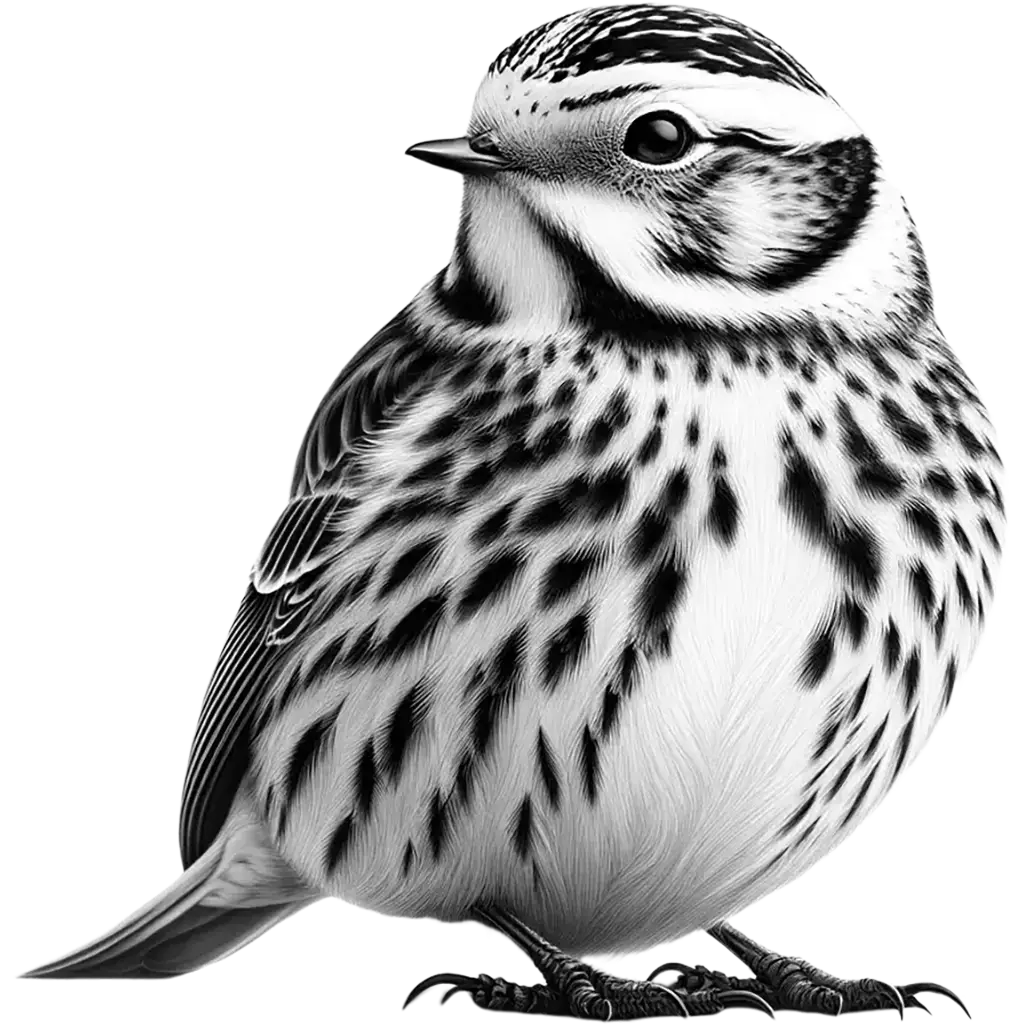
The Lapland Longspur, calcarius lapponicus, is a small, hardy bird known for its distinctive plumage and far-reaching migrations. This species exhibits a remarkable adaptation to cold environments, breeding in the Arctic tundra of North America, Europe, and Asia, and wintering in temperate and even subtropical regions. Adults typically measure about
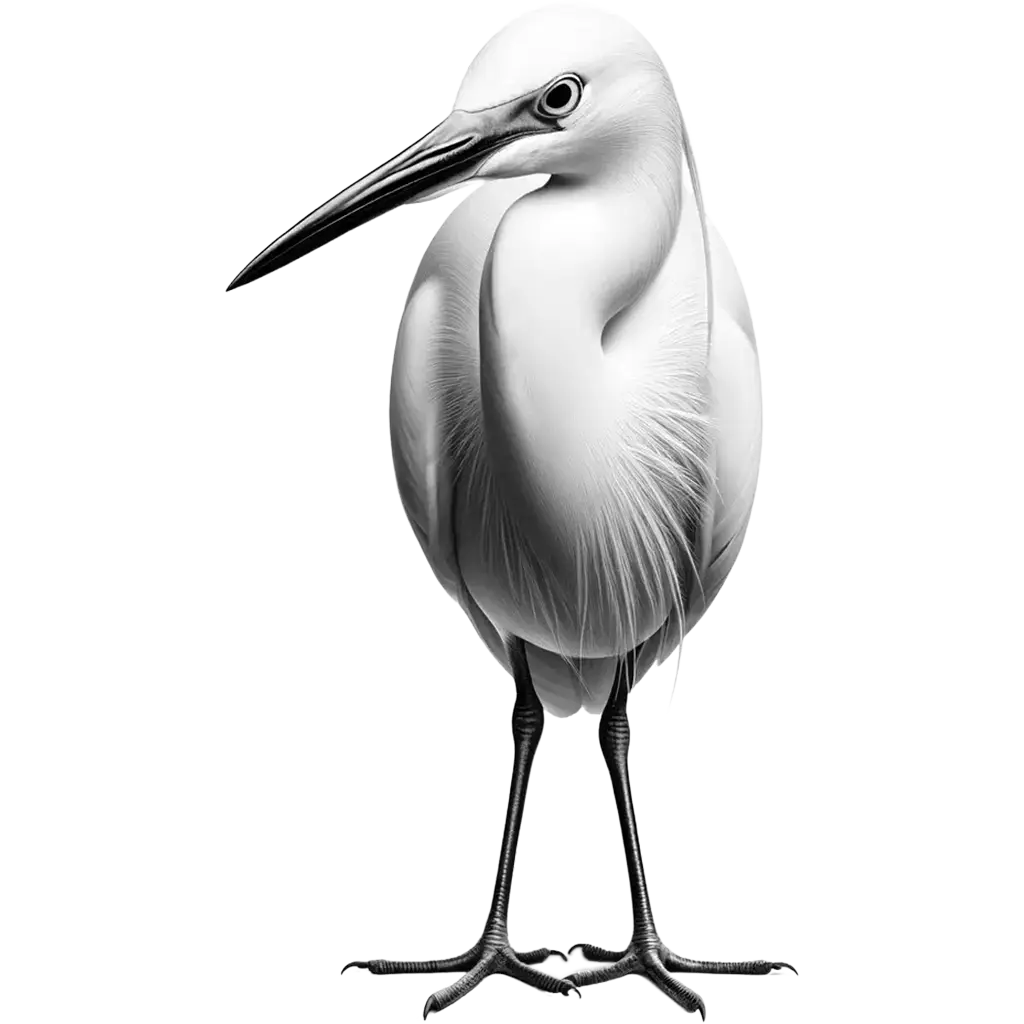
The Little Egret, egretta garzetta, is a small, graceful heron renowned for its brilliant white plumage, slender black bill, and long black legs, with distinctive yellow feet. Measuring approximately 55 to 65 cm in length with a wingspan of 88 to 106 cm, this bird possesses an elegant neck and

The Arctic Tern, sterna paradisaea, is a remarkable bird known for its extraordinary migratory journey, the longest of any animal in the world, covering distances of up to 90,000 kilometers annually from its breeding grounds in the Arctic to its wintering grounds in the Antarctic and back. This slender bird
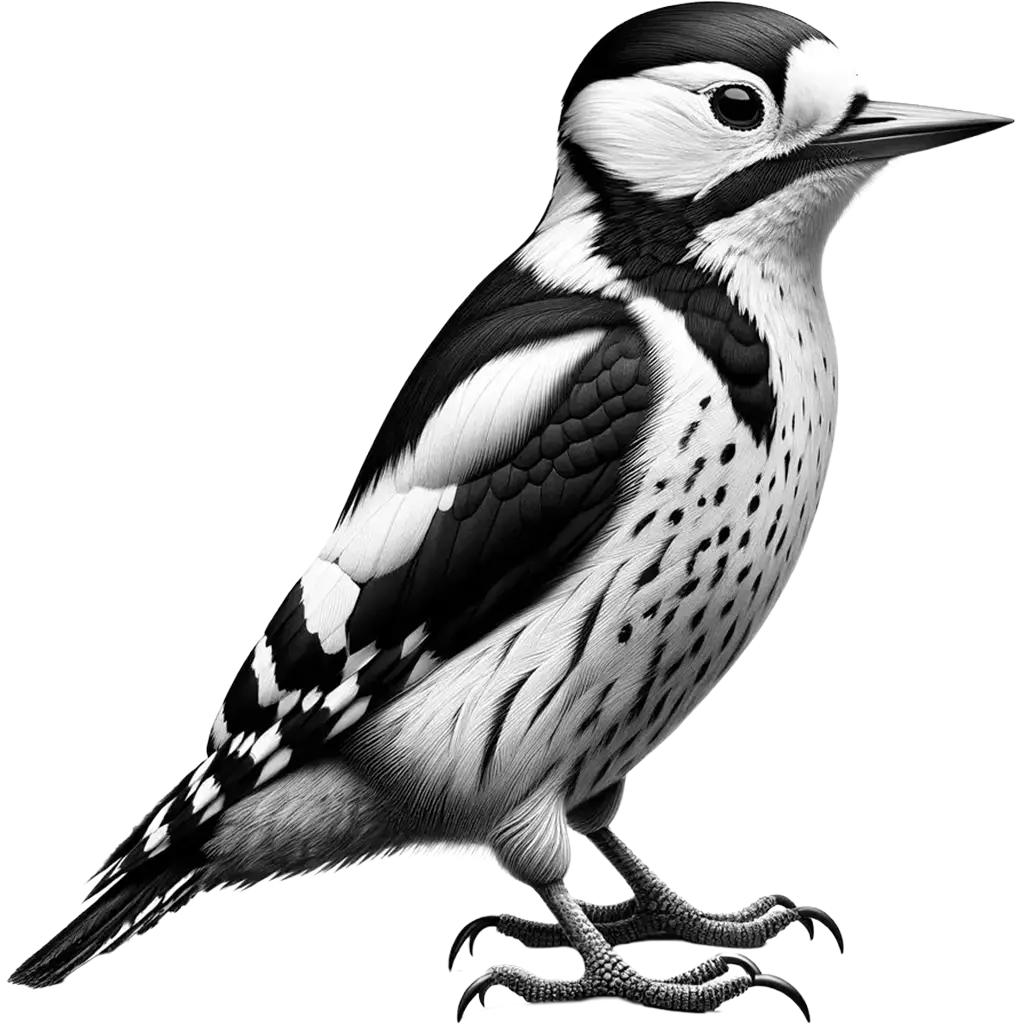
The Middle Spotted Woodpecker, dendrocoptes medius, is a small-sized woodpecker native to the broadleaf forests of Europe and parts of Asia. This species is distinguished by its distinctive plumage: a white underside with black spots and streaks, and a pinkish-red lower belly. The back is predominantly black with white spots,