
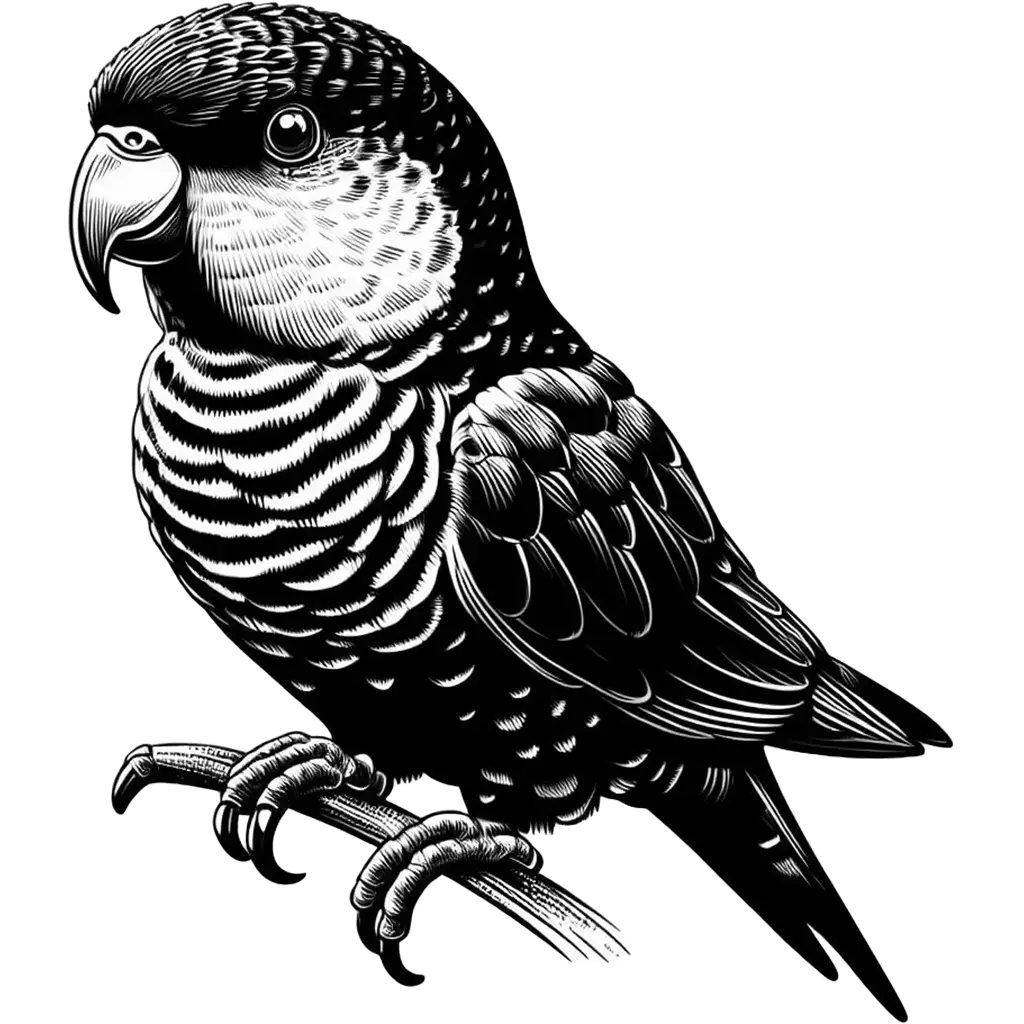
Trichoglossus Haematodus
Coconut Lorikeet
Tropical and subtropical rainforests, woodlands, and urban gardens
The Coconut Lorikeet, trichoglossus haematodus, is a vibrant, medium-sized parrot native to a wide range of habitats across Southeast Asia, Oceania, and parts of East Indonesia. Characterized by its bright green plumage, blue head, and red and yellow breast, this bird is a striking sight in its natural environment. Adults typically measure around 26 to 30 centimeters in length and weigh between 100 to 157 grams. Their beak is orange-red, complemented by dark, expressive eyes. A distinctive feature of the Coconut Lorikeet is its brush-tipped tongue, which is specially adapted to extract nectar and pollen from flowers, though their diet also includes fruits, seeds, and small insects.
| Population: | Widespread and common, not currently considered threatened |
| Generation Length: | 5 years |
| Average Weight: | 100-157 grams |
| Average Length: | 26 cm |
| Lifespan: | Up to 20 years in captivity; lifespan in the wild varies |
| Diet: | Mainly nectar; supplemented with fruits, flowers, and insects |
| Conservation Status: | Least Concern (LC) |
Coconut Lorikeets thrive in a variety of settings, including rainforests, coastal forests, mangroves, and even urban areas with sufficient green spaces. They are highly social birds, often found in pairs or small flocks, and are known for their loud, chattering calls and playful antics. These lorikeets are agile flyers, capable of fast, direct flight with rapid wing beats, making them well-suited to their dynamic habitats.
The diet of the Coconut Lorikeet primarily consists of nectar and pollen, which they gather with their specialized tongues from a variety of flowers. This diet is supplemented with fruits, berries, and occasional insects, providing the lorikeets with a balanced intake of nutrients. Their feeding habits play a crucial role in the pollination of many tropical plants, highlighting their importance in maintaining healthy ecosystems.
Reproduction for the Coconut Lorikeet typically involves monogamous pairs that nest in tree cavities. Females lay 2 to 3 eggs per clutch, which are incubated for about 25 days. Both parents share in feeding and caring for the chicks, which fledge the nest approximately 8 weeks after hatching. The strong bond between mating pairs and their shared commitment to chick-rearing are notable aspects of their social behavior.
The Coconut Lorikeet is considered to be of Least Concern by conservation standards, thanks to its wide distribution and large, stable populations. However, they are subject to the same threats facing many bird species, including habitat loss due to deforestation and capture for the pet trade. Conservation efforts focus on habitat protection and legal regulation of trade to ensure the continued survival and prosperity of these colorful and ecologically important birds.
Classifications
The Key Attributes
Features
- Movement:
Flight
- Territorial Behavior:
Social, living in flocks
- Speed:
Fast and agile fliers
- Diet:
Nectarivore, also eats fruits, flowers, and insects
- Physical Features:
- Bright green plumage with blue head and underparts
- Red beak with a black tip
- Yellow and green collar
- Primary Senses:
- Sight
- Taste
Understanding Habitat and Range
Geography
- Habitat:
Tropical and subtropical rainforests, woodlands, and urban gardens
- Migration Patterns:
Sedentary with some local movements for food
- Geographical Range:
Found across Southeast Asia, Australia, and the Pacific Islands
- Climate Preferences:
Tropical and subtropical climates
Navigating the Wilderness
In the wild
- Predators:
Birds of prey, snakes, and large lizards
- Prey:
Nectar, fruits, insects
- Feeding Behavior:
Feeds primarily on nectar using its brush-tipped tongue, also consumes fruits, flowers, and insects
- Diet:
Mainly nectar; supplemented with fruits, flowers, and insects
- Defensive Mechanisms:
- Flight
- Flocking behavior
- Preferred Food Sources:
- Nectar from a variety of flowers
- Fruits
- Insects as a protein source
Insights Into Reproduction
Mating
- Mating System:
Monogamous
- Number of Offspring:
2-3 eggs
- Incubation Period:
About 25 days
- Parental Involvement:
- Both parents incubate the eggs and feed the chicks
Youngsters Section
Coconut Lorikeet
Fun Fact
Coconut Lorikeets have a brush-tipped tongue for feeding on nectar and soft fruits.
These vibrant parrots are native to the Australasian region. Their specialized tongues allow them to efficiently extract nectar from flowers, playing a crucial role in pollination. They also have a playful nature and are often seen engaging in acrobatic antics.

Download word search puzzles
Word Search Puzzles
Check Out Other Birds
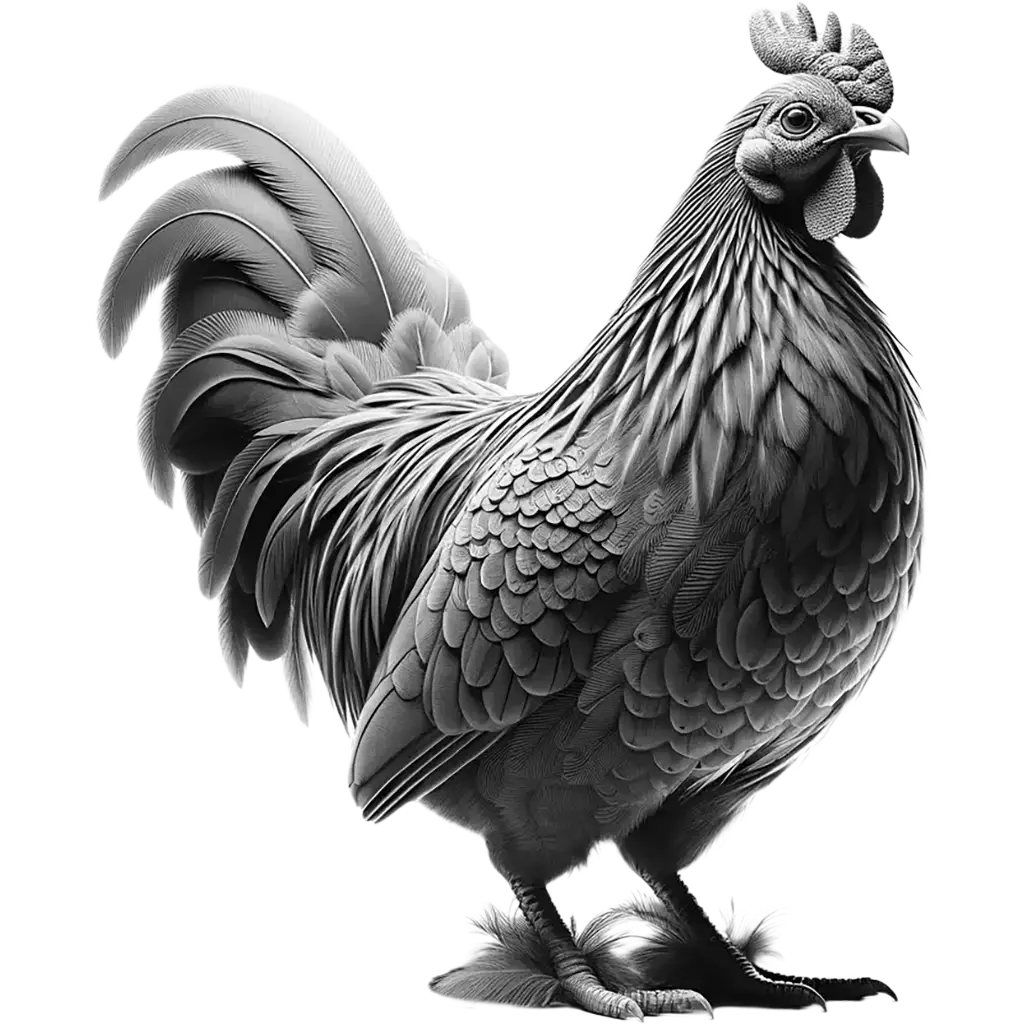
The Grey Junglefowl, gallus sonneratii, is a wild bird native to the Indian subcontinent, known for its striking appearance and as one of the ancestors of the domestic chicken. Males are particularly vibrant, with a combination of golden, black, and white plumage, and a distinctive red comb and wattles. They
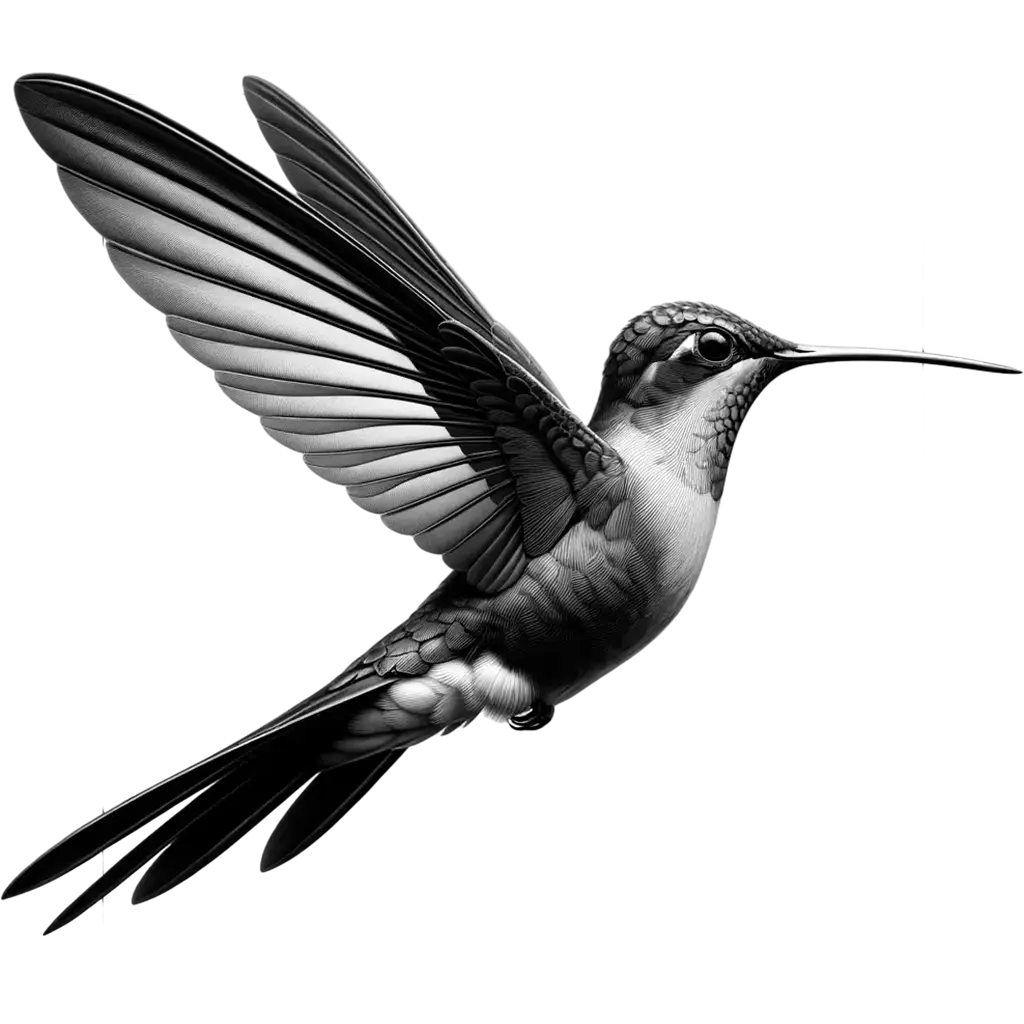
The Sword-Billed Hummingbird, ensifera ensifera, stands out as one of the most extraordinary species of hummingbirds, primarily due to its remarkable bill, which is longer than its body, excluding the tail. This unique adaptation, measuring up to 11 cm in length, allows it to access nectar from deep tubular flowers
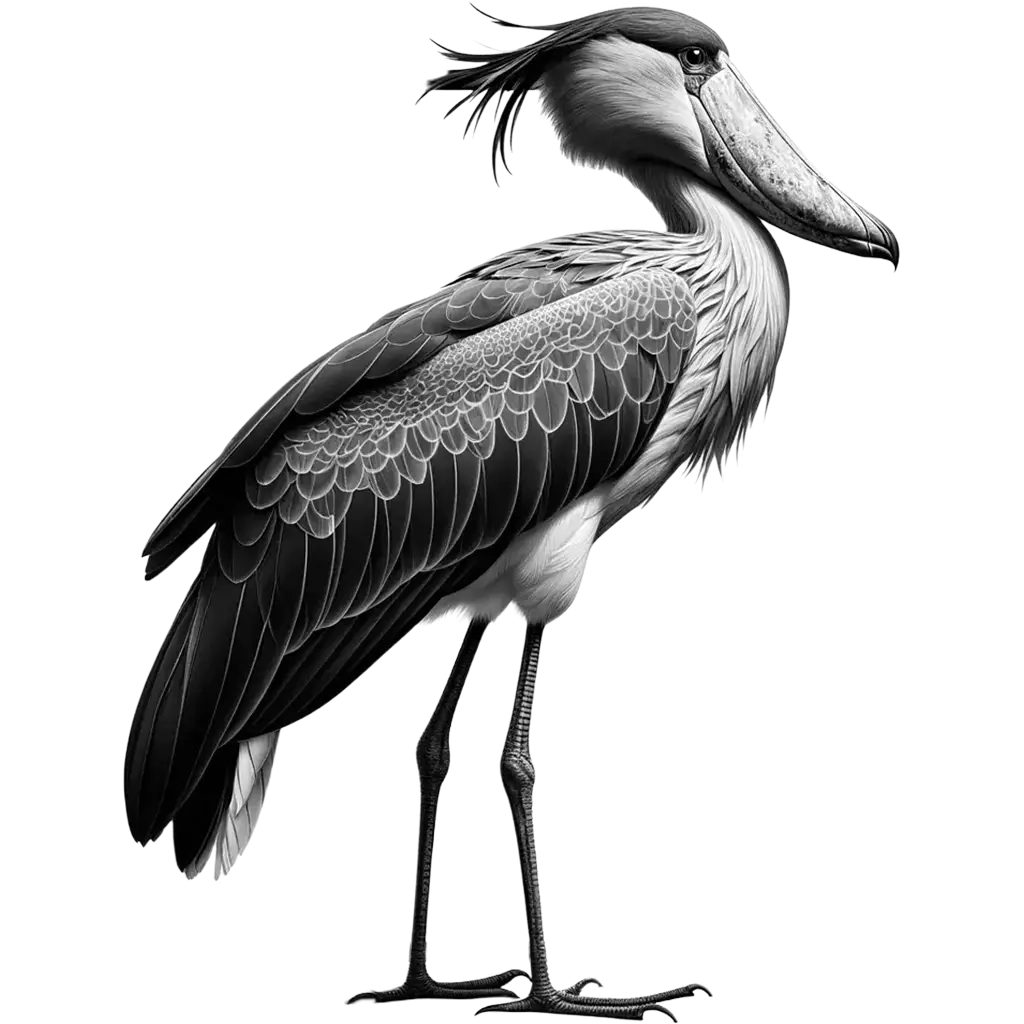
The Shoebill, balaeniceps rex, is a large, prehistoric-looking bird native to the freshwater swamps of central tropical Africa. Known for its massive, shoe-shaped bill, which can grow up to 24 cm in length, the Shoebill stands approximately 110 to 140 cm tall and exhibits a wingspan of about 230 to

Sabine's Gull, xema sabini, is a small and distinctive seabird known for its striking plumage and unique migratory patterns. Adults display a slender, graceful profile with a wingspan of approximately 81 to 84 cm. Their summer plumage features a dark hood, white triangles on the leading edges of the wings,