
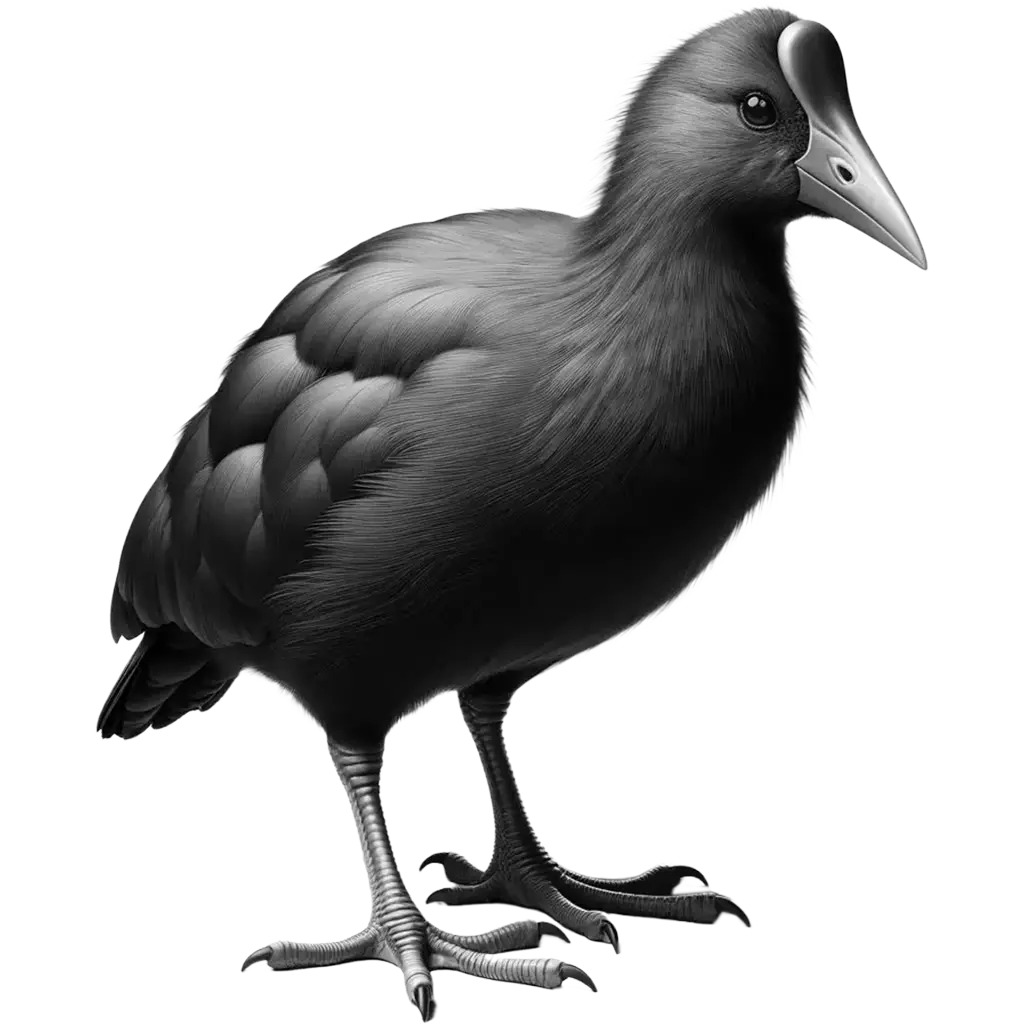
Porphyrio Melanotus
Australasian Swamphen
Freshwater wetlands, swamps, and reed beds
The Australasian Swamphen, porphyrio melanotus, formerly known as the Purple Swamphen, is a vivid and sizeable waterbird that is part of the rail family. This species is easily identifiable by its deep blue plumage, contrasting with its black back and wings. Adults have a distinctive red beak and frontal shield, which add a splash of color to their overall dark appearance. They typically measure between 40 to 50 cm in length, making them one of the larger species within their habitat. The long, coral-red legs and toes are well adapted for walking on the floating vegetation and soft mud of their wetland environments.
| Population: | Listed as Least Concern, with stable populations |
| Generation Length: | 3-5 years |
| Average Weight: | 1-1.5 kg |
| Average Length: | 40-50 cm |
| Lifespan: | Up to 7 years in the wild |
| Diet: | Feeds on a wide range of items from plants to small aquatic organisms |
| Conservation Status: | Not Evaluated (NE) |
Native to the wetlands of Australia, New Zealand, and parts of the Pacific and Southeast Asia, the Australasian Swamphen prefers habitats that include reed beds, swamps, and marshes. They are highly adaptable birds that can also be found in man-made water bodies, such as agricultural and urban wetlands. These birds are known for their loud calls and aggressive behavior, especially when defending their territory.
The diet of the Australasian Swamphen is omnivorous but mainly consists of plant material, including shoots, leaves, and seeds of aquatic vegetation. They also consume insects, snails, and small fish, showcasing their opportunistic feeding habits. This varied diet allows them to thrive in a wide range of wetland environments.
Reproduction for the Australasian Swamphen involves communal living, where several birds share a territory and contribute to nesting duties. They build large, bulky nests from reeds and other plant material, usually in dense vegetation to conceal them from predators. The communal nests can contain multiple clutches of eggs from different females, with all members of the group participating in incubation and chick rearing.
The population of the Australasian Swamphen is considered stable and even increasing in some areas, benefiting from the creation of artificial wetlands and the adaptation to human-altered landscapes. Despite facing threats from habitat destruction and pollution in certain regions, conservation efforts, including habitat restoration and protection, have helped maintain healthy populations. The Australasian Swamphen is a key species for wetland ecosystems, contributing to the biodiversity and health of these habitats.
Classifications
The Key Attributes
Features
- Movement:
Walking, swimming, flying
- Territorial Behavior:
Can be territorial, especially during breeding season
- Speed:
Not known for speed; more adept at swimming and walking
- Diet:
Omnivore
- Physical Features:
- Large bird with a robust body and strong legs
- Vibrant blue and purple plumage with a red bill and frontal shield
- Long toes for walking on floating vegetation
- Short wings relative to body size, capable of flight but usually prefers walking and swimming
- Primary Senses:
- Sight
- Hearing
Understanding Habitat and Range
Geography
- Habitat:
Freshwater wetlands, swamps, and reed beds
- Migration Patterns:
Largely sedentary with some local movements for foraging
- Geographical Range:
Australia, New Zealand, and parts of the Pacific Islands
- Climate Preferences:
Prefers temperate to tropical wetland environments
Navigating the Wilderness
In the wild
- Predators:
Birds of prey, large reptiles, and mammals
- Prey:
Vegetation, insects, small aquatic animals
- Feeding Behavior:
Feeds on a variety of plant material, insects, small fish, and amphibians, often foraging in shallow waters or on land
- Diet:
Feeds on a wide range of items from plants to small aquatic organisms
- Defensive Mechanisms:
- Uses dense vegetation for hiding from predators
- Can be aggressive in defense of territory and offspring
- Preferred Food Sources:
- Rich wetland environments with abundant plant life and water sources
Insights Into Reproduction
Mating
- Mating System:
Monogamous or polygamous
- Number of Offspring:
4-8 eggs
- Incubation Period:
About 23-25 days
- Parental Involvement:
- Both parents, and sometimes other group members, care for the young
Youngsters Section
Australasian Swamphen
Fun Fact
Australasian Swamphens are known for their striking blue and purple plumage and red frontal shield.
These birds are skilled foragers, often seen wading through wetlands, using their long toes to grasp food. They are social creatures, frequently forming large flocks and communicating with various calls. Their diet includes plant material, insects, and small animals.

Download word search puzzles
Word Search Puzzles
Check Out Other Birds
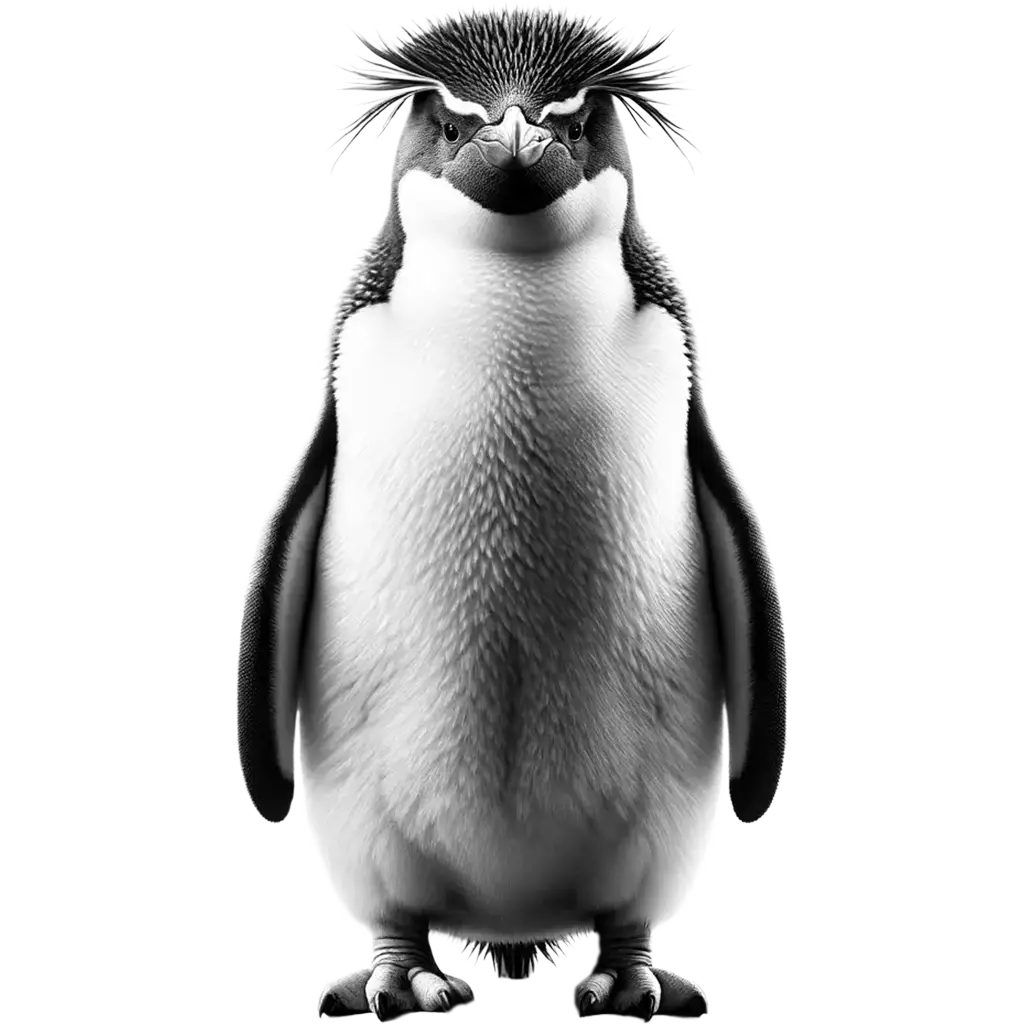
The Southern Rockhopper Penguin, eudyptes chrysocome, is a distinctive and charismatic bird known for its robust nature and unique appearance. Adults are easily recognizable by their bright red eyes, pink webbed feet, and the striking yellow and black plumes that extend from their foreheads. Measuring approximately 55 cm in height
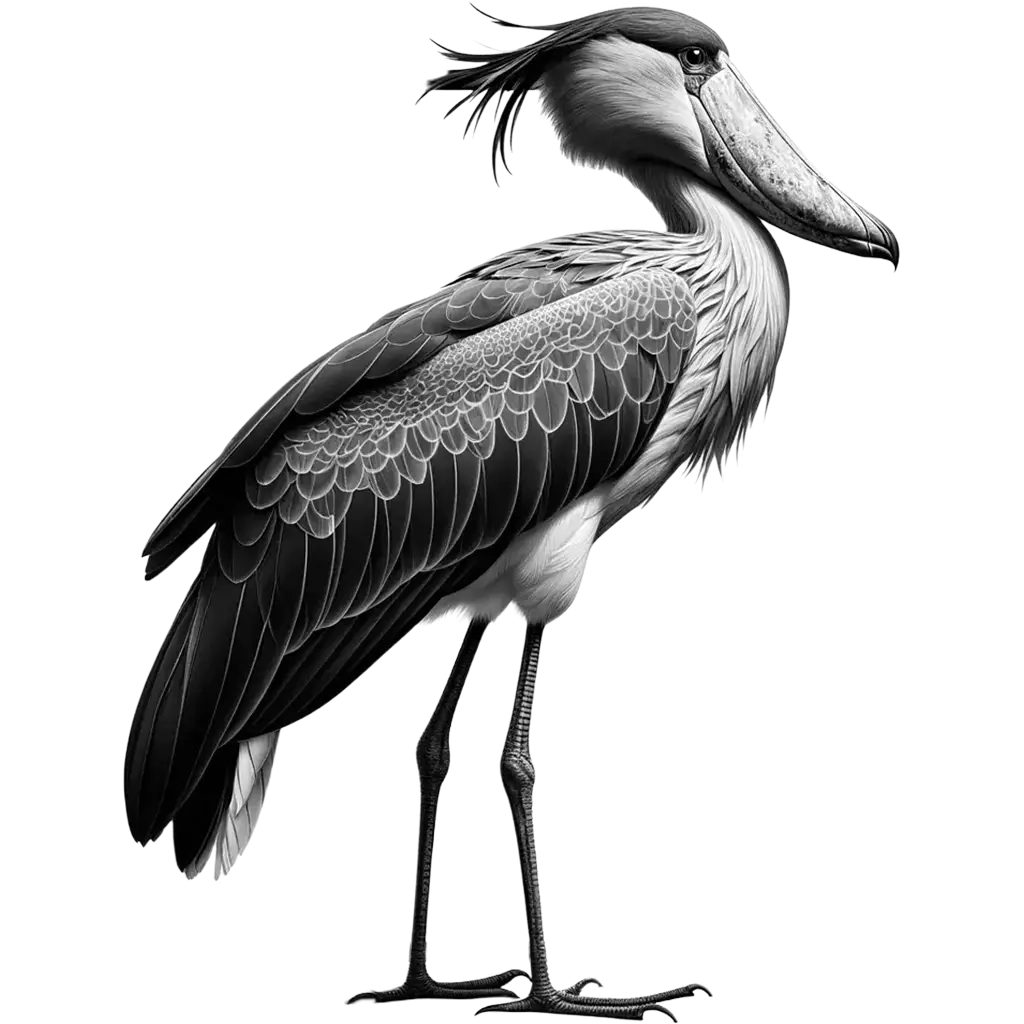
The Shoebill, balaeniceps rex, is a large, prehistoric-looking bird native to the freshwater swamps of central tropical Africa. Known for its massive, shoe-shaped bill, which can grow up to 24 cm in length, the Shoebill stands approximately 110 to 140 cm tall and exhibits a wingspan of about 230 to
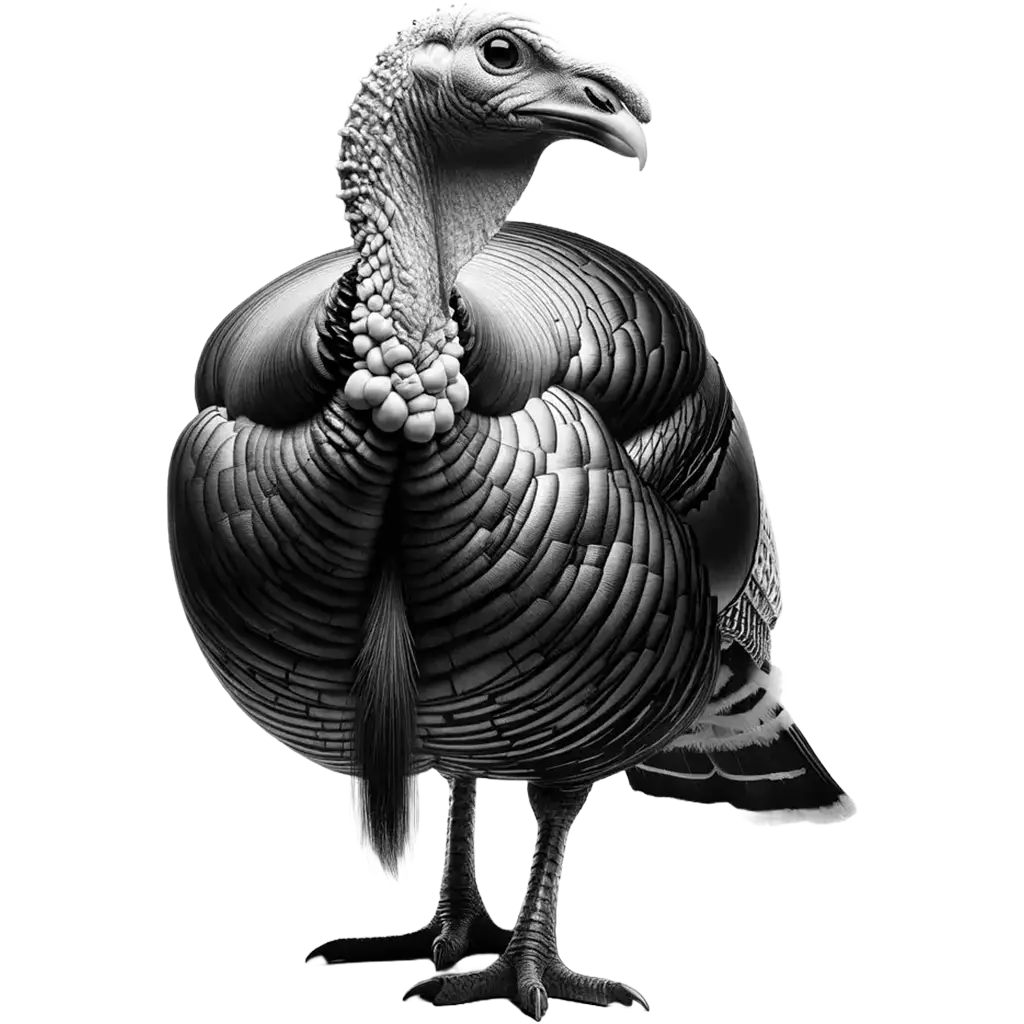
The Wild Turkey, meleagris gallopavo, is a large bird native to North America, recognized for its significant role in the continent's wildlife and history. Adult males, known as toms or gobblers, are particularly notable for their impressive size, weighing up to 11 kilograms and measuring up to 125 centimeters in
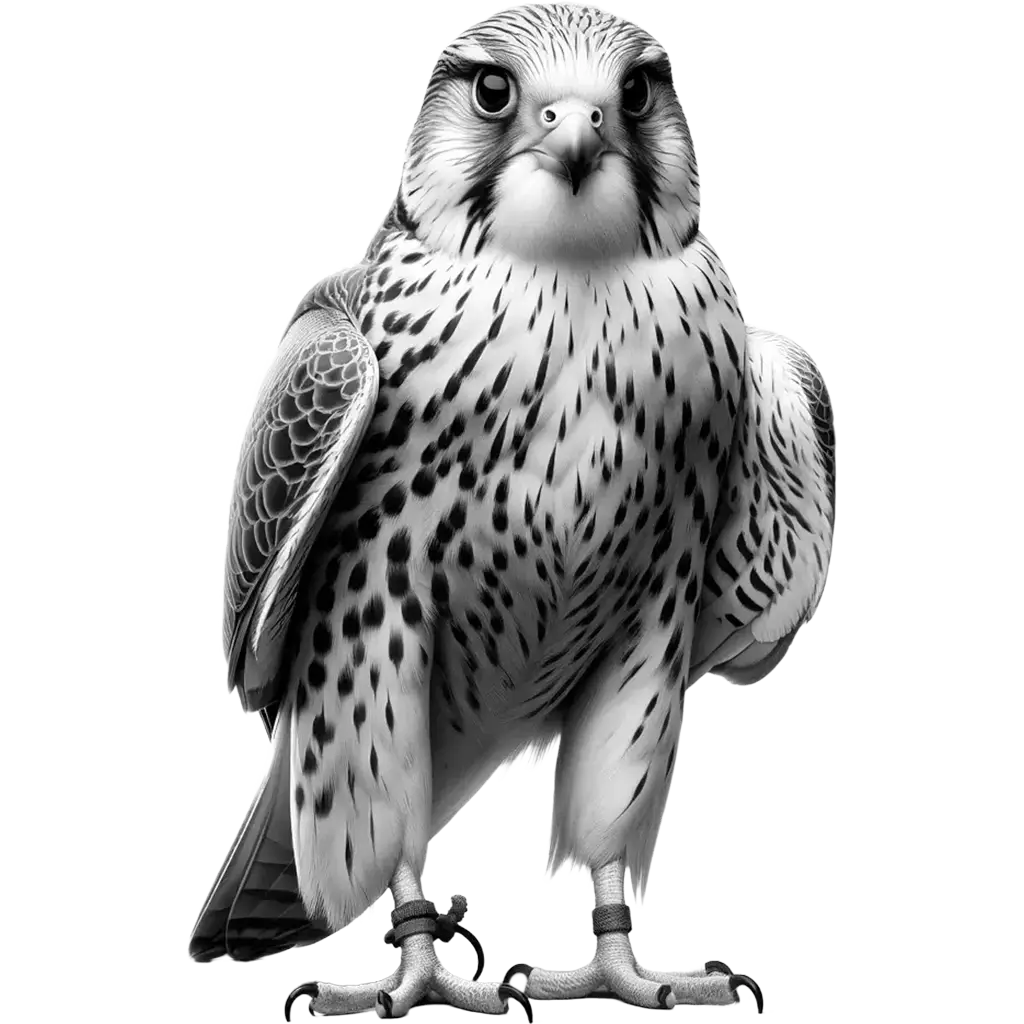
The Saker Falcon, falco cherrug, is a large, powerful bird of prey, renowned for its speed and agility in flight. It is one of the largest falcons, with adults typically measuring 47 to 55 cm in length and boasting a wingspan of 105 to 129 cm. The Saker Falcon's plumage