
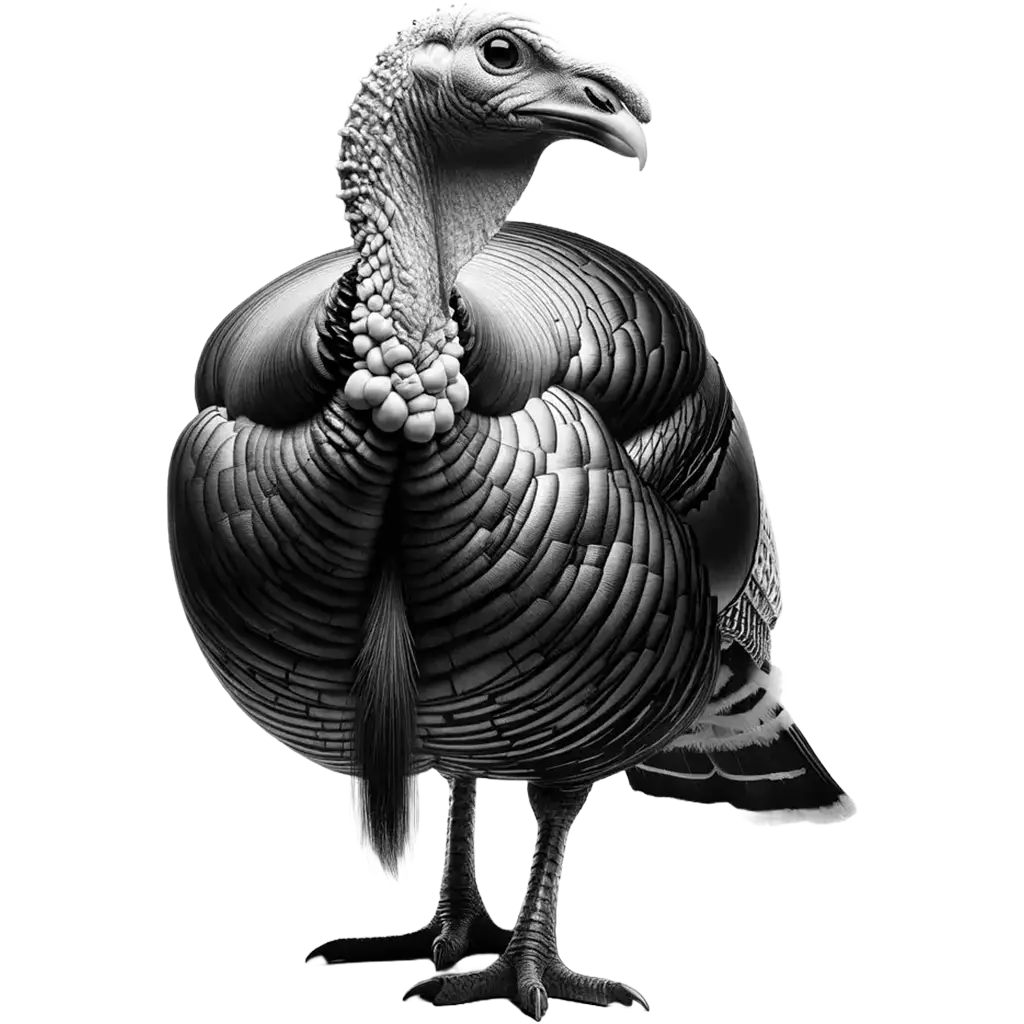
Meleagris Gallopavo
Wild Turkey
Forests, grasslands, and mixed agricultural areas
The Wild Turkey, meleagris gallopavo, is a large bird native to North America, recognized for its significant role in the continent's wildlife and history. Adult males, known as toms or gobblers, are particularly notable for their impressive size, weighing up to 11 kilograms and measuring up to 125 centimeters in length, including their fan-shaped tail. They boast iridescent bronze and green plumage, a bare, red, blue, or white head, and distinctive wattles on the neck and throat. Females, called hens, are smaller, with duller plumage that serves as camouflage. One of the Wild Turkey's most famous features is the male's dramatic courtship display, which includes puffing up feathers, spreading their tails, and emitting a deep, resonating gobble.
| Population: | Stable and increasing due to conservation efforts |
| Generation Length: | 2-3 years |
| Average Weight: | Male: 5-11 kg, Female: 2.5-5.4 kg |
| Average Length: | 100-125 cm |
| Lifespan: | 3-5 years in the wild, up to 10 years in captivity |
| Diet: | Varied, includes vegetation and small animals |
| Conservation Status: | Least Concern (LC) |
Wild Turkeys inhabit a wide range of environments across North America, from hardwood forests to grasslands and swamplands. They are highly adaptable, capable of living in close proximity to human developments if the habitat is suitable. These birds are ground-dwelling but roost in trees at night to avoid predators. During the day, they forage for food, which includes acorns and nuts, seeds, fruits, insects, and small reptiles.
The diet of the Wild Turkey is omnivorous, allowing them to take advantage of the seasonal availability of various food sources. This varied diet is crucial for their survival across the diverse ecosystems they inhabit. In the spring and summer, insects and green vegetation make up a larger part of their diet, providing the high protein necessary for growth and reproduction.
Reproduction in Wild Turkeys begins in the spring when males vie for the attention of females through their elaborate displays and vocalizations. After mating, hens lay a clutch of 10 to 12 eggs in a shallow dirt depression, which are incubated for about 28 days. The hens are solely responsible for the care of the young, known as poults, which are precocial and able to leave the nest shortly after hatching to feed.
The Wild Turkey was once near extinction in the early 20th century due to overhunting and habitat destruction. However, through concerted conservation efforts, including habitat restoration and reintroduction programs, their populations have rebounded spectacularly, and they are now considered a conservation success story. Despite this, they continue to face challenges from habitat loss and fragmentation. The Wild Turkey remains an important symbol of wildlife conservation and is celebrated for its recovery and presence across the North American landscape.
Classifications
The Key Attributes
Features
- Movement:
Walking, flying short distances
- Territorial Behavior:
Males display to attract females and may be aggressive towards other males
- Speed:
Can run up to 25 km/h and fly up to 88 km/h
- Diet:
Omnivore
- Physical Features:
- Large body with a fan-shaped tail
- Dark plumage with iridescent feathering
- Bare head and neck with varying colors
- Primary Senses:
- Sight
- Hearing
Understanding Habitat and Range
Geography
- Habitat:
Forests, grasslands, and mixed agricultural areas
- Migration Patterns:
Non-migratory
- Geographical Range:
Native to North America, with populations throughout the United States and parts of Canada and Mexico
- Climate Preferences:
Varied, adaptable to different climates
Navigating the Wilderness
In the wild
- Predators:
Foxes, coyotes, raccoons, and large birds of prey
- Prey:
Nuts, seeds, fruits, insects, small amphibians
- Feeding Behavior:
Diurnal, foraging on the ground for nuts, seeds, fruits, insects, and small amphibians
- Diet:
Varied, includes vegetation and small animals
- Defensive Mechanisms:
- Flight
- Strong legs for running
- Preferred Food Sources:
- Acorns
- Beechnuts
- Berries
- Insects
Insights Into Reproduction
Mating
- Mating System:
Polygynous
- Number of Offspring:
4-17 eggs per clutch
- Incubation Period:
28 days
- Parental Involvement:
- Females (hens) incubate the eggs and care for the young alone
Youngsters Section
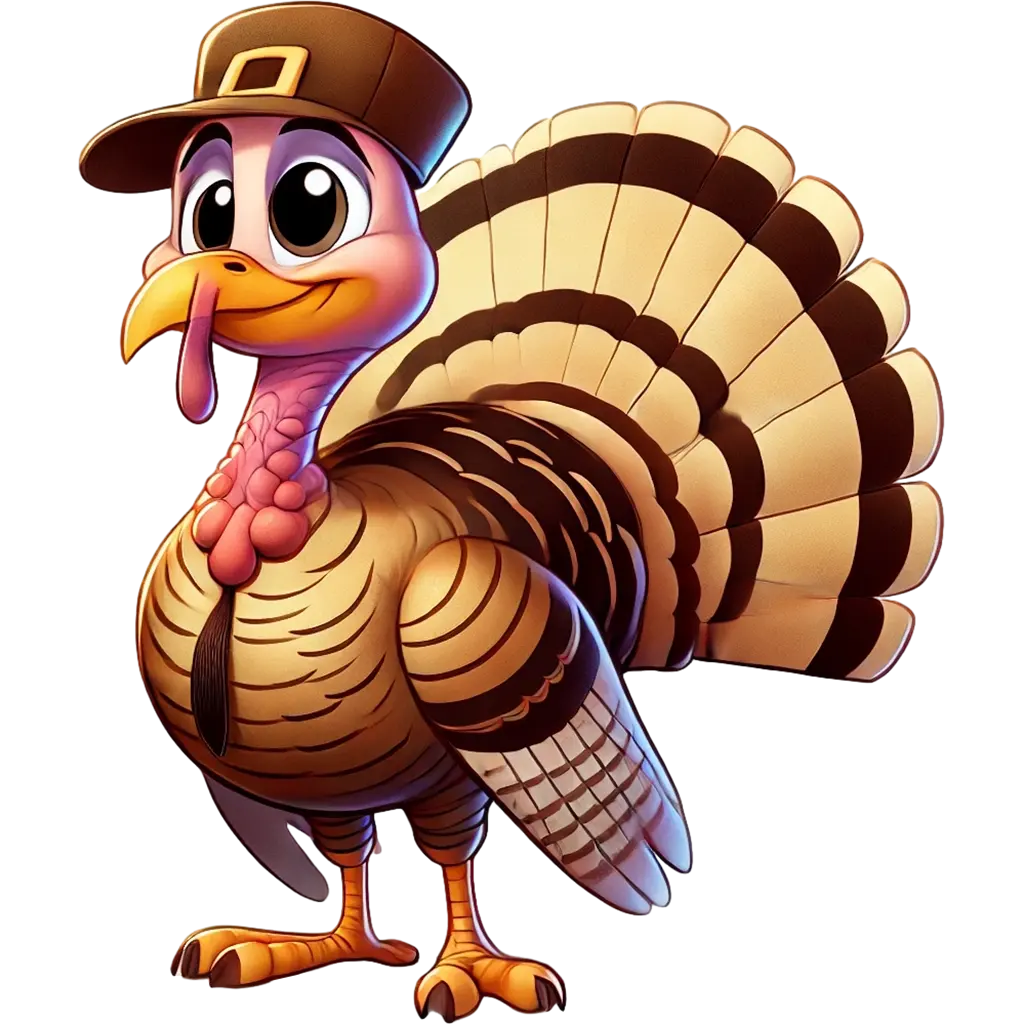
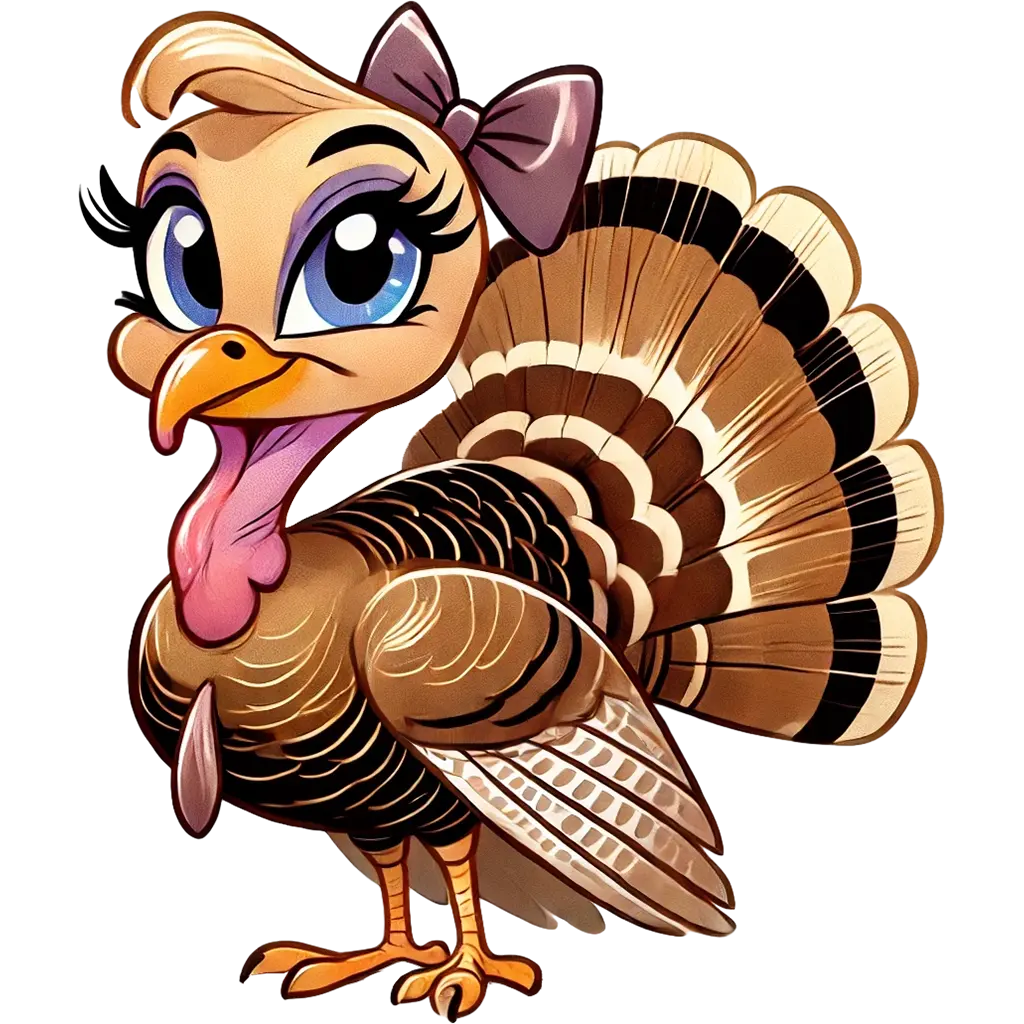
Wild Turkey
Fun Fact
Wild turkeys can run up to 20 miles per hour and fly at speeds of 55 miles per hour.
These birds have excellent vision and can see in color, which helps them detect predators from long distances. Wild turkeys also have a unique gobbling call, which can be heard up to a mile away, especially during the mating season when males are trying to attract females.

Download word search puzzles
Word Search Puzzles
Check Out Other Birds
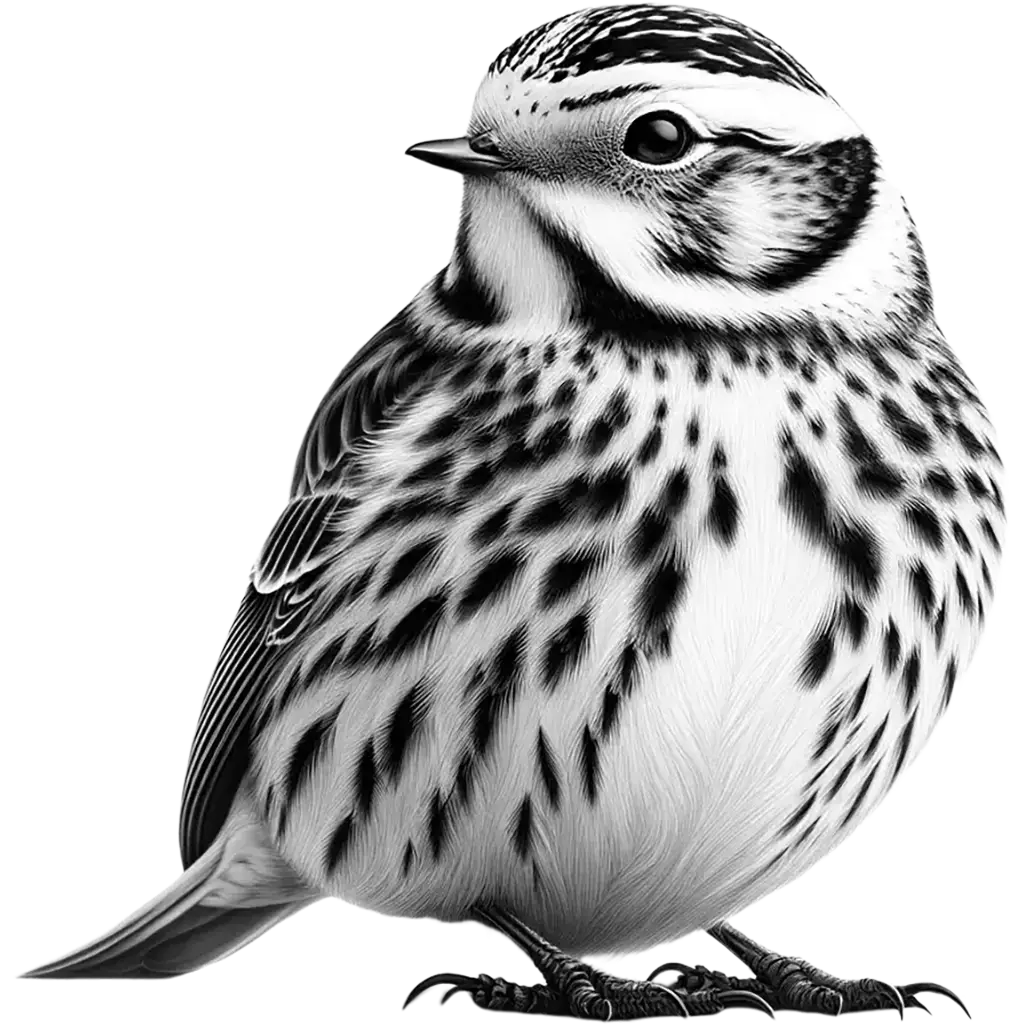
The Lapland Longspur, calcarius lapponicus, is a small, hardy bird known for its distinctive plumage and far-reaching migrations. This species exhibits a remarkable adaptation to cold environments, breeding in the Arctic tundra of North America, Europe, and Asia, and wintering in temperate and even subtropical regions. Adults typically measure about
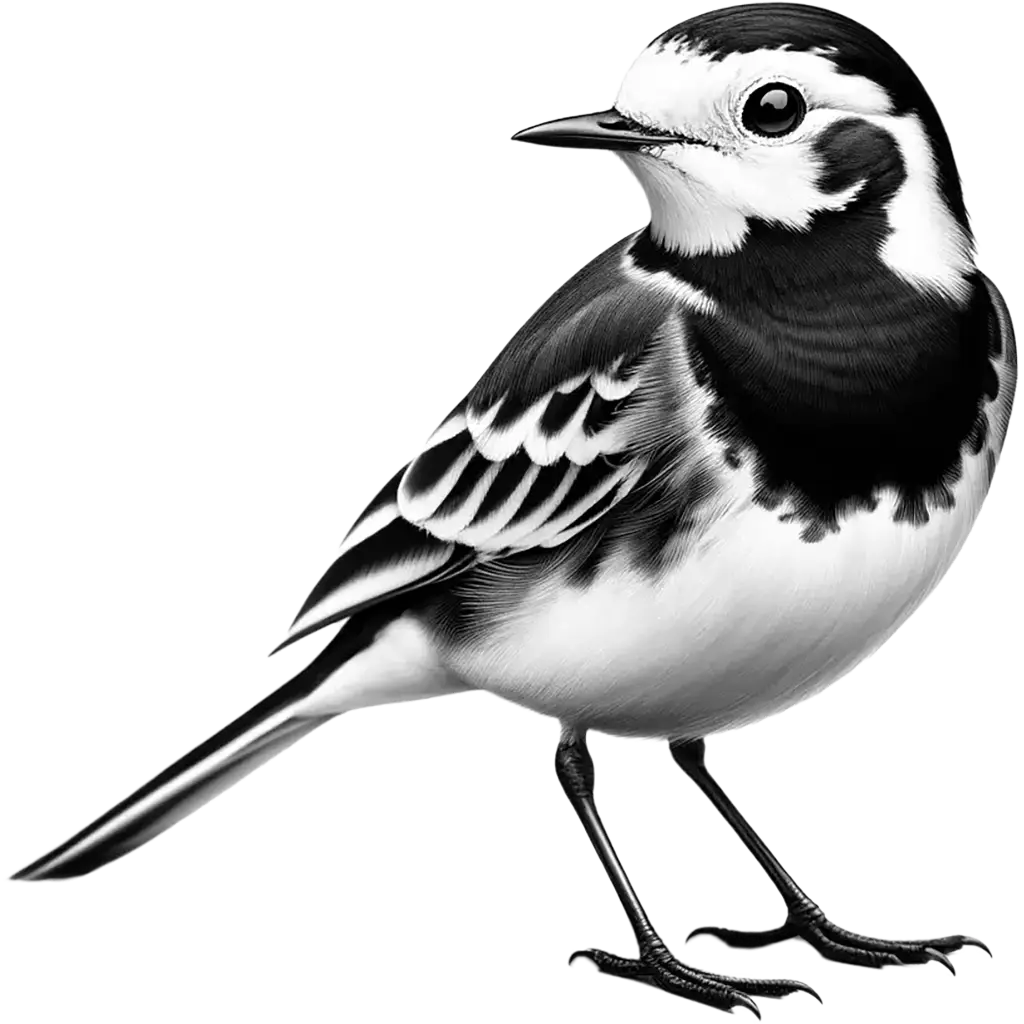
The African Pied Wagtail, motacilla aguimp, is a striking bird characterized by its contrasting black and white plumage and distinctive wagging tail behavior. This species typically measures between 18 to 20 cm in length, displaying a sleek, streamlined body that is primarily black with a white belly, chest, and eyebrow
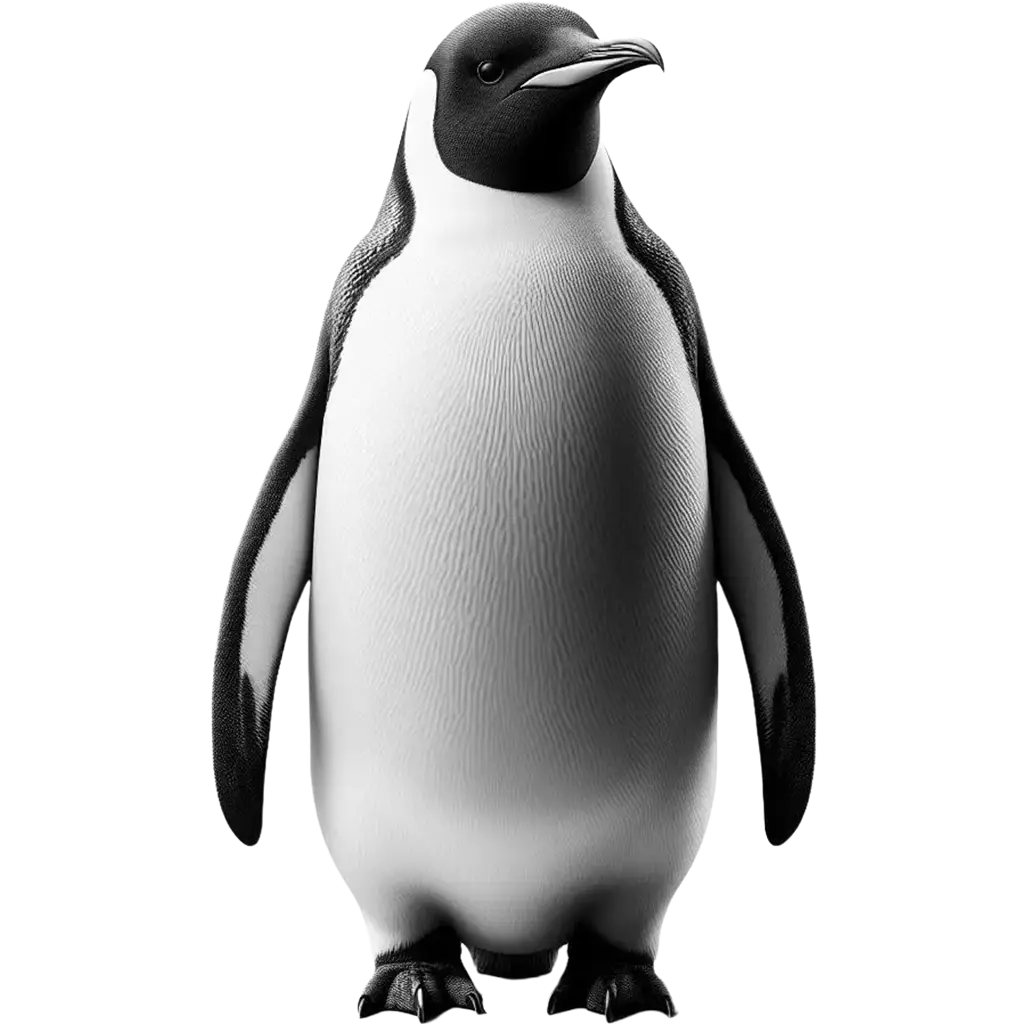
The Emperor Penguin, Aptenodytes forsteri, is the largest and perhaps the most iconic of all penguin species, standing up to 122 centimeters (48 inches) tall and weighing between 22 to 45 kilograms (49 to 99 pounds). This majestic bird is easily recognizable by its striking black and white plumage, bright
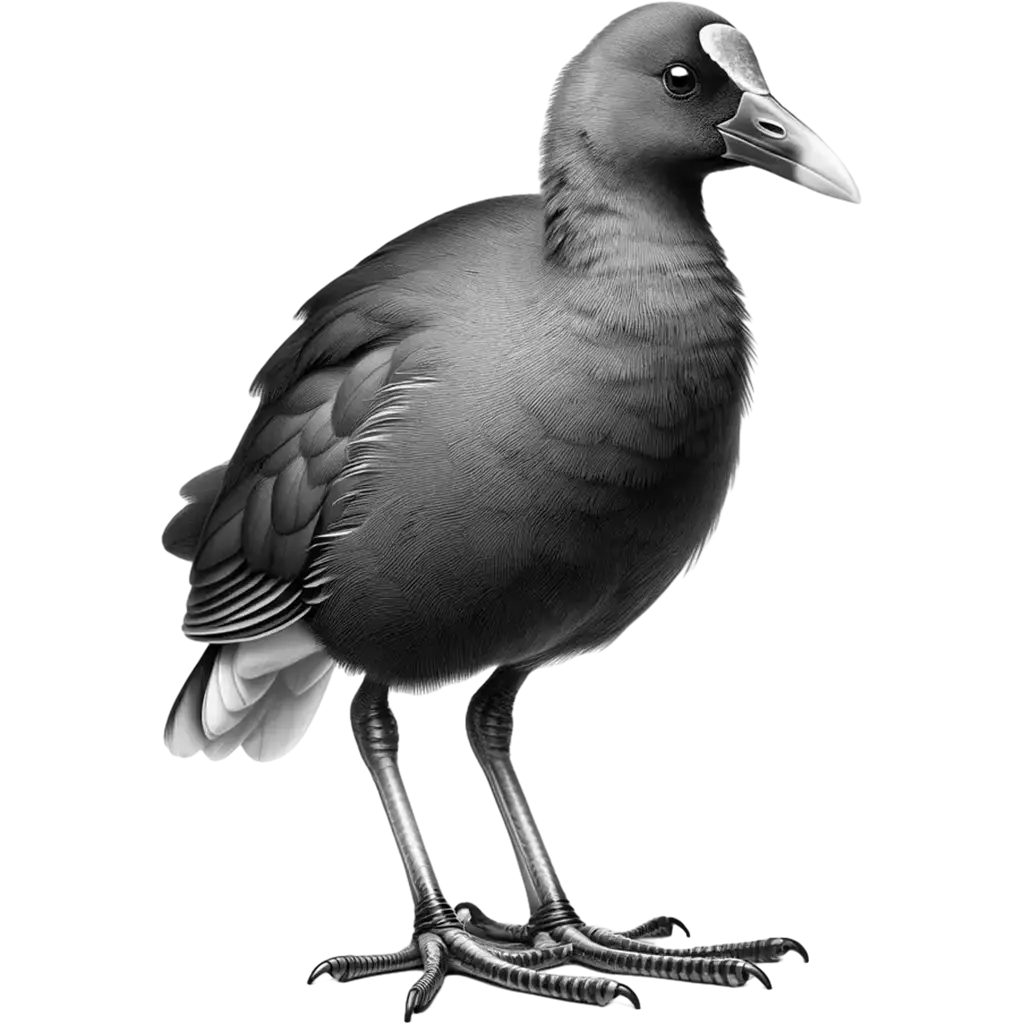
The Western Swamphen, porphyrio porphyrio, is a large, striking waterbird that belongs to the rail family. It is known for its vibrant plumage, predominantly a deep blue-purple with a green back and wings, and a distinctive red bill and frontal shield that make it unmistakable. The bird's legs are long