
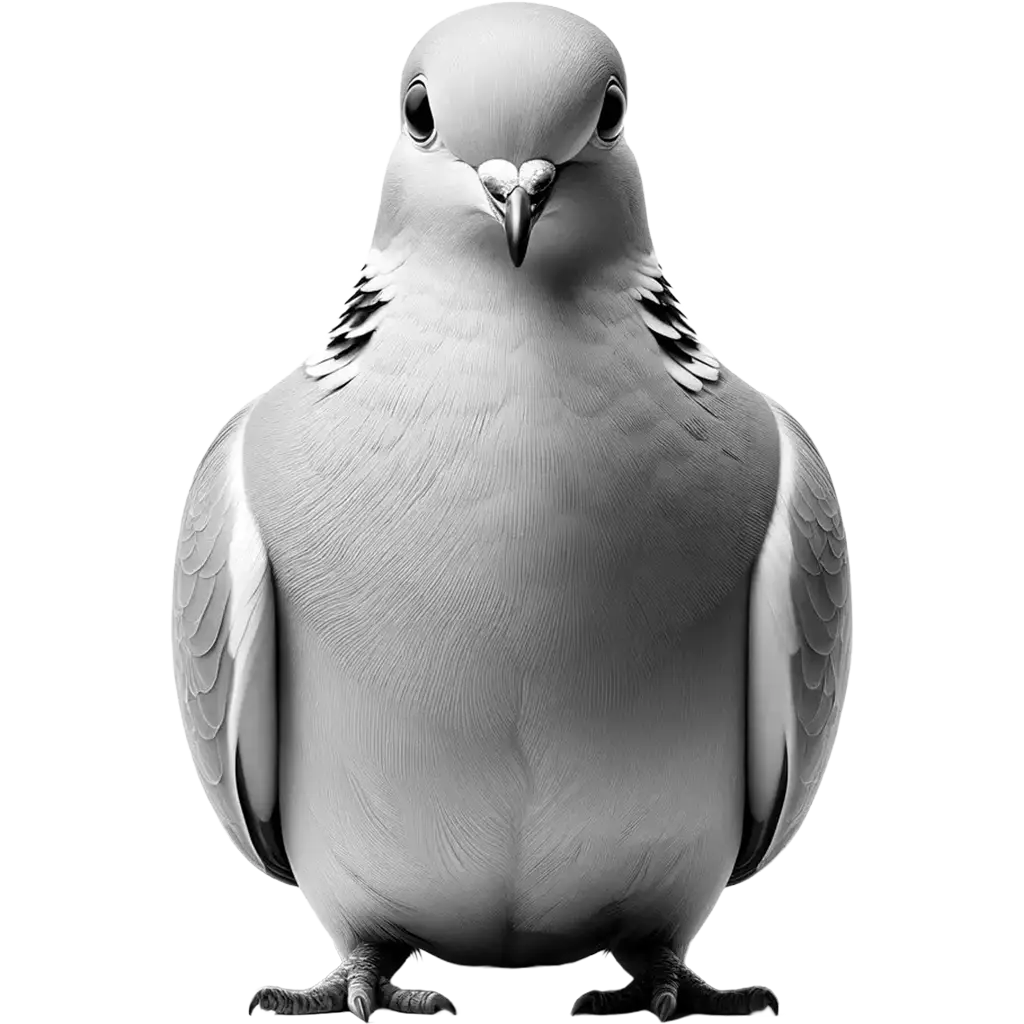
Columba Palumbus
Common Wood Pigeon
Woodlands, fields, parks, and gardens
The Common Wood Pigeon, columba palumbus, is a large species of pigeon that is widespread across Europe, western Asia, and North Africa. It is easily recognizable by its size, measuring 38 to 44 cm in length and weighing between 300 to 600 grams, making it one of the larger pigeons in its range. The bird's plumage is mainly grey with a pinkish breast, and it has distinctive white patches on the sides of its neck and a white band on its wings, visible during flight. The eyes are yellow, and the bill is pink with a white cere, adding to its distinctive appearance.
| Population: | Listed as Least Concern, with stable and large populations |
| Generation Length: | 2-3 years |
| Average Weight: | 300-600 grams |
| Average Length: | 40-42 cm |
| Lifespan: | 3-5 years in the wild, can live longer in captivity |
| Diet: | Primarily seeds and plant material |
| Conservation Status: | Least Concern (LC) |
Common Wood Pigeons favor woodlands, parks, gardens, and farmland, where they can be found foraging for food on the ground. They are adaptable birds, capable of living close to human settlements where food sources are abundant. These pigeons are known for their deep, cooing calls, which are a familiar sound in their habitats. They are mostly sedentary, although northern populations may migrate southwards in winter.
The diet of the Common Wood Pigeon is varied and includes seeds, leaves, shoots, fruits, and berries. In agricultural areas, they are known to feed on crops, making them a nuisance for farmers. Despite this, they play a role in seed dispersal, contributing to the health of their ecosystems.
Reproduction for the Common Wood Pigeon involves the construction of a simple platform nest made of twigs, usually placed in a tree or on a building. Females lay one or two eggs, which are incubated by both parents for about 17 to 19 days. The chicks, or squabs, are fed a rich, milk-like substance produced by both parents.
The population of the Common Wood Pigeon is considered stable and is actually increasing in some areas, benefiting from agricultural practices that provide plentiful food sources. However, they are subject to predation and control measures in areas where they are seen as pests. Conservation efforts are not specifically targeted at this species, but their presence indicates the health of the woodland and farmland ecosystems where they live.
Classifications
The Key Attributes
Features
- Movement:
Flying
- Territorial Behavior:
Somewhat territorial, especially during breeding season
- Speed:
Strong and direct flight with steady wing beats
- Diet:
Herbivore
- Physical Features:
- Large size with a robust body and broad wings
- Grey plumage with a white patch on the neck and black wing bars
- Short beak with a cere
- Reddish feet
- Primary Senses:
- Sight
- Hearing
Understanding Habitat and Range
Geography
- Habitat:
Woodlands, fields, parks, and gardens
- Migration Patterns:
Partially migratory, with northern populations moving southwards in winter
- Geographical Range:
Europe, western Asia, and northern Africa
- Climate Preferences:
Temperate climates, adaptable to various environmental conditions
Navigating the Wilderness
In the wild
- Predators:
Birds of prey, foxes, and cats
- Prey:
Not applicable
- Feeding Behavior:
Feeds on seeds, crops, buds, fruits, and occasionally young shoots and leaves
- Diet:
Primarily seeds and plant material
- Defensive Mechanisms:
- Camouflage within tree foliage
- Quick flight to escape predators
- Preferred Food Sources:
- Areas with abundant seed-bearing plants and trees
Insights Into Reproduction
Mating
- Mating System:
Monogamous
- Number of Offspring:
Usually 2 eggs
- Incubation Period:
17-19 days
- Parental Involvement:
- Both parents incubate the eggs and feed the young
Youngsters Section
Common Wood Pigeon
Fun Fact
Common Wood Pigeons are known for their distinctive cooing calls and white neck patches.
These birds are highly adaptable and thrive in both urban and rural areas across Europe and Asia. They primarily feed on seeds, fruits, and crops, making them frequent visitors to gardens and farms. During flight, their wings produce a noticeable clapping sound.

Download word search puzzles
Word Search Puzzles
Check Out Other Birds
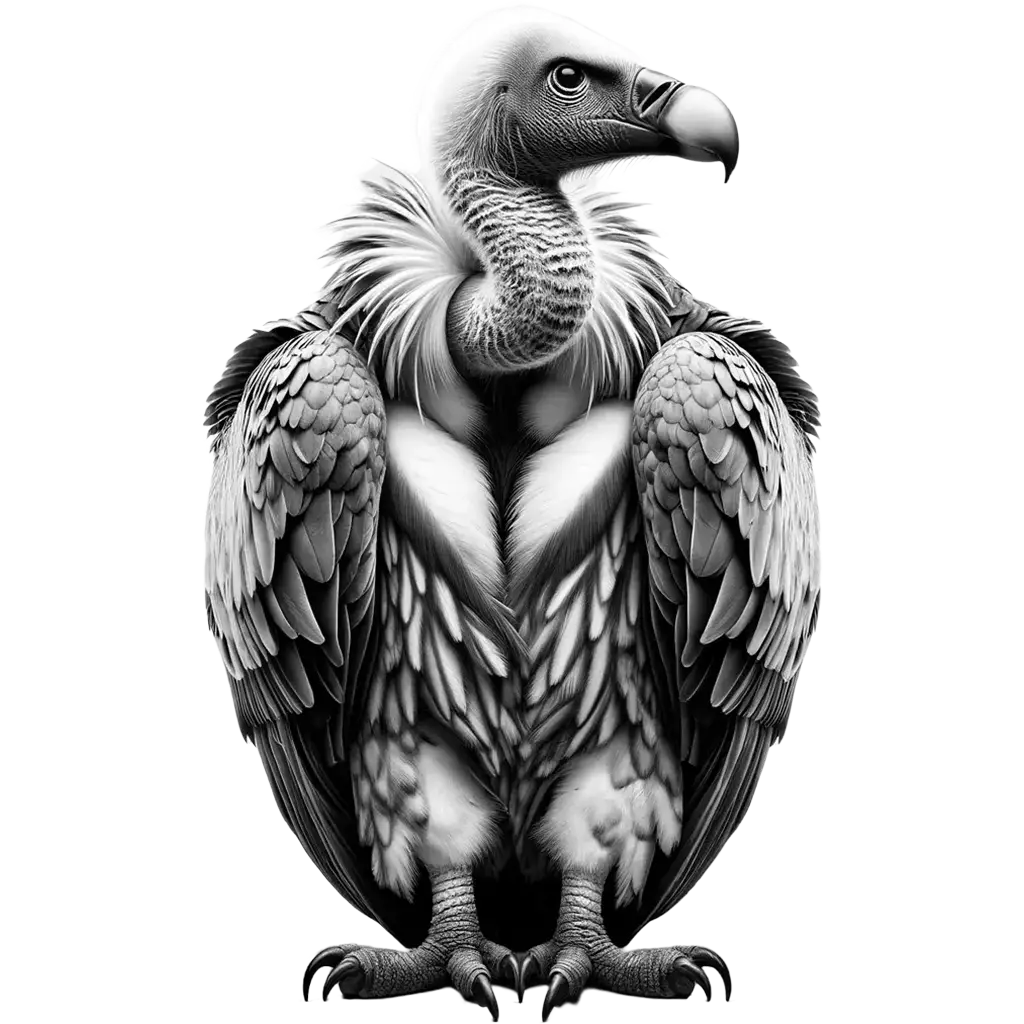
Rüppell's vulture, gyps rueppelli, named after the German naturalist Eduard Rüppell, is a large and critically endangered bird of prey residing predominantly in the Sahel region of Africa. This species stands out due to its impressive size, with a length of up to 1 meter and a wingspan reaching nearly
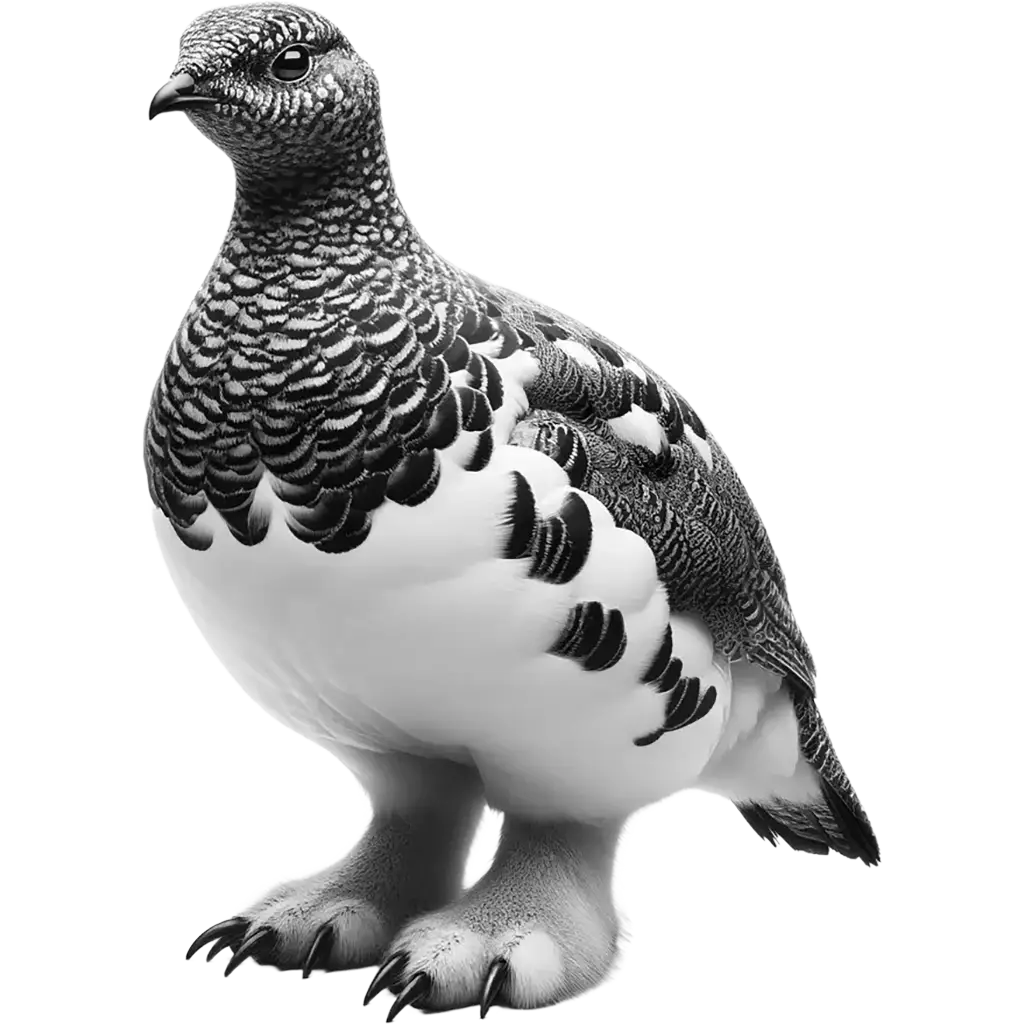
The Rock Ptarmigan, lagopus muta, is a hardy bird adapted to life in the Arctic tundra and alpine regions. Recognizable by its seasonal plumage changes, it sports pure white feathers in winter to blend with the snow, transitioning to brown and grey patterns during the summer for camouflage among rocks
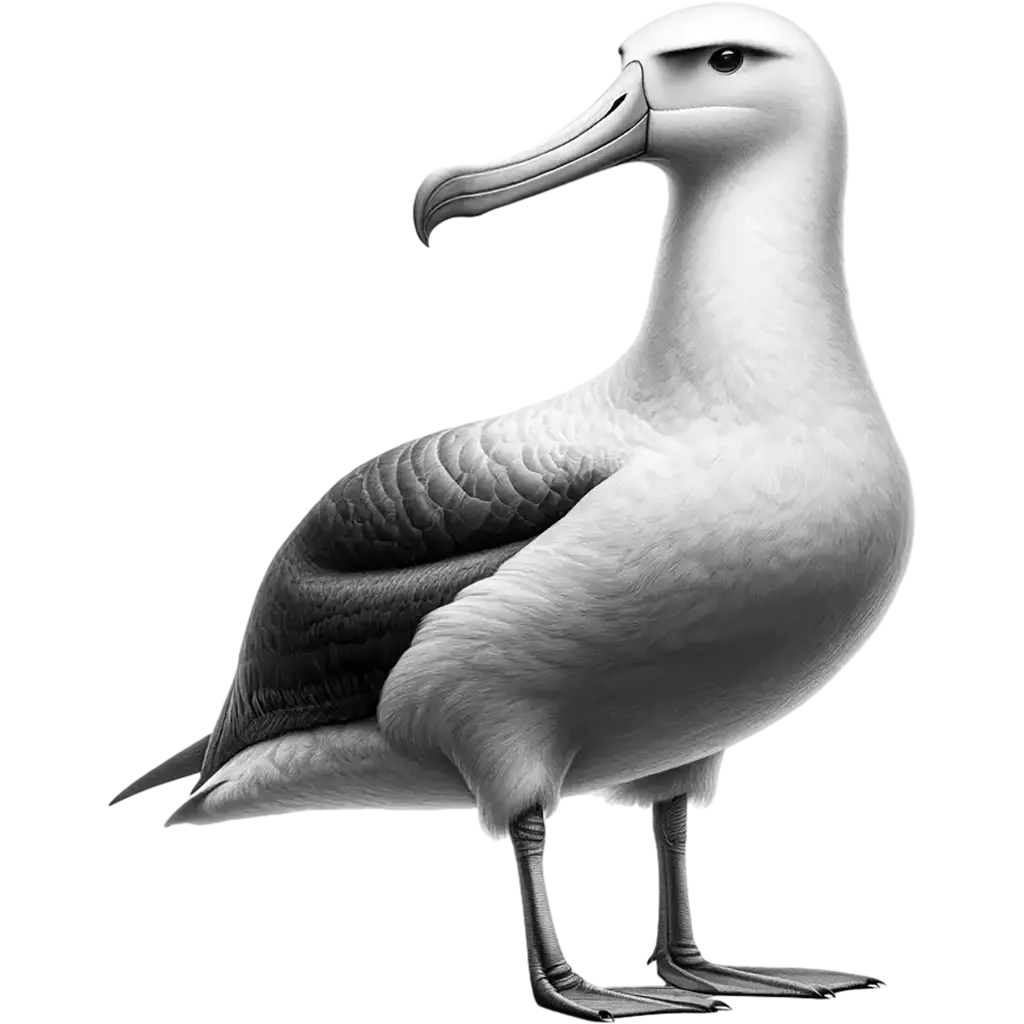
The Snowy Albatross, Diomedea exulans, is a marvel of the avian world, holding the record for the longest wingspan of any living bird, typically ranging from 2.5 to 3.5 meters. Adults are predominantly white, with black-tipped wings and a pale pink bill. They are highly adapted to life at sea,
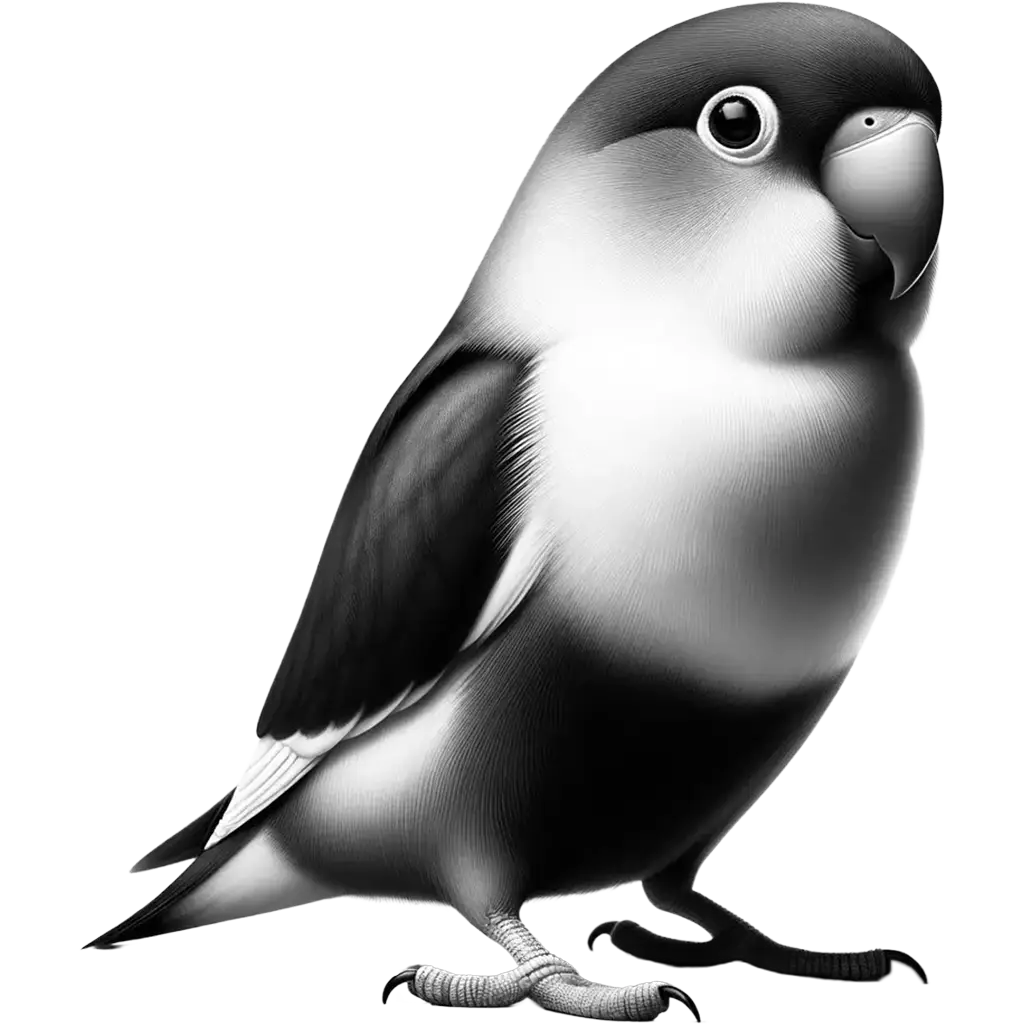
The Lilian's Lovebird, agapornis lilianae, also known as the Nyasa Lovebird, is a small, vibrant parrot native to the woodlands and savannas of southeastern Africa. Measuring about 13 to 14 cm in length and weighing approximately 30 to 40 grams, this species is distinguished by its bright green plumage, with