
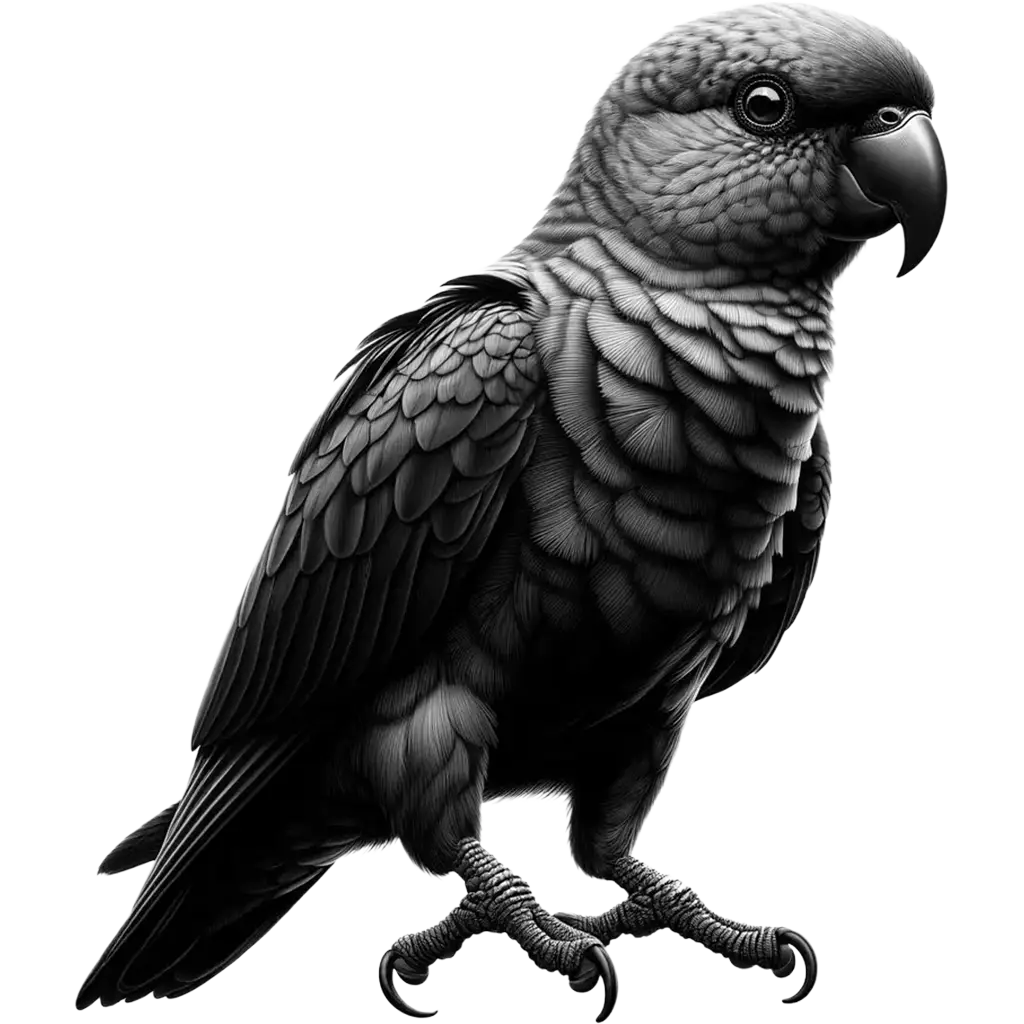
Lorius Domicella
Purple-Naped Lory
Tropical rainforests and wooded habitats
The Purple-Naped Lory, lorius domicella, is a vibrant and charismatic parrot species native to the Maluku Islands in Indonesia. Known for its striking appearance, the bird features a predominately deep red plumage, contrasted with a vivid purple patch on the back of its neck, from which it derives its name. Adults typically measure around 28 cm in length, making them a medium-sized lory. Their beak is bright orange, complementing their colorful feathers, and they possess a short tail and strong, zygodactyl feet, which are excellent for climbing and grasping fruits and branches.
| Population: | Listed as Vulnerable due to habitat loss and trapping for the pet trade |
| Generation Length: | 5-6 years |
| Average Weight: | 200-260 grams |
| Average Length: | 28 cm |
| Lifespan: | Up to 28 years in captivity, unknown in the wild |
| Diet: | Mainly frugivorous, also consuming nectar and flowers |
| Conservation Status: | Endangered (EN) |
Habitat for the Purple-Naped Lory consists of tropical rainforests and wooded areas in their island habitat. They are arboreal, spending most of their time in the canopy, where they are well-adapted to a life among the trees. These birds are known for their loud calls and playful behavior, often seen in pairs or small groups interacting with each other in the wild.
The diet of the Purple-Naped Lory is nectarivorous, primarily feeding on the nectar of flowers, in addition to fruits and the occasional insect. They have a specialized brush-tipped tongue for extracting nectar, showcasing their adaptation to their specific dietary needs. This feeding behavior plays a crucial role in pollination, making them important contributors to their ecosystem's health.
Reproduction in the Purple-Naped Lory involves monogamous pairs that nest in tree cavities. The female typically lays two eggs, which are incubated for about 24 days. Both parents share in the care of the chicks, which fledge the nest approximately 10 weeks after hatching. Their strong pair bonds are maintained throughout the breeding season and beyond, often resulting in repeated use of the same nesting site.
The population of the Purple-Naped Lory is considered Vulnerable due to habitat loss, trapping for the pet trade, and hunting. Their limited range and the fragmentation of their forest habitat pose significant challenges to their survival. Conservation efforts are focused on habitat protection, enforcement of laws against illegal trade, and educating local communities about the importance of preserving these colorful and ecologically significant birds.
Classifications
The Key Attributes
Features
- Movement:
Flying, climbing
- Territorial Behavior:
Social within its own species, often seen in pairs or small groups
- Speed:
Agile flyer and climber
- Diet:
Herbivore
- Physical Features:
- Medium size with a short tail and strong beak
- Vivid red body with a distinctive purple patch on the nape
- Black wings and tail
- Strong, zygodactyl feet for grasping branches
- Primary Senses:
- Sight
- Hearing
- Taste
Understanding Habitat and Range
Geography
- Habitat:
Tropical rainforests and wooded habitats
- Migration Patterns:
Non-migratory, but may move locally for food
- Geographical Range:
Endemic to the Moluccas and New Guinea region
- Climate Preferences:
Prefers humid, tropical environments
Navigating the Wilderness
In the wild
- Predators:
Birds of prey and snakes
- Prey:
Not applicable
- Feeding Behavior:
Feeds primarily on fruits, nectar, and flowers
- Diet:
Mainly frugivorous, also consuming nectar and flowers
- Defensive Mechanisms:
- Camouflage in foliage
- Flight to escape predators
- Social behavior to alert each other of dangers
- Preferred Food Sources:
- Forest areas rich in fruit-bearing trees and flowering plants
Insights Into Reproduction
Mating
- Mating System:
Monogamous
- Number of Offspring:
1-2 eggs
- Incubation Period:
About 24-30 days
- Parental Involvement:
- Both parents care for the young, with nestling period extending several weeks
Youngsters Section
Purple-Naped Lory
Fun Fact
The Purple-Naped Lory is known for its vibrant plumage and playful nature, making it a popular pet.
Native to Indonesia, this parrot thrives in tropical forests. Its diet mainly consists of fruits, nectar, and insects. The Purple-Naped Lory is highly social, often seen in pairs or small groups. Its striking colors and engaging personality make it a favorite among bird enthusiasts.

Download word search puzzles
Word Search Puzzles

Check Out Other Birds
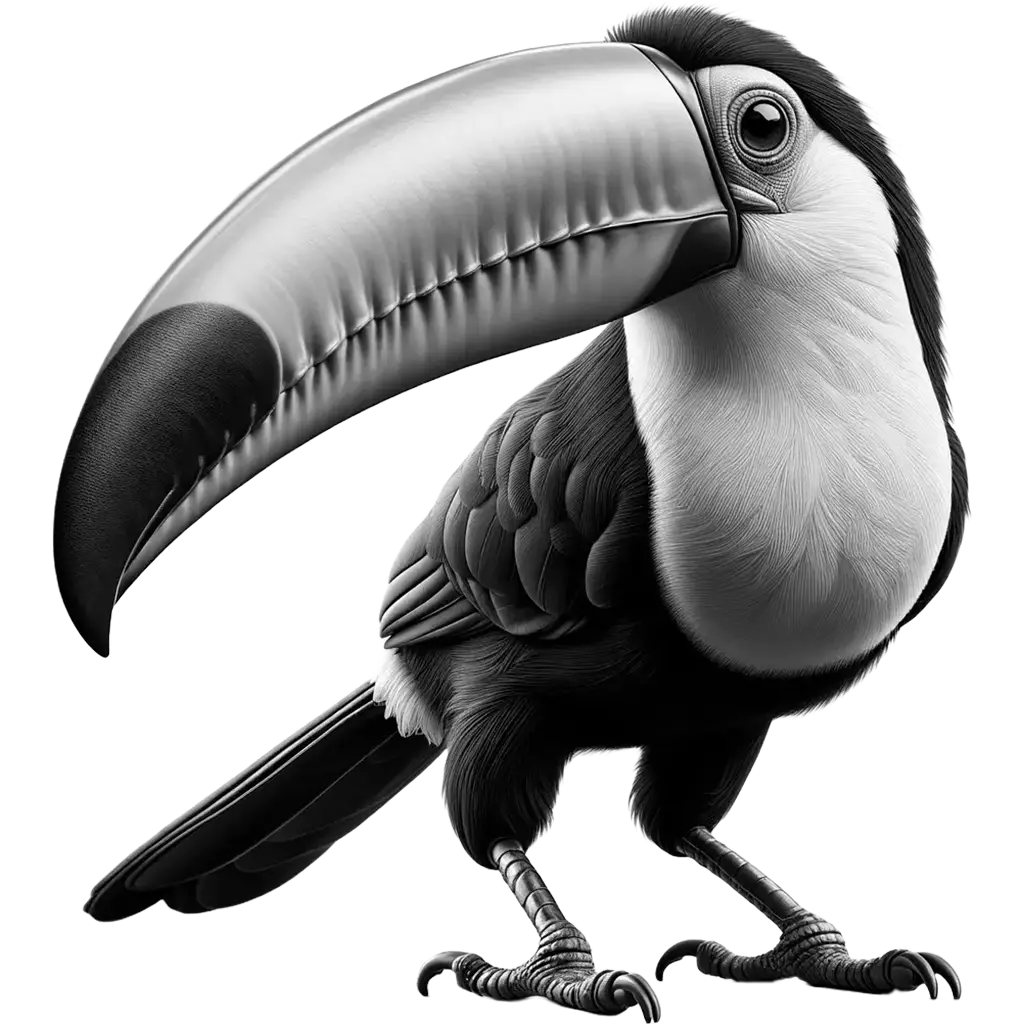
The Channel-Billed Toucan, ramphastos vitellinus, is a vibrant and charismatic bird native to Trinidad and the northern regions of South America, including Venezuela, Guyana, Suriname, French Guiana, and northern Brazil. Recognizable by its large, colorful bill, which can measure up to 14 centimeters in length, this species boasts a striking
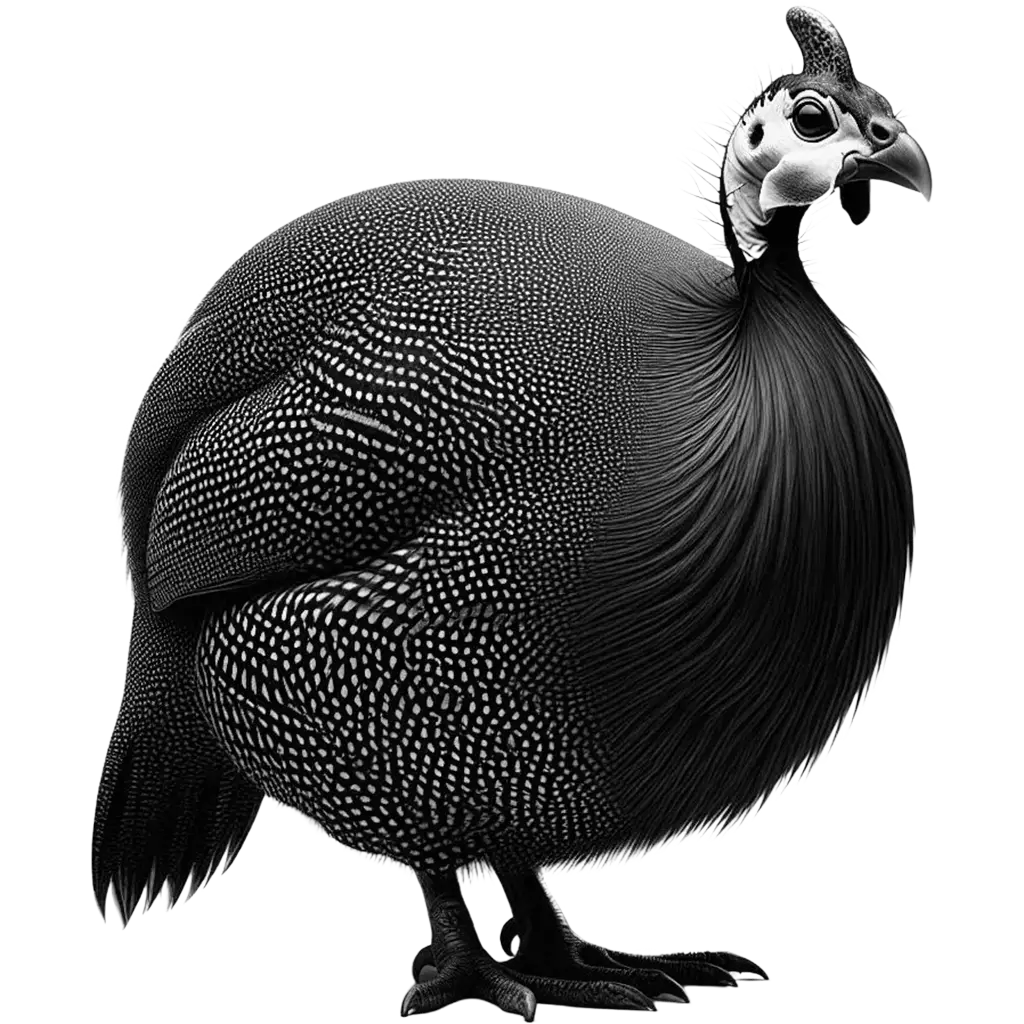
The Black Guineafowl, agelastes niger, is a rare and elusive bird species found in the dense rainforests of West and Central Africa, particularly in regions stretching from Sierra Leone to Ghana and extending to the Congo Basin. This species is distinguished by its entirely black plumage, which contrasts with its

The Oriental Scops Owl, otus sunia, is a small and elusive bird of prey, known for its distinctive ear tufts and varied color morphs, ranging from gray to reddish-brown, which provide excellent camouflage against tree bark. This species typically measures about 19 to 23 cm in length, with a wingspan

The Andean Condor, vultur gryphus, is a majestic bird of prey that reigns over the skies of South America. It is one of the largest flying birds in the world, with a wingspan that can exceed 3 meters, allowing it to glide effortlessly on thermal air currents. The adult male