
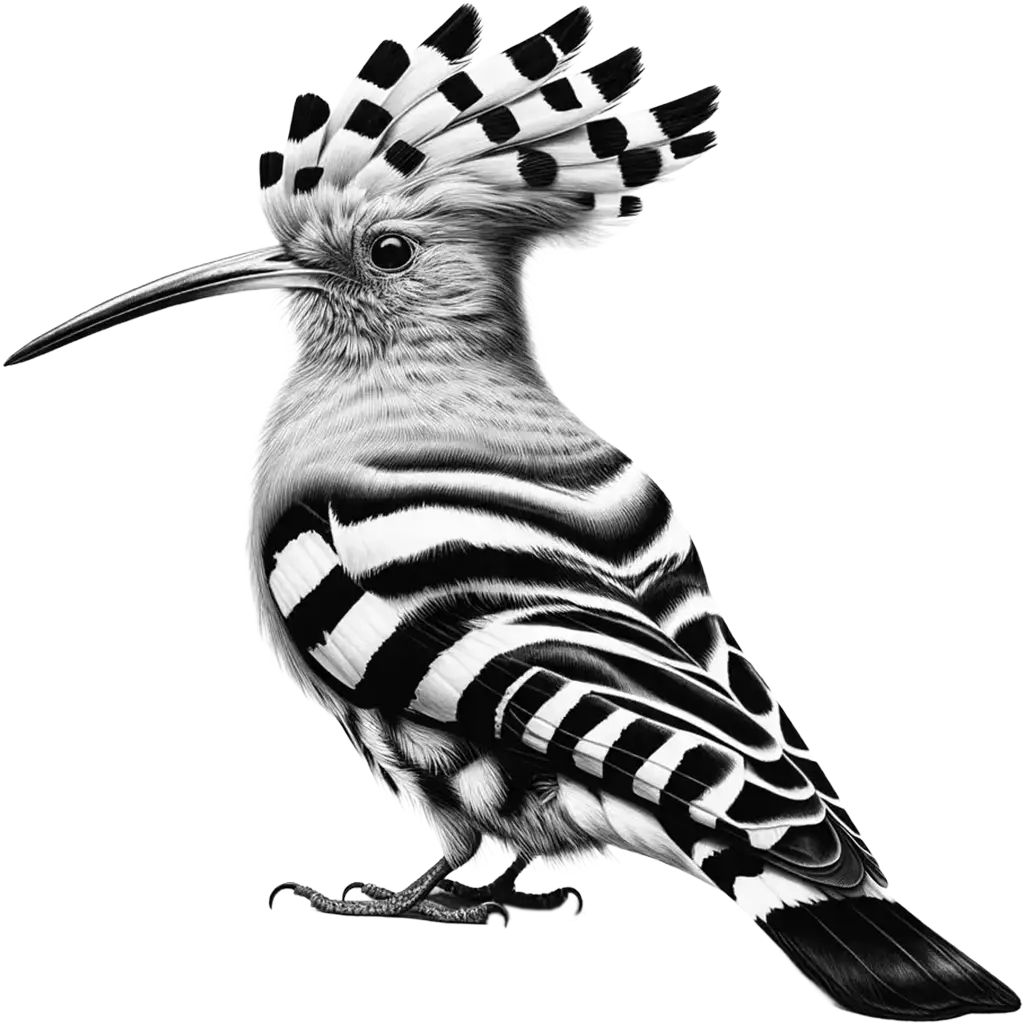
Upupa Epops
Eurasian Hoopoe
Open country with short grass, such as farmland, heaths, and savannas; requires sandy or soft soil for nesting
The Eurasian Hoopoe, upupa epops, is a distinctive bird known for its unique 'crown' of feathers, striking black and white wings, and long, tapered bill. Found across Europe, Asia, and North Africa, the hoopoe is a medium-sized bird, measuring about 25 to 32 centimeters in length, with a wingspan of 44 to 48 centimeters. Its plumage is mostly pinkish-brown, with a black and white striped pattern on its wings and tail. The male and female are similar in appearance, though the female may have slightly duller coloring.
| Population: | Widespread and common in many areas, not currently considered threatened |
| Generation Length: | 4-5 years |
| Average Weight: | Approximately 46-89 grams |
| Average Length: | 25-32 cm |
| Lifespan: | Up to 10 years in the wild |
| Diet: | Primarily insects |
| Conservation Status: | Least Concern (LC) |
Hoopoes prefer open landscapes with scattered trees, shrubs, and grasslands, where they can forage for their diet of insects and other small invertebrates. They are ground feeders, using their long bills to probe into the soil for prey. Their distinctive 'oop-oop-oop' call is often heard during the breeding season, contributing to their onomatopoeic name.
The diet of the Eurasian Hoopoe primarily consists of insects, including beetles, crickets, locusts, and larvae, as well as spiders, worms, and occasionally seeds and berries. This varied diet helps control insect populations, underscoring the hoopoe's role in maintaining ecological balance within their habitats.
Reproduction for the Eurasian Hoopoe typically involves nesting in cavities, such as those found in trees, cliffs, or even walls and buildings. The female lays between 4 to 7 eggs, which she incubates alone, while the male provides food. The nest can become quite unsanitary, as hoopoes do not remove waste, and the female secretes a foul-smelling liquid from her preen gland to deter predators.
The Eurasian Hoopoe is currently listed as Least Concern by the IUCN, thanks to its wide distribution and large population. However, they face threats from habitat loss and degradation, pesticide use, and climate change, which could impact their food sources and nesting sites. Conservation efforts focus on habitat preservation and reducing pesticide use to ensure the continued survival of this unique and charismatic bird. The Eurasian Hoopoe's distinctive appearance and beneficial role in insect control make it a valued species in its natural habitats.
Classifications
The Key Attributes
Features
- Movement:
Flight, walking on the ground
- Territorial Behavior:
Somewhat territorial during breeding season
- Speed:
Capable of swift flight but speed not specifically quantified
- Diet:
Insectivore
- Physical Features:
- Long, thin tapering bill
- Black and white striped wings and tail
- Pinkish-brown body
- Distinctive 'crown' of feathers
- Primary Senses:
- Sight
- Hearing
Understanding Habitat and Range
Geography
- Habitat:
Open country with short grass, such as farmland, heaths, and savannas; requires sandy or soft soil for nesting
- Migration Patterns:
Migratory in the northern parts of its range, resident or partially migratory in southern areas
- Geographical Range:
Europe, Asia, North Africa, and the Sub-Saharan region
- Climate Preferences:
Temperate to tropical climates
Navigating the Wilderness
In the wild
- Predators:
Birds of prey, cats, and snakes
- Prey:
Insects, spiders, small reptiles
- Feeding Behavior:
Feeds on a variety of insects, spiders, and small reptiles; forages on the ground
- Diet:
Primarily insects
- Defensive Mechanisms:
- Flight
- Sudden 'startling' display with wings and tail
- Secretion of a foul-smelling liquid from its glands to deter predators
- Preferred Food Sources:
- Beetles
- Grasshoppers
- Larvae
- Earthworms
Insights Into Reproduction
Mating
- Mating System:
Monogamous
- Number of Offspring:
4-7 eggs
- Incubation Period:
15-18 days
- Parental Involvement:
- Both parents participate in feeding the young, but the female primarily incubates the eggs
Youngsters Section
Eurasian Hoopoe
Fun Fact
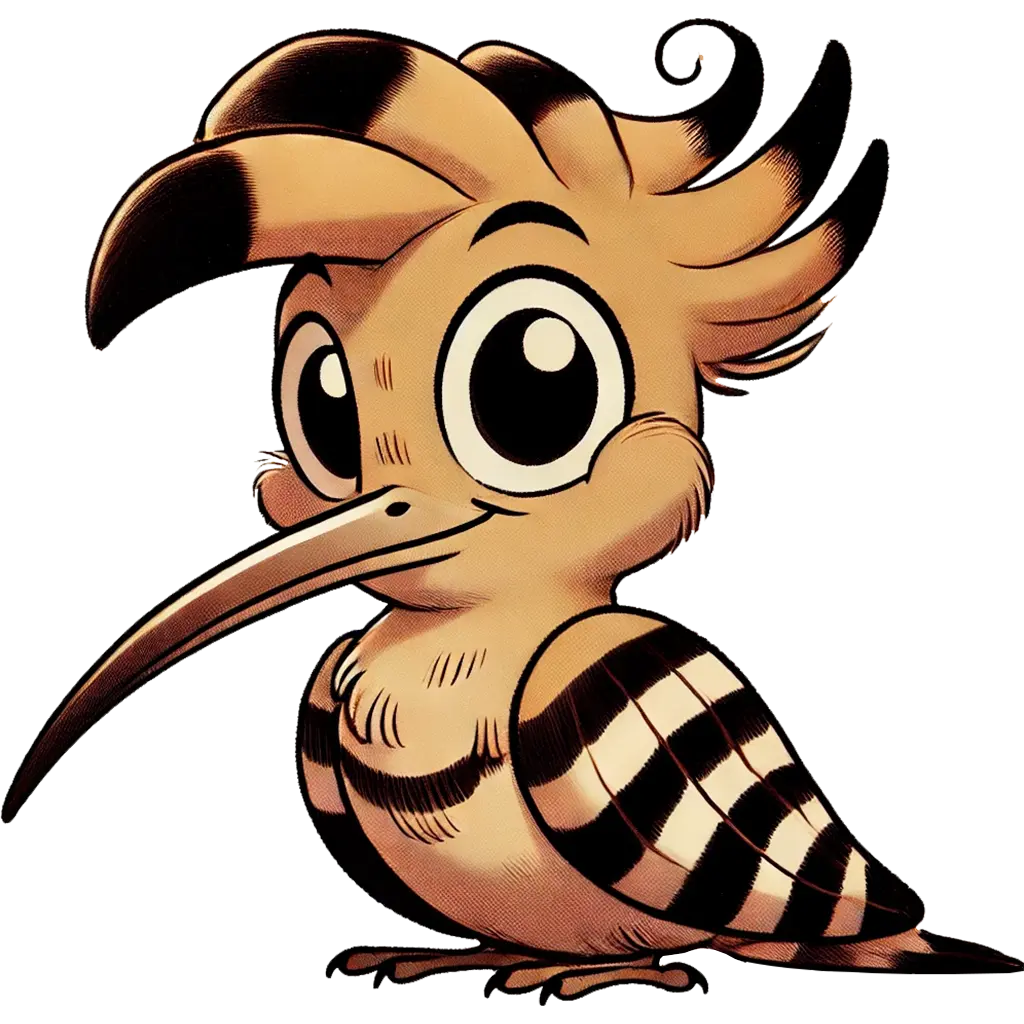
The Eurasian Hoopoe has a distinctive crown of feathers and a unique "oop-oop-oop" call.
This bird is known for its striking appearance, with a long, slender beak used to forage insects. Its feathers create an eye-catching crest that can be raised or lowered. Found across Europe, Asia, and North Africa, the hoopoe is often seen in open landscapes, including grasslands and savannas.

Download word search puzzles
Word Search Puzzles
Check Out Other Birds
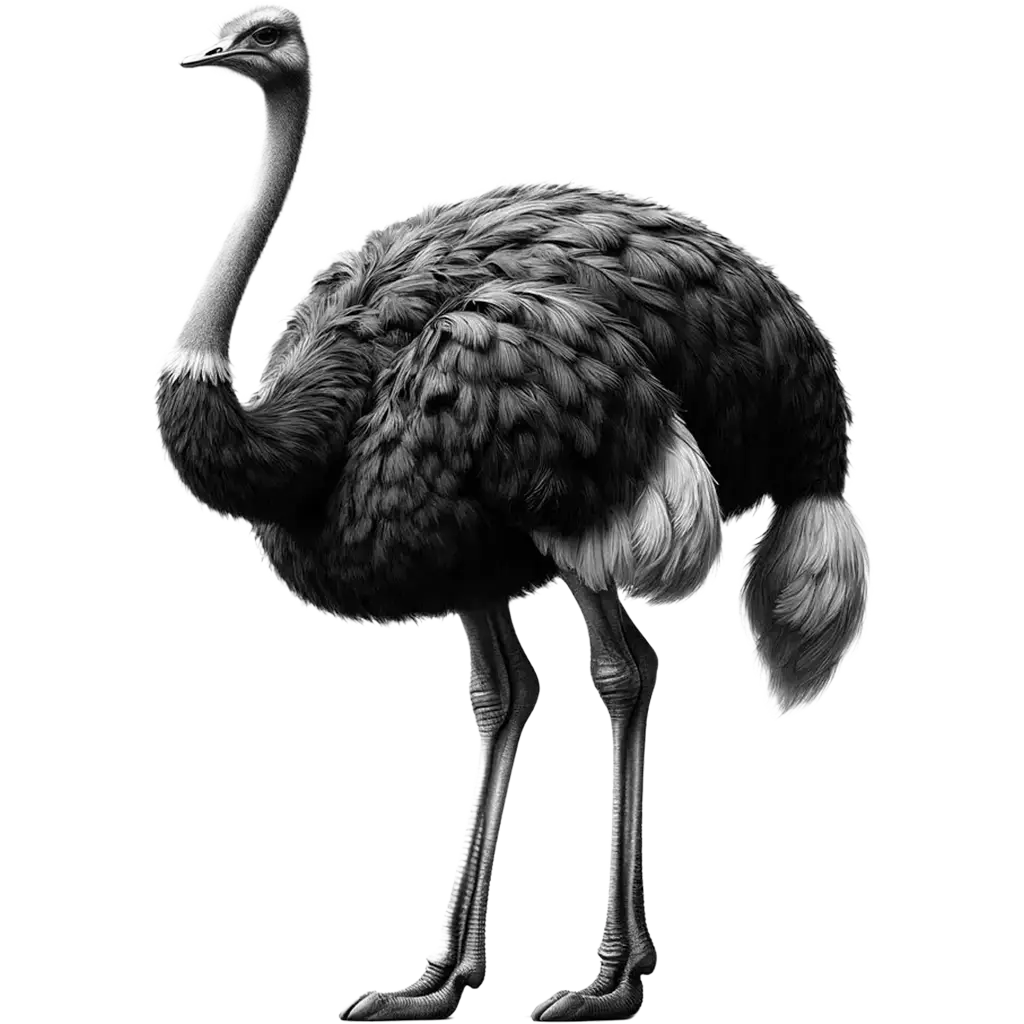
The Masai Ostrich, struthio camelus massaicus, is the East African subspecies of the common ostrich, distinguished by its unique coloration and size. Males possess a distinctive black and white plumage, with bright pink to red necks and thighs during the breeding season, signaling their readiness to mate. Females and juveniles
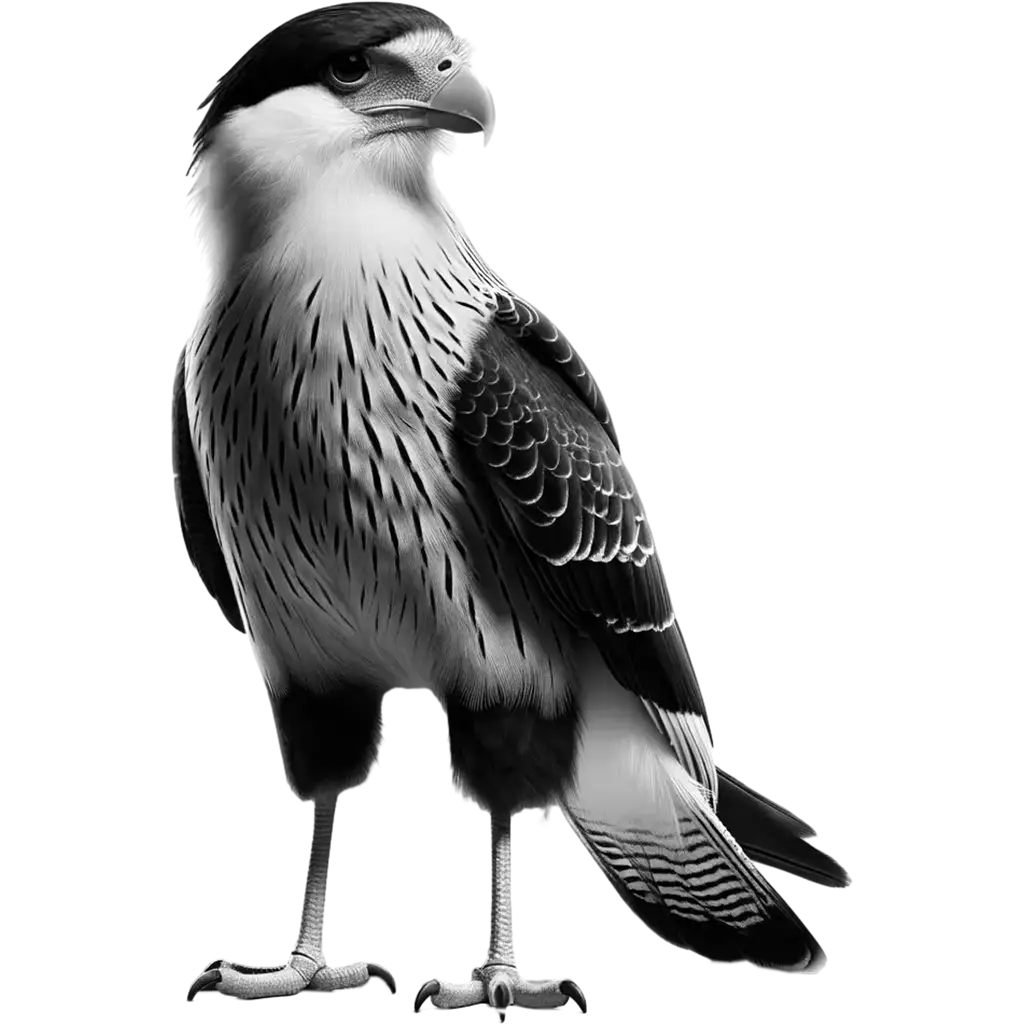
The Chimango Caracara, milvago chimango, is a small raptor found widely across southern South America, including Argentina, Chile, Uruguay, Paraguay, and the southern regions of Brazil. This bird of prey is part of the Falconidae family and is known for its adaptability to various environments, including open grasslands, agricultural areas,
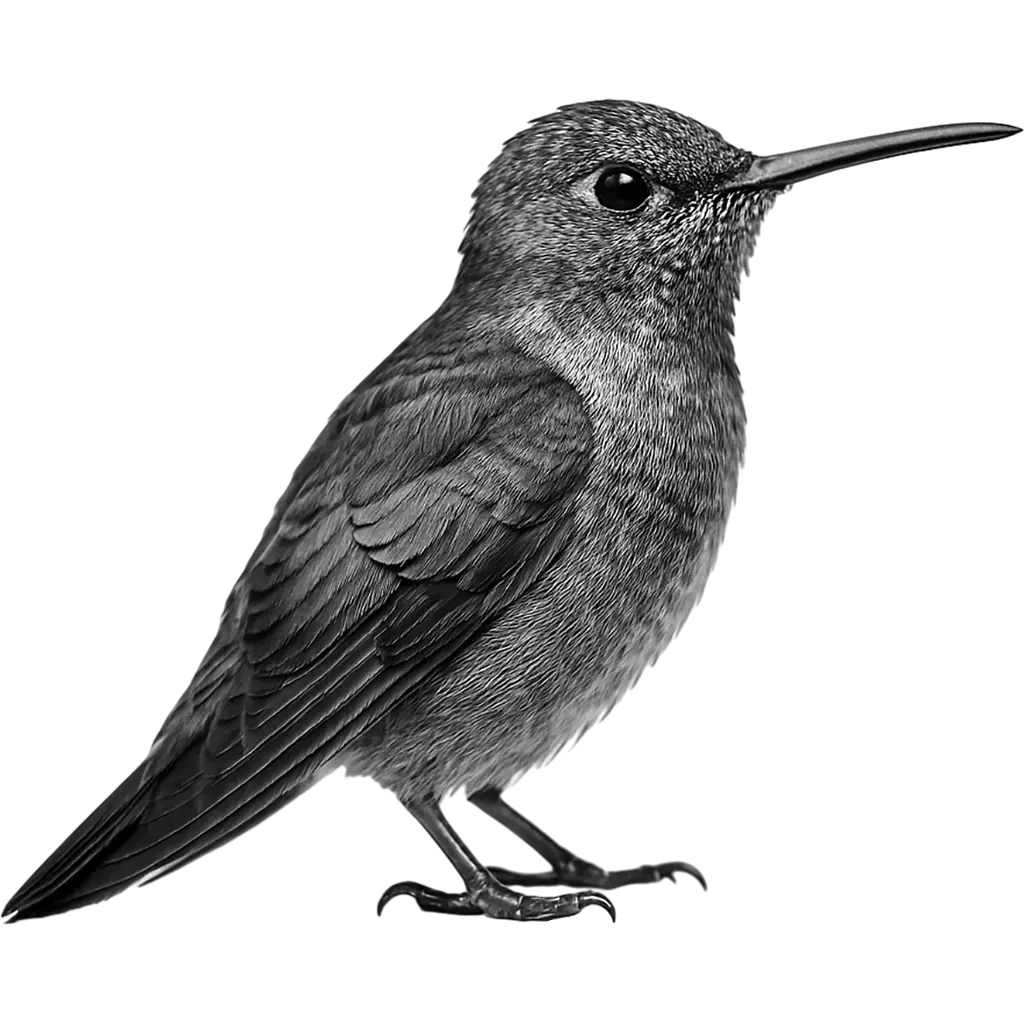
The Buff-bellied Hummingbird is a dazzling small bird distinguished by its vibrant coloration and sleek, streamlined body. Its plumage gleams with iridescent greens and subtle hues of blue, with a notable buff-colored belly that contrasts with its shimmering metallic back. The bird features a delicate, elongated bill perfect for accessing
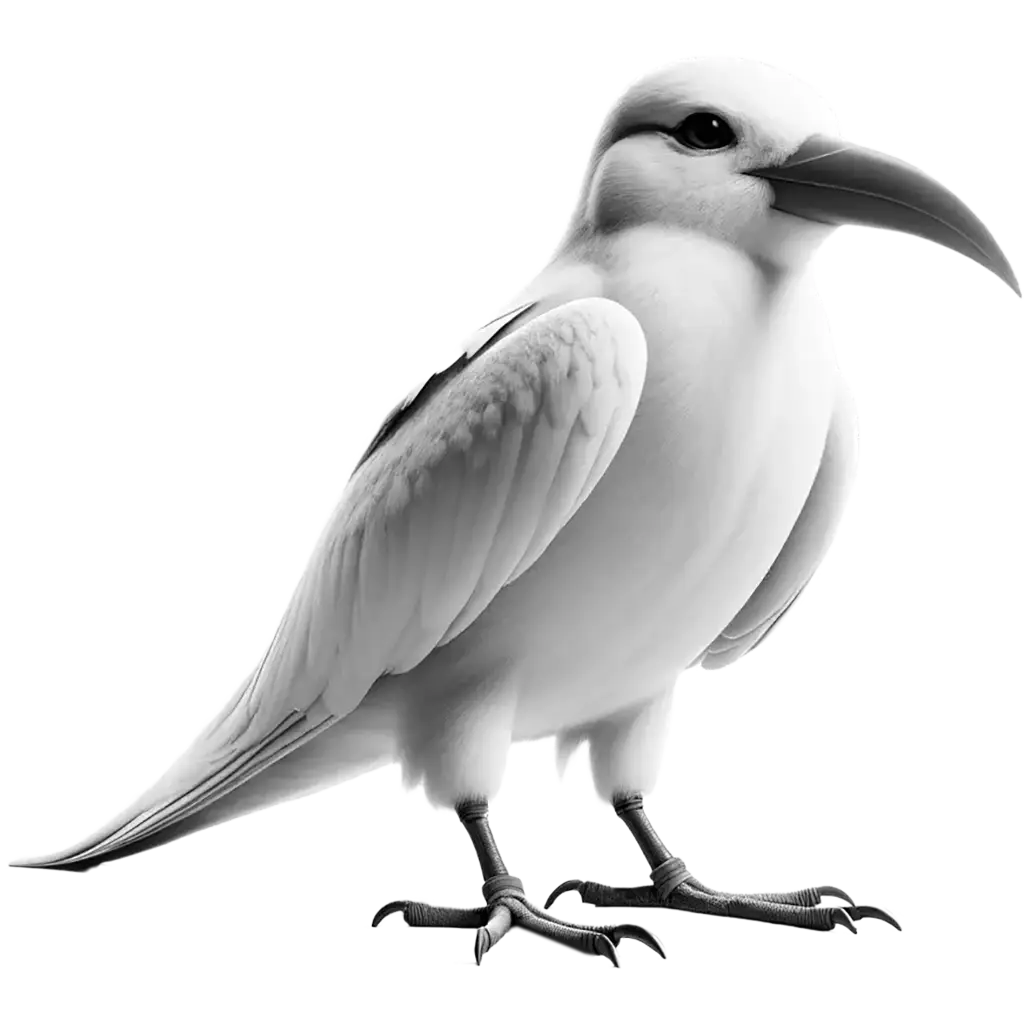
The Red-Billed Tropicbird, phaethon aethereus, is a striking seabird known for its elegant white plumage, slender red bill, and exceptionally long tail feathers, which can be twice the length of its body. Adults typically measure about 48 to 55 cm in length, not including the tail streamers, which can add