
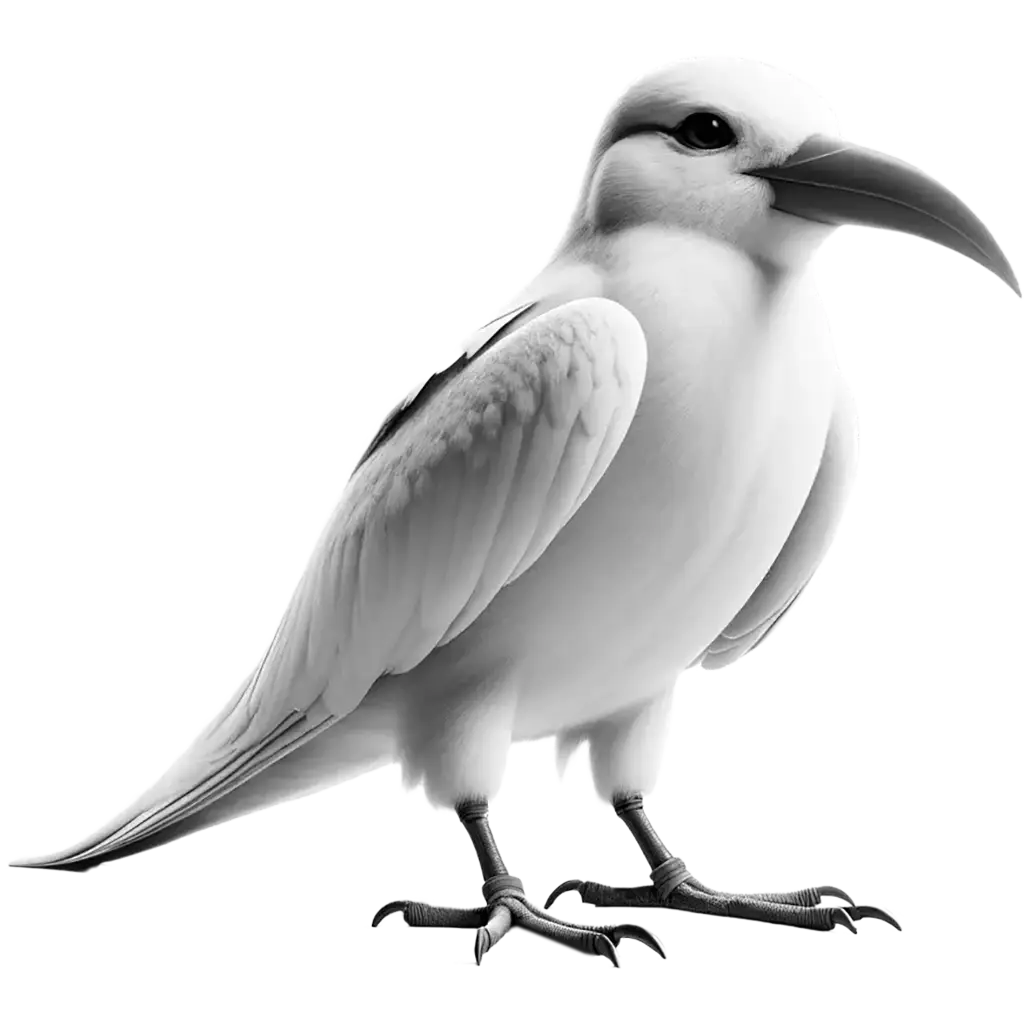
Phaethon Aethereus
Red-Billed Tropicbird
Open ocean and tropical islands for nesting
The Red-Billed Tropicbird, phaethon aethereus, is a striking seabird known for its elegant white plumage, slender red bill, and exceptionally long tail feathers, which can be twice the length of its body. Adults typically measure about 48 to 55 cm in length, not including the tail streamers, which can add an additional 46 to 56 cm. Their bodies are predominantly white, with black markings around the eyes and on the wings. These birds possess strong, pointed wings that enable them to glide effortlessly over the ocean.
| Population: | Listed as Least Concern, but specific populations may be vulnerable to local threats |
| Generation Length: | 5-6 years |
| Average Weight: | Approximately 700 grams |
| Average Length: | 48 cm, with streamers extending up to 50 cm beyond the tail |
| Lifespan: | Up to 16 years in the wild |
| Diet: | Piscivorous, mainly feeding on flying fish and squid |
| Conservation Status: | Least Concern (LC) |
Native to tropical and subtropical regions of the Atlantic, Pacific, and Indian Oceans, Red-Billed Tropicbirds prefer open ocean environments, rarely seen on land except during the breeding season. They nest on remote, predator-free islands, laying their eggs on the ground or in cliffside crevices, where they can take advantage of the isolation and minimal disturbance.
The diet of the Red-Billed Tropicbird mainly consists of flying fish and squid, which they catch by performing dramatic plunges into the sea from heights of up to 20 meters. This spectacular hunting technique showcases their agility and precision, making them formidable predators despite their delicate appearance.
Reproduction for Red-Billed Tropicbirds involves a solitary egg laid in a simple scrape on the ground or in a crevice. Both parents share incubation duties over a period of about 40 to 45 days. The chick is then fed regurgitated fish and squid by both parents until it fledges, usually within 10 to 12 weeks of hatching.
The population of the Red-Billed Tropicbird is considered to be stable, though they face threats from climate change, which can impact their breeding islands and food sources, and entanglement in fishing gear. Conservation efforts are focused on protecting their nesting sites and mitigating bycatch in fisheries. The Red-Billed Tropicbird's reliance on specific breeding sites highlights the importance of preserving these critical habitats for the continued survival of this and other seabird species.
Classifications
The Key Attributes
Features
- Movement:
Flying, swimming
- Territorial Behavior:
Breeds in colonies on isolated islands
- Speed:
Fast flyer, capable of gliding over ocean waters
- Diet:
Carnivore
- Physical Features:
- Long white tail streamers
- Red bill and black markings on the face and wings
- Long wings for gliding and hovering over water
- Webbed feet for swimming
- Primary Senses:
- Sight
Understanding Habitat and Range
Geography
- Habitat:
Open ocean and tropical islands for nesting
- Migration Patterns:
Some populations are migratory, traveling long distances over open ocean
- Geographical Range:
Tropical and subtropical regions of the Atlantic, Pacific, and Indian Oceans
- Climate Preferences:
Tropical and subtropical marine environments
Navigating the Wilderness
In the wild
- Predators:
Seabirds, rats, and cats on nesting islands
- Prey:
Flying fish, squid, and small fish
- Feeding Behavior:
Catches fish and squid by plunge diving from the air into the water
- Diet:
Piscivorous, mainly feeding on flying fish and squid
- Defensive Mechanisms:
- Nests on isolated, often uninhabited islands to avoid predators
- Flight and agility in the air to escape
- Preferred Food Sources:
- Open ocean rich in fish and squid populations
Insights Into Reproduction
Mating
- Mating System:
Monogamous
- Number of Offspring:
Usually one egg
- Incubation Period:
About 40-46 days
- Parental Involvement:
- Both parents share incubation duties and care for the chick until it fledges
Youngsters Section
Red-Billed Tropicbird
Fun Fact
The red-billed tropicbird is known for its beautiful long tail feathers and striking red bill.
These birds are expert fliers, capable of performing impressive aerial acrobatics while hunting for fish and squid. Their long tail streamers help with maneuverability in the air. They nest on remote islands and cliffs, often returning to the same site year after year.

Download word search puzzles
Word Search Puzzles


Check Out Other Birds
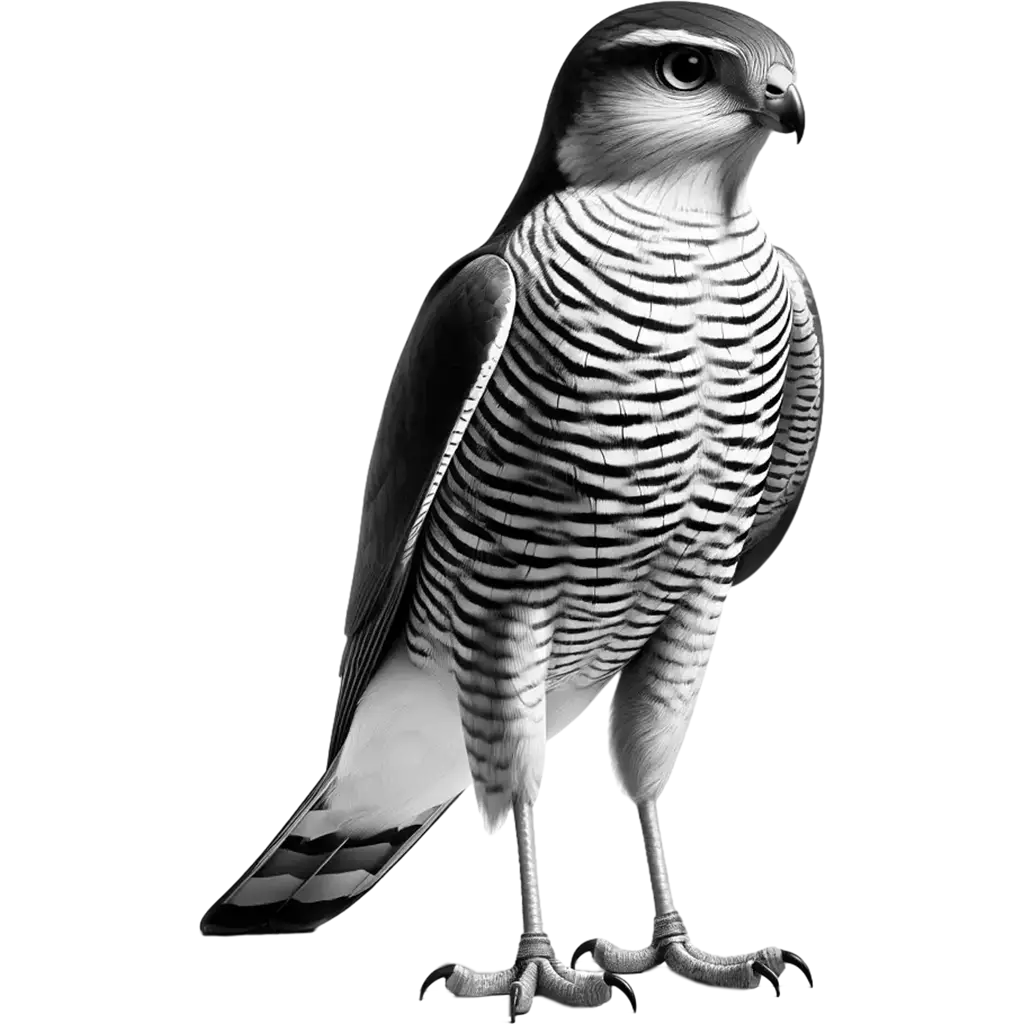
The Chestnut-Flanked Sparrowhawk, accipiter castanilius, is a small, elusive bird of prey found in the dense forests of West and Central Africa. This raptor is notable for its striking appearance, with adult males displaying a distinctive chestnut color on their flanks, contrasting with their slate-gray back and wings. The underparts

The White-Crested Helmetshrike, prionops plumatus, is a striking bird characterized by its prominent white crest, which contrasts beautifully with its predominantly black body, grayish-white underparts, and vivid yellow eye wattle. Its slender, hook-tipped bill is adept for foraging, and the bird's overall length ranges from 19 to 24 cm, making

The King Eider, somateria spectabilis, is a large, striking sea duck known for its circumpolar distribution in the Arctic regions of North America, Europe, and Asia. Male King Eiders are particularly notable for their distinctive appearance during the breeding season, with a bold black and white pattern, a bright orange
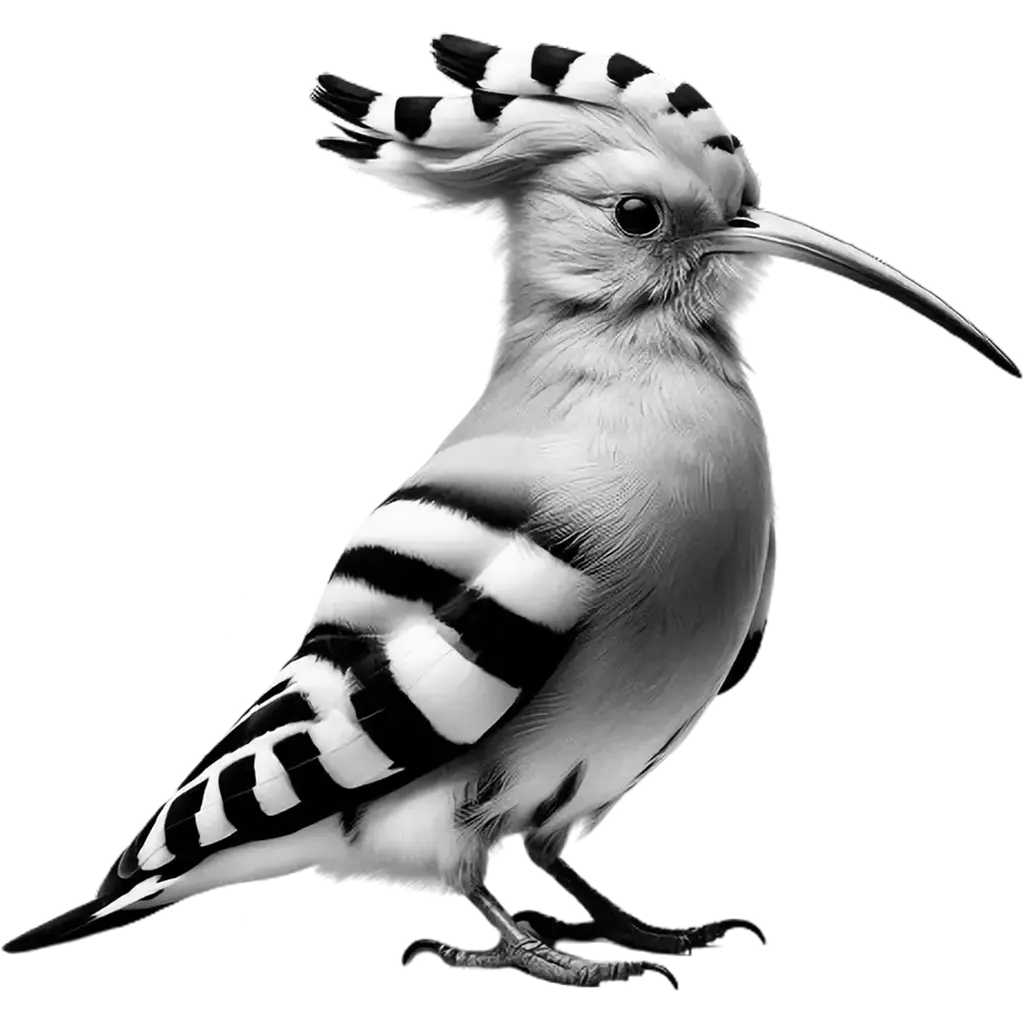
The White-Headed Wood Hoopoe, phoeniculus bollei, is a distinctive bird species primarily found in the forests and woodlands of Central and East Africa. This bird is known for its striking appearance, featuring a long, curved beak, a glossy blue-black plumage, and a prominent white head and chest, which contrast sharply