
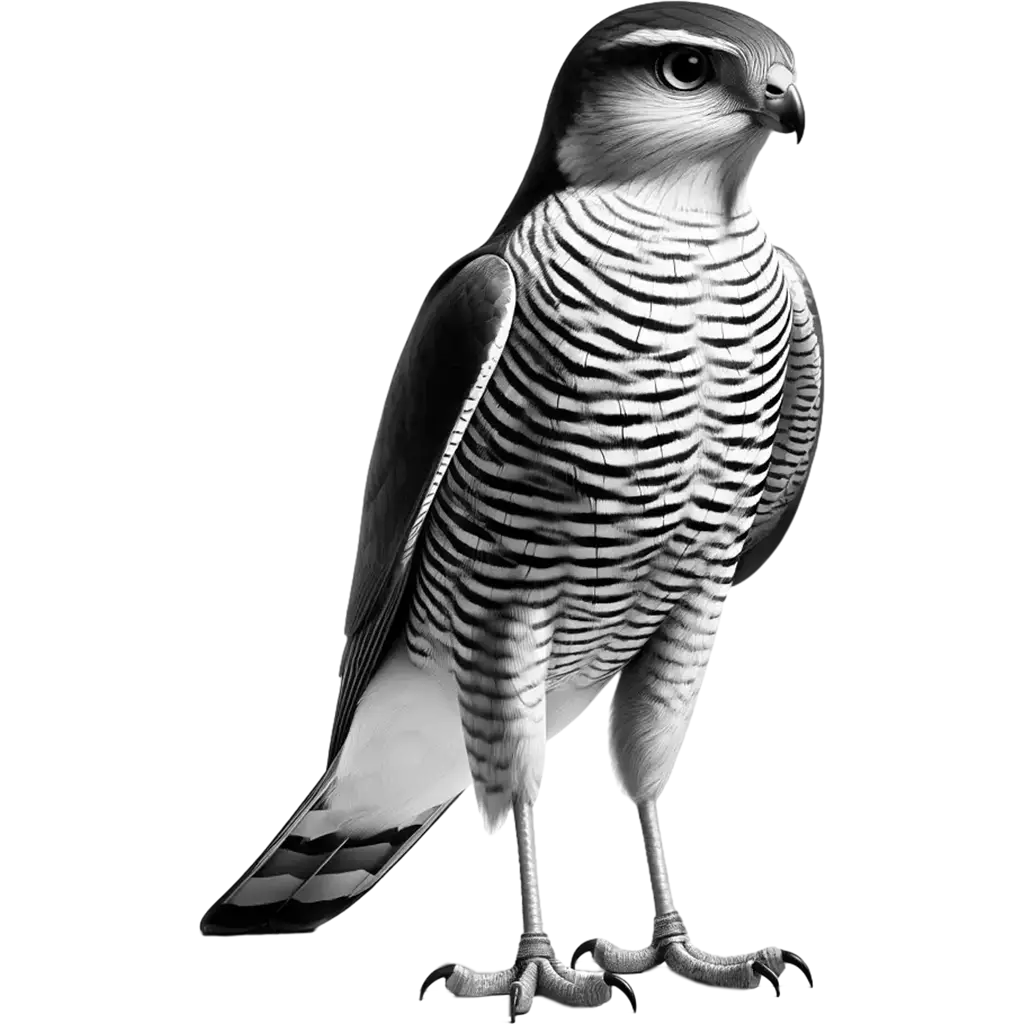
Accipiter Castanilius
Chestnut-Flanked Sparrowhawk
Primarily found in dense forests and woodland areas
The Chestnut-Flanked Sparrowhawk, accipiter castanilius, is a small, elusive bird of prey found in the dense forests of West and Central Africa. This raptor is notable for its striking appearance, with adult males displaying a distinctive chestnut color on their flanks, contrasting with their slate-gray back and wings. The underparts are white with fine, dark barring, and they possess a relatively short tail and broad, rounded wings ideal for maneuvering through forested environments. Females are larger than males and have a more subdued coloration, with less pronounced chestnut flanks. This species typically measures around 30 to 38 cm in length, with a wingspan that is proportionate to its agile, compact body.
| Population: | Population data is limited; not globally threatened, but possibly rare or declining locally |
| Generation Length: | 4-5 years |
| Average Weight: | 110-160 grams for males, 150-200 grams for females |
| Average Length: | 23-30 cm in length, with a wingspan of 45-58 cm |
| Lifespan: | Estimated up to 10-12 years in the wild, based on data from similar Accipiter species |
| Diet: | Primarily small to medium-sized birds |
| Conservation Status: | Least Concern (LC) |
Chestnut-Flanked Sparrowhawks are adapted to a life within the canopy of dense forests, where they rely on surprise and agility to catch their prey. They are solitary hunters, feeding primarily on small birds and insects. Their hunting strategy involves quick, darting flights from a hidden perch to capture unsuspecting prey, showcasing their remarkable flying skills and keen eyesight.
The diet of the Chestnut-Flanked Sparrowhawk mainly consists of small birds, which they pluck from the air with precision, and insects. This diet reflects their role as natural controllers of bird and insect populations within their habitat, contributing to the ecological balance of the forests they inhabit.
Reproduction in Chestnut-Flanked Sparrowhawks involves building a small, compact nest in the fork of a tree, where the female lays 2 to 4 eggs. Both parents share in the incubation duties, with the male often responsible for providing food for the female and the chicks once they hatch. The breeding season is closely tied to the availability of prey, ensuring that the chicks have ample food for growth.
The population status of the Chestnut-Flanked Sparrowhawk is not well-documented, largely due to its secretive nature and the remote habitats it frequents. However, like many forest-dwelling species, it is likely affected by habitat loss and degradation. Conservation efforts for this species and its habitat are essential for ensuring its survival, highlighting the importance of protecting the vast forest ecosystems of Africa for the multitude of species they support
Classifications
The Key Attributes
Features
- Movement:
Flight
- Territorial Behavior:
Territorial, especially during the breeding season
- Speed:
Not specifically quantified; known for agile flight through dense forests
- Diet:
Carnivore
- Physical Features:
- Small, compact body
- Short, rounded wings and a long tail for maneuvering through trees
- Adults have chestnut flanks and a barred tail
- Sharp talons and a hooked beak for catching and consuming prey
- Primary Senses:
- Sight
- Hearing
Understanding Habitat and Range
Geography
- Habitat:
Primarily found in dense forests and woodland areas
- Migration Patterns:
Mostly sedentary, with some local movements
- Geographical Range:
Sub-Saharan Africa, with a range extending from Sierra Leone and Guinea east to Uganda and Kenya, and south to Angola and the eastern Democratic Republic of Congo
- Climate Preferences:
Prefers tropical and subtropical climates
Navigating the Wilderness
In the wild
- Predators:
Larger birds of prey may predate on young or smaller individuals
- Prey:
Mainly small birds, but also takes lizards, insects, and occasionally small mammals
- Feeding Behavior:
Hunts from a perch, rapidly diving to catch prey by surprise
- Diet:
Primarily small to medium-sized birds
- Defensive Mechanisms:
- Camouflage within the forest
- Agile flight to escape from predators
- Territorial aggression to defend against rivals
- Preferred Food Sources:
- Dense forests and woodlands abundant with birdlife
Insights Into Reproduction
Mating
- Mating System:
Monogamous
- Number of Offspring:
2-4 eggs per clutch
- Incubation Period:
About 30-35 days
- Parental Involvement:
- Both parents share in nest building, incubating the eggs, and feeding the chicks
Youngsters Section
Chestnut-Flanked Sparrowhawk
Fun Fact
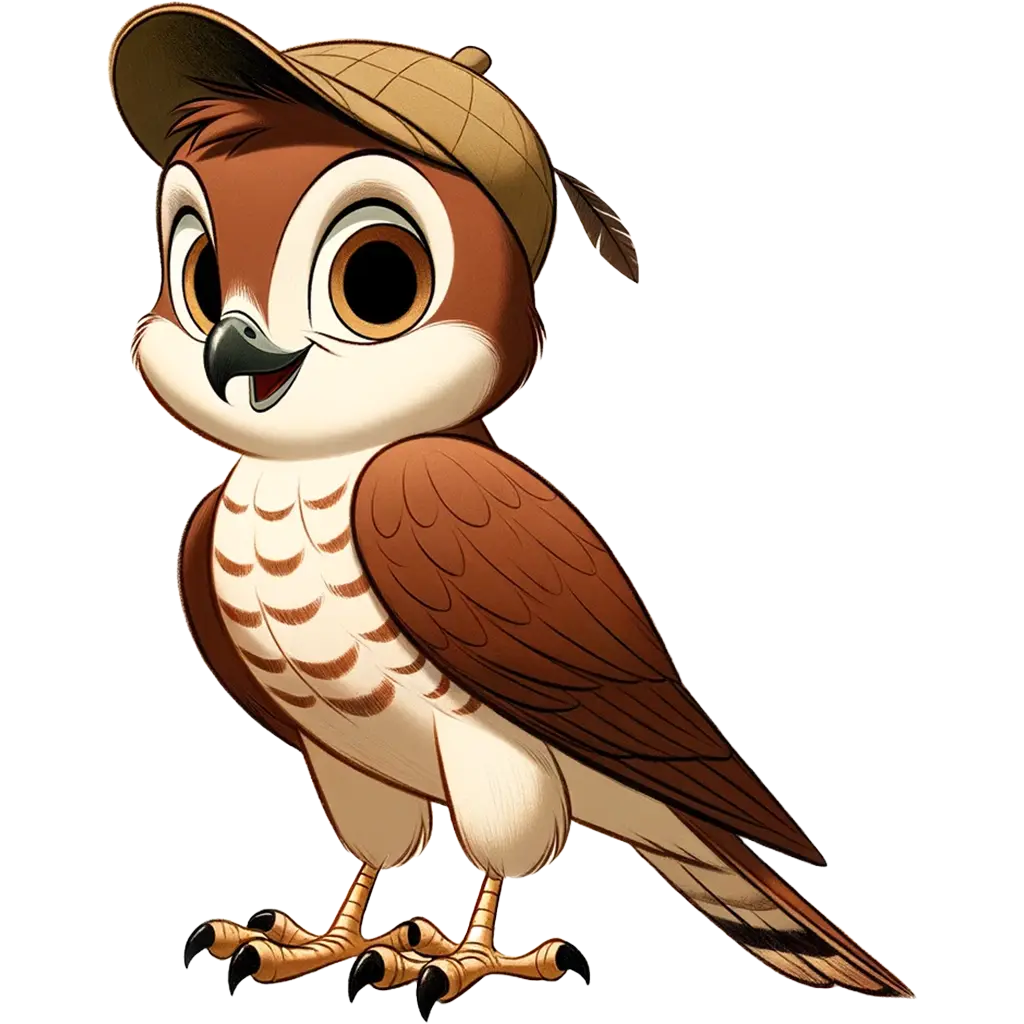
The Chestnut-Flanked Sparrowhawk is a small bird of prey found in tropical African forests.
This raptor is distinguished by its striking chestnut flanks and size, measuring about 23-28 cm. It primarily preys on small birds and insects, using its agility for hunting in dense foliage. Despite its small size, it's an adept hunter, showcasing the typical fierce nature of sparrowhawks.

Download word search puzzles
Word Search Puzzles
Check Out Other Birds
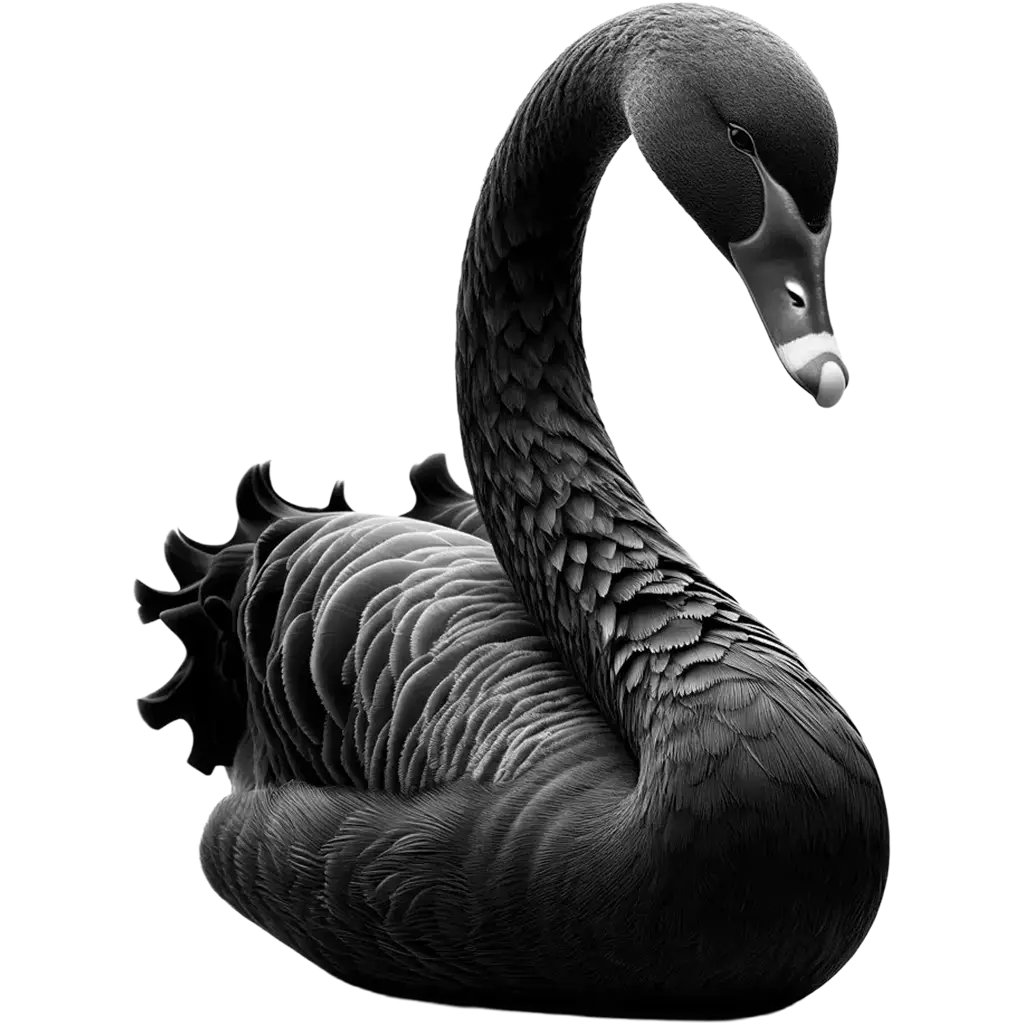
The Black Swan, cygnus atratus, is a large waterbird native to Australia, easily distinguished by its mostly black plumage and striking red bill with a white band. It measures between 110 to 142 centimeters in length and has a wingspan of up to 2 meters, making it one of the
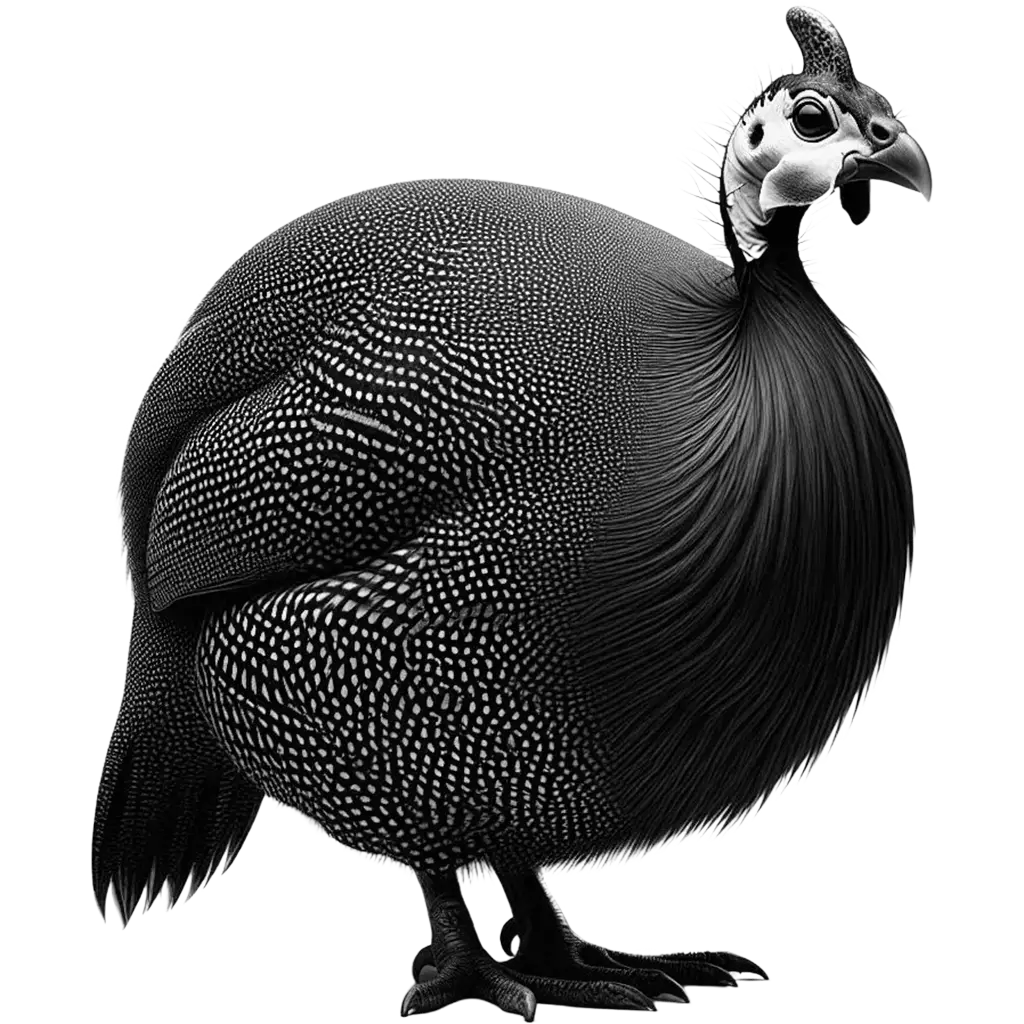
The Black Guineafowl, agelastes niger, is a rare and elusive bird species found in the dense rainforests of West and Central Africa, particularly in regions stretching from Sierra Leone to Ghana and extending to the Congo Basin. This species is distinguished by its entirely black plumage, which contrasts with its
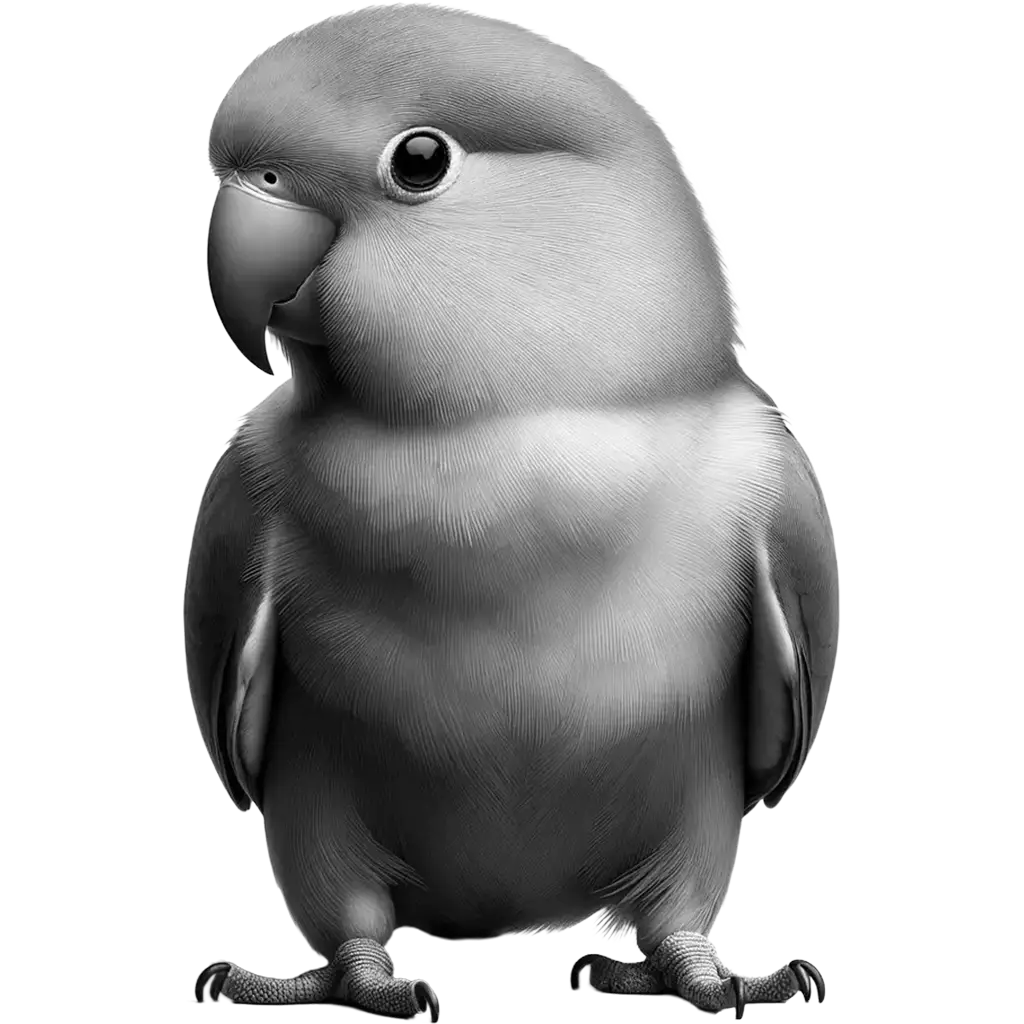
The Rosy-Faced Lovebird, agapornis roseicollis, also known as the Peach-faced Lovebird, is a small, vibrant bird native to the arid regions of southwestern Africa. This species is easily recognizable by its striking coloration: adults have a bright rosy-pink face and throat, with green upper parts, blue rump, and tail, and
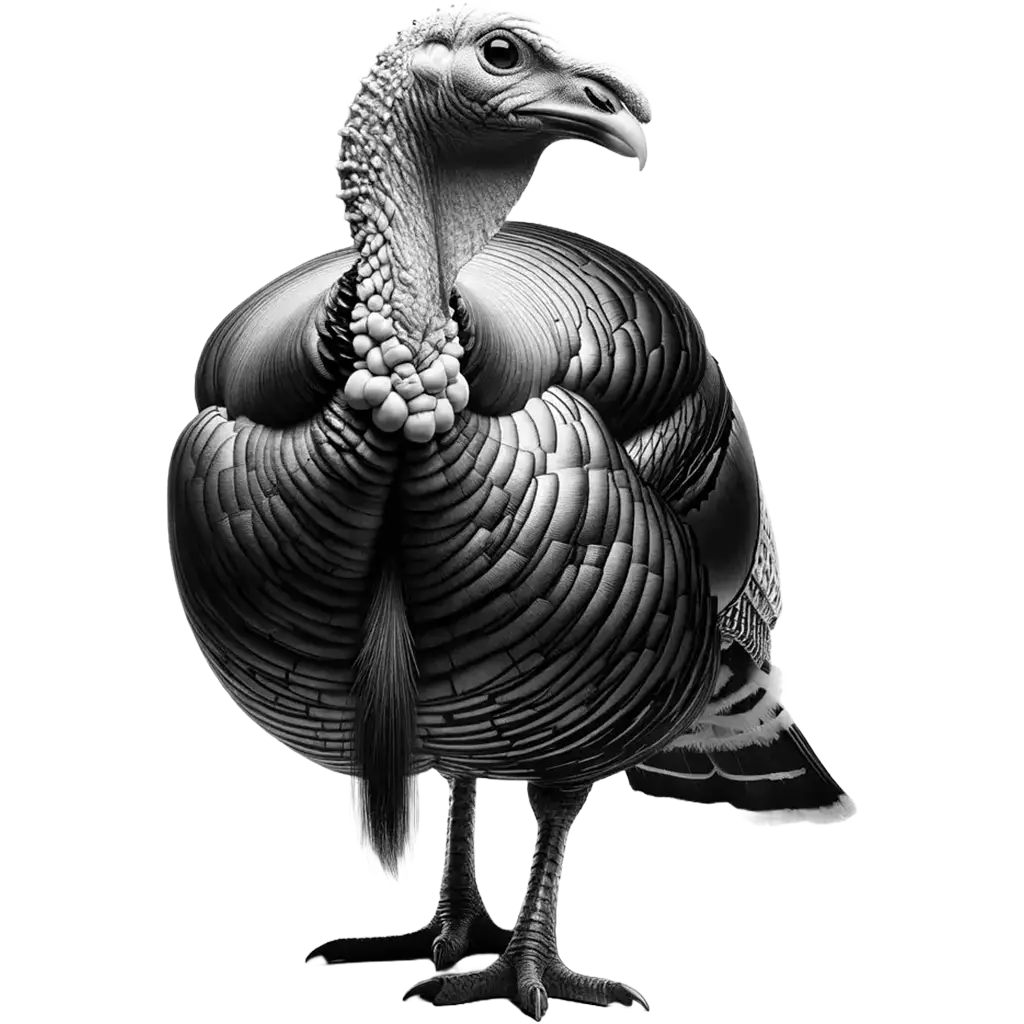
The Wild Turkey, meleagris gallopavo, is a large bird native to North America, recognized for its significant role in the continent's wildlife and history. Adult males, known as toms or gobblers, are particularly notable for their impressive size, weighing up to 11 kilograms and measuring up to 125 centimeters in