
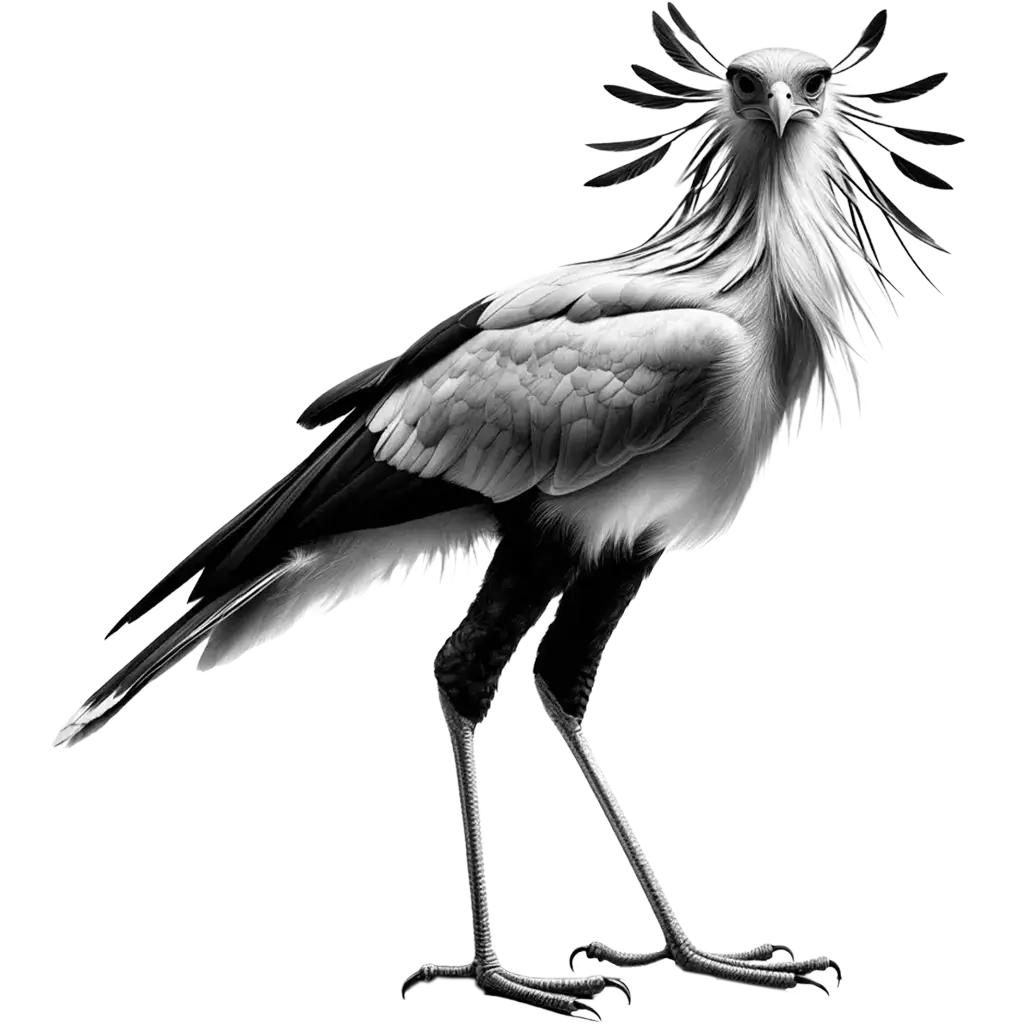
Sagittarius Serpentarius
Secretarybird
Open savannas, grasslands, and semi-desert areas
The Secretarybird, sagittarius serpentarius, is a unique bird of prey native to the open grasslands and savannas of Sub-Saharan Africa. This distinctive species stands tall on crane-like legs, reaching up to 1.3 meters in height, with a body length of about 1.4 meters from beak to tail. Its appearance is striking, featuring a predominantly grey plumage, long black quill-like feathers at the back of the head that resemble quill pens - purportedly the source of its name, and a bright orange to red face and legs during breeding season. Unlike other birds of prey, the Secretarybird has long, powerful legs adapted for walking and running across the savannah.
| Population: | Listed as Vulnerable, with declining populations |
| Generation Length: | 7 years |
| Average Weight: | 2.3-4.5 kg |
| Average Length: | 130-150 cm |
| Lifespan: | 10-15 years in the wild |
| Diet: | Primarily feeds on terrestrial prey, especially snakes and other reptiles |
| Conservation Status: | Endangered (EN) |
The Secretarybird is known for its terrestrial lifestyle, hunting on foot across the vast African grasslands. It preys on insects, rodents, snakes, and small mammals, utilizing its speed and agility to chase down prey before delivering lethal blows with its strong feet. This bird is one of the few raptor species that hunt primarily on the ground.
The diet of the Secretarybird is varied, allowing it to adapt to different prey availability across its range. It uses its keen eyesight to spot prey from a distance, then employs a combination of stalking and rushing tactics to catch and kill its food. Its ability to control venomous snakes and other pests contributes positively to its ecosystem.
Reproduction involves a monogamous pair that builds a large nest in the top of an acacia tree or a similarly isolated tree. The female lays 2 to 3 eggs, which are incubated by both parents for around 45 to 50 days. Young Secretarybirds are slow to mature, relying on their parents for food and protection for several months before leaving the nest.
The Secretarybird's population is considered Vulnerable due to habitat loss, degradation from agricultural expansion, and changes in land use that reduce available hunting grounds. Conservation efforts include habitat preservation, research to better understand its ecology, and inclusion in protected areas. The Secretarybird's unique hunting methods and iconic stature make it an important symbol for conservation in Africa.
Classifications
The Key Attributes
Features
- Movement:
Walking, flying
- Territorial Behavior:
Territorial and often seen alone or in pairs
- Speed:
Capable of fast running and powerful flight
- Diet:
Carnivore
- Physical Features:
- Long legs for walking and running
- Long, quill-like feathers on the head resembling secretary quills
- Sharp hooked beak
- Strong talons for catching and killing prey
- Primary Senses:
- Sight
- Hearing
Understanding Habitat and Range
Geography
- Habitat:
Open savannas, grasslands, and semi-desert areas
- Migration Patterns:
Resident, with some local movements in response to food availability
- Geographical Range:
Sub-Saharan Africa
- Climate Preferences:
Prefers open, dry habitats
Navigating the Wilderness
In the wild
- Predators:
Few natural predators due to size and strength, but eggs and young are vulnerable to predation
- Prey:
Snakes, rodents, lizards, small mammals, and insects
- Feeding Behavior:
Hunts on the ground, using its long legs to chase and stomp on prey
- Diet:
Primarily feeds on terrestrial prey, especially snakes and other reptiles
- Defensive Mechanisms:
- Powerful kicks and stomps
- Flight to escape threats
- Aggressive behavior when threatened
- Preferred Food Sources:
- Open areas where it can easily spot and pursue ground-dwelling prey
Insights Into Reproduction
Mating
- Mating System:
Monogamous
- Number of Offspring:
1-3 eggs
- Incubation Period:
About 45-50 days
- Parental Involvement:
- Both parents involved in nest building, incubation, and rearing of the young
Youngsters Section
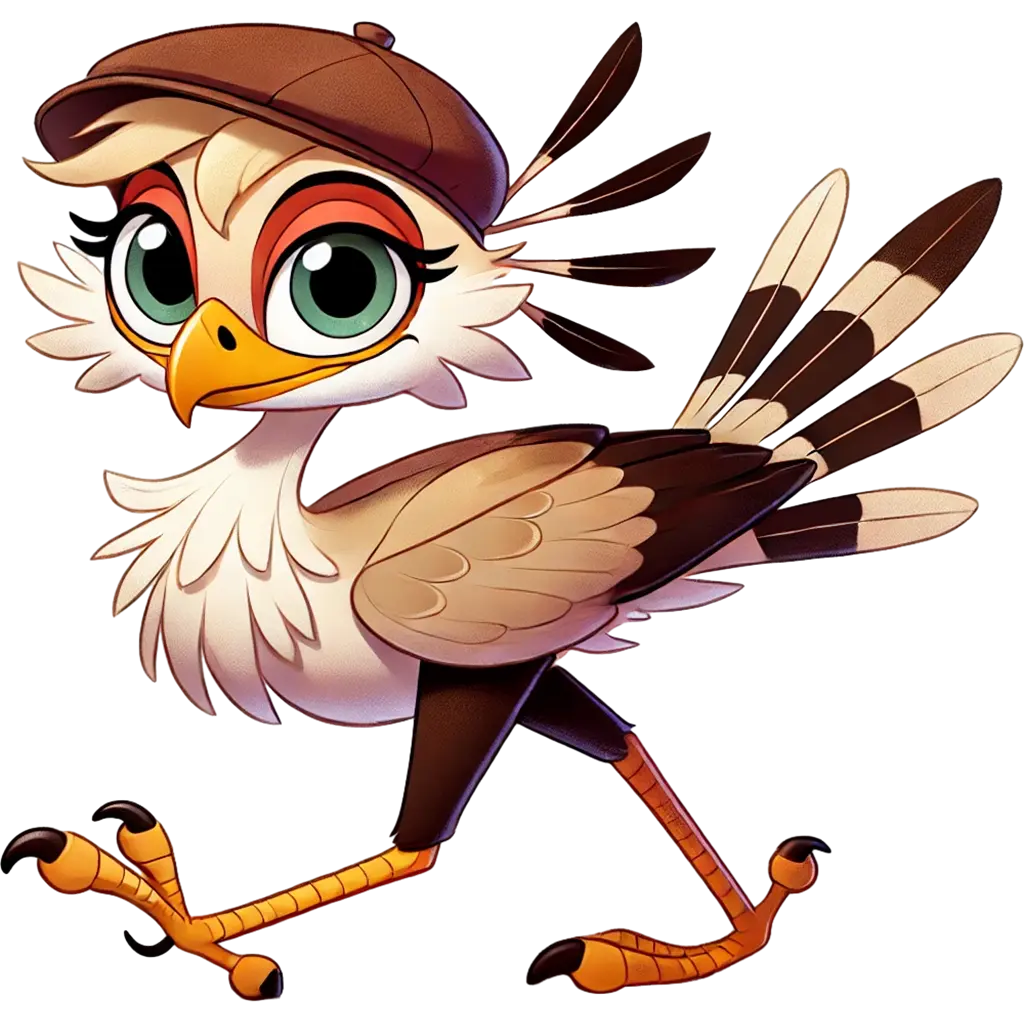
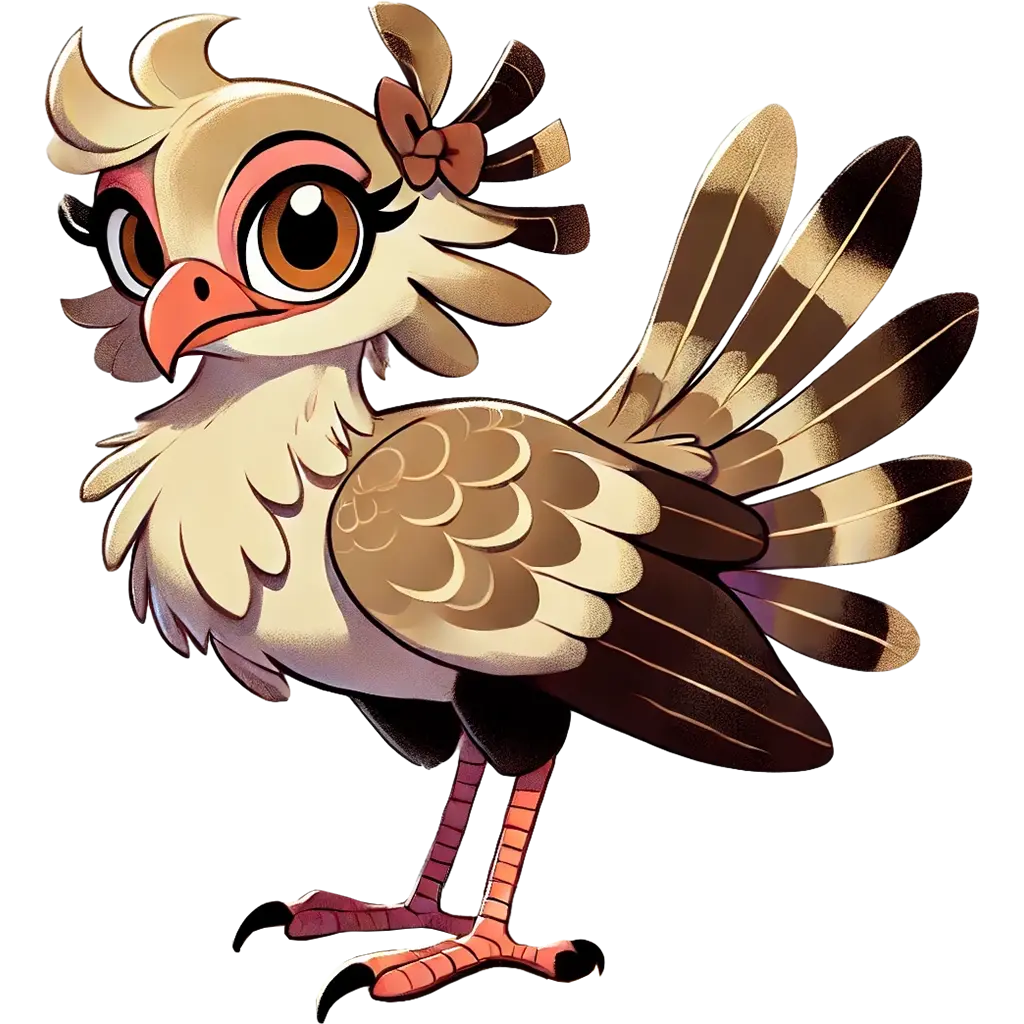
Secretarybird
Fun Fact
The secretarybird is known for its striking appearance and hunting skills, particularly for snakes.
This bird of prey, native to Africa, has long legs and a wingspan that can reach up to 7 feet. Despite its size, it primarily hunts on foot, using powerful kicks to incapacitate snakes and other prey. Their unique hunting technique and distinctive plumage make them a fascinating subject for bird enthusiasts worldwide.

Download word search puzzles
Word Search Puzzles
Check Out Other Birds
The Tyrian Metaltail is a diminutive hummingbird featuring a compact body draped in iridescent feathers that glisten with metallic hues. Its vibrant plumage, marked by subtle yet dazzling color shifts, is complemented by a slender, elongated bill designed for deep flower corollas. With delicate wings and a compact, graceful form,
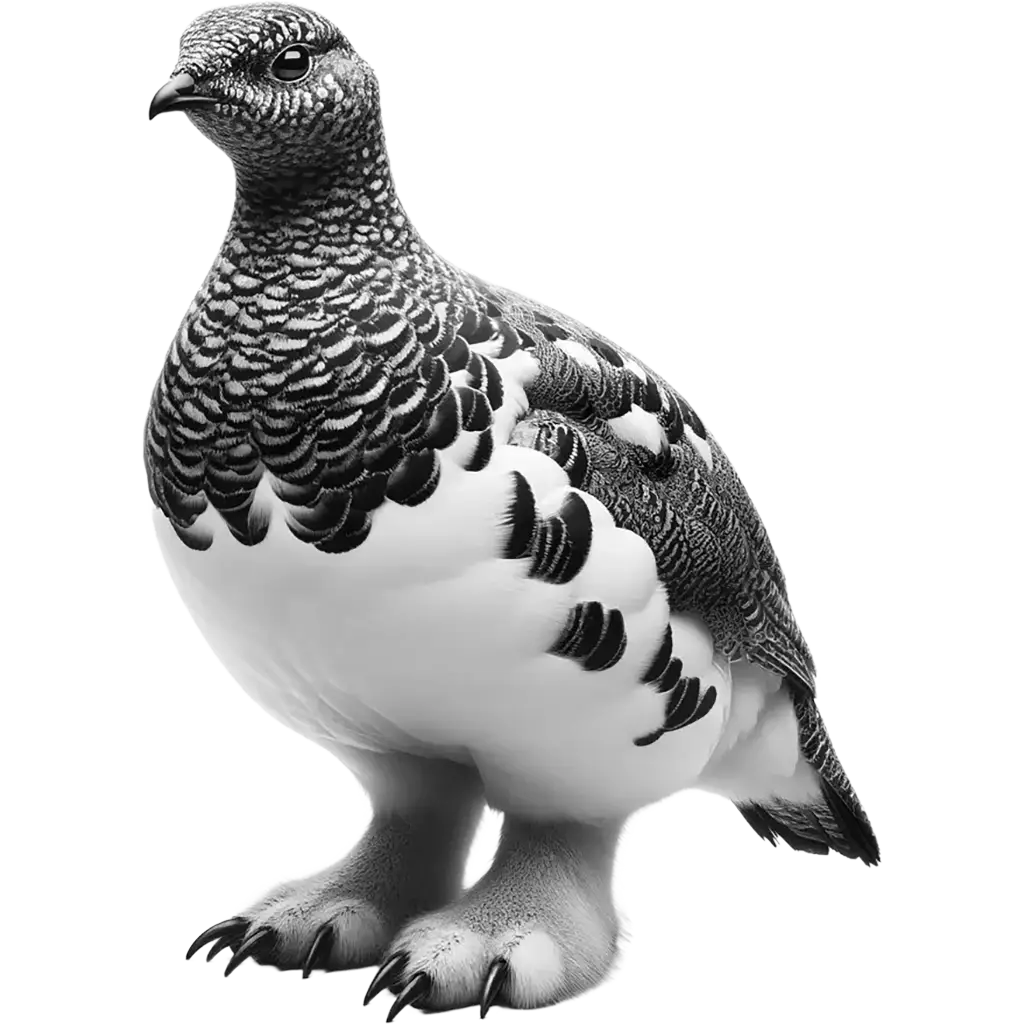
The Rock Ptarmigan, lagopus muta, is a hardy bird adapted to life in the Arctic tundra and alpine regions. Recognizable by its seasonal plumage changes, it sports pure white feathers in winter to blend with the snow, transitioning to brown and grey patterns during the summer for camouflage among rocks
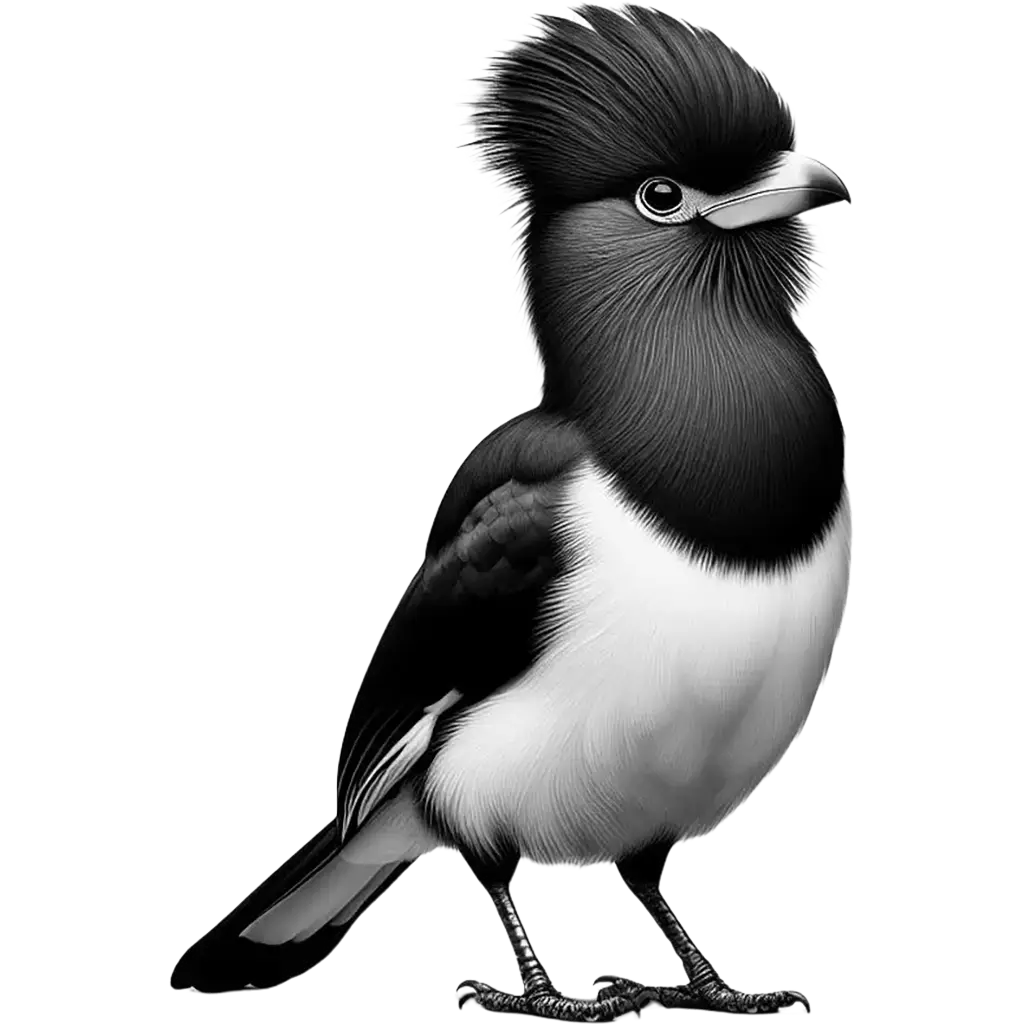
The Knysna Turaco, tauraco corythaix, is a vibrant and elusive bird, native to the dense forests and woodlands of southern Africa, particularly along the Garden Route in South Africa. Distinguished by its striking green plumage, which blends seamlessly into the forest canopy, this bird features a prominent crest on its
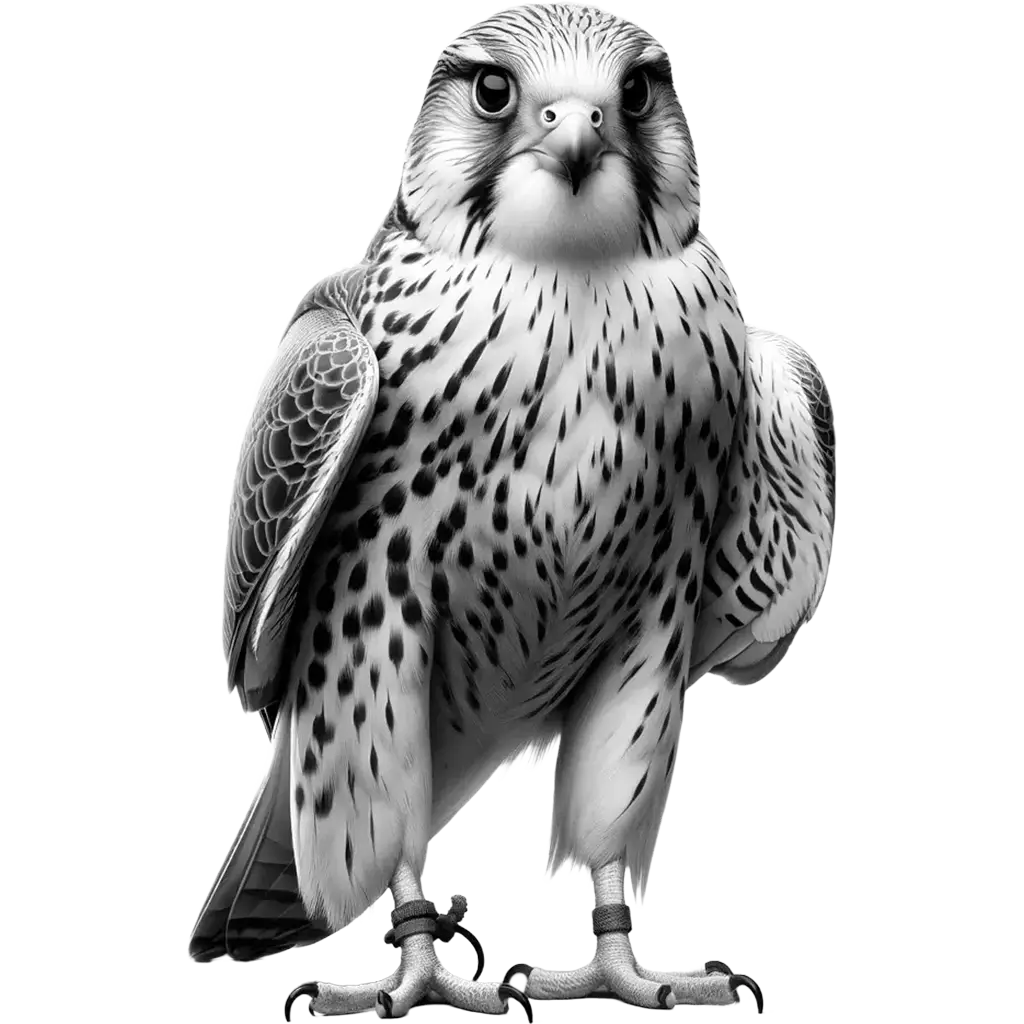
The Saker Falcon, falco cherrug, is a large, powerful bird of prey, renowned for its speed and agility in flight. It is one of the largest falcons, with adults typically measuring 47 to 55 cm in length and boasting a wingspan of 105 to 129 cm. The Saker Falcon's plumage