
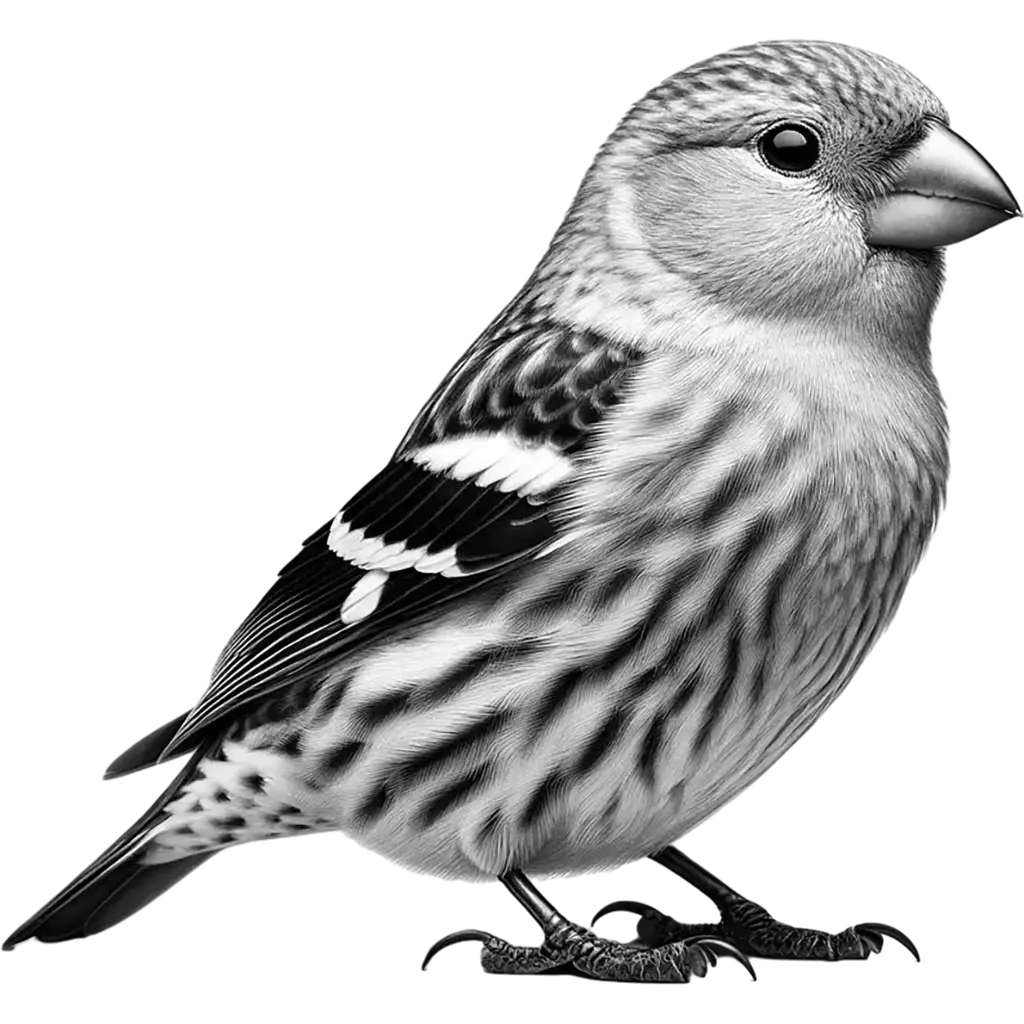
Pinicola Enucleator
Pine Grosbeak
Coniferous forests, often at higher altitudes or latitudes
The Pine Grosbeak, pinicola enucleator, is a large member of the finch family, known for its striking plumage and robust size. Adult males typically showcase a vivid rosy-red to crimson color across their head, breast, and back, while females and juveniles display a more subdued olive-yellow to grayish hue. Both sexes have a thick, conical bill adapted for cracking seeds, and they measure about 20 to 25 cm in length. Their stout body and strong wings are indicative of their resilience and adaptability to cold environments.
| Population: | Listed as Least Concern, with stable populations in most of its range |
| Generation Length: | 4-5 years |
| Average Weight: | 52-86 grams |
| Average Length: | 20-25 cm |
| Lifespan: | 9-13 years in the wild |
| Diet: | Mainly seeds and buds, supplemented with fruits and insects in summer |
| Conservation Status: | Least Concern (LC) |
Native to the boreal forests and subarctic regions of North America, Europe, and Asia, the Pine Grosbeak leads a somewhat nomadic lifestyle, with its movements and distribution largely influenced by the availability of food. These birds are typically found in coniferous forests, where they can be seen foraging in the canopy. During harsher winters, they may venture closer to human settlements in search of food, showcasing their ability to adapt to various environments.
The diet of the Pine Grosbeak primarily consists of seeds from coniferous trees, supplemented by berries, buds, and insects. This varied diet allows them to thrive in their forest habitats, playing a crucial role in seed dispersal for several plant species. During the breeding season, they also consume insects, providing a high-protein diet to their chicks.
Breeding typically occurs in late spring to early summer, with the Pine Grosbeak forming monogamous pairs. Nests are constructed in trees, usually conifers, where the female lays 3 to 5 eggs. Both parents participate in raising the young, with the male often feeding the female and chicks while the female incubates the eggs.
The population of the Pine Grosbeak is considered stable across its vast range, though it faces potential threats from habitat loss and climate change. Conservation efforts are focused on preserving the boreal forest ecosystems, which are crucial for the survival of this and many other species. The Pine Grosbeak's preference for remote, undisturbed forests makes it a symbol of the wild landscapes it inhabits, underscoring the importance of conservation measures for these areas.
Classifications
The Key Attributes
Features
- Movement:
Flying
- Territorial Behavior:
Somewhat territorial during breeding season
- Speed:
Capable of swift flight, but often moves slowly and methodically while foraging
- Diet:
Omnivore
- Physical Features:
- Robust body with a thick neck and large head
- Short, stout bill for cracking seeds
- Males typically bright red, females grey or olive-brown
- Rounded wings and short tail
- Primary Senses:
- Sight
- Hearing
Understanding Habitat and Range
Geography
- Habitat:
Coniferous forests, often at higher altitudes or latitudes
- Migration Patterns:
Partially migratory, with northern populations moving southward in winter
- Geographical Range:
Northern regions of North America, Europe, and Asia
- Climate Preferences:
Prefers boreal and temperate climates, often found in subarctic regions
Navigating the Wilderness
In the wild
- Predators:
Birds of prey, small mammals
- Prey:
Seeds, buds, fruits, and insects
- Feeding Behavior:
Feeds primarily on seeds and buds of coniferous trees, also eats fruits and insects
- Diet:
Mainly seeds and buds, supplemented with fruits and insects in summer
- Defensive Mechanisms:
- Flocking to reduce risk of predation
- Camouflage plumage in females and young
- Preferred Food Sources:
- Coniferous forests rich in seed-producing trees
Insights Into Reproduction
Mating
- Mating System:
Monogamous
- Number of Offspring:
3-5 eggs
- Incubation Period:
About 13-14 days
- Parental Involvement:
- Both parents feed and care for the young, with males often guarding the nest
Youngsters Section
Pine Grosbeak
Fun Fact
Pine Grosbeaks are large, colorful finches found in boreal forests across North America and Eurasia.
These birds are known for their gentle nature and slow movements, often allowing close human approach. They mainly eat seeds, buds, and fruits, and they can even crush hard seeds with their strong bills. In winter, they often form flocks, helping them to locate food more efficiently.

Download word search puzzles
Word Search Puzzles

Check Out Other Birds
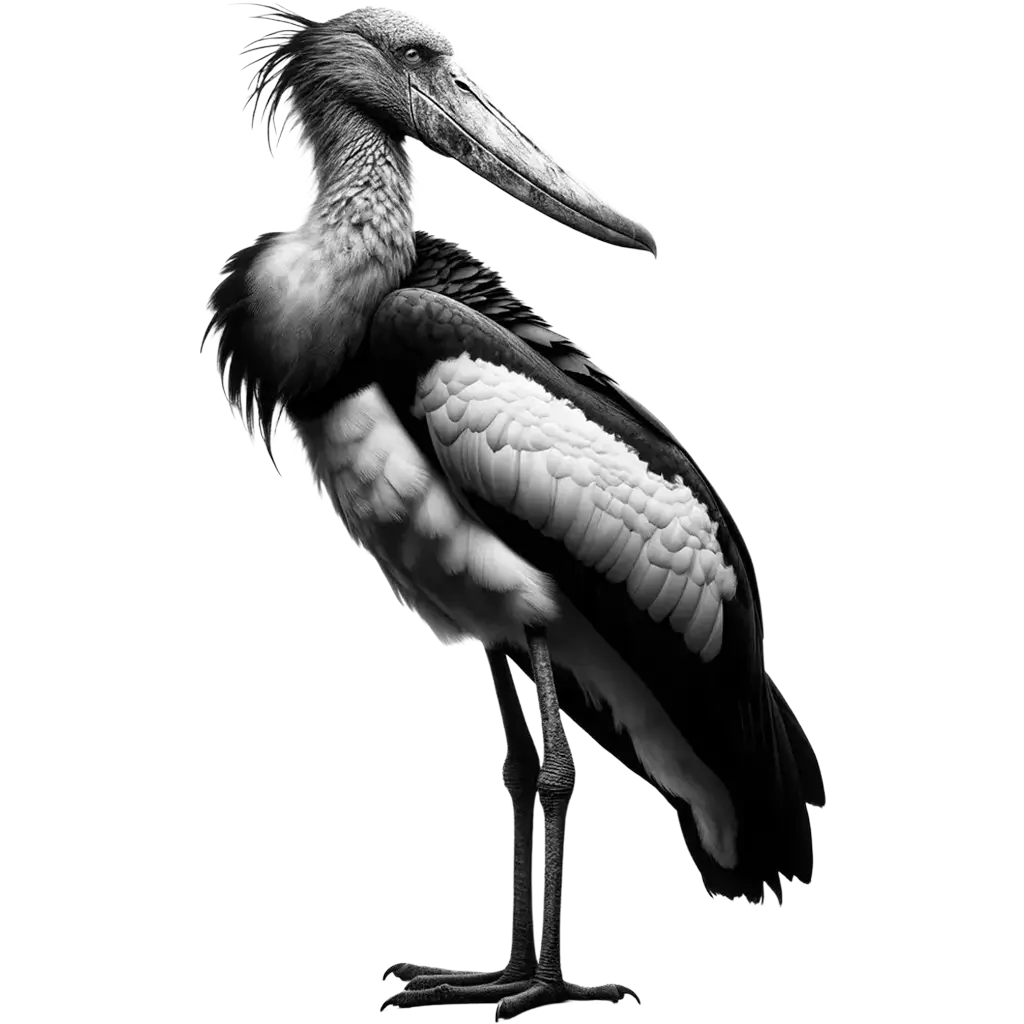
The Greater Adjutant, leptoptilos dubius, is a large stork standing at an impressive height of up to 1.5 meters with a wingspan reaching 2.5 meters. Its appearance is distinctive with a bald head and neck, a heavy bill, and a predominantly dark grey plumage, except for the white underparts. The
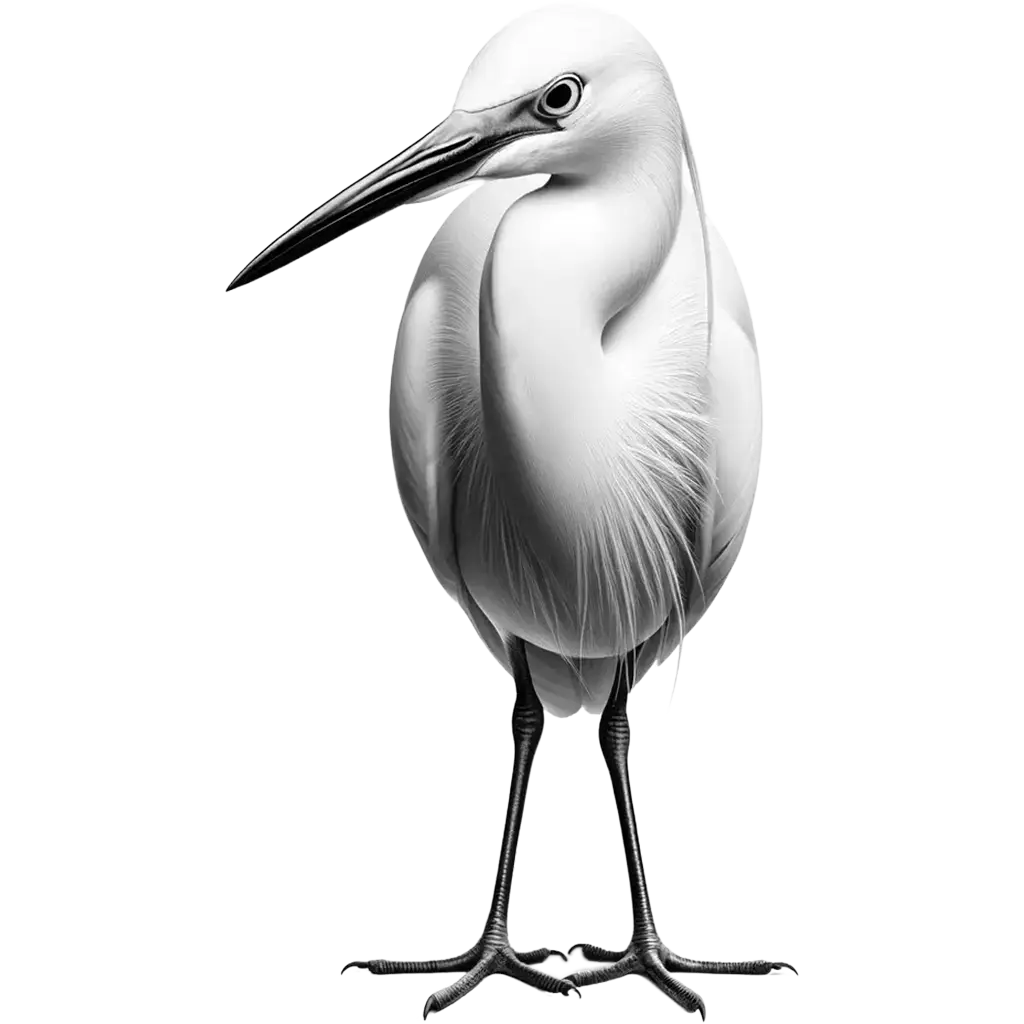
The Little Egret, egretta garzetta, is a small, graceful heron renowned for its brilliant white plumage, slender black bill, and long black legs, with distinctive yellow feet. Measuring approximately 55 to 65 cm in length with a wingspan of 88 to 106 cm, this bird possesses an elegant neck and
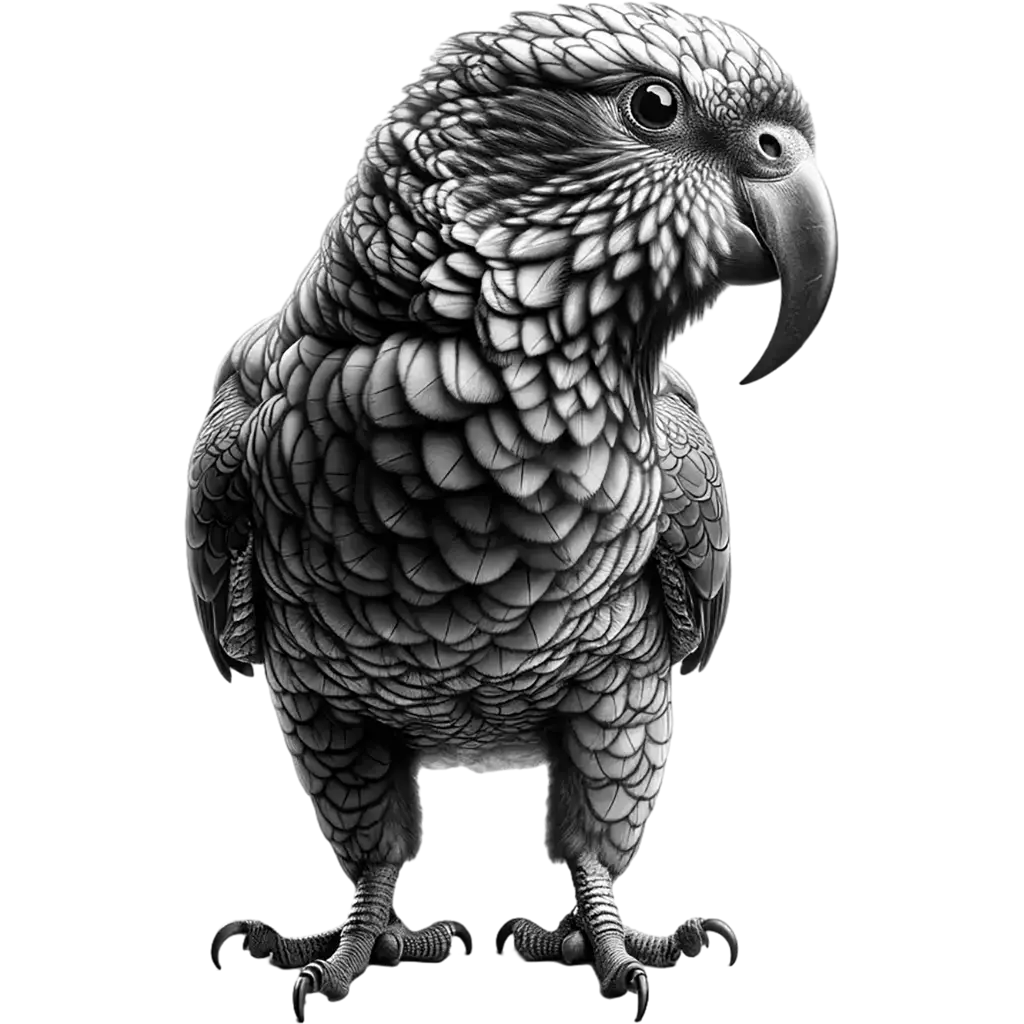
The Kea, nestor notabilis, is a highly intelligent and curious parrot native to the South Island of New Zealand. Known for its striking olive-green plumage with brilliant orange underwings, the Kea is a large bird, measuring around 48 cm in length and weighing between 800 to 1,000 grams. Its strong,
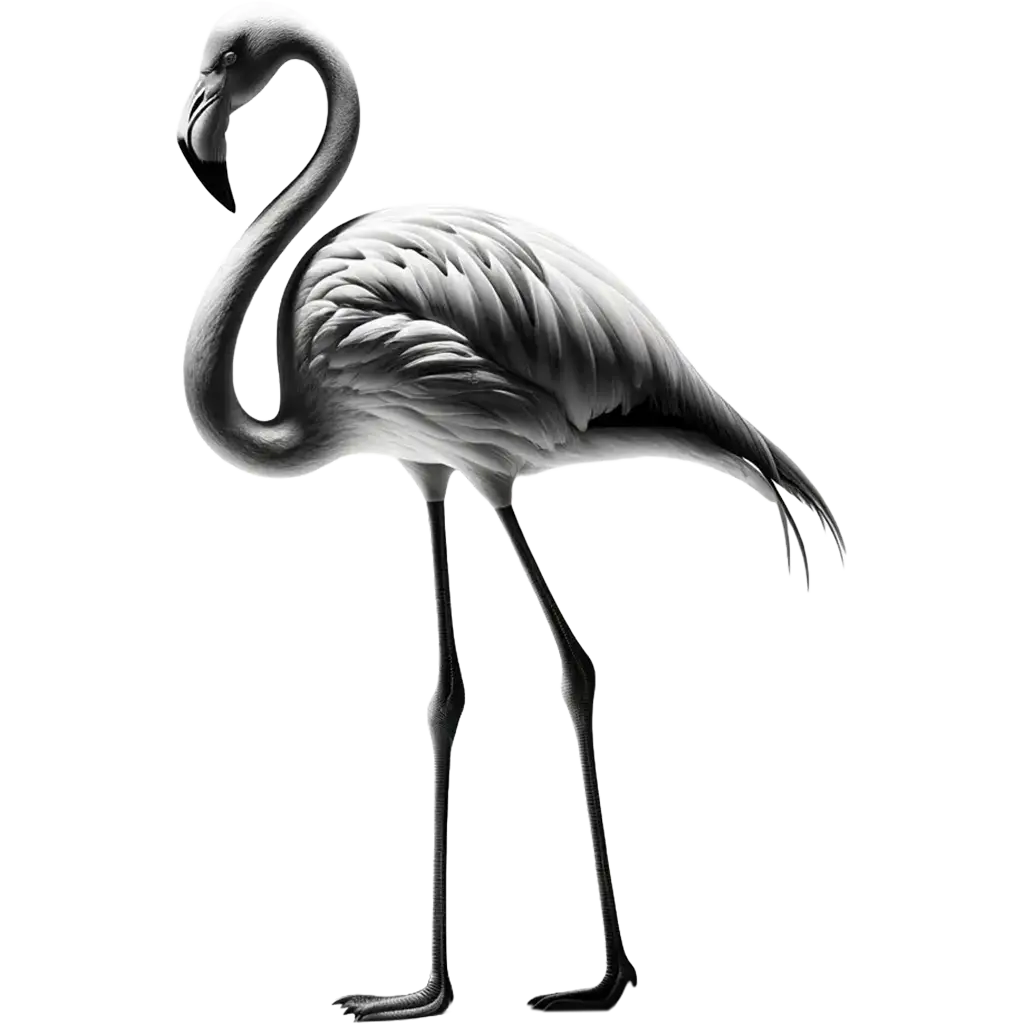
The American Flamingo, phoenicopterus ruber, is a vibrant bird known for its striking pink feathers, long, lean legs, and distinctive downward-bending beak. This species stands tall, reaching heights of up to 1.2 to 1.45 meters. The intensity of their pink coloration, which ranges from light pink to a more intense