

Pelecanus Crispus
Dalmatian Pelican
Lakes, rivers, deltas, estuaries, and wetlands
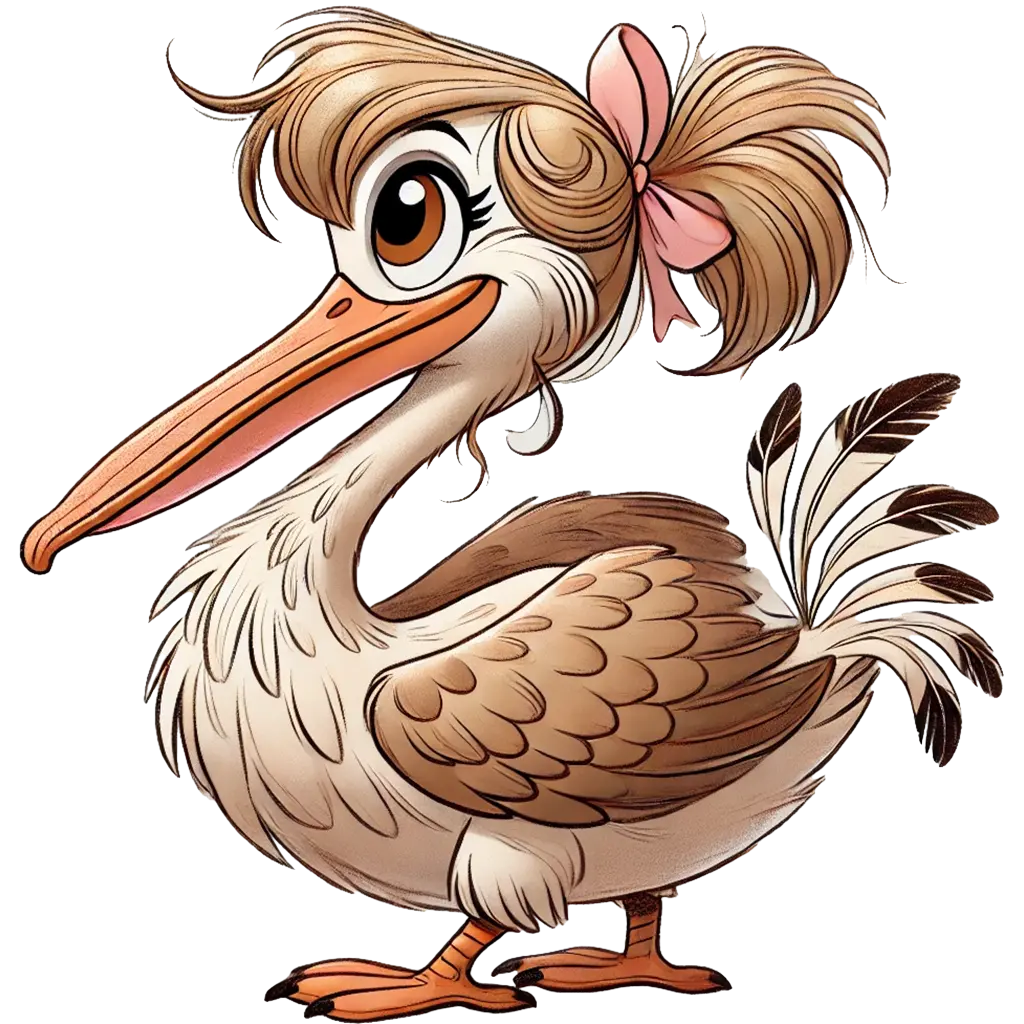
The Dalmatian Pelican, pelecanus crispus, stands as one of the largest freshwater bird species and is distinguished by its impressive wingspan, which can reach up to 3 meters, making it one of the world's largest flying birds. Adults typically weigh between 10 to 15 kilograms, with a notable feature being their massive bill, which is the largest of any bird, and can measure up to 45 centimeters in length. They have a distinctive curly nape feather, silvery-white plumage with a pinkish to greyish hue on their back and wings, and during the breeding season, they develop a characteristic bright orange-red pouch under their bill.
| Population: | Listed as Near Threatened with declining trends |
| Generation Length: | 10 years |
| Average Weight: | 10-15 kg |
| Average Length: | 160-183 cm |
| Lifespan: | 15-30 years in the wild |
| Diet: | Primarily fish |
| Conservation Status: | Near Threatened (NT) |
The Dalmatian Pelican is native to the shallow freshwater and brackish lakes, deltas, and estuaries of southeastern Europe, Russia, India, China, and parts of the Middle East. They prefer large, shallow waters where they can fish in groups, often coordinating with each other to corral fish. Habitat loss and degradation, along with disturbance from human activities, pose significant threats to their populations.
Their diet predominantly consists of fish, which they catch by working together to herd fish into shallow waters before scooping them up in their large bills. This cooperative hunting strategy is essential for their survival in the wild, highlighting their social nature. The Dalmatian Pelican plays a crucial role in aquatic ecosystems by helping to maintain healthy fish populations.
Reproduction for the Dalmatian Pelican occurs once a year, with colonies nesting on the ground in secluded areas of marshland or small islands. Females lay one to six eggs, with both parents sharing the responsibility of incubation, which lasts about 30 to 34 days. The chicks are altricial at birth, requiring several weeks of parental care before they are ready to fledge.
The Dalmatian Pelican is currently listed as Near Threatened by the IUCN Red List, with a decreasing population trend due to habitat loss, disturbance, pollution, and competition for food resources. Conservation efforts are focused on protecting their habitats, enforcing legal protections, and restoring wetlands to ensure the survival of this magnificent species. International cooperation is crucial for the conservation of the Dalmatian Pelican, as their migratory nature requires protected areas across different countries.
Classifications
The Key Attributes
Features
- Movement:
Swimming, flying
- Territorial Behavior:
Somewhat social, often found in flocks
- Speed:
Highly capable flier, but specific speeds are not commonly documented
- Diet:
Piscivore
- Physical Features:
- Large body with a massive bill and a large throat pouch
- Curly nape feathers
- Greyish-white plumage
- Long wings
- Primary Senses:
- Sight
- Touch (bill sensitivity)
Understanding Habitat and Range
Geography
- Habitat:
Lakes, rivers, deltas, estuaries, and wetlands
- Migration Patterns:
Partial migrator, with some populations moving short distances to wintering grounds
- Geographical Range:
Southeastern Europe, Russia, Central Asia, and East Asia
- Climate Preferences:
Temperate to subtropical regions, depending on the range
Navigating the Wilderness
In the wild
- Predators:
Eggs and juveniles are vulnerable to foxes, large birds of prey, and other predators
- Prey:
Fish
- Feeding Behavior:
Groups work together to herd fish before scooping them up in their large bill pouches
- Diet:
Primarily fish
- Defensive Mechanisms:
- Large size deters most predators
- Flocking in groups provides safety
- Preferred Food Sources:
- Schooling fish in shallow waters
Insights Into Reproduction
Mating
- Mating System:
Monogamous
- Number of Offspring:
1-2 eggs
- Incubation Period:
30-34 days
- Parental Involvement:
- Both parents involved in nest building, incubating eggs, and feeding young
Youngsters Section
Dalmatian Pelican
Fun Fact
The Dalmatian Pelican is one of the largest freshwater birds in the world.
With a wingspan reaching up to 11 feet, they are expert fliers. They have a unique curly nape, giving them their "dalmatian" appearance. These social birds often live in colonies, and they play a crucial role in their ecosystems by controlling fish populations.

Download word search puzzles
Word Search Puzzles

Check Out Other Birds
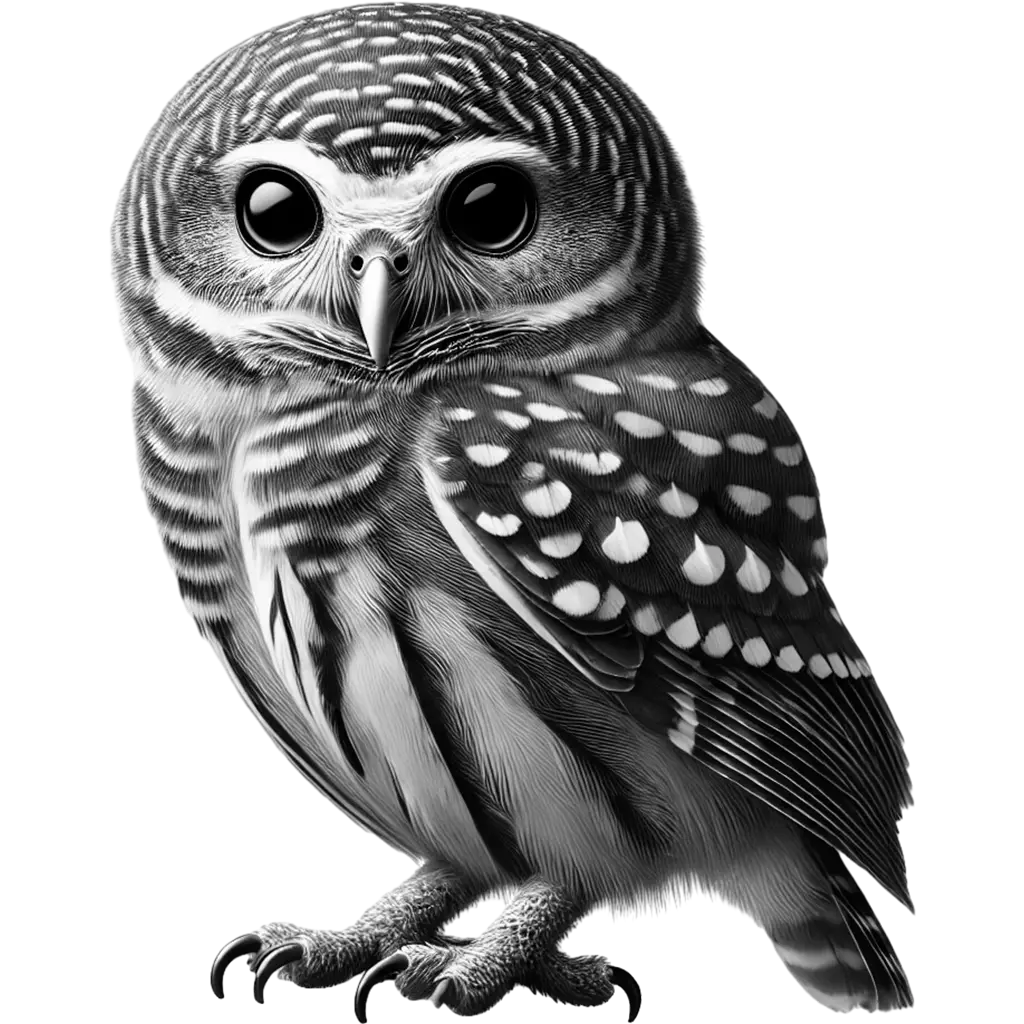
The Jungle Owlet is a small, stocky owl measuring approximately 21 to 23 centimeters in length. It features a rounded head without ear tufts and bright yellow eyes. Its plumage is finely barred with brown and white, and it has distinctive white patches on the chin, upper breast, and abdomen.
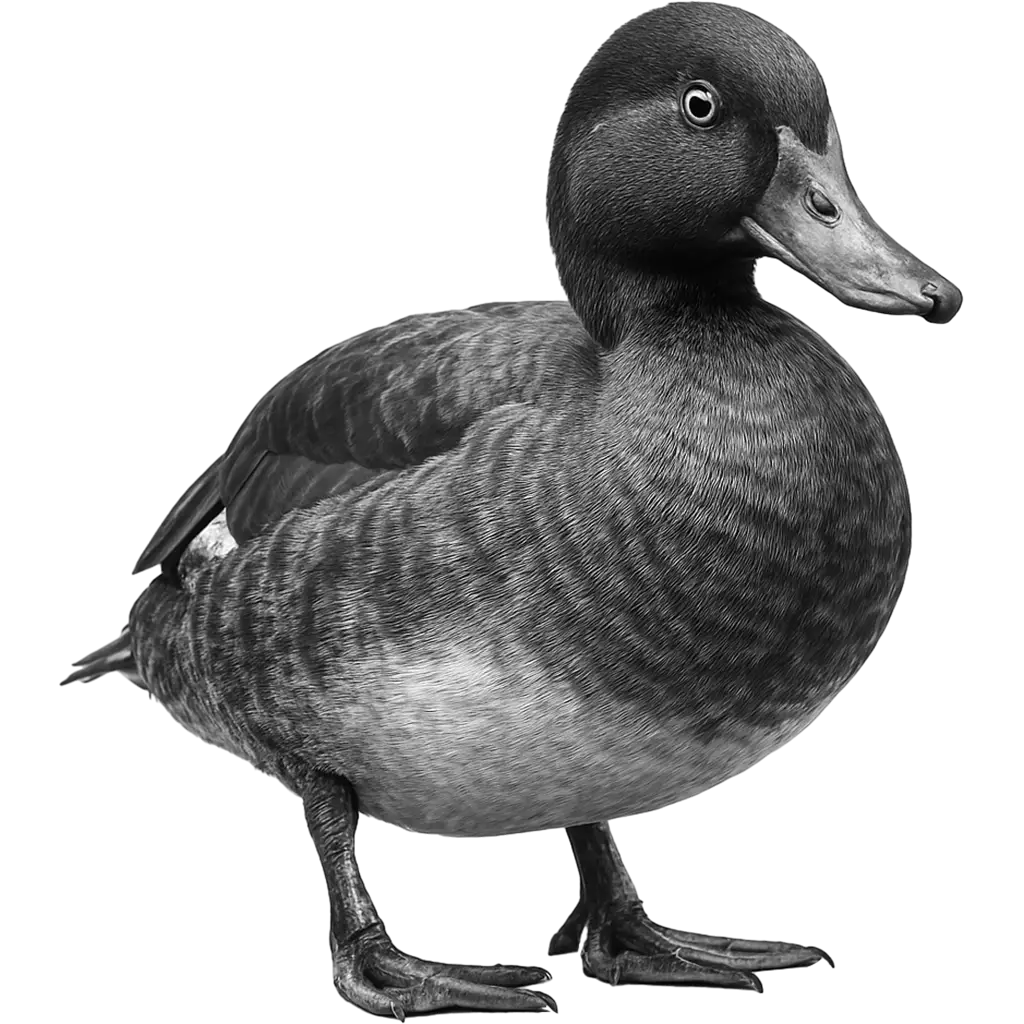
The Hardhead exhibits a sturdy, compact body with a rounded head and broad bill that gives it an unmistakable, robust silhouette. Its dusky plumage, accented by crisp white edges along the wings and body margins, enhances its streamlined appearance. The bird's strong, short wings and muscular build are ideally designed

The Thorn-Tailed Rayadito, aphrastura spinicauda, is a small and agile bird native to the temperate forests of southern South America, particularly in Chile and Argentina. This species is easily recognizable by its distinctive tail, which ends in sharp, spine-like feathers, and its robust, rounded body measuring approximately 15 to 16

The Wedge-Tailed Eagle, aquila audax, is a powerful bird of prey and one of the largest eagles in the world, recognized by its long, distinctive wedge-shaped tail. Adults can have a wingspan of up to 2.5 meters and weigh between 3 to 6 kg, with females generally larger than males.