
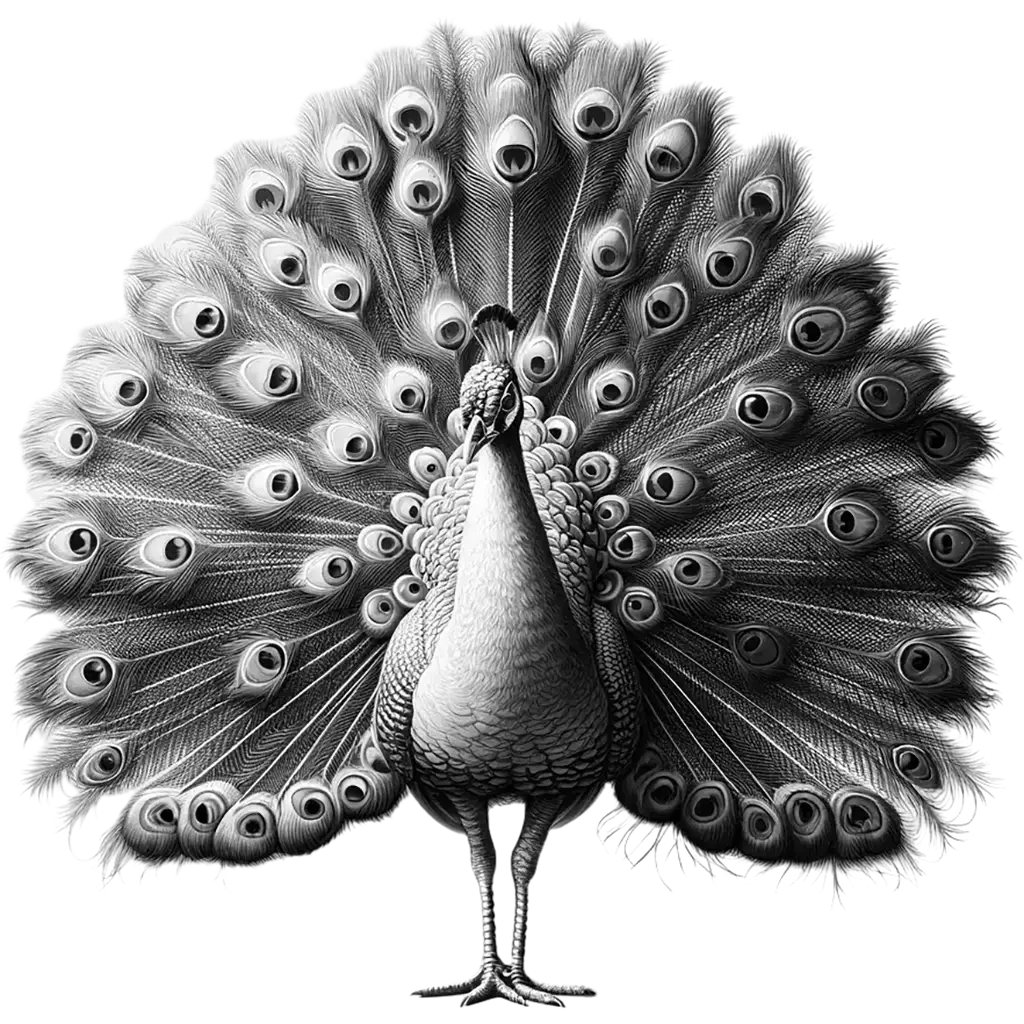
Pavo Cristatus
Indian Peafowl
Forests, farmlands, and villages near water bodies
The Indian Peafowl, Pavo cristatus, also known as the Blue Peafowl, is a stunningly beautiful bird native to the Indian subcontinent. Males, known as peacocks, are renowned for their iridescent blue-green plumage and the spectacular fan of elongated upper-tail covert feathers, adorned with eye-like designs, used in courtship displays. Females, called peahens, are less colorful, with a mixture of dull green, grey, and brown feathers, allowing them to blend into their surroundings. Adult peacocks can reach lengths of up to 230 cm from the beak to the tips of their tail feathers, with the peahens being significantly smaller.
| Population: | Listed as Least Concern, with stable populations |
| Generation Length: | 5-6 years |
| Average Weight: | 4-6 kg for males, 2.75-4 kg for females |
| Average Length: | Males are about 2.0 meters long including the tail, females are about 1.0 meter |
| Lifespan: | 15-20 years in the wild |
| Diet: | Omnivorous, with a varied diet based on the availability of resources |
| Conservation Status: | Least Concern (LC) |
Indian Peafowls inhabit deciduous forests, cultivated areas, and villages close to water sources. They are ground-feeders that prefer to roost in tall trees. The species is known for its loud calls, especially during the breeding season. Peafowls are social birds that live in small groups, though males are often seen alone or with a harem of several females.
The diet of the Indian Peafowl consists mainly of seeds, fruits, insects, and small vertebrates. This omnivorous diet contributes to their role in controlling pest populations and dispersing seeds, aiding in the health of their ecosystems. Peafowls forage on the ground in the early morning and late afternoon, retreating to the shade during the hottest parts of the day.
Reproduction in Indian Peafowls occurs once a year, with the peacock's elaborate display of feathers and dancing used to attract peahens. After mating, the peahen lays a clutch of 4 to 8 eggs in a shallow ground nest. The eggs are incubated solely by the female for about 28 days until they hatch.
The population of the Indian Peafowl is considered stable, and the species is listed as Least Concern by the IUCN. They are widely distributed across their native range and have been introduced to other parts of the world. In many cultures, the Indian Peafowl is a symbol of grace, beauty, and pride, often kept in parks and gardens. However, habitat destruction and illegal hunting pose threats to wild populations in some areas. Conservation efforts focus on habitat protection and legal enforcement to ensure the species' long-term survival.
Classifications
The Key Attributes
Features
- Movement:
Walking, flying short distances
- Territorial Behavior:
Males display territorial behavior during the breeding season
- Speed:
Capable of fast running and flight when necessary
- Diet:
Omnivore
- Physical Features:
- Males have long, ornamental tail feathers known as a 'train'
- Vibrant blue chest and neck in males, with a green, blue, and gold plumage
- Females are brown or green with a white underbelly
- Crest of feathers on the head
- Primary Senses:
- Sight
- Hearing
Understanding Habitat and Range
Geography
- Habitat:
Forests, farmlands, and villages near water bodies
- Migration Patterns:
Non-migratory, but may roam within a home range
- Geographical Range:
Native to South Asia, specifically India, Pakistan, and Sri Lanka
- Climate Preferences:
Prefers temperate to tropical climates, with access to water and roosting trees
Navigating the Wilderness
In the wild
- Predators:
Large birds of prey, wild cats, and dogs
- Prey:
Insects, small vertebrates, and plant matter
- Feeding Behavior:
Feeds on a variety of food including grains, insects, small mammals, and reptiles
- Diet:
Omnivorous, with a varied diet based on the availability of resources
- Defensive Mechanisms:
- Flight to escape ground predators
- Loud calls to alert others and deter predators
- Camouflage in the case of females and juveniles
- Preferred Food Sources:
- Diverse, depending on the availability in their natural habitat
Insights Into Reproduction
Mating
- Mating System:
Polygynous, with males displaying to attract females
- Number of Offspring:
4-6 eggs
- Incubation Period:
About 28 days
- Parental Involvement:
- Females are responsible for nesting and raising the young
Youngsters Section
Indian Peafowl
Fun Fact
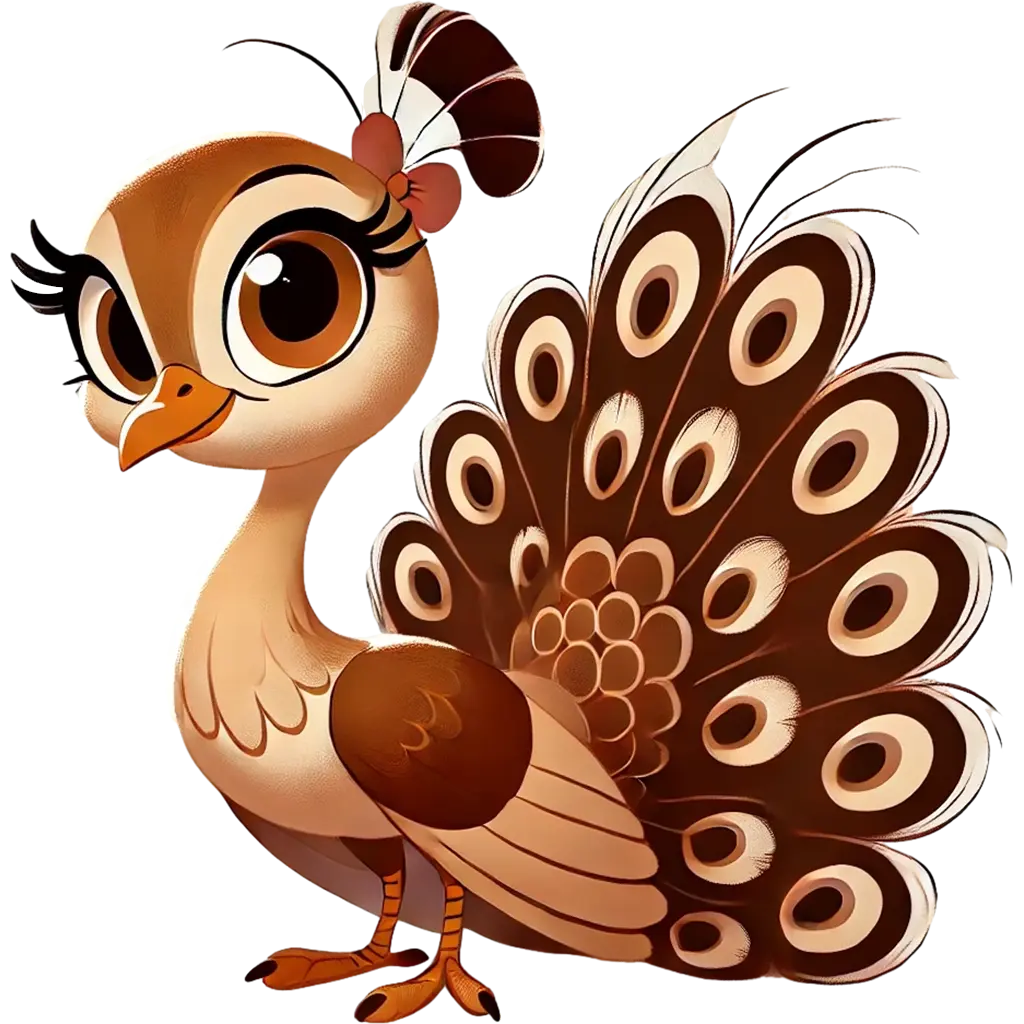
The Indian Peafowl is known for its stunning iridescent plumage and extravagant courtship displays.
Males, called peacocks, fan their tail feathers into a magnificent train during mating season to attract females, known as peahens. The eyespots on the feathers can deter predators, and their loud calls help in communication and territory defense.

Download word search puzzles
Word Search Puzzles

Check Out Other Birds
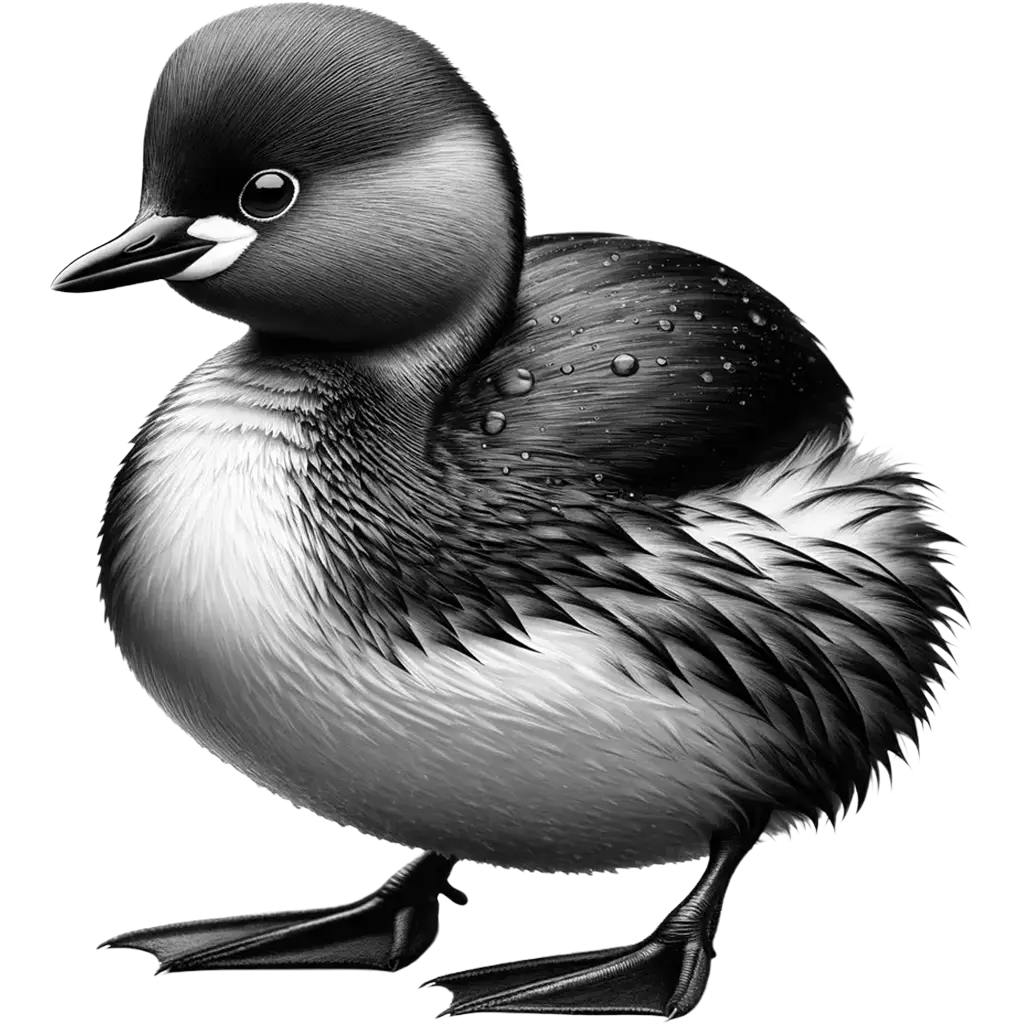
The Little Grebe, tachybaptus ruficollis, also known as the Dabchick, is a small water bird, celebrated for its remarkable diving ability and agility in water. Adults typically measure about 23 to 29 cm in length, with a distinctive stout body, short neck, and almost tailless appearance. During the breeding season,

The Red-Breasted Goose, branta ruficollis, is a strikingly colored bird, renowned for its vibrant black, white, and rich chestnut plumage. This small goose measures about 53 to 56 cm in length, making it one of the more compact species within the goose family. Its most distinctive feature is the deep
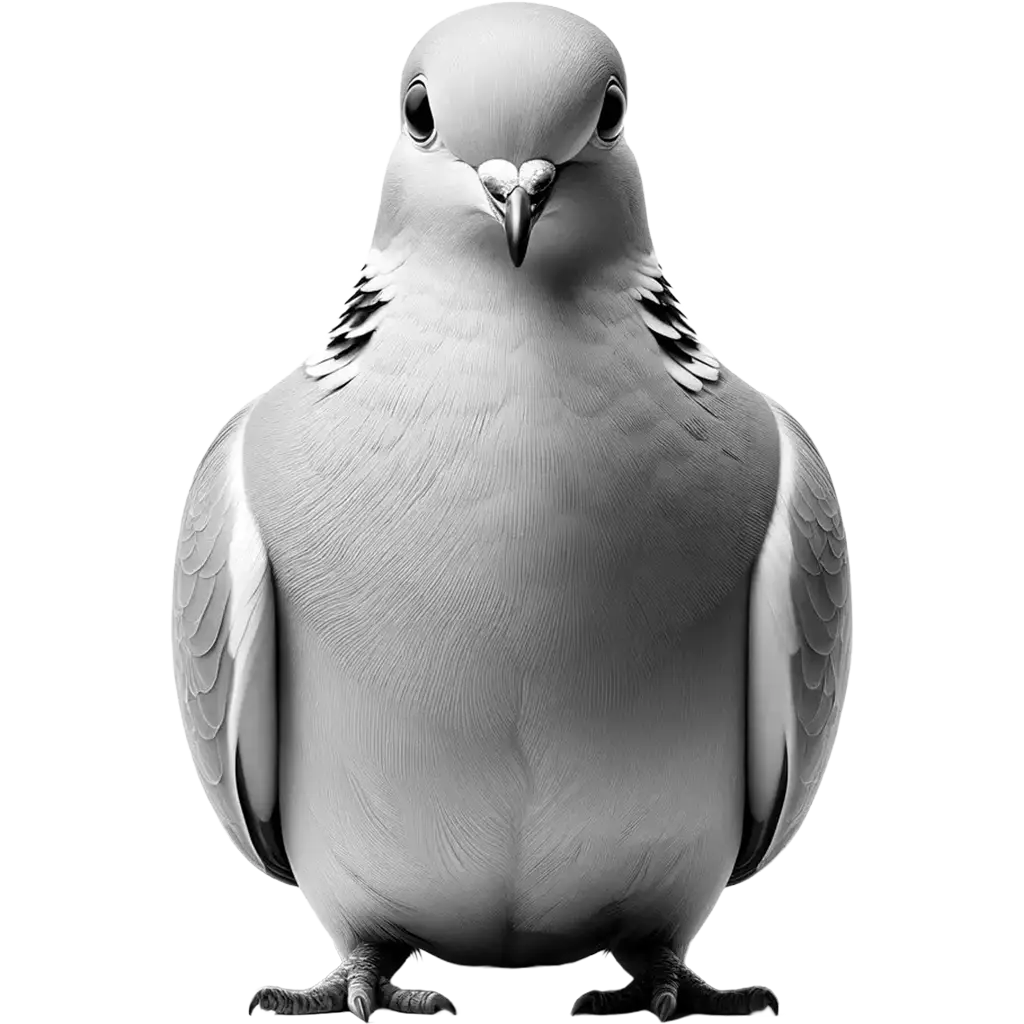
The Common Wood Pigeon, columba palumbus, is a large species of pigeon that is widespread across Europe, western Asia, and North Africa. It is easily recognizable by its size, measuring 38 to 44 cm in length and weighing between 300 to 600 grams, making it one of the larger pigeons
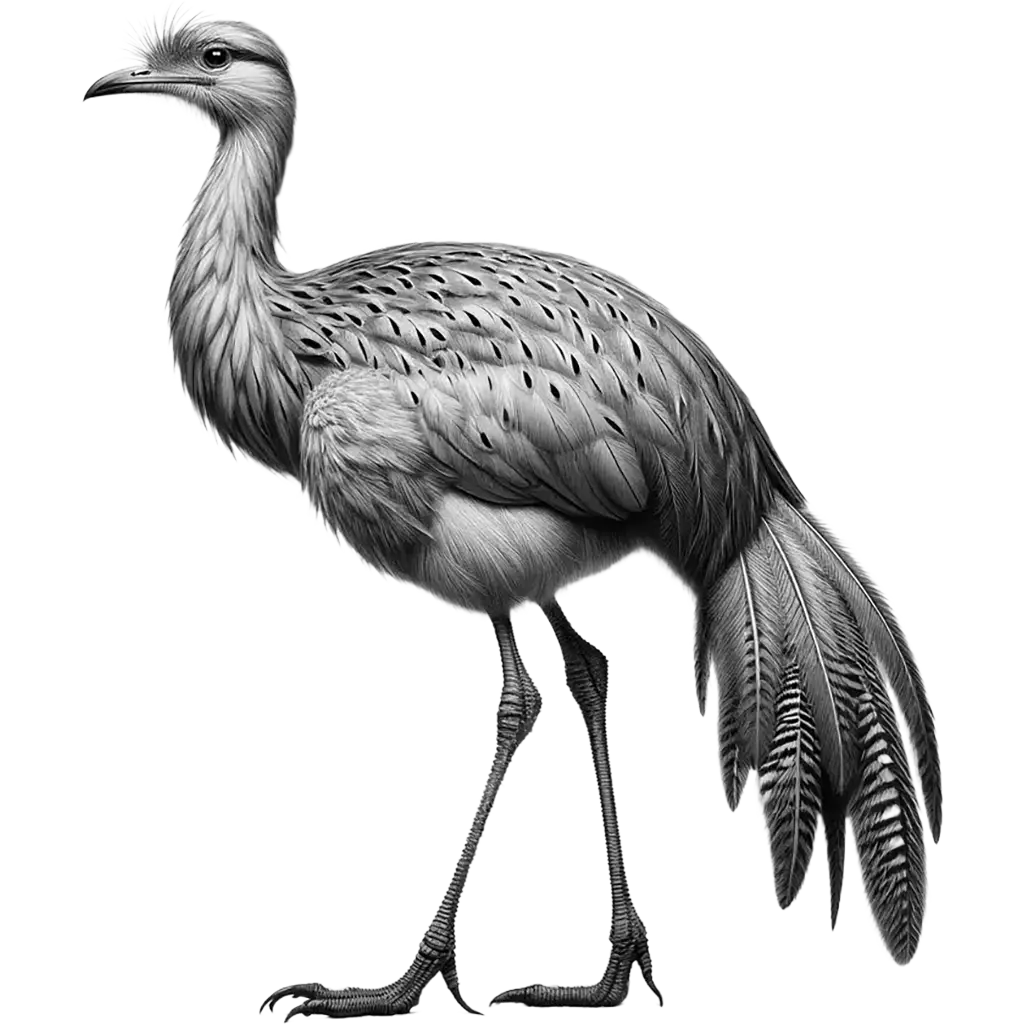
The Black-Legged Seriema, chunga burmeisteri, is a distinctive bird native to South America, particularly found in the dry woodlands and grasslands of northern Argentina, Paraguay, Bolivia, and Brazil. This species is characterized by its slender build, long legs, and predominantly grey plumage, which is complemented by striking black flight feathers