
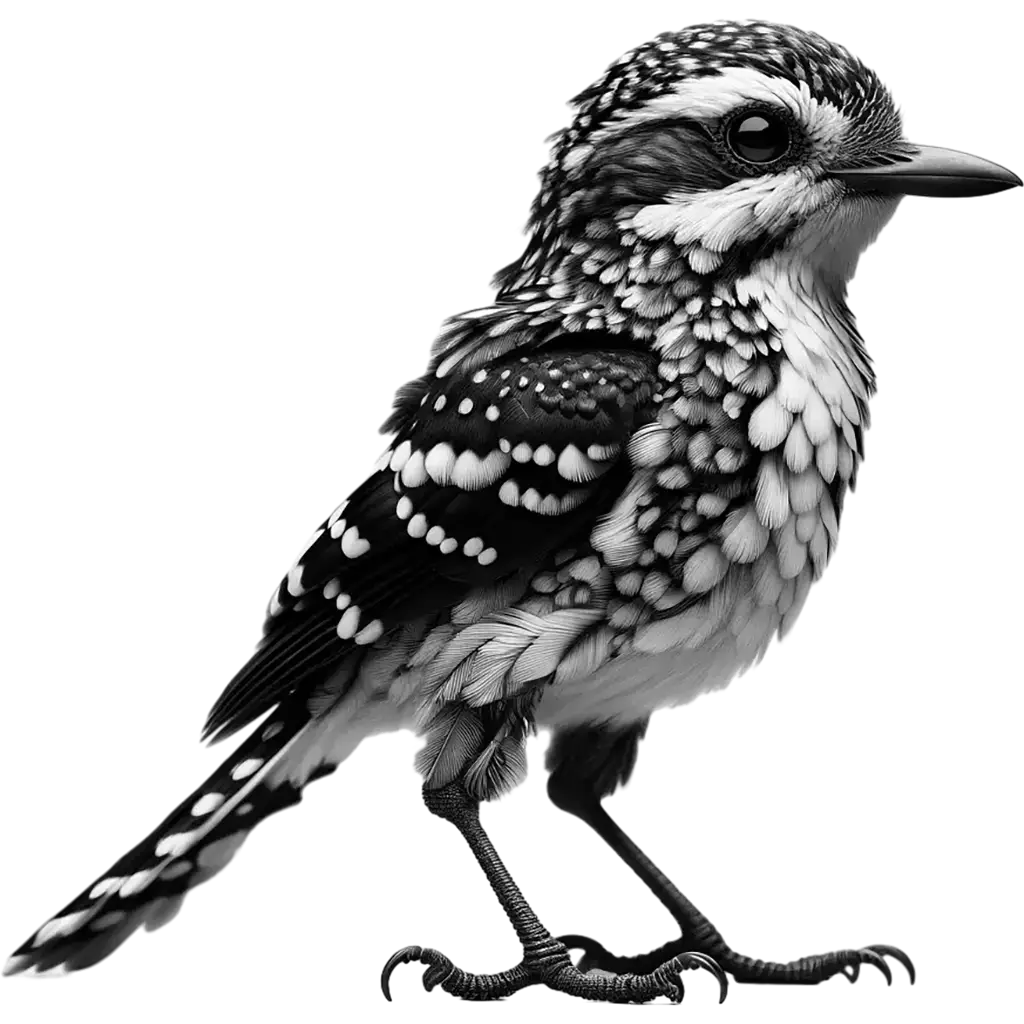
Nystalus Chacuru
White-Eared Puffbird
Woodlands, forest edges, and clearings in tropical and subtropical regions
The White-Eared Puffbird, nystalus chacuru, is a distinctive bird native to South America, particularly found across a broad swath from Brazil to Paraguay and northern Argentina. This medium-sized bird, measuring about 20 to 24 cm in length, is notable for its stocky build and large head, giving it a somewhat puffy appearance, hence the name 'puffbird'. Its plumage is primarily brown and white, with striking white ear patches that contrast sharply against its dark head and back. The bird's underparts are lighter, often a pale cream or white, with brownish bars or spots.
| Population: | Listed as Least Concern, stable population |
| Generation Length: | 3-4 years |
| Average Weight: | Approximately 50-60 grams |
| Average Length: | 20-24 cm |
| Lifespan: | Unknown in the wild, but related species can live several years |
| Diet: | Predominantly insectivorous, supplemented with small vertebrates |
| Conservation Status: | Least Concern (LC) |
White-Eared Puffbirds inhabit a variety of wooded habitats, including deciduous forests, gallery forests, and woodland edges. They are typically found in regions with abundant tree cover, where they perch quietly for long periods while scanning for prey. Despite their colorful appearance, their stillness and cryptic plumage can make them challenging to spot in their natural environment.
The diet of the White-Eared Puffbird consists mainly of insects, spiders, and occasionally small vertebrates, which they catch by sallying from a perch to snatch prey from the ground or foliage. This hunting strategy allows them to exploit a range of food sources, contributing to their role as insectivores within their ecosystem.
Reproduction for White-Eared Puffbirds involves nesting in cavities, which they often excavate in earthen banks or termite nests rather than in trees. The female lays 2 to 4 eggs, which both parents incubate. The chicks are altricial, requiring an extended period of care and feeding by the parents before they are ready to fledge.
The population of the White-Eared Puffbird is considered stable, with the species classified as Least Concern by the IUCN. However, like many forest-dwelling birds, they face threats from habitat destruction and fragmentation. Conservation efforts focusing on the preservation of their natural habitats and the maintenance of healthy forest ecosystems are vital for ensuring the continued stability of their populations.
Classifications
The Key Attributes
Features
- Movement:
Flying, perching
- Territorial Behavior:
Solitary or in pairs, often seen sitting quietly in open perches
- Speed:
Not known for fast flight, prefers to sit and wait for prey
- Diet:
Carnivore
- Physical Features:
- Stocky build with a large head and a short tail
- Distinctive white patch around the ear coverts
- Brown body with black wings and tail
- Broad, flat bill for catching insects
- Primary Senses:
- Sight
- Hearing
Understanding Habitat and Range
Geography
- Habitat:
Woodlands, forest edges, and clearings in tropical and subtropical regions
- Migration Patterns:
Sedentary, with little long-distance movement
- Geographical Range:
South America, including parts of Brazil, Paraguay, Bolivia, and northern Argentina
- Climate Preferences:
Prefers tropical and subtropical climates
Navigating the Wilderness
In the wild
- Predators:
Larger birds of prey and mammals
- Prey:
Large insects, spiders, and occasionally small vertebrates like lizards and frogs
- Feeding Behavior:
Sits and waits before catching insects and small vertebrates from its perch
- Diet:
Predominantly insectivorous, supplemented with small vertebrates
- Defensive Mechanisms:
- Camouflage within its habitat
- Staying motionless to avoid detection by predators
- Preferred Food Sources:
- Areas with abundant insect life and suitable perching locations
Insights Into Reproduction
Mating
- Mating System:
Monogamous
- Number of Offspring:
2-3 eggs
- Incubation Period:
Approximately 15-18 days
- Parental Involvement:
- Both parents share in incubating the eggs and feeding the young
Youngsters Section
White-Eared Puffbird
Fun Fact
The White-Eared Puffbird displays a distinct white patch near its ears, giving it its unique name.
This bird inhabits open woodlands and forest edges in South America. It is known for its exceptional patience while hunting, often sitting still for long periods before swooping down on its prey. Its diet includes insects and small vertebrates, showcasing its adaptability and skillful hunting techniques.

Download word search puzzles
Word Search Puzzles


Check Out Other Birds
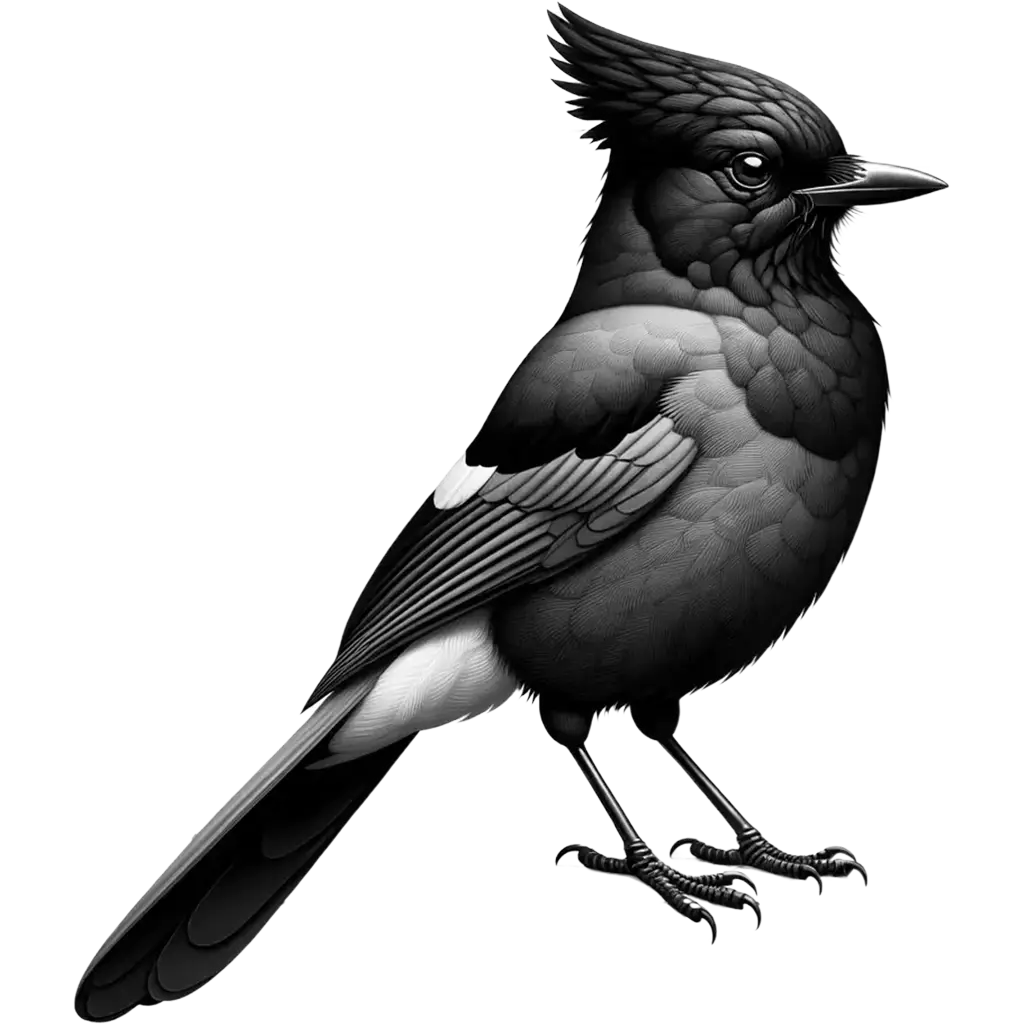
The Steller's Jay, cyanocitta stelleri, is a striking bird known for its vibrant blue plumage and distinctive black crest, which gives it a bold and expressive appearance. Adults typically measure about 30 to 34 cm in length, with a wingspan ranging from 44 to 49 cm. The species exhibits sexual

The Jersey Giant, developed in the United States in the late 19th century, is the largest breed of chicken known for its substantial size and impressive stature. Originating from New Jersey, this breed was initially bred to replace the turkey as the premier source of meat poultry. Adult Jersey Giants
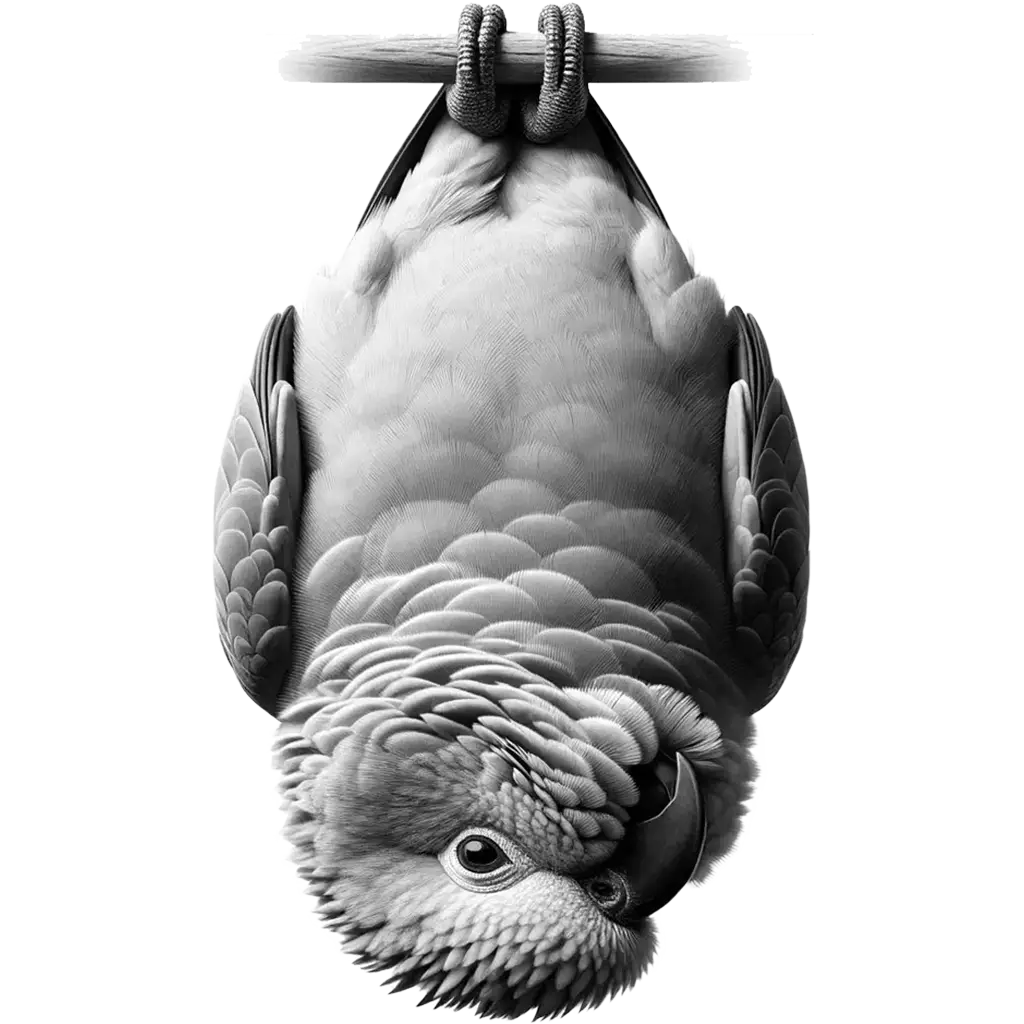
The Great Hanging Parrot, loriculus stigmatus, is a small, vibrant bird endemic to the islands of Sulawesi, Togian, Sula, and Banggai in Indonesia. This species is part of the Psittaculidae family, known for their ability to hang upside down while feeding or resting, a unique behavior from which their name

The Rock Dove, columba livia, commonly known as the pigeon, is a widespread bird recognized by its stout body, short legs, and smooth plumage. Adult Rock Doves typically measure 29 to 37 cm in length and have a wingspan of 62 to 72 cm. Their coloration varies widely due to