

Bubo Virginianus
Great Horned Owl
Diverse, including forests, deserts, prairies, and urban areas
The Great Horned Owl, Bubo virginianus, is a majestic and powerful bird of prey, easily recognized by its distinctive ear tufts or 'horns,' which are actually feathers that aid in its camouflage. This owl has a robust body, with females typically larger than males, measuring up to 55 cm in length and boasting a wingspan of nearly 1.4 meters. Its mottled brown, white, and black plumage allows it to blend into the tree branches during the day. The large, yellow-eyed stare of the Great Horned Owl is not only captivating but also a testament to its exceptional night vision, crucial for hunting in the dark.
| Population: | Widespread with stable populations; not currently considered threatened |
| Generation Length: | 5-7 years |
| Average Weight: | 0.9-2.5 kg, with females generally larger than males |
| Average Length: | 46-63 cm |
| Lifespan: | Up to 13-15 years in the wild, longer in captivity |
| Diet: | Diverse, depending on available prey |
| Conservation Status: | Least Concern (LC) |
The Great Horned Owl is known for its adaptability, inhabiting a wide range of environments across North and South America, from deserts and prairies to forests and urban areas. It is a solitary and territorial bird, with pairs typically forming strong bonds and maintaining large territories. These owls are most active during the night, utilizing their acute hearing and silent flight to locate and ambush prey. Their vocalizations, including the iconic hooting, serve as territorial calls and mating signals, echoing through their habitats at dusk and dawn.
Diet-wise, the Great Horned Owl is a versatile and formidable predator, feeding on a broad spectrum of animals, including rabbits, rodents, skunks, birds, and even other raptors. Its powerful talons and beak allow it to tackle prey much larger than itself, showcasing its dominance at the top of the food chain. This owl plays a crucial role in controlling the populations of its prey species, contributing to the ecological balance of its habitat.
Mating and reproduction are significant aspects of the Great Horned Owl's life cycle, with monogamous pairs often reusing the same nest sites for several years. The breeding season begins in late winter, with females laying 1 to 4 eggs in nests taken over from other birds or in natural cavities. Both parents participate in raising the young, with the male primarily hunting to feed the family. The chicks are born blind and helpless but grow quickly, learning to fly and hunt within weeks under the careful guidance of their parents.
The population of the Great Horned Owl is considered stable and widespread, reflecting the species' adaptability to different environments and its position as a top predator. However, they face threats from habitat destruction, human disturbances, and collisions with vehicles and structures. Conservation efforts focus on protecting nesting sites and ensuring sustainable environments for these owls and their prey. Despite these challenges, the Great Horned Owl remains a symbol of the wild's enduring mystery and strength, captivating bird enthusiasts and contributing to the health of ecosystems across the Americas.
Classifications
The Key Attributes
Features
- Movement:
Flight
- Territorial Behavior:
Territorial, especially during breeding season
- Speed:
Not specifically quantified; capable of silent flight due to feather structure
- Diet:
Carnivore
- Physical Features:
- Distinctive ear tufts
- Large, yellow eyes
- Mottled brown, white, and black plumage for camouflage
- Powerful talons and beak for hunting
- Primary Senses:
- Excellent night vision
- Acute hearing
- Sight
Understanding Habitat and Range
Geography
- Habitat:
Diverse, including forests, deserts, prairies, and urban areas
- Migration Patterns:
Generally sedentary, with established territories
- Geographical Range:
Throughout North and South America, from the Arctic to the tropics
- Climate Preferences:
Adaptable to a wide range of climates
Navigating the Wilderness
In the wild
- Predators:
Few natural predators due to size and strength; young may be at risk from other large predators
- Prey:
Rodents, rabbits, hares, birds, amphibians, and insects
- Feeding Behavior:
Nocturnal hunter, preying on a wide range of animals from insects to medium-sized mammals and birds
- Diet:
Diverse, depending on available prey
- Defensive Mechanisms:
- Camouflage
- Silent flight to avoid detection
- Aggressive defense of territory and young
- Preferred Food Sources:
- Rodents and other small to medium-sized mammals
- Various bird species
Insights Into Reproduction
Mating
- Mating System:
Monogamous, often with lifelong pair bonds
- Number of Offspring:
2-3 eggs
- Incubation Period:
30-37 days
- Parental Involvement:
- Both parents share in incubating the eggs and raising the young
Youngsters Section
Great Horned Owl
Fun Fact
Great Horned Owls are known for their distinctive tufts or "horns" and incredible hunting abilities.
These owls have a diverse diet, including mammals, birds, reptiles, and even other owls. They are powerful hunters with excellent night vision and can rotate their heads up to 270 degrees. Their silent flight and sharp talons make them formidable predators, capable of taking down prey much larger than themselves.

Download word search puzzles
Word Search Puzzles
Check Out Other Birds
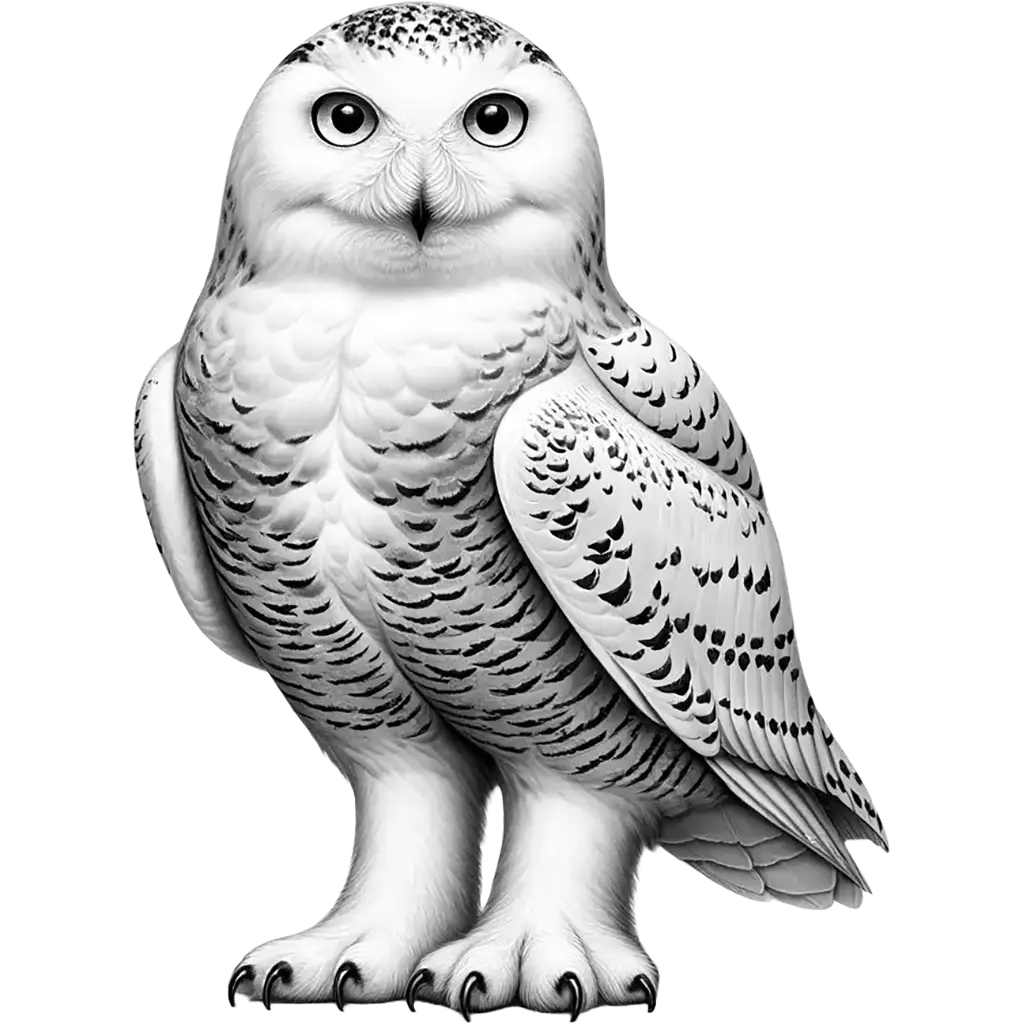
The Snowy Owl, bubo scandiacus, stands as a magnificent bird of prey, renowned for its striking white plumage that serves as camouflage in its Arctic tundra habitat. This large owl can reach up to 70 cm in length, with a wingspan of about 125 to 150 cm, making it one
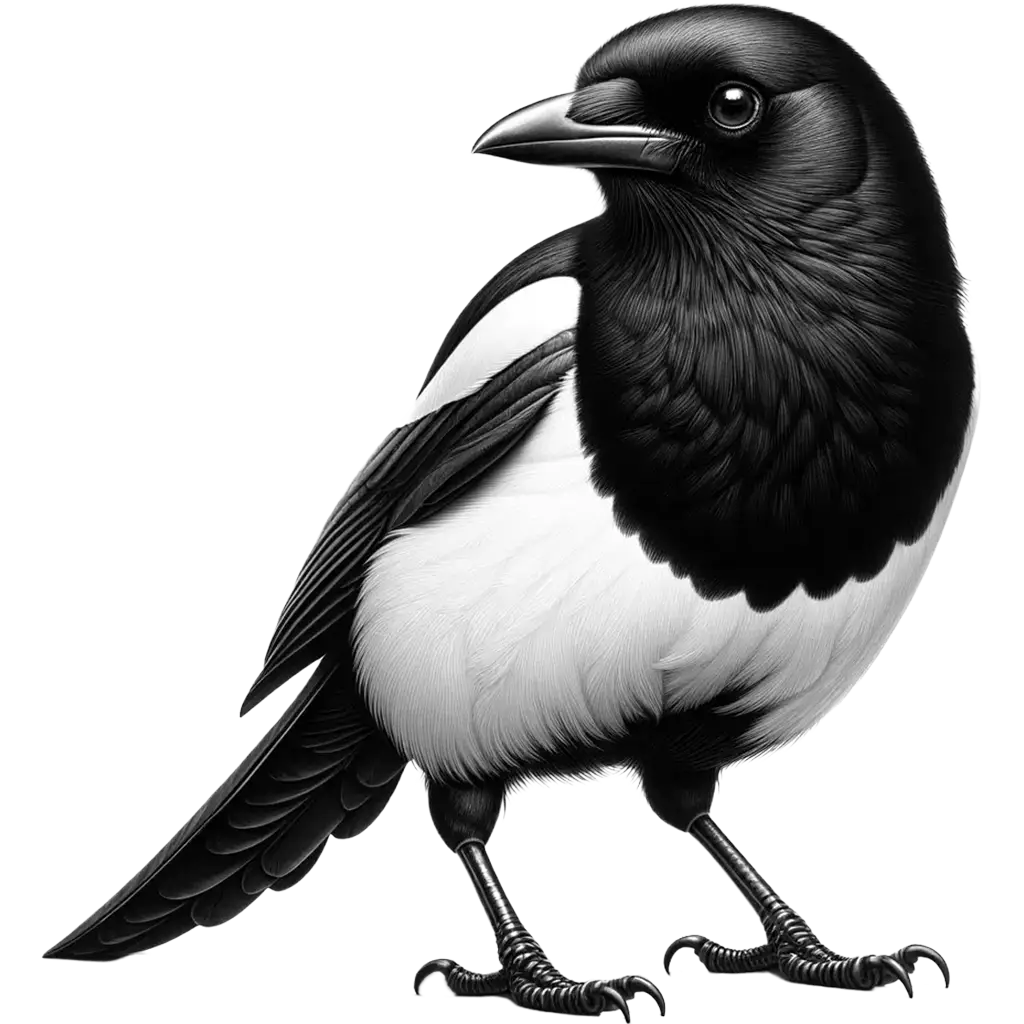
The Magpie Mannikin, spermestes fringilloides, is a small, strikingly patterned bird native to the subtropical and tropical regions of eastern Africa. This species exhibits a distinctive black and white plumage, with a glossy black head, chest, and upperparts contrasted by white underparts and flanks. Measuring approximately 10 to 11 cm
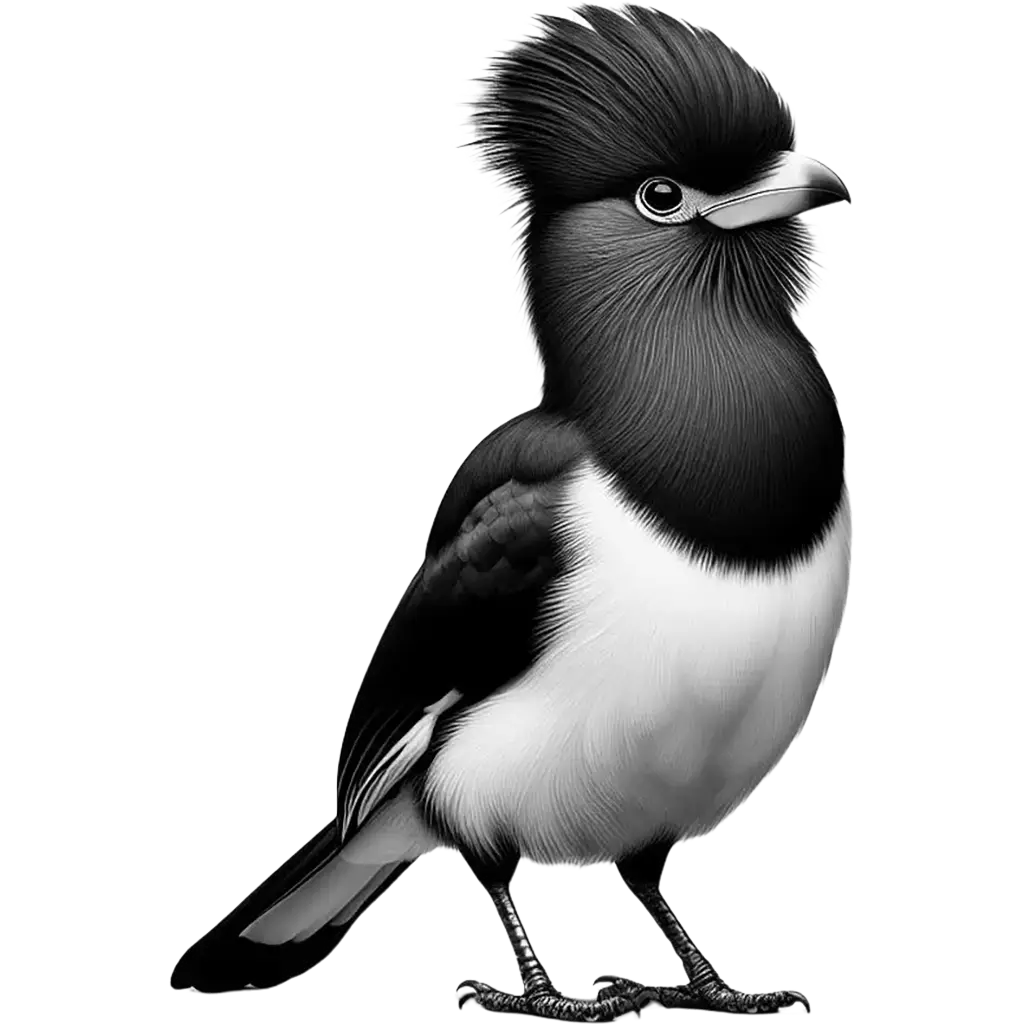
The Knysna Turaco, tauraco corythaix, is a vibrant and elusive bird, native to the dense forests and woodlands of southern Africa, particularly along the Garden Route in South Africa. Distinguished by its striking green plumage, which blends seamlessly into the forest canopy, this bird features a prominent crest on its
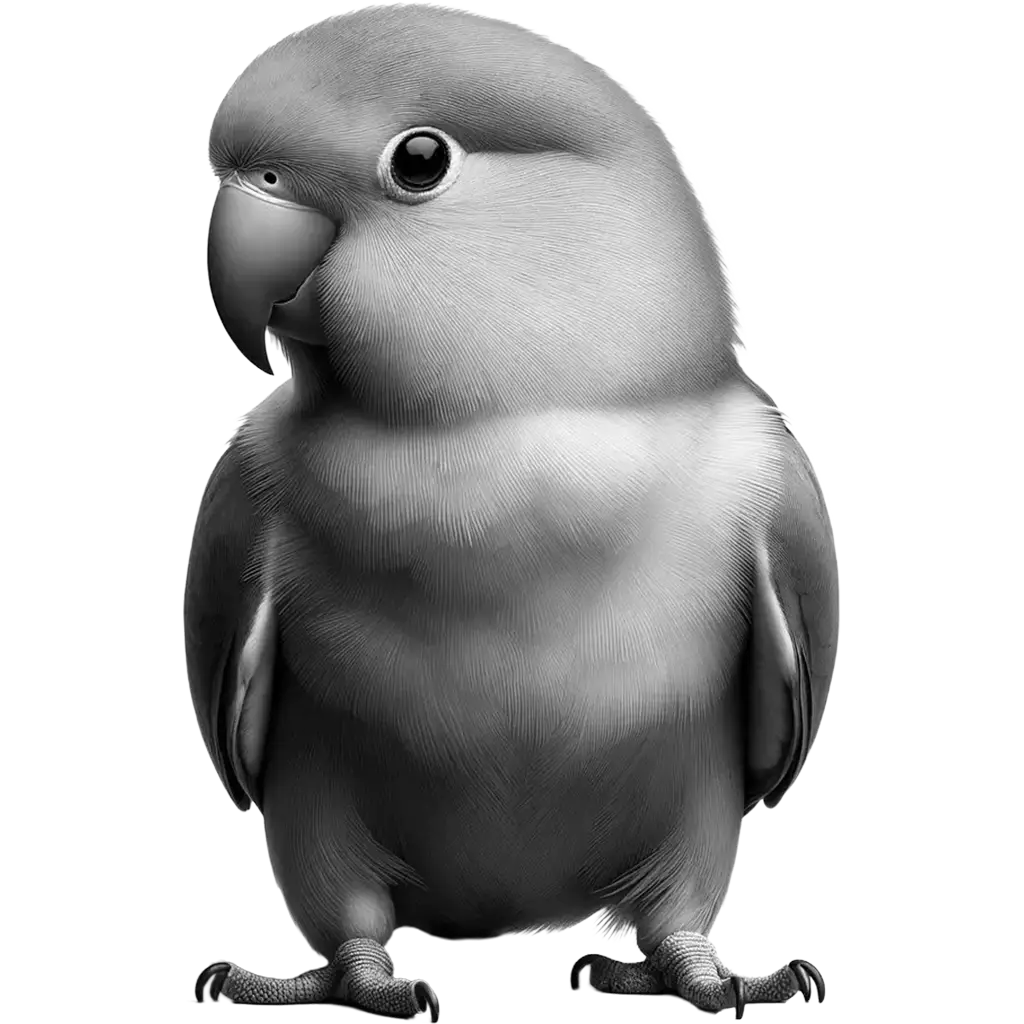
The Rosy-Faced Lovebird, agapornis roseicollis, also known as the Peach-faced Lovebird, is a small, vibrant bird native to the arid regions of southwestern Africa. This species is easily recognizable by its striking coloration: adults have a bright rosy-pink face and throat, with green upper parts, blue rump, and tail, and