
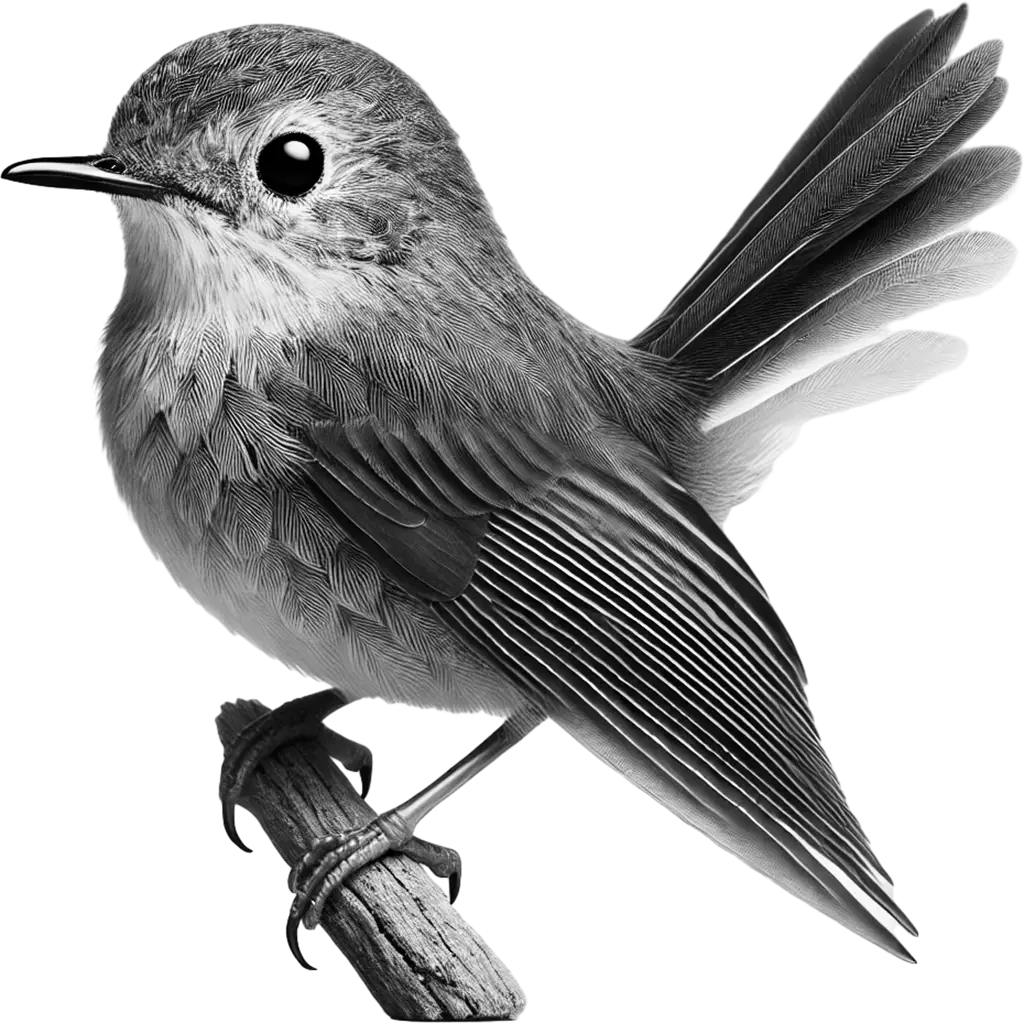
Metallura Tyrianthina
Tyrian Metaltail
High-elevation Andean cloud forests and rocky outcrops
The Tyrian Metaltail is a diminutive hummingbird featuring a compact body draped in iridescent feathers that glisten with metallic hues. Its vibrant plumage, marked by subtle yet dazzling color shifts, is complemented by a slender, elongated bill designed for deep flower corollas. With delicate wings and a compact, graceful form, this bird exudes a refined elegance that is perfectly suited for life in high-altitude environments.
| Population: | Restricted to high Andes, the Tyrian Metaltail is common in cloud forests but vulnerable to habitat loss |
| Generation Length: | 3.5 years |
| Average Weight: | Approximately 3-5 grams |
| Average Length: | Approximately 7-8 cm |
| Lifespan: | Approximately 5-7 years in the wild; up to 10 years in captivity |
| Diet: | Nectarivorous |
| Conservation Status: | Least Concern (LC) |
Active throughout the day, the Tyrian Metaltail flits energetically among the cloud forests and rocky outcrops of the Andes. It exhibits remarkable agility, hovering in mid-air with precise control as it forages for nectar among an array of flowering plants. This hummingbird is known for its constant motion and dynamic aerial displays, which it uses not only for feeding but also to assert its presence in a competitive, resource-scarce environment. Its behavior includes brief, territorial chases and subtle vocalizations, ensuring that it can secure sufficient nectar while maintaining its niche within the high-elevation ecosystem.
The diet of the Tyrian Metaltail is primarily nectar-based, providing the high-energy sugars necessary for its rapid metabolism. In addition to nectar, it supplements its nutrition with small insects that offer essential proteins and fats, crucial for muscle repair and overall health. Its long, extendable tongue is specially adapted to extract every drop of nectar from even the deepest of flowers, making its feeding process both efficient and highly specialized. This dual feeding strategy supports its demanding lifestyle and plays an important role in pollinating the diverse plant species found in its high-altitude habitat.
During the breeding season, the Tyrian Metaltail engages in brief yet elaborate courtship displays. Males perform rapid aerial dives and intricate flight patterns to attract females, often circling around favored perches. Once paired, the duo engages in mutual preening and brief, synchronized flights before parting ways to resume their daily routines.
The Tyrian Metaltail is confined to high-altitude niches where its populations are locally stable yet inherently vulnerable to environmental disturbances. Although current numbers appear steady, its restricted range and sensitivity to habitat changes necessitate continuous monitoring and conservation efforts to ensure its long-term survival.
Classifications
The Key Attributes
Features
- Movement:
Extremely agile in flight, the Tyrian Metaltail hovers with precision amid high-altitude vegetation and rocky outcrops.
- Territorial Behavior:
Usually non-aggressive but maintains defined feeding areas through subtle aerial maneuvers.
- Speed:
Capable of rapid bursts when evading predators or during territorial displays.
- Diet:
Primarily nectarivorous, supplemented with small insects to meet its high metabolic demands.
- Physical Features:
- Iridescent plumage with metallic glints
- A slender, elongated bill ideal for accessing deep corollas
- Compact, delicate body with shimmering feather details
- Primary Senses:
- Sight
- Hearing
Understanding Habitat and Range
Geography
- Habitat:
High-elevation Andean cloud forests and rocky outcrops
- Migration Patterns:
Non-migratory; individuals remain within localized territories, moving only short distances in search of nectar.
- Geographical Range:
Restricted to select high-altitude regions in the Andes of South America.
- Climate Preferences:
Cool, moist climates with persistent cloud cover and frequent rainfall.
Navigating the Wilderness
In the wild
- Predators:
Raptors and larger hummingbirds may prey on juveniles.
- Prey:
Primarily nectar and small insects caught during foraging flights.
- Feeding Behavior:
Forages steadily among flowering shrubs, often hovering in place to extract nectar before darting to the next bloom.
- Diet:
Nectarivorous
- Defensive Mechanisms:
- Rapid, evasive flight maneuvers
- Camouflage provided by iridescent plumage in dappled light
- Preferred Food Sources:
- Nectar-rich flowers
- Occasionally small insects
Insights Into Reproduction
Mating
- Mating System:
Solitary outside the breeding season; brief, intricate aerial courtship displays during pairing.
- Number of Offspring:
Typically one offspring per breeding cycle.
- Incubation Period:
Eggs are not laid, as hummingbirds give live birth after a short gestation period.
- Parental Involvement:
- Females nurse the young alone; males do not participate in rearing.
Youngsters Section
Tyrian Metaltail
Fun Fact
The Tyrian Metaltail dazzles with its iridescent plumage and acrobatic aerial displays, a true jewel of the Andes.
Its rapid, precision flight and unique ability to hover in thin, high-altitude air not only facilitate efficient feeding and pollination but also captivate birdwatchers and researchers alike, highlighting the intricate beauty of nature's adaptations in extreme environments.

Download word search puzzles
Word Search Puzzles

Check Out Other Birds
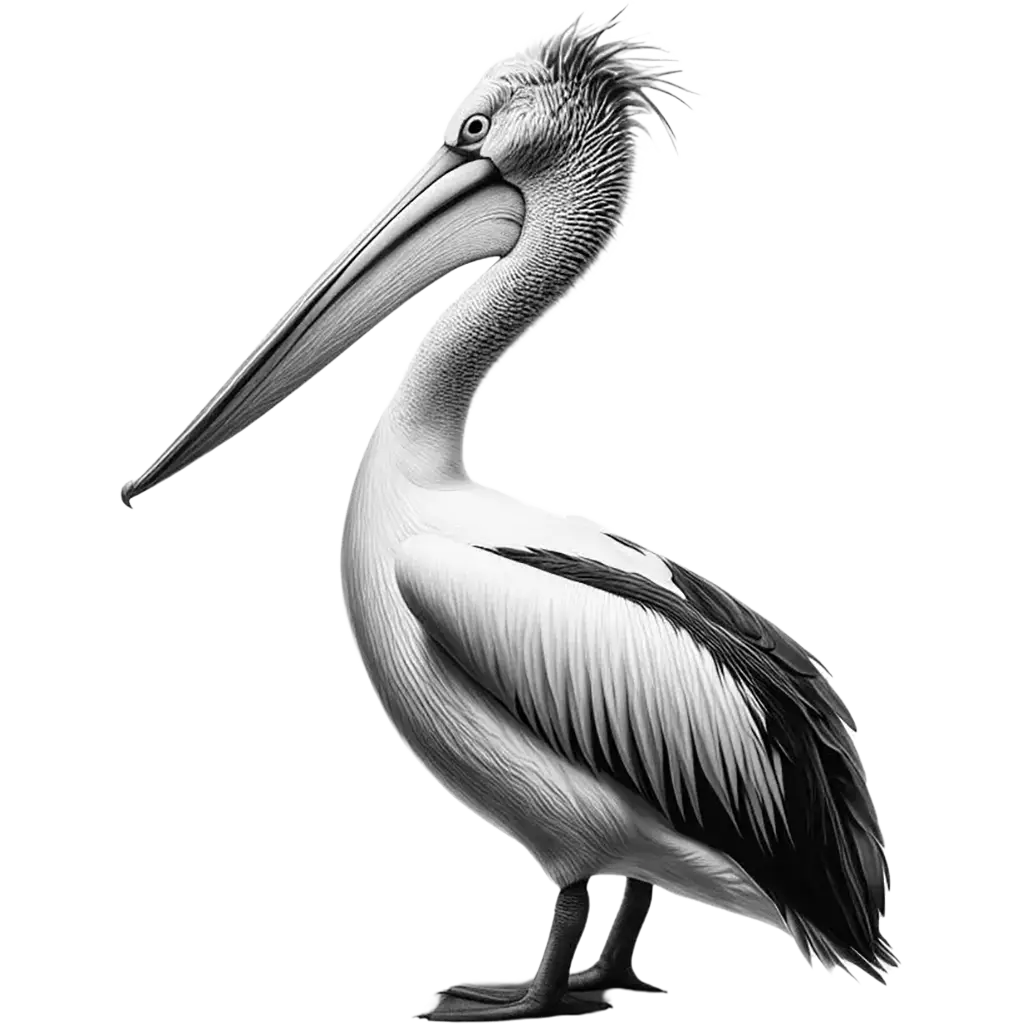
The Dalmatian Pelican, pelecanus crispus, stands as one of the largest freshwater bird species and is distinguished by its impressive wingspan, which can reach up to 3 meters, making it one of the world's largest flying birds. Adults typically weigh between 10 to 15 kilograms, with a notable feature being

The Little Egret, egretta garzetta, is a small, graceful heron renowned for its brilliant white plumage, slender black bill, and long black legs, with distinctive yellow feet. Measuring approximately 55 to 65 cm in length with a wingspan of 88 to 106 cm, this bird possesses an elegant neck and
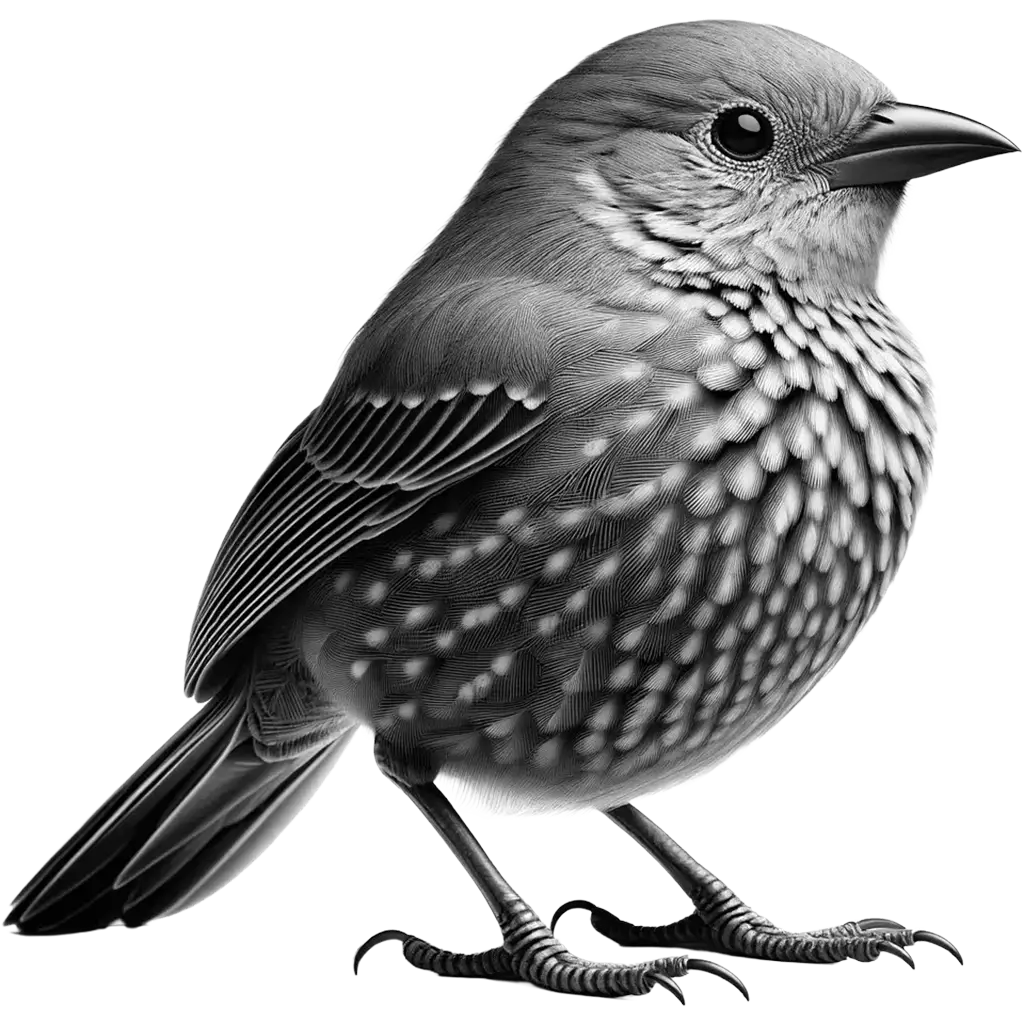
The Common Cactus Finch, geospiza scandens, is one of the notable species of Darwin's finches, endemic to the Galápagos Islands. This small bird, measuring approximately 12 to 14 cm in length, is characterized by its stout body and large, pointed beak adapted for feeding on cactus flowers, fruits, and seeds.
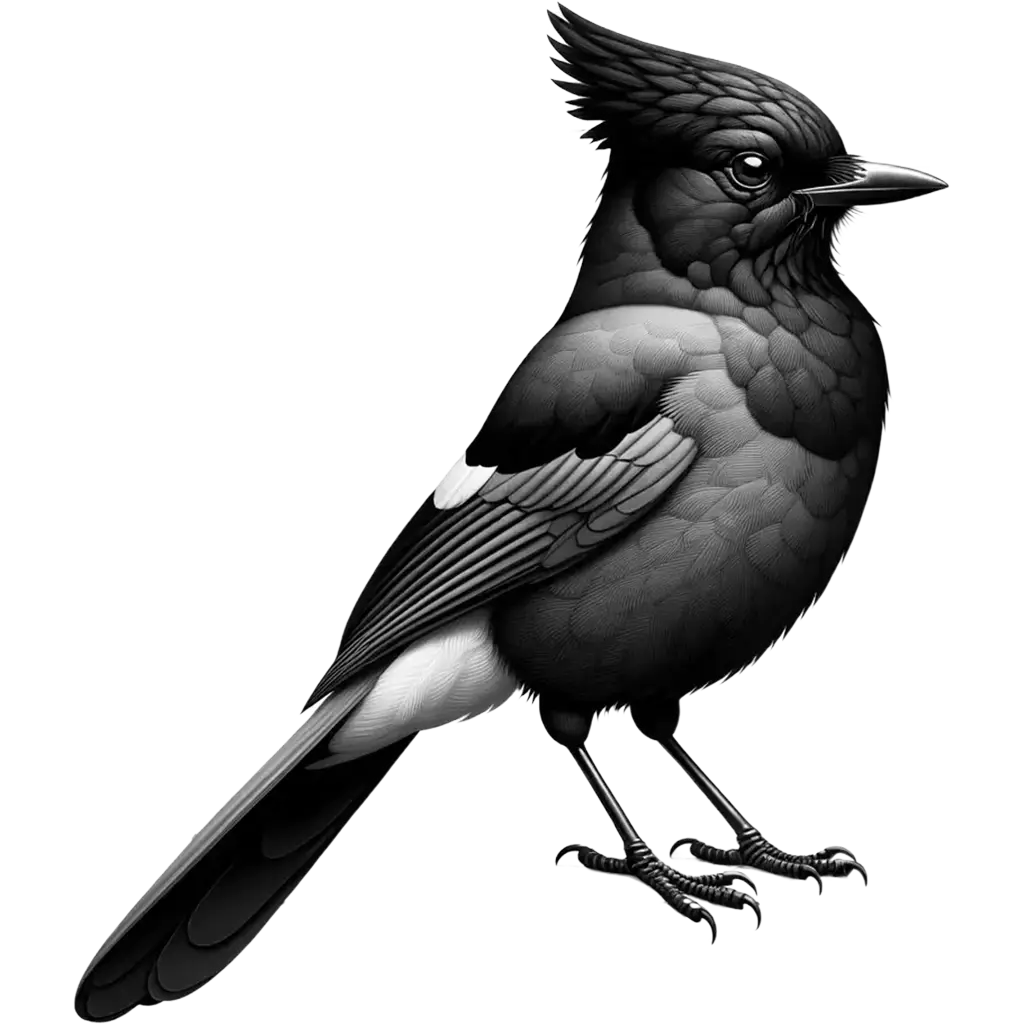
The Steller's Jay, cyanocitta stelleri, is a striking bird known for its vibrant blue plumage and distinctive black crest, which gives it a bold and expressive appearance. Adults typically measure about 30 to 34 cm in length, with a wingspan ranging from 44 to 49 cm. The species exhibits sexual