
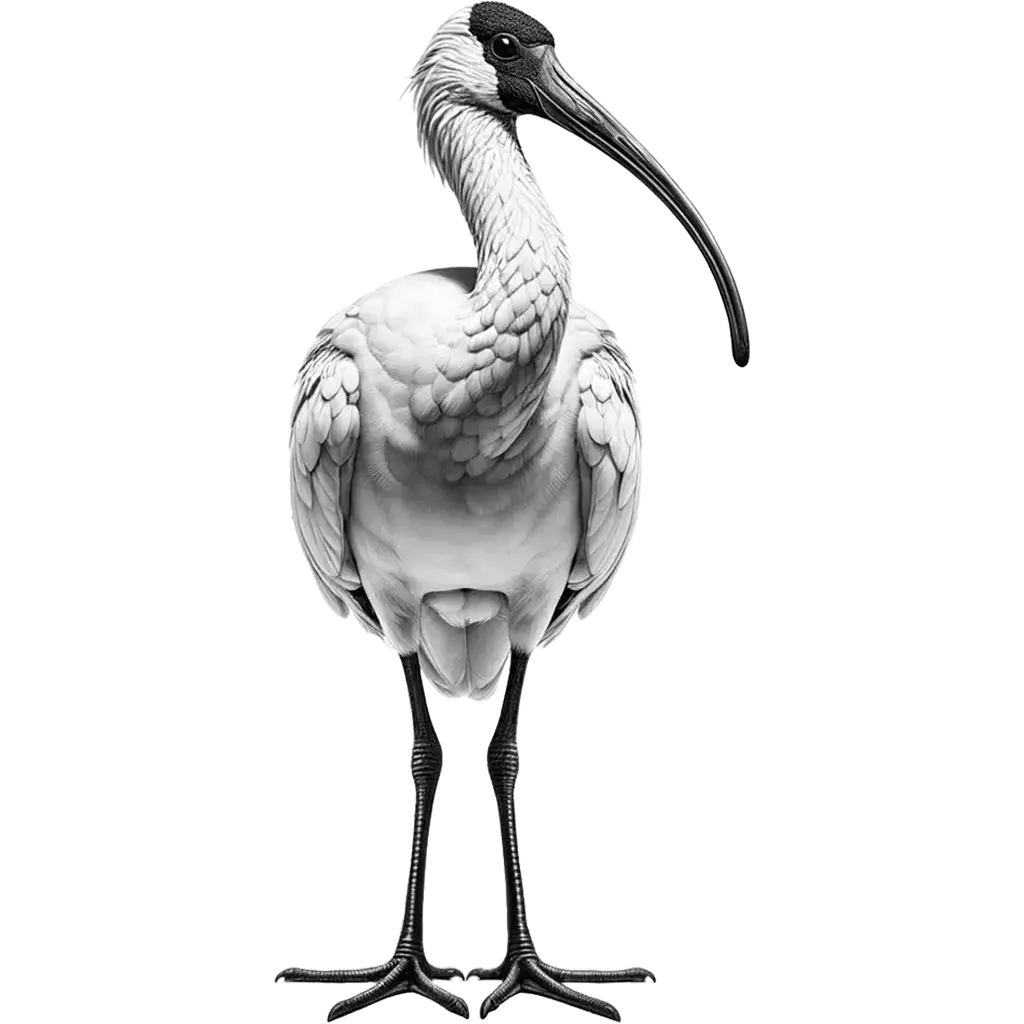
Threskiornis Spinicollis
Straw-Necked Ibis
Wetlands, rivers, lakes, and grasslands
The Straw-Necked Ibis, threskiornis spinicollis, is a striking wading bird native to Australia, New Guinea, and parts of Indonesia. Adults can reach up to 75 cm in height and exhibit a predominantly glossy black and iridescent green plumage, with a distinctive patch of straw-like feathers around their neck, which gives the species its common name. Their long, down-curved bill is adapted for foraging in the mud, and their legs are long and strong, facilitating movement through their wetland habitats. A white patch on their wings becomes prominent during flight, contrasting beautifully with their darker body.
| Population: | Listed as Least Concern, with stable populations |
| Generation Length: | 5 years |
| Average Weight: | 1.2-1.5 kg |
| Average Length: | 60-75 cm |
| Lifespan: | 10-15 years in the wild |
| Diet: | Varied, including invertebrates, small vertebrates, and plant material |
| Conservation Status: | Least Concern (LC) |
Inhabiting a wide range of wetland environments, from freshwater marshes and floodplains to rice fields and pastures, Straw-Necked Ibises are highly adaptable. They are often seen in large flocks, especially during breeding season or when food is abundant. These birds are known for their nomadic lifestyle, moving in response to rainfall and the availability of food.
The diet of the Straw-Necked Ibis primarily consists of various insects, including locusts and grasshoppers, as well as other invertebrates and small vertebrates they find in the wetlands. They play a crucial role in controlling insect populations, benefiting agricultural areas by reducing pest numbers.
Reproduction for Straw-Necked Ibises occurs in colonies, where they build large nests from reeds and sticks in trees or reed beds near water. The female lays 2 to 4 eggs, which both parents incubate. The chicks are altricial, requiring care and feeding by the parents until they are ready to fledge. The communal aspect of their nesting sites provides some protection against predators.
The population of the Straw-Necked Ibis is considered stable, with these birds adapting well to modified landscapes that provide adequate food sources. However, they are susceptible to changes in wetland health and water quality, making the conservation of their habitats important for their continued success. Efforts to preserve and restore wetland areas, along with sustainable agricultural practices, are crucial for maintaining healthy populations of this and other wetland-dependent species.
Classifications
The Key Attributes
Features
- Movement:
Flying, walking
- Territorial Behavior:
Gregarious, forms large flocks
- Speed:
Capable of long-distance flight
- Diet:
Omnivore
- Physical Features:
- Long legs and neck
- Glossy black plumage with iridescent sheen
- Characteristic straw-like feathers on the neck
- Curved beak for foraging in mud and shallow water
- Primary Senses:
- Sight
- Hearing
- Touch
Understanding Habitat and Range
Geography
- Habitat:
Wetlands, rivers, lakes, and grasslands
- Migration Patterns:
Partially migratory, moving in response to water availability
- Geographical Range:
Australia, New Guinea, and parts of Indonesia
- Climate Preferences:
Tropical and temperate regions
Navigating the Wilderness
In the wild
- Predators:
Birds of prey, foxes, and feral cats
- Prey:
Insects, crustaceans, fish, amphibians, and small mammals
- Feeding Behavior:
Feeds on aquatic and terrestrial invertebrates, small vertebrates, and seeds
- Diet:
Varied, including invertebrates, small vertebrates, and plant material
- Defensive Mechanisms:
- Forming large flocks to deter predators
- Flight to escape threats
- Preferred Food Sources:
- Areas with abundant water sources and rich in food availability
Insights Into Reproduction
Mating
- Mating System:
Monogamous
- Number of Offspring:
2-3 eggs
- Incubation Period:
About 21-25 days
- Parental Involvement:
- Both parents share in nesting and raising the young
Youngsters Section
Straw-Necked Ibis
Fun Fact
The Straw-Necked Ibis is known for its striking iridescent plumage, reflecting a rainbow of colors.
This bird is found across Australia and parts of Indonesia. It plays a vital role in agriculture by controlling pest populations, feeding on insects and small invertebrates. Its distinct straw-like feathers on the neck make it easily recognizable among other ibis species.

Download word search puzzles
Word Search Puzzles
Check Out Other Birds
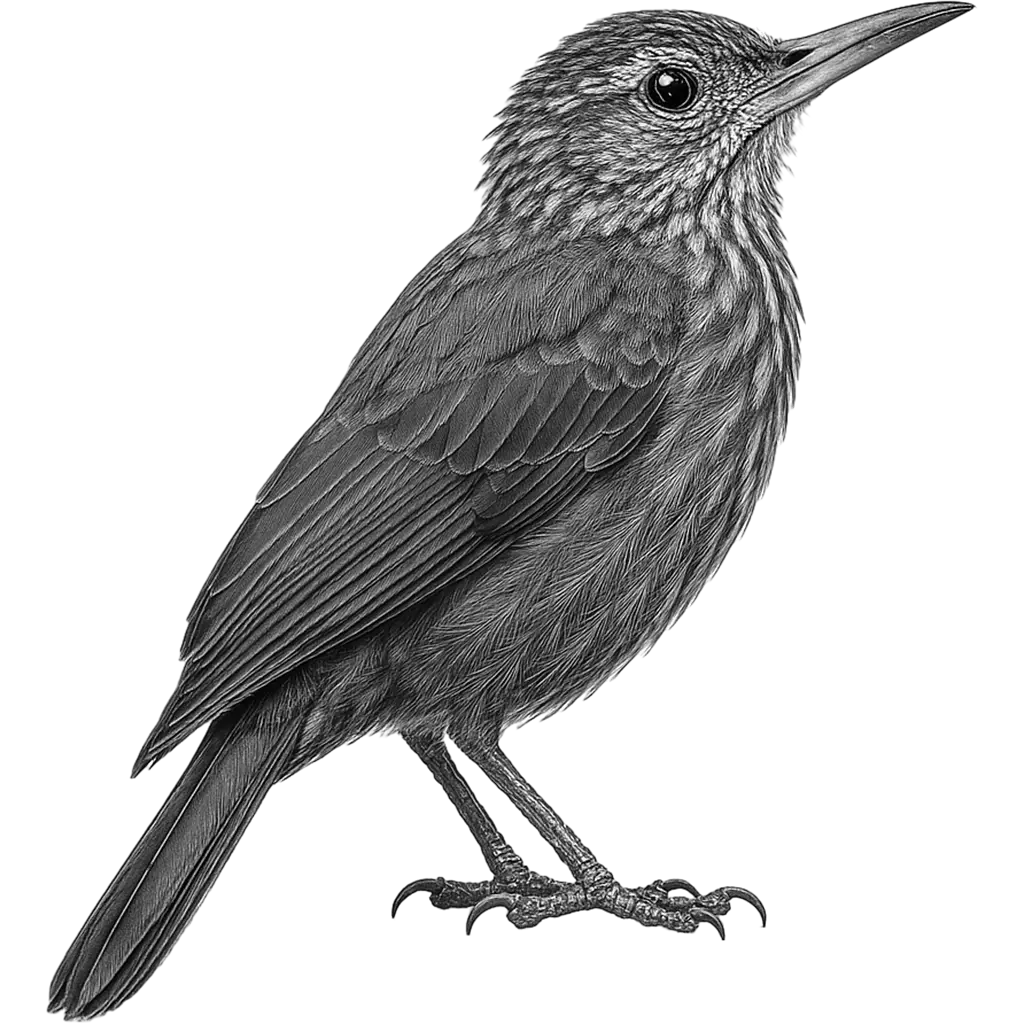
The Elegant Woodcreeper has a slender body with a long, decurved bill and a gracefully elongated tail that aids its agile movement among dense treetops. Its plumage features a mix of soft browns, subtle streaks, and a hint of olive, perfectly camouflaged against the textured bark. The bird's keen, dark
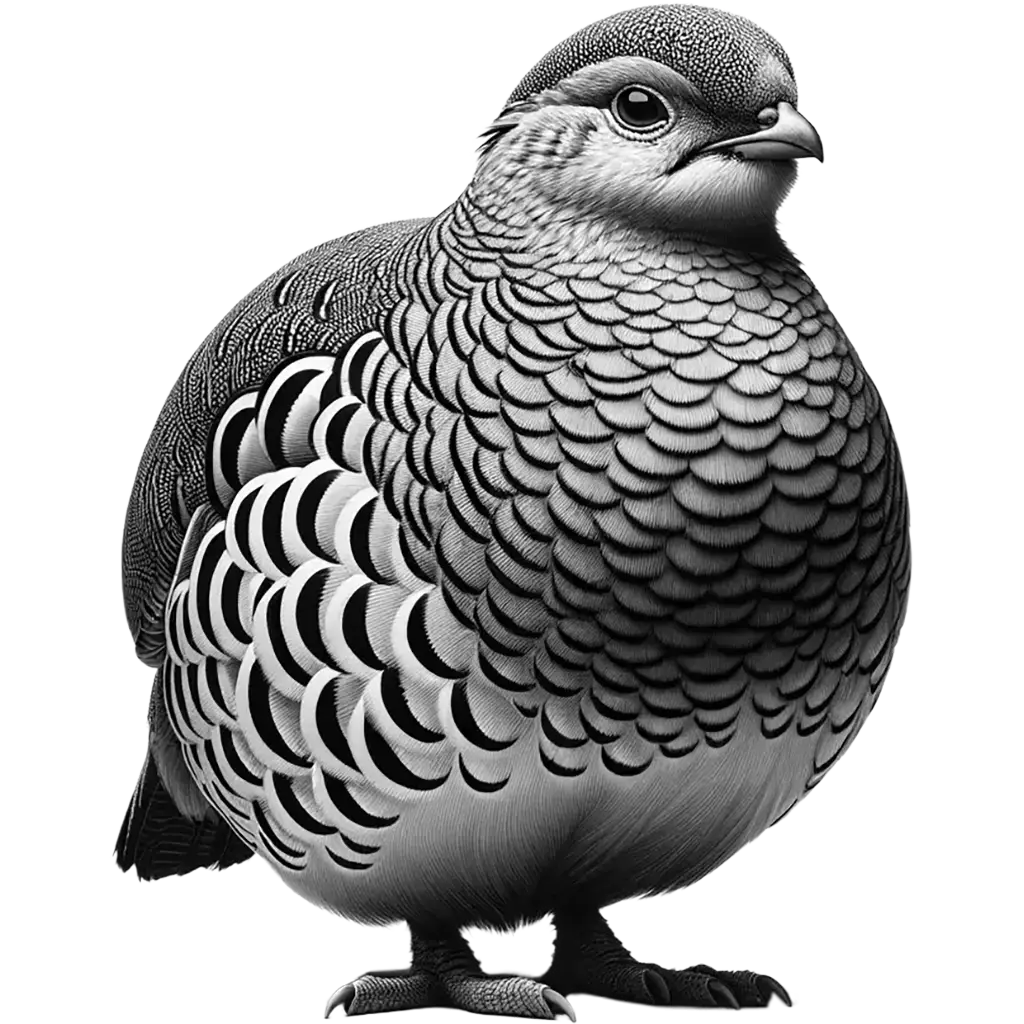
The Barbary Partridge, alectoris barbara, is a game bird native to North Africa, with a distinctive presence in the rugged, mountainous regions of Morocco, Algeria, Tunisia, and Gibraltar. It is recognized by its striking plumage, which features a combination of gray, brown, and chestnut, allowing it to blend seamlessly into
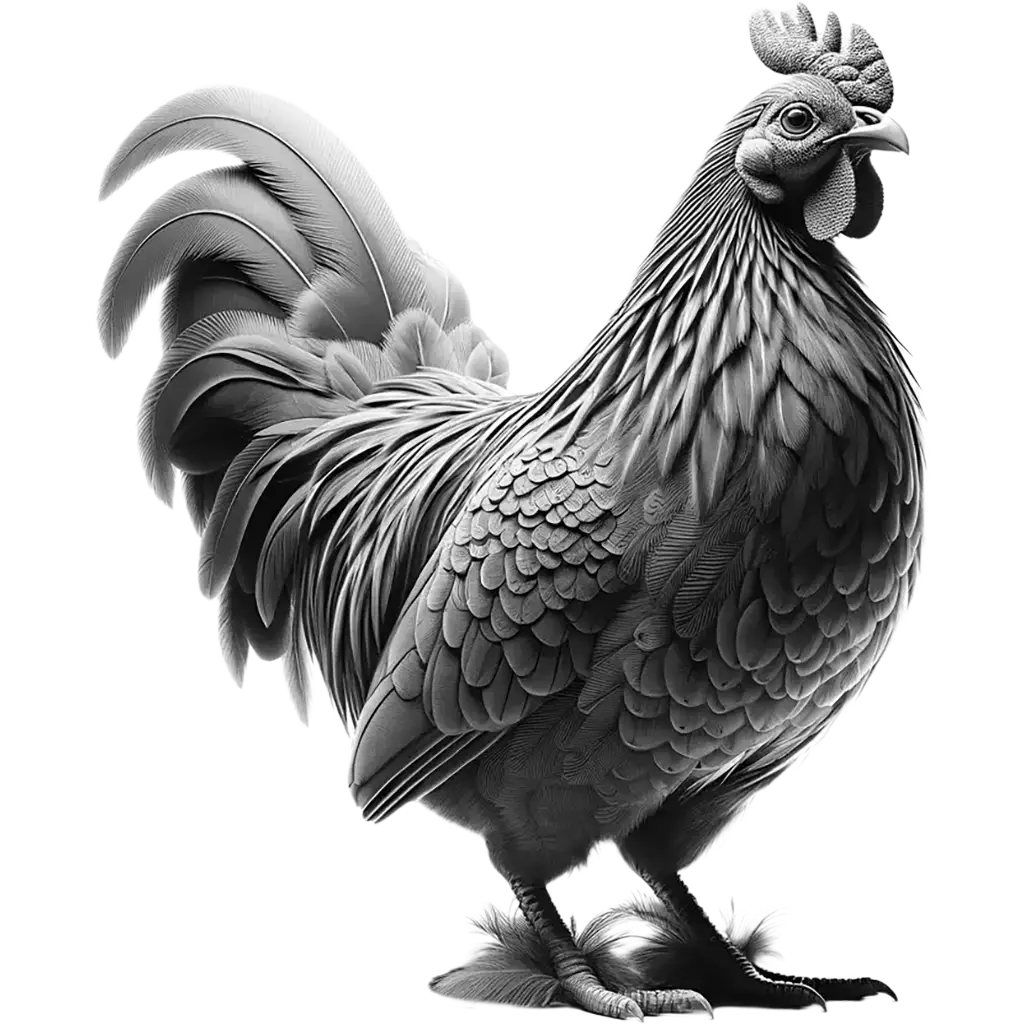
The Grey Junglefowl, gallus sonneratii, is a wild bird native to the Indian subcontinent, known for its striking appearance and as one of the ancestors of the domestic chicken. Males are particularly vibrant, with a combination of golden, black, and white plumage, and a distinctive red comb and wattles. They
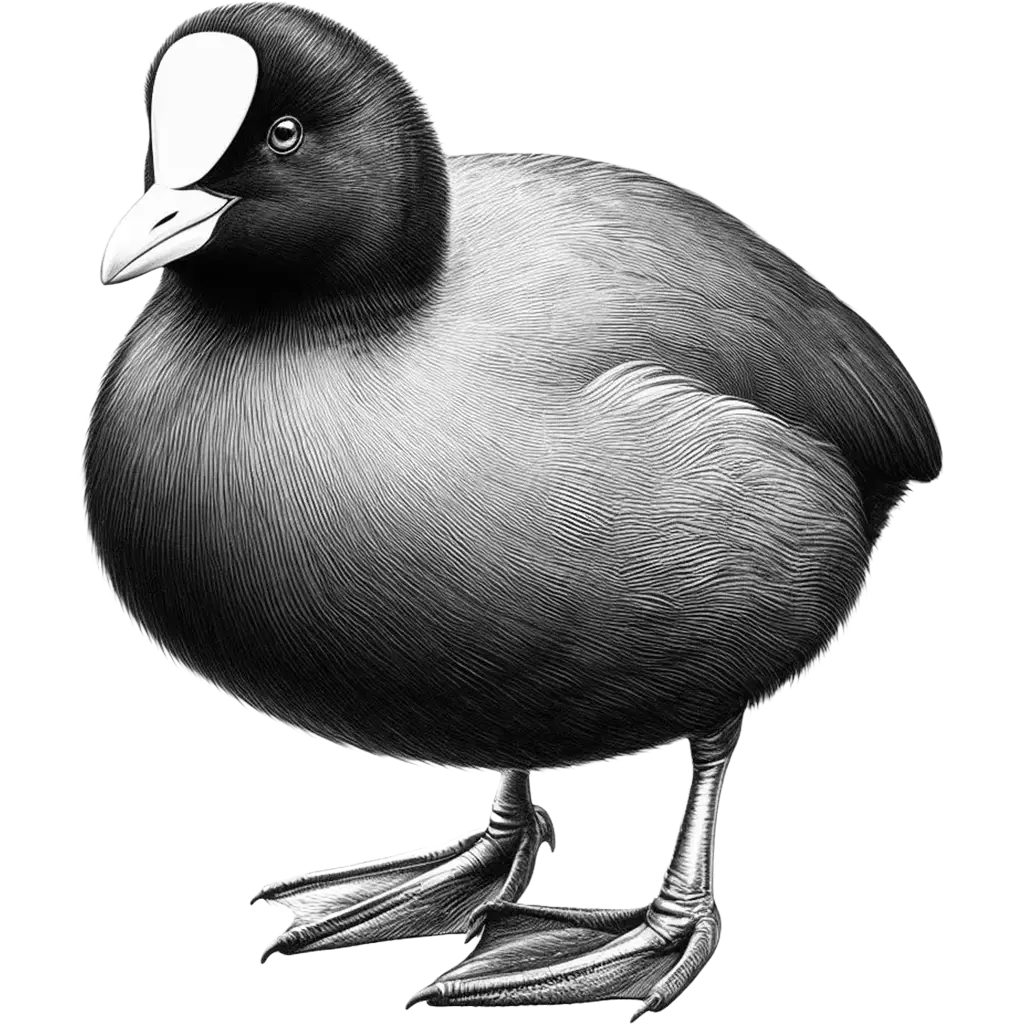
The Eurasian Coot, fulica atra, is a widespread waterbird known for its distinctive all-black plumage and stark white bill and forehead shield. Common across Europe, Asia, Australia, and parts of Africa, this medium-sized bird measures about 32 to 42 centimeters in length and weighs approximately 600 to 900 grams. The