
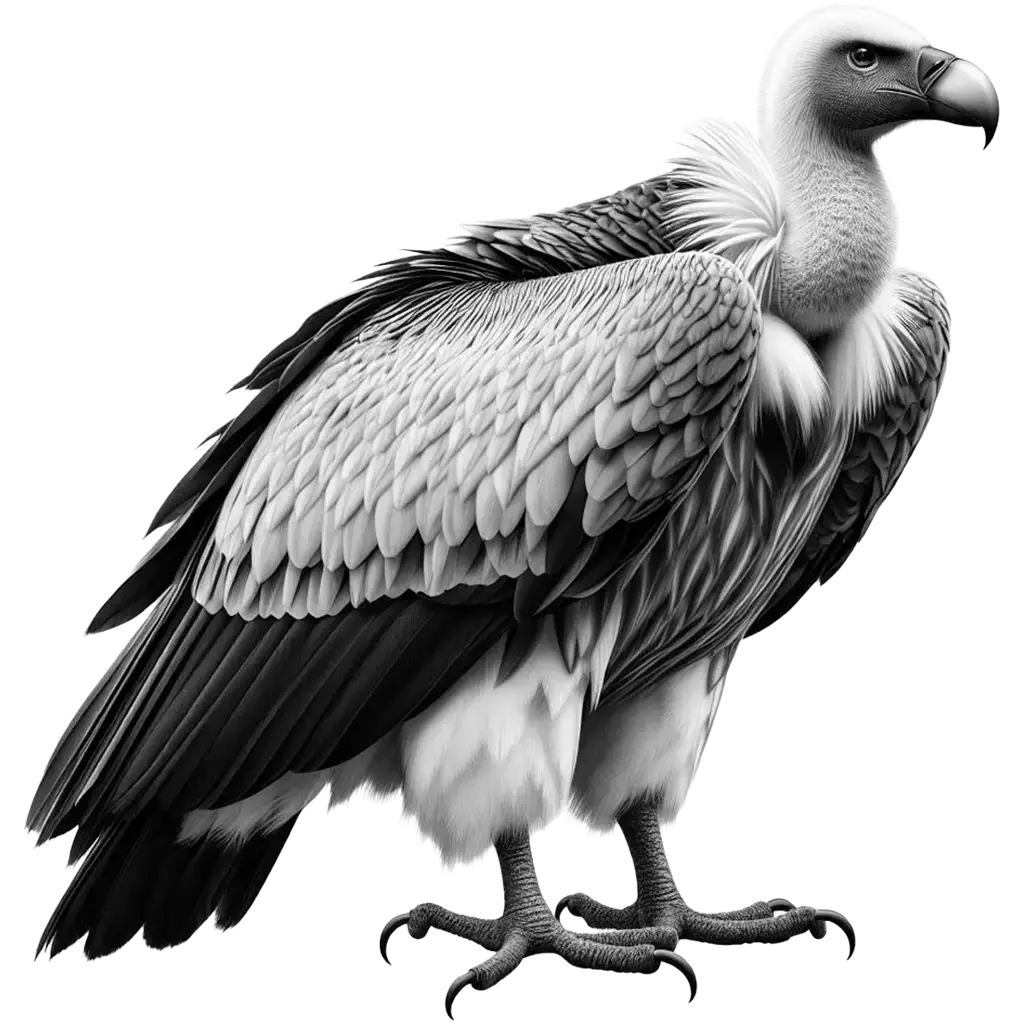
Gyps Fulvus
Eurasian Griffon Vulture
Open landscapes such as mountains, hills, and scrubland
The Eurasian Griffon Vulture, gyps fulvus, is a majestic bird of prey, known for its impressive size and soaring flight. This species is one of the larger vultures, with a wingspan ranging from 230 to 280 centimeters (7.5 to 9.2 feet), and weighs between 6 to 11 kilograms (13 to 24 pounds). The plumage is predominantly a pale, creamy brown, with darker flight feathers and a distinctive white ruff around the neck. The head and neck are nearly bald, an adaptation for hygiene, allowing the bird to stay clean while feeding on carrion.
| Population: | Considered to be Least Concern, though populations have declined in some areas |
| Generation Length: | 10 years |
| Average Weight: | 6-11 kg |
| Average Length: | 93-110 cm |
| Lifespan: | Up to 25 years in the wild, longer in captivity |
| Diet: | Carrion |
| Conservation Status: | Least Concern (LC) |
Native to southern Europe, North Africa, and parts of Asia, the Eurasian Griffon Vulture inhabits mountainous regions, cliffs, and rocky outcrops, where it can be found nesting in large colonies. These vultures are highly social creatures, relying on thermal currents to glide over vast distances in search of food, spending much of their time soaring in the sky.
The diet of the Eurasian Griffon Vulture consists almost exclusively of carrion, making it an essential scavenger that helps to keep ecosystems clean and free of disease. These vultures have keen eyesight and a strong sense of smell, which they use to locate deceased animals across the landscape. By consuming the remains of dead animals, they prevent the spread of diseases that could affect other wildlife and livestock.
Reproduction in Eurasian Griffon Vultures involves monogamous pairs that mate for life, often returning to the same nest year after year. Females typically lay a single egg per breeding season, which both parents incubate for about 50 to 55 days. The chick is then fed and cared for by both parents, fledging at around 4 months of age, though it may remain dependent on the parents for several more months.
The Eurasian Griffon Vulture is currently listed as Least Concern by the IUCN, reflecting its wide distribution and relatively stable population. However, the species faces threats from habitat loss, poisoning, and collisions with wind turbines and power lines. Conservation efforts for the Eurasian Griffon Vulture include the creation of vulture feeding stations, legal protection, habitat preservation, and public education campaigns to reduce the use of poisons and other harmful practices. These efforts are crucial for ensuring the survival of this magnificent bird, which plays a vital role in maintaining the health of ecosystems.
Classifications
The Key Attributes
Features
- Movement:
Flight
- Territorial Behavior:
Highly social, often seen in large flocks
- Speed:
Can soar and glide for hours without flapping wings
- Diet:
Scavenger
- Physical Features:
- Large size with broad wings
- White ruff around the neck
- Bare head and neck for hygiene
- Hooked beak for tearing carcasses
- Primary Senses:
- Sight
- Smell
Understanding Habitat and Range
Geography
- Habitat:
Open landscapes such as mountains, hills, and scrubland
- Migration Patterns:
Some populations are migratory, while others are sedentary
- Geographical Range:
Widespread across southern Europe, North Africa, and parts of Asia
- Climate Preferences:
Prefers warm climates but can tolerate a range of temperatures
Navigating the Wilderness
In the wild
- Predators:
Few natural predators due to size, but eggs and young can be preyed upon by eagles and other large birds
- Prey:
Carcasses of dead animals
- Feeding Behavior:
Feeds almost exclusively on dead animals, playing a crucial role in the ecosystem by preventing the spread of diseases
- Diet:
Carrion
- Defensive Mechanisms:
- Soaring high to avoid threats
- Social behavior for protection
- Preferred Food Sources:
- Dead animals
- Carcasses found in their habitat
Insights Into Reproduction
Mating
- Mating System:
Monogamous, often forming long-lasting pair bonds
- Number of Offspring:
1 egg
- Incubation Period:
About 50-55 days
- Parental Involvement:
- Both parents share in incubating the egg and feeding the chick
Youngsters Section
Eurasian Griffon Vulture
Fun Fact
The Eurasian Griffon Vulture boasts an impressive wingspan reaching up to 2.8 meters.
These vultures are essential for ecosystems, consuming carrion and reducing disease spread. They are social birds, often found in large groups, gliding effortlessly on thermals while searching for food. Their keen eyesight enables them to spot carcasses from great heights, ensuring they efficiently fulfill their ecological role.

Download word search puzzles
Word Search Puzzles
Check Out Other Birds
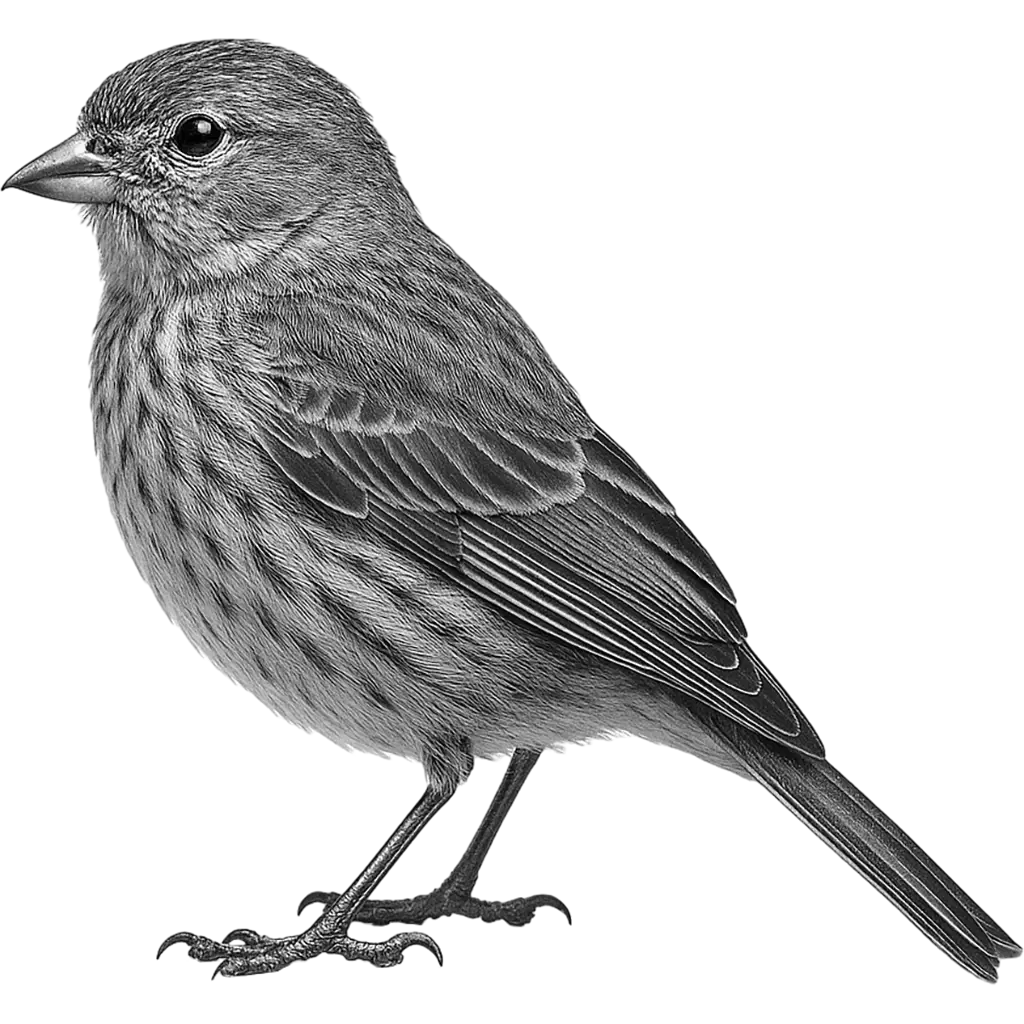
The Drakensberg Siskin features a slender, agile body adorned with soft, muted plumage in shades of olive, gray, and hints of yellow. Its pointed beak and keen eyes complement a delicate facial structure. The bird's wings are streamlined for quick, nimble flight, and subtle streaks of color mark its chest
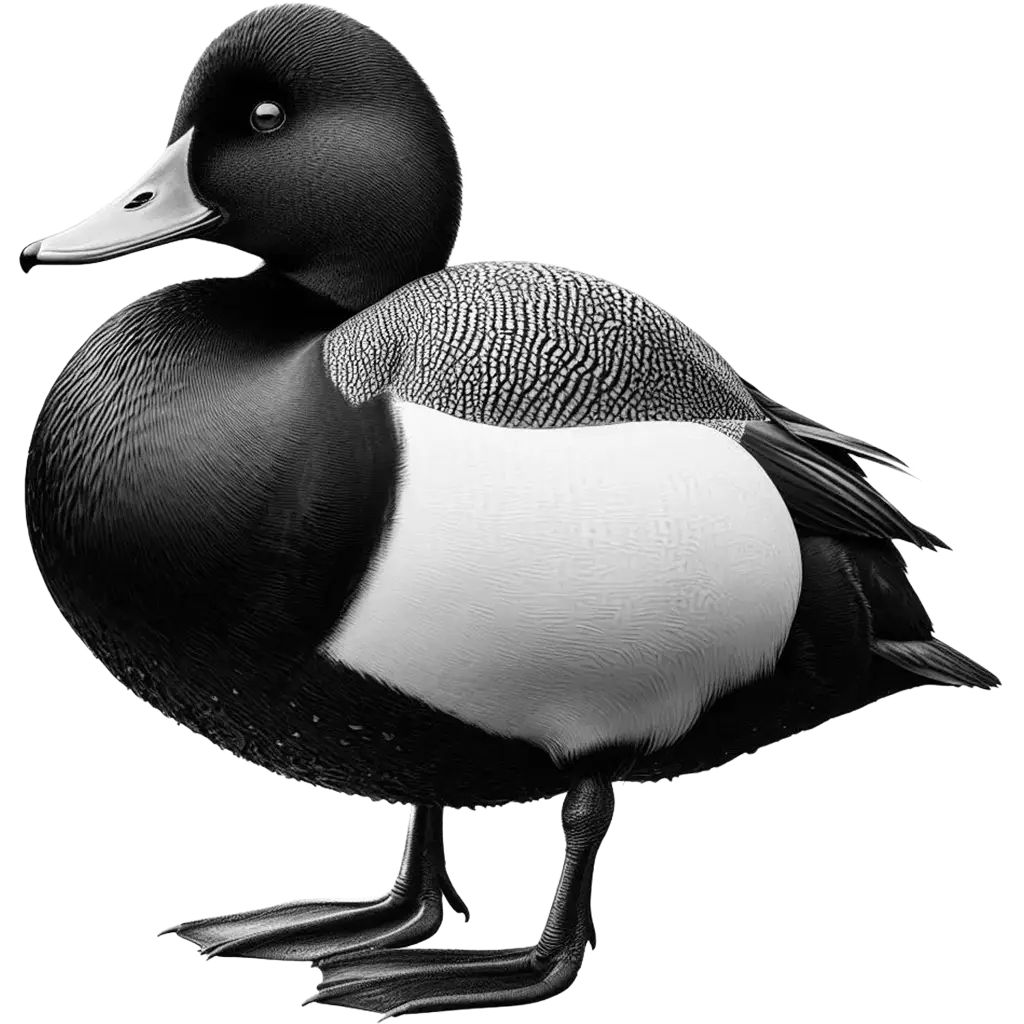
The Greater Scaup, aythya marila, is a medium-sized diving duck known for its circumpolar distribution, breeding in the northernmost reaches of Europe, Asia, and North America, and wintering further south in coastal bays, estuaries, and inland lakes. Males are recognizable by their dark, iridescent green heads, bright yellow eyes, and
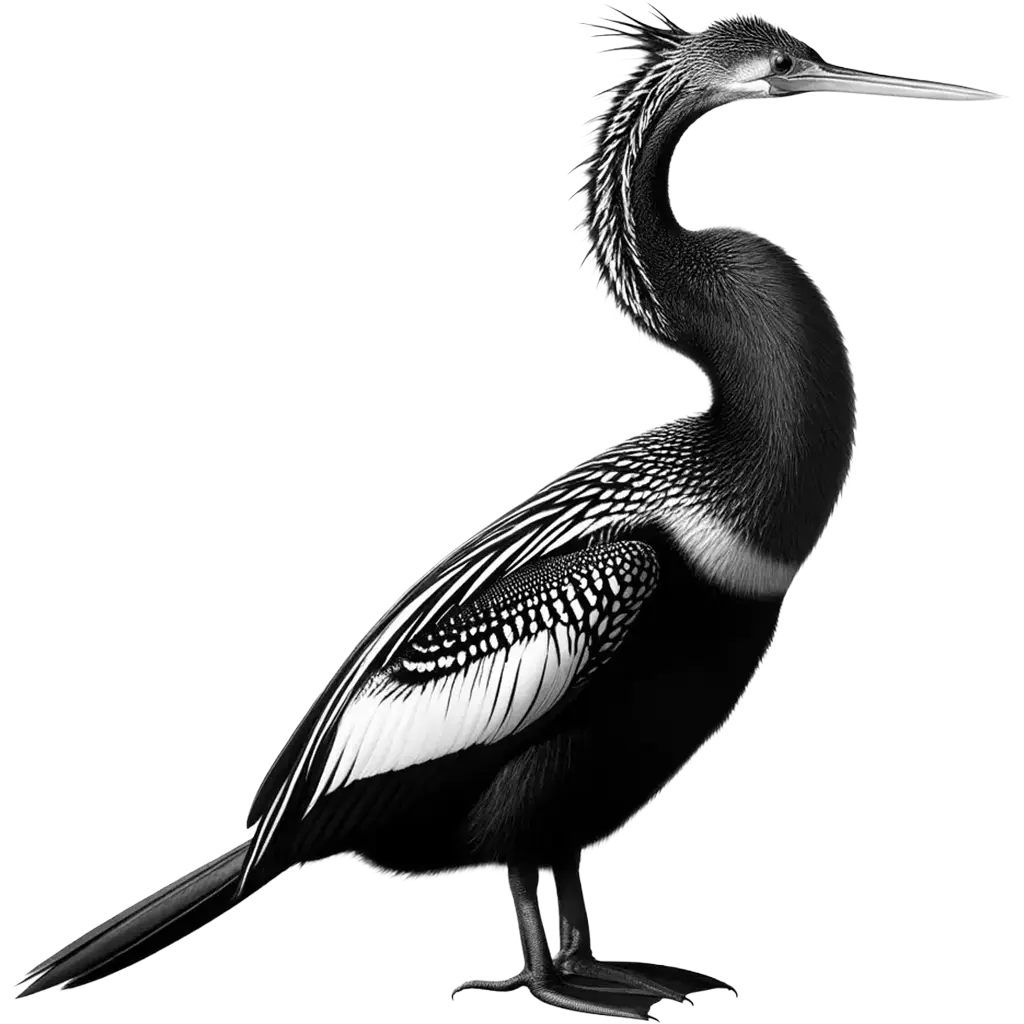
The Anhinga, Anhinga Anhinga, also known as the Snakebird, is a distinctive water bird native to freshwater lakes, swamps, and slow-moving rivers across the American tropics, from the southeastern United States to Argentina. This bird is named for its long, thin neck, which gives it a snake-like appearance when swimming
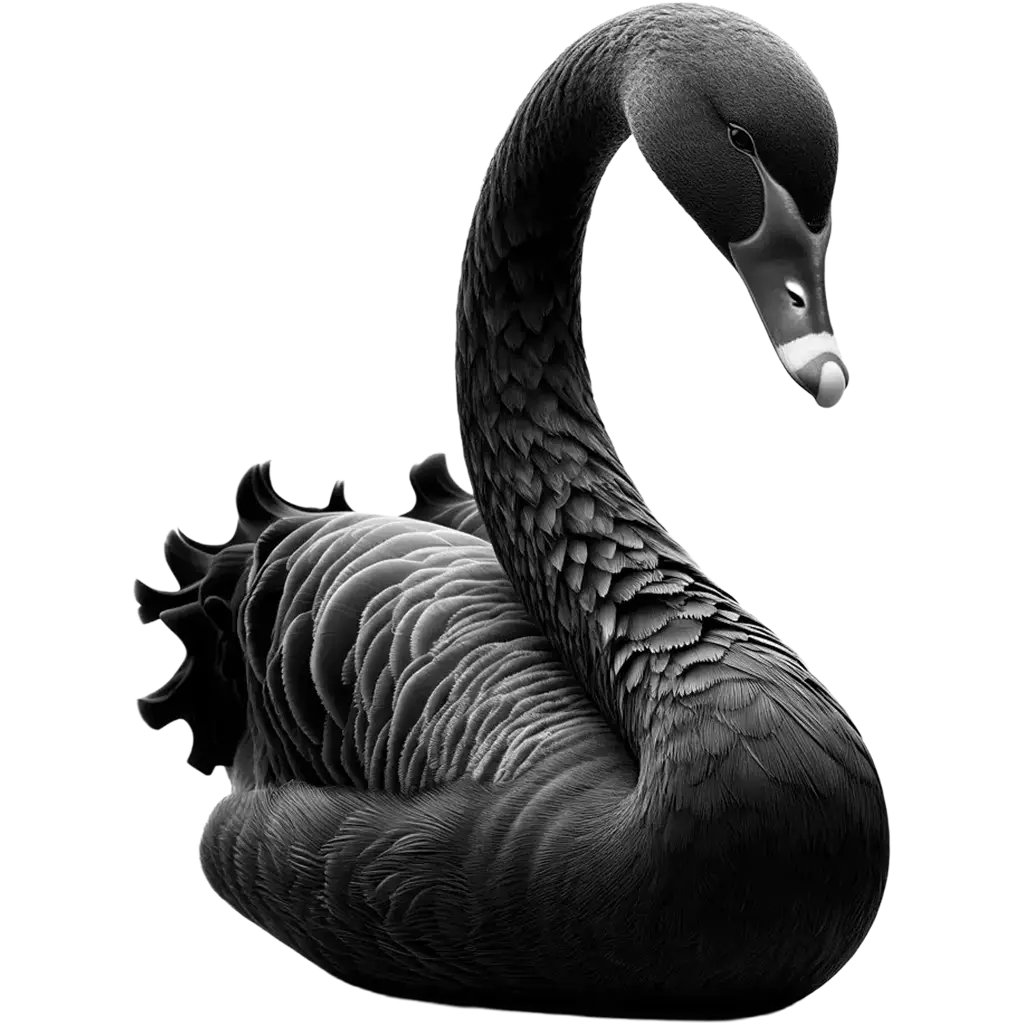
The Black Swan, cygnus atratus, is a large waterbird native to Australia, easily distinguished by its mostly black plumage and striking red bill with a white band. It measures between 110 to 142 centimeters in length and has a wingspan of up to 2 meters, making it one of the