

Otus Sunia
Oriental Scops Owl
Woodlands, forests, and rural gardens
The Oriental Scops Owl, otus sunia, is a small and elusive bird of prey, known for its distinctive ear tufts and varied color morphs, ranging from gray to reddish-brown, which provide excellent camouflage against tree bark. This species typically measures about 19 to 23 cm in length, with a wingspan of approximately 45 to 54 cm, making it one of the smaller members of the scops owl genus. The Oriental Scops Owl's plumage not only aids in concealment but also highlights the intricate patterns and textures that adorn its feathers, making it a master of disguise in its natural habitat.
| Population: | Listed as Least Concern but may be affected by habitat destruction and pesticide use |
| Generation Length: | 4-5 years |
| Average Weight: | 100-150 grams |
| Average Length: | 19-23 cm |
| Lifespan: | Up to 10 years in the wild |
| Diet: | Insectivorous and small animal prey |
| Conservation Status: | Least Concern (LC) |
Native to Asia, the Oriental Scops Owl's range extends from the eastern regions of Siberia and Mongolia, across East Asia, to South Asia, and Southeast Asia. This species prefers open woodland, forest edges, and groves, often near human habitations. Its adaptability to various forested environments underscores its resilience and versatility as a nocturnal predator.
The diet of the Oriental Scops Owl predominantly consists of insects, small rodents, and other small vertebrates. Its hunting strategy involves perching quietly and listening for the movement of prey before swooping down to capture it with precision, using its sharp talons. This owl plays a crucial role in controlling the populations of pest species, thereby maintaining the ecological balance within its habitat.
Reproduction in the Oriental Scops Owl involves nesting in tree cavities, where the female lays and incubates a clutch of 3 to 5 eggs. Both parents participate in feeding and raising the young, which fledge the nest after about a month. The breeding season varies across their range but typically occurs in spring and early summer, timed with the abundance of prey.
The population of the Oriental Scops Owl is considered stable, though it faces threats from habitat destruction and degradation, particularly from deforestation and agricultural expansion. Conservation efforts are focused on habitat protection and monitoring to ensure the species' continued survival. The presence of the Oriental Scops Owl is a key indicator of healthy forest ecosystems, highlighting the importance of biodiversity conservation in Asia's rapidly changing landscapes.
Classifications
The Key Attributes
Features
- Movement:
Flying, perching
- Territorial Behavior:
Somewhat territorial, especially during breeding season
- Speed:
Not quantified; capable of quick, agile flight
- Diet:
Carnivore
- Physical Features:
- Small size with a rounded head and no ear tufts
- Camouflaged plumage with intricate patterns
- Large eyes adapted for nocturnal vision
- Sharp talons and beak for catching and consuming prey
- Primary Senses:
- Sight
- Hearing
Understanding Habitat and Range
Geography
- Habitat:
Woodlands, forests, and rural gardens
- Migration Patterns:
Partially migratory, depending on the range
- Geographical Range:
Asia, from the Indian subcontinent to Southeast Asia and parts of East Asia
- Climate Preferences:
Temperate to tropical climates
Navigating the Wilderness
In the wild
- Predators:
Larger birds of prey and small mammals
- Prey:
Insects, rodents, small birds
- Feeding Behavior:
Primarily nocturnal, hunting insects, small mammals, and other small animals
- Diet:
Insectivorous and small animal prey
- Defensive Mechanisms:
- Camouflage plumage for hiding
- Silent flight to avoid detection by prey and predators
- Preferred Food Sources:
- Areas rich in insect and small animal populations, near trees and underbrush for cover
Insights Into Reproduction
Mating
- Mating System:
Monogamous
- Number of Offspring:
2-6 eggs
- Incubation Period:
About 4 weeks
- Parental Involvement:
- Both parents involved in nesting and feeding the young
Youngsters Section
Oriental Scops Owl
Fun Fact
The Oriental Scops Owl is a small, nocturnal bird with striking ear tufts and vivid yellow eyes.
They have a unique ability to change their plumage color between gray and rufous, providing excellent camouflage. This seasonal color change helps them blend seamlessly with their surroundings, enhancing their ability to avoid predators and hunt effectively.

Download word search puzzles
Word Search Puzzles


Check Out Other Birds

The King Eider, somateria spectabilis, is a large, striking sea duck known for its circumpolar distribution in the Arctic regions of North America, Europe, and Asia. Male King Eiders are particularly notable for their distinctive appearance during the breeding season, with a bold black and white pattern, a bright orange

The Black Swan, cygnus atratus, is a large waterbird native to Australia, easily distinguished by its mostly black plumage and striking red bill with a white band. It measures between 110 to 142 centimeters in length and has a wingspan of up to 2 meters, making it one of the

The Hawfinch, coccothraustes coccothraustes, is a robust and strikingly colored bird, known for its large size among finches, measuring up to 18 centimeters (7 inches) in length and weighing between 48 to 62 grams (1.7 to 2.2 ounces). Characterized by its massive bill capable of cracking even the hardest seeds,
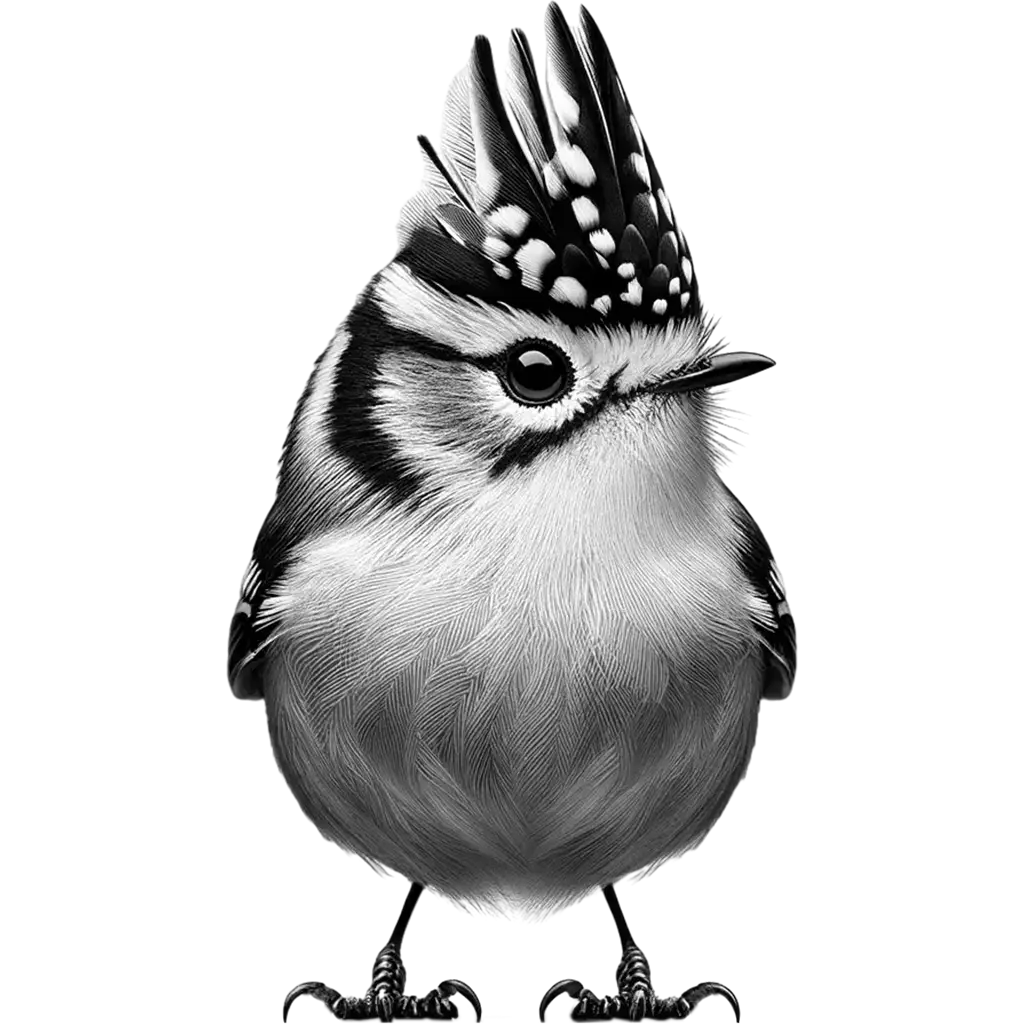
The Flamecrest, regulus goodfellowi, also known as the Taiwan Firecrest, is a tiny, vibrant bird species endemic to the high-altitude forests of Taiwan. This bird is particularly notable for its striking appearance, characterized by a bright orange-red crest on its head, set against a backdrop of olive-green and grey plumage.