
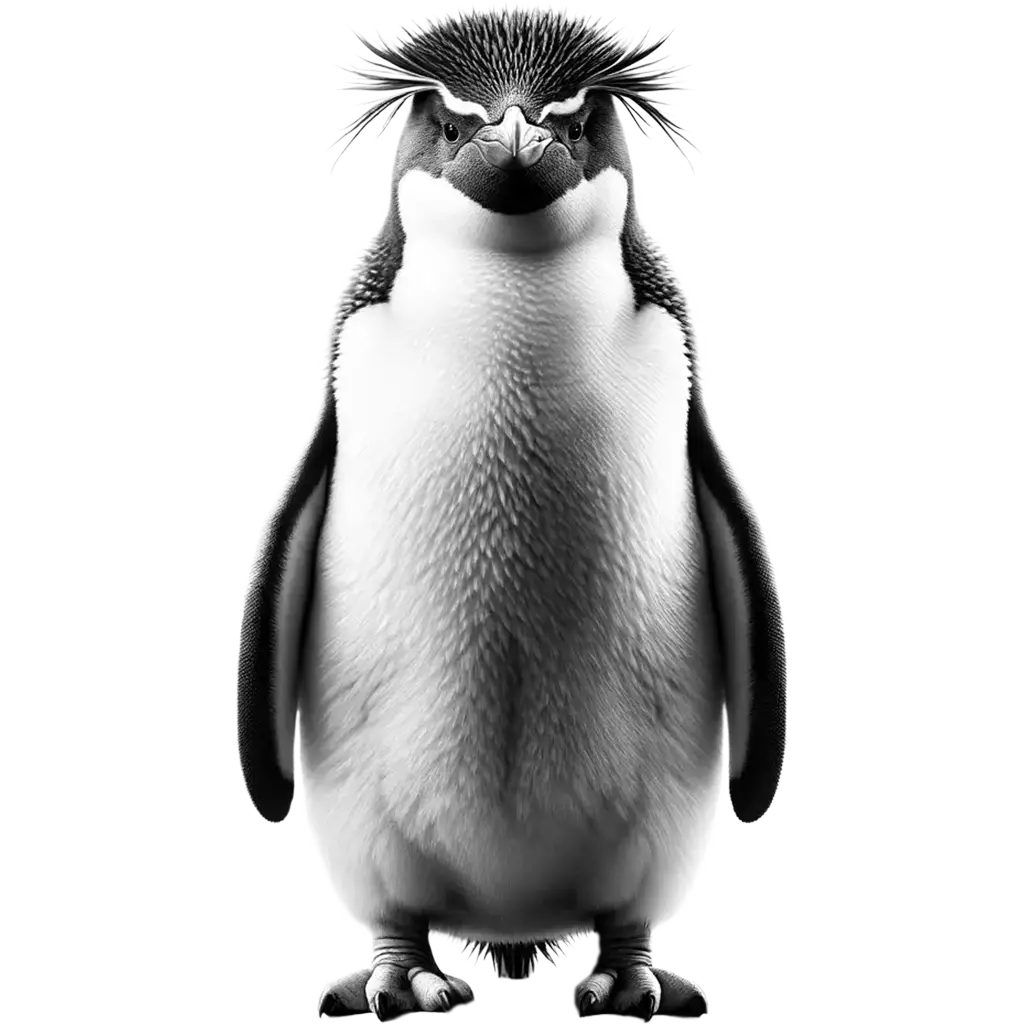
Eudyptes Chrysocome
Southern Rockhopper Penguin
Subantarctic islands and rocky coastal areas
The Southern Rockhopper Penguin, eudyptes chrysocome, is a distinctive and charismatic bird known for its robust nature and unique appearance. Adults are easily recognizable by their bright red eyes, pink webbed feet, and the striking yellow and black plumes that extend from their foreheads. Measuring approximately 55 cm in height and weighing around 2.5 to 3.5 kg, these penguins are among the smaller species within the penguin family. Their bodies are adapted to the cold with a dense layer of waterproof feathers, ensuring they remain insulated against the harsh conditions of their habitat.
| Population: | Listed as Vulnerable due to population declines |
| Generation Length: | 5 years |
| Average Weight: | 2-3.5 kg |
| Average Length: | 45-58 cm |
| Lifespan: | 10-20 years in the wild |
| Diet: | Primarily piscivorous, with a significant portion of diet consisting of krill and squid |
| Conservation Status: | Vulnerable (VU) |
Native to the sub-Antarctic regions and islands of the southern Indian and Atlantic Oceans, Southern Rockhopper Penguins prefer rocky coastlines where they can nest and breed. They are highly social birds, forming large colonies that are bustling with activity, especially during the breeding season. Despite their awkwardness on land, where they hop among rocks with surprising agility, they are excellent swimmers, capable of traversing vast distances in search of food.
The diet of the Southern Rockhopper Penguin primarily consists of krill, squid, and small fish. They are adept hunters, diving deep into the cold ocean waters to catch their prey. These foraging trips can be lengthy, requiring them to travel hundreds of kilometers from their breeding sites to find sufficient food sources to sustain themselves and their offspring.
Reproduction for Southern Rockhopper Penguins is a communal affair, with pairs returning annually to the same nesting sites to lay their eggs and raise their chicks. Nests are built from pebbles and feathers in shallow burrows or among tussock grass. Typically, the female lays two eggs, but only the second, larger egg is usually incubated and hatches after about 35 days. Both parents share the duties of incubation and feeding the chick through regurgitation.
The population of the Southern Rockhopper Penguin is considered vulnerable, facing threats from climate change, overfishing, and pollution, which impact their food sources and breeding habitats. Oil spills and entanglement in fishing gear also pose significant risks. Conservation efforts are focused on habitat protection, regulating fishing practices, and monitoring population trends to ensure the survival of this spirited and iconic species.
Classifications
The Key Attributes
Features
- Movement:
Walking, swimming, hopping
- Territorial Behavior:
Colonial, with dense nesting sites
- Speed:
Fast swimmer in water, agile on rocky terrain
- Diet:
Carnivore
- Physical Features:
- Distinctive yellow eyebrows and red eyes
- Black head, back, and flippers with white front
- Strong, webbed feet for swimming and hopping on rocks
- Streamlined body for efficient swimming
- Primary Senses:
- Sight
- Hearing
- Tactile (in water)
Understanding Habitat and Range
Geography
- Habitat:
Subantarctic islands and rocky coastal areas
- Migration Patterns:
Migratory, moving north to warmer waters in winter
- Geographical Range:
Southern oceans, particularly around the Falkland Islands, Chile, Argentina, and other subantarctic islands
- Climate Preferences:
Cold subantarctic to temperate climates
Navigating the Wilderness
In the wild
- Predators:
Seals, sea lions, and large seabirds
- Prey:
Small fish, krill, and squid
- Feeding Behavior:
Feeds on krill, squid, and small fish, diving deep into the ocean to catch prey
- Diet:
Primarily piscivorous, with a significant portion of diet consisting of krill and squid
- Defensive Mechanisms:
- Swimming agility to evade predators
- Colonial nesting to increase vigilance and protection
- Preferred Food Sources:
- Cold ocean waters rich in small fish and crustaceans
Insights Into Reproduction
Mating
- Mating System:
Monogamous
- Number of Offspring:
Usually 2 eggs
- Incubation Period:
About 33-36 days
- Parental Involvement:
- Both parents share in incubation and chick rearing duties
Youngsters Section
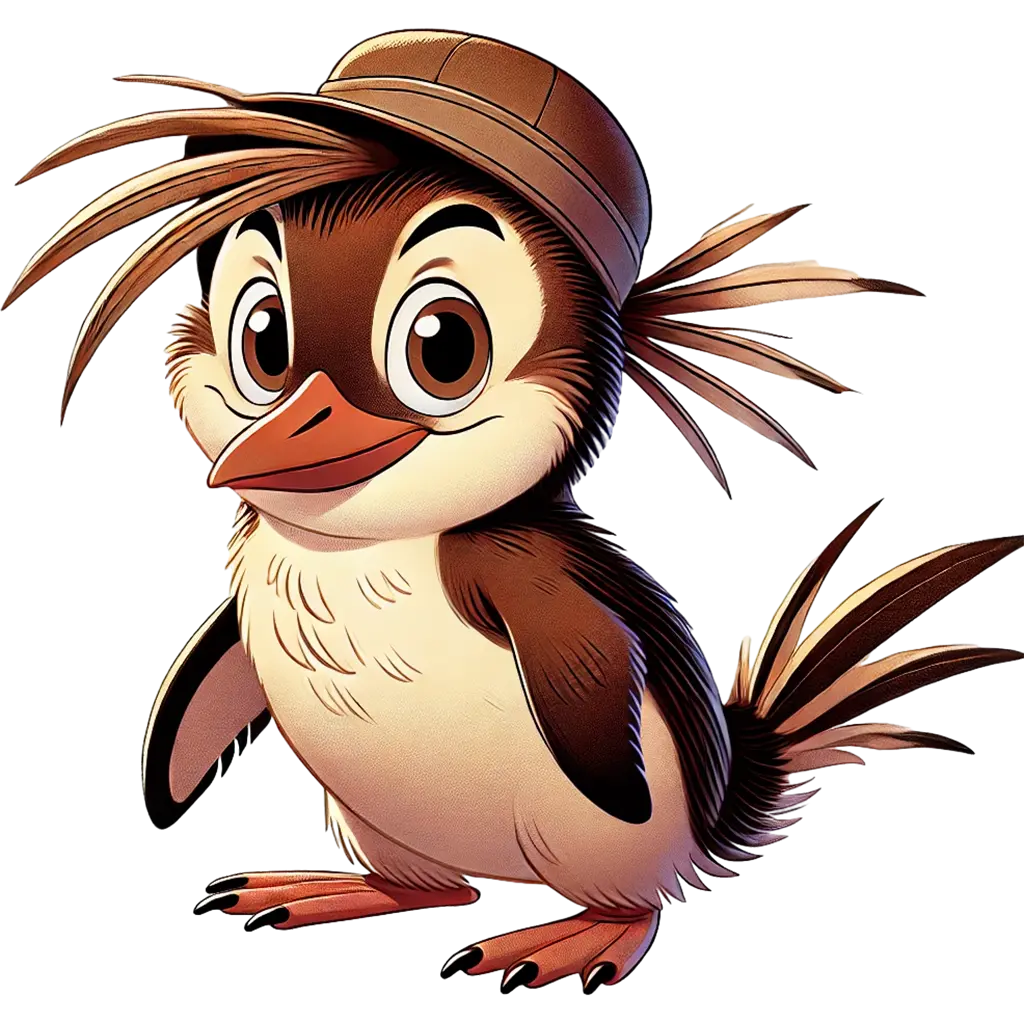
Southern Rockhopper Penguin
Fun Fact
Southern Rockhopper Penguins are known for their distinctive hopping movements across rocky terrain.
These small penguins have striking yellow crests and red eyes. They can dive up to 100 meters deep and often travel long distances to find food. Their unique calls help them recognize mates and chicks in noisy colonies, showcasing strong social bonds.

Download word search puzzles
Word Search Puzzles

Check Out Other Birds
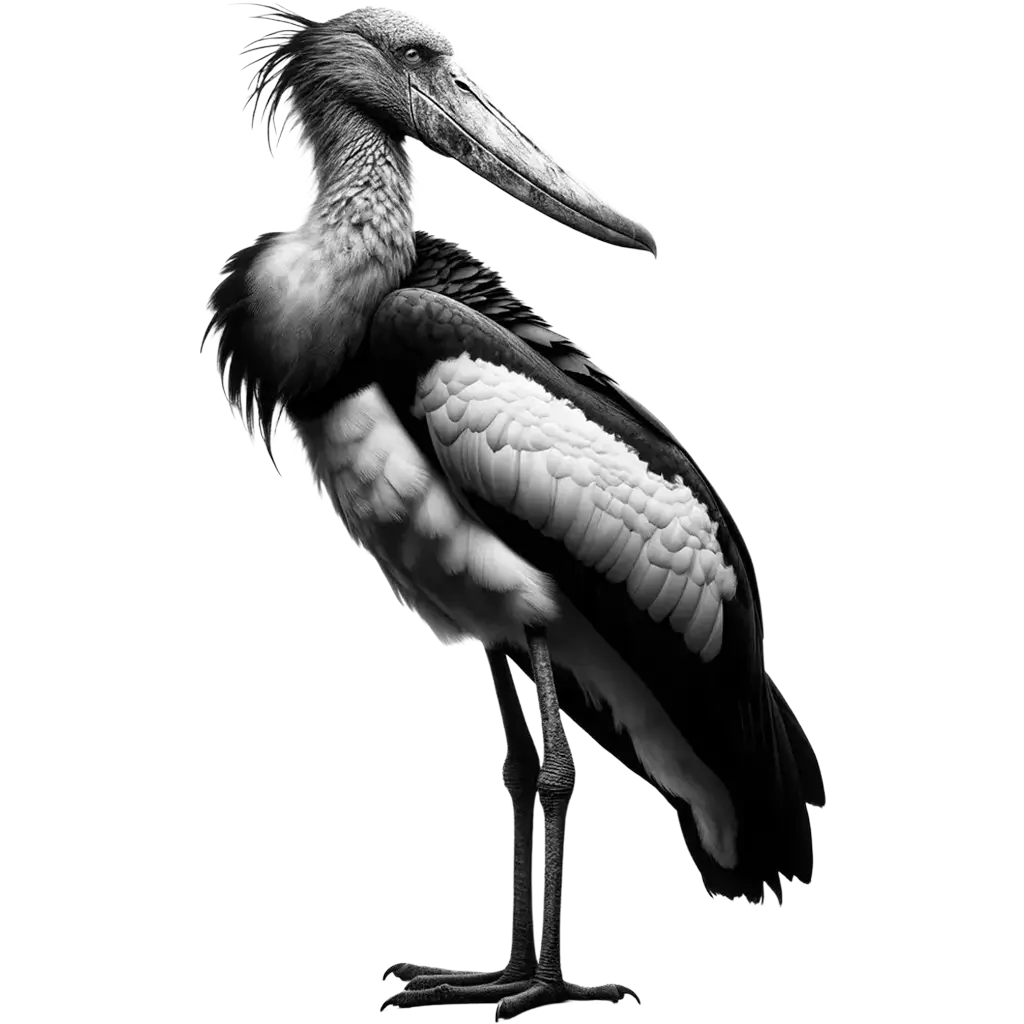
The Greater Adjutant, leptoptilos dubius, is a large stork standing at an impressive height of up to 1.5 meters with a wingspan reaching 2.5 meters. Its appearance is distinctive with a bald head and neck, a heavy bill, and a predominantly dark grey plumage, except for the white underparts. The
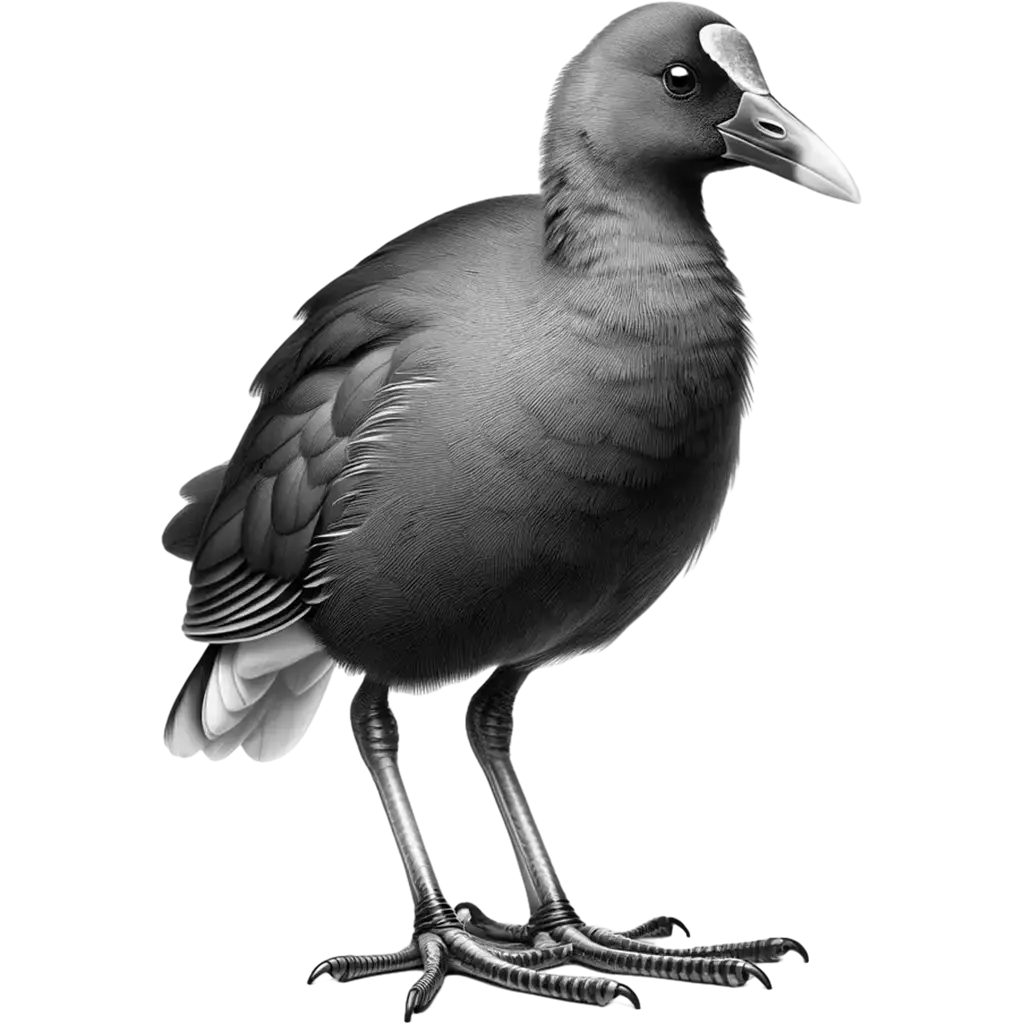
The Western Swamphen, porphyrio porphyrio, is a large, striking waterbird that belongs to the rail family. It is known for its vibrant plumage, predominantly a deep blue-purple with a green back and wings, and a distinctive red bill and frontal shield that make it unmistakable. The bird's legs are long
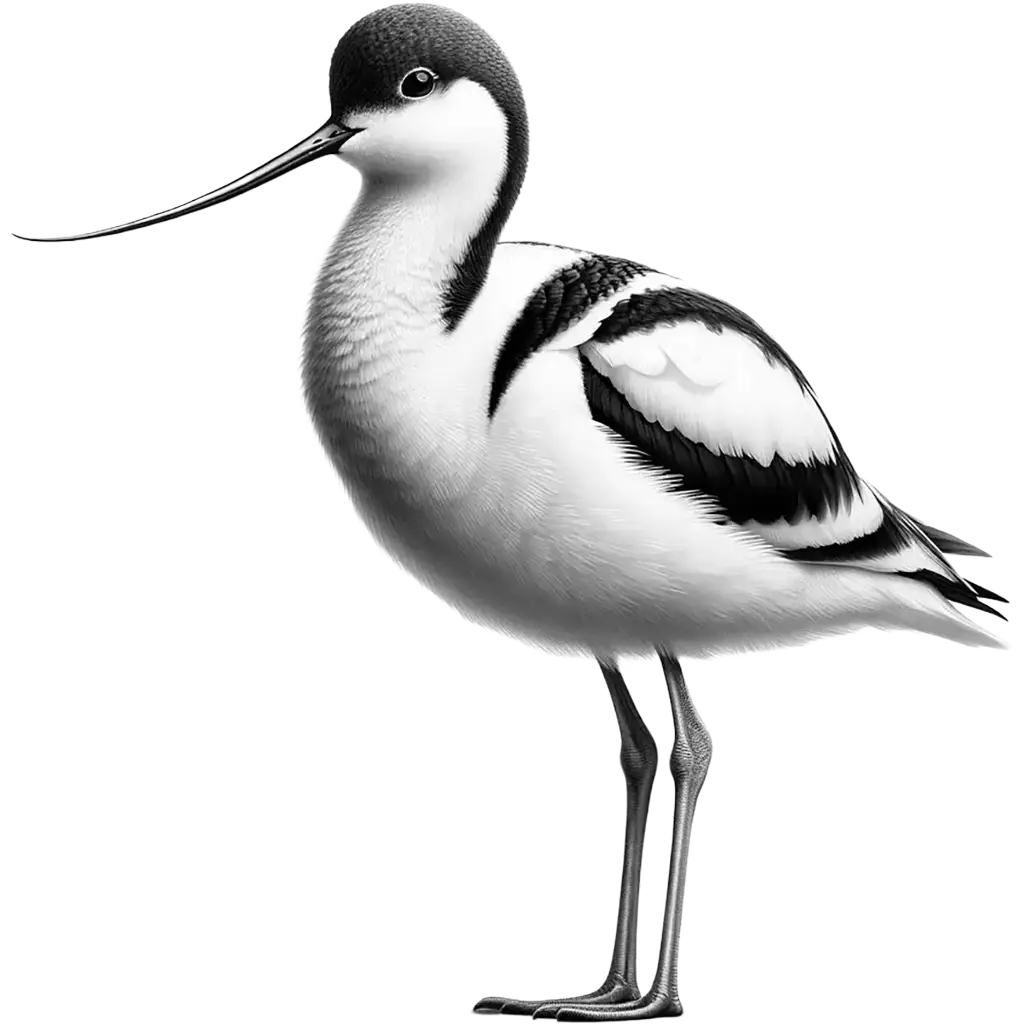
The Pied Avocet, recurvirostra avosetta, is a striking wading bird known for its elegant black and white plumage and distinctive upcurved bill. This bird typically measures about 42 to 45 cm in length, with a wingspan of 77 to 85 cm. Its long, thin legs are a pale blue, complementing

The Killdeer, charadrius vociferus, is a medium-sized plover known for its distinctive 'kill-deer' call from which it gets its name. Measuring approximately 20 to 25 cm in length, with a wingspan of 45 to 50 cm, the Killdeer is easily recognized by its brownish-tan back and white underbelly. A notable