
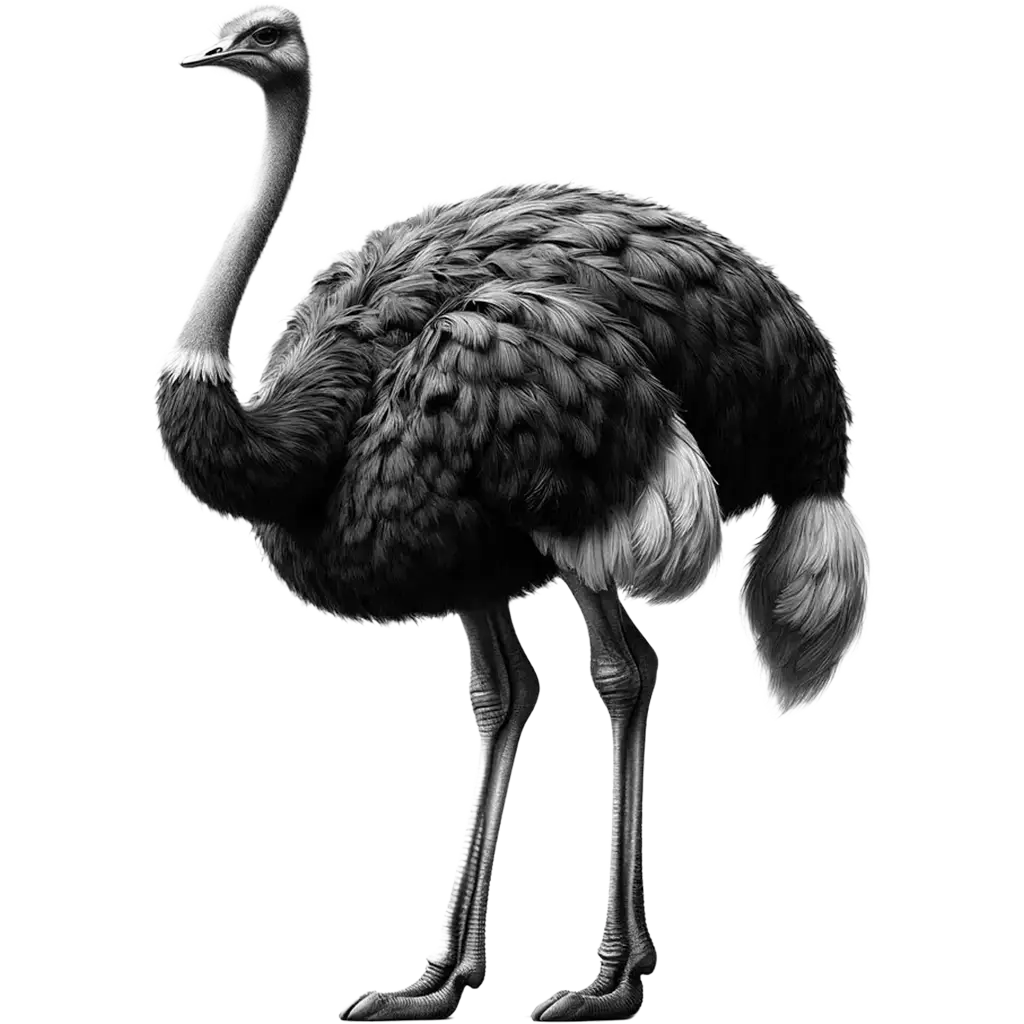
Struthio Camelus Massaicus
Masai Ostrich
Savannas, grasslands, and open woodlands
The Masai Ostrich, struthio camelus massaicus, is the East African subspecies of the common ostrich, distinguished by its unique coloration and size. Males possess a distinctive black and white plumage, with bright pink to red necks and thighs during the breeding season, signaling their readiness to mate. Females and juveniles are more subdued in color, featuring a grey-brown plumage that blends seamlessly with the savannah landscape. Adult males can stand up to 2.8 meters (9 feet) tall and weigh over 150 kg (330 lbs), making them the world's largest birds. Despite being flightless, Masai Ostriches are renowned for their speed, capable of running up to 70 km/h (43 mph) to escape predators.
| Population: | Not specifically quantified; considered to be the most common ostrich subspecies in East Africa |
| Generation Length: | 5-6 years |
| Average Weight: | 100-150 kg |
| Average Length: | Height: 2-3 meters |
| Lifespan: | 30-40 years in the wild |
| Diet: | Varied, including vegetation and small animals |
| Conservation Status: | Least Concern (LC) |
Native to the savannahs and open woodlands of East Africa, the Masai Ostrich thrives in environments that offer ample space to roam and access to water sources. They are highly social birds, often found in mixed herds with other grazing animals, which helps provide protection against predators. Their keen eyesight and towering height give them an excellent vantage point to spot threats from a distance.
The diet of the Masai Ostrich mainly consists of plant material, including grasses, seeds, flowers, and fruits, supplemented with insects and other small invertebrates. This herbivorous diet plays a crucial role in seed dispersal, contributing to the health of their ecosystems. Their ability to go without water for days at a time allows them to survive in arid conditions, although they drink water when it is available.
Reproduction involves elaborate mating rituals, where males perform a captivating dance to attract females. The dominant male in a territory may mate with several females, who lay their eggs in a communal nest dug into the ground. The male and the dominant female then share the responsibility of incubating the eggs, a process that lasts about 42 days.
The population of the Masai Ostrich is currently stable in protected areas but faces threats from habitat loss, hunting for meat, feathers, and leather, and predation. Conservation efforts are focused on habitat preservation, anti-poaching measures, and sustainable management practices to ensure the survival of this magnificent subspecies. The Masai Ostrich not only adds to the biodiversity of East Africa but also attracts eco-tourism, playing a significant role in the region's economy.
Classifications
The Key Attributes
Features
- Movement:
Walking, running
- Territorial Behavior:
Territorial during breeding season
- Speed:
Can reach speeds up to 70 km/h
- Diet:
Omnivore
- Physical Features:
- Large body with a long neck and legs
- Males have black and white plumage, while females are more grayish-brown
- Flightless with strong legs for running
- Large eyes for spotting predators
- Primary Senses:
- Sight
- Hearing
Understanding Habitat and Range
Geography
- Habitat:
Savannas, grasslands, and open woodlands
- Migration Patterns:
Non-migratory, but may roam widely in search of food and water
- Geographical Range:
East Africa, notably in Kenya and Tanzania
- Climate Preferences:
Prefers open, dry climates
Navigating the Wilderness
In the wild
- Predators:
Lions, cheetahs, and hyenas prey on the young and eggs; adults have fewer natural predators
- Prey:
Plants, insects, small vertebrates
- Feeding Behavior:
Feeds on a variety of plant materials like seeds and leaves, as well as insects, lizards, and other small creatures
- Diet:
Varied, including vegetation and small animals
- Defensive Mechanisms:
- Strong legs for kicking in defense
- Speed to outrun predators
- Camouflage with the environment to avoid detection
- Preferred Food Sources:
- Areas with abundant vegetation and access to water sources
Insights Into Reproduction
Mating
- Mating System:
Polygamous
- Number of Offspring:
5-10 eggs per clutch, with communal nesting practices
- Incubation Period:
35-45 days
- Parental Involvement:
- Males and females take turns incubating the eggs
Youngsters Section
Masai Ostrich
Fun Fact
The Masai Ostrich is native to the savannas and open woodlands of East Africa.
Known for its striking pinkish-red neck and legs, it is the fastest bird on land. Capable of sprinting speeds up to 43 mph, the Masai Ostrich uses its powerful legs to escape predators. It also plays a vital role in its ecosystem by dispersing seeds.

Download word search puzzles
Word Search Puzzles
Check Out Other Birds
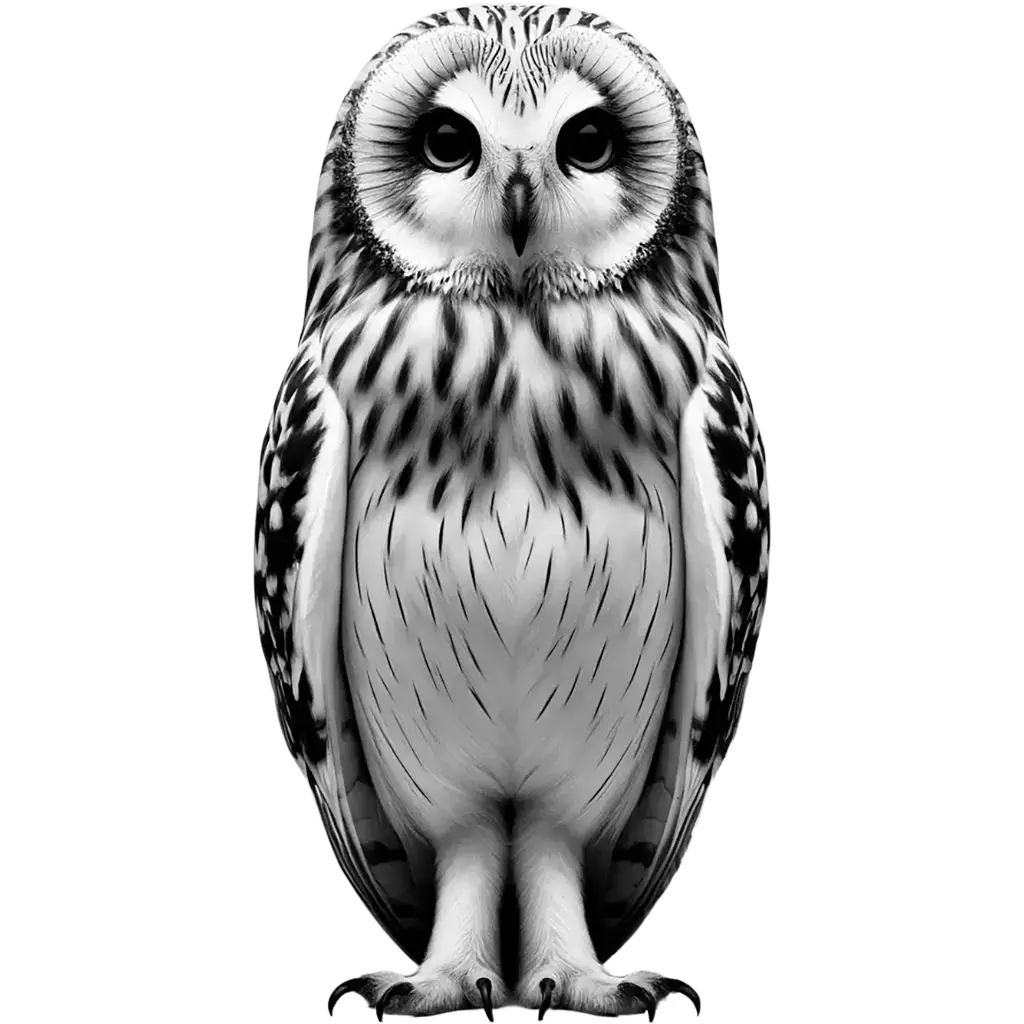
The Short-Eared Owl, asio flammeus, is a medium-sized bird of prey, notable for its widespread distribution across North and South America, Europe, Asia, and parts of Africa. This species is easily identified by its mottled brown and buff plumage, which provides excellent camouflage in its open grassland and marshland habitats.
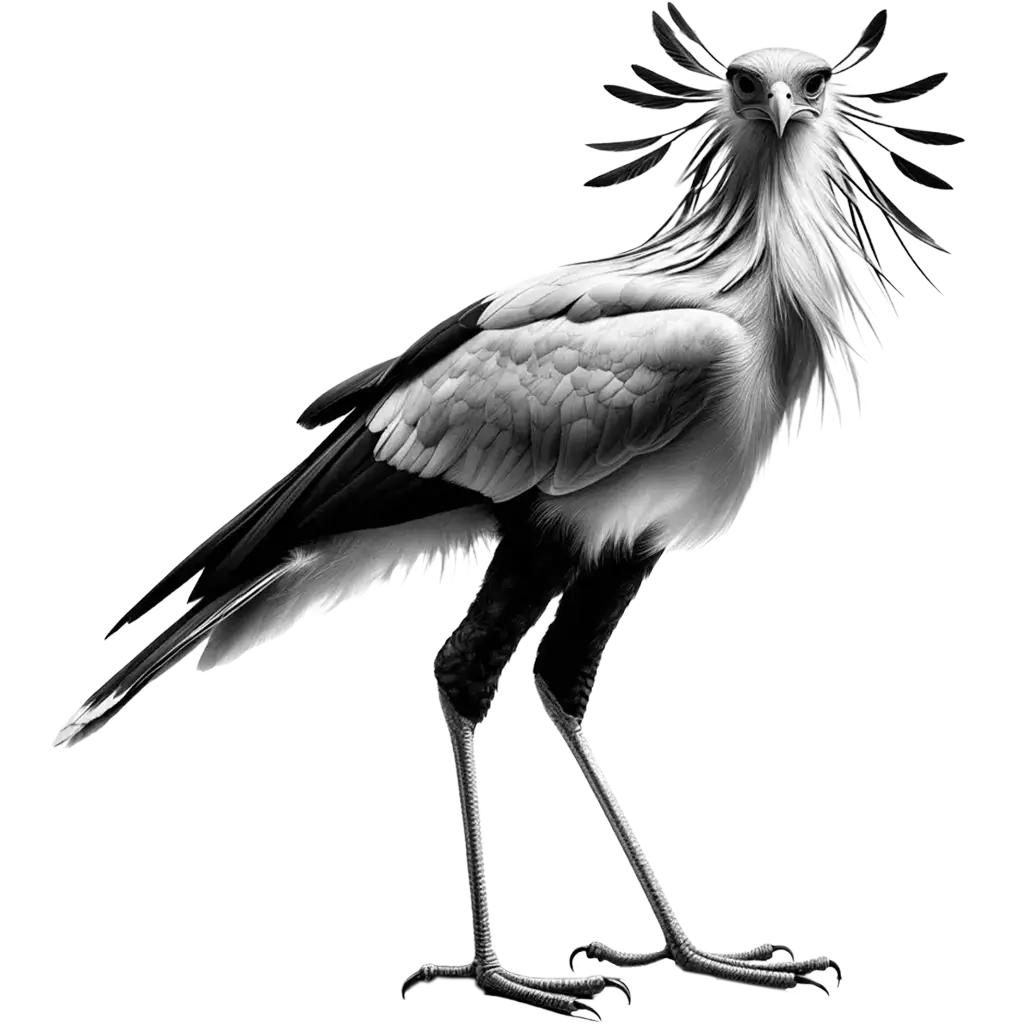
The Secretarybird, sagittarius serpentarius, is a unique bird of prey native to the open grasslands and savannas of Sub-Saharan Africa. This distinctive species stands tall on crane-like legs, reaching up to 1.3 meters in height, with a body length of about 1.4 meters from beak to tail. Its appearance is
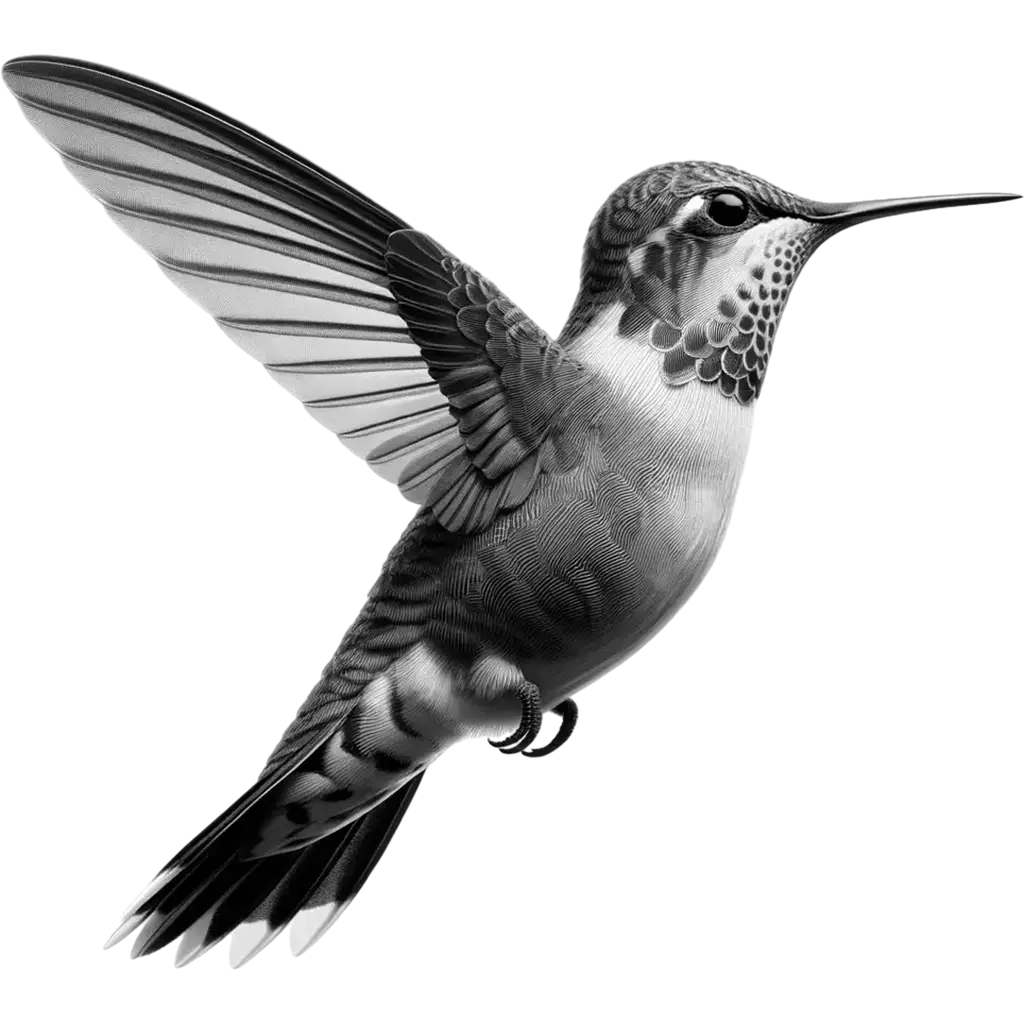
The Talamanca Hummingbird, eugenes spectabilis, is a large and striking bird native to the highlands of Costa Rica and western Panama. This bird boasts a robust body for a hummingbird, measuring up to 13 cm in length, and is renowned for its iridescent plumage. Males display a vibrant green back
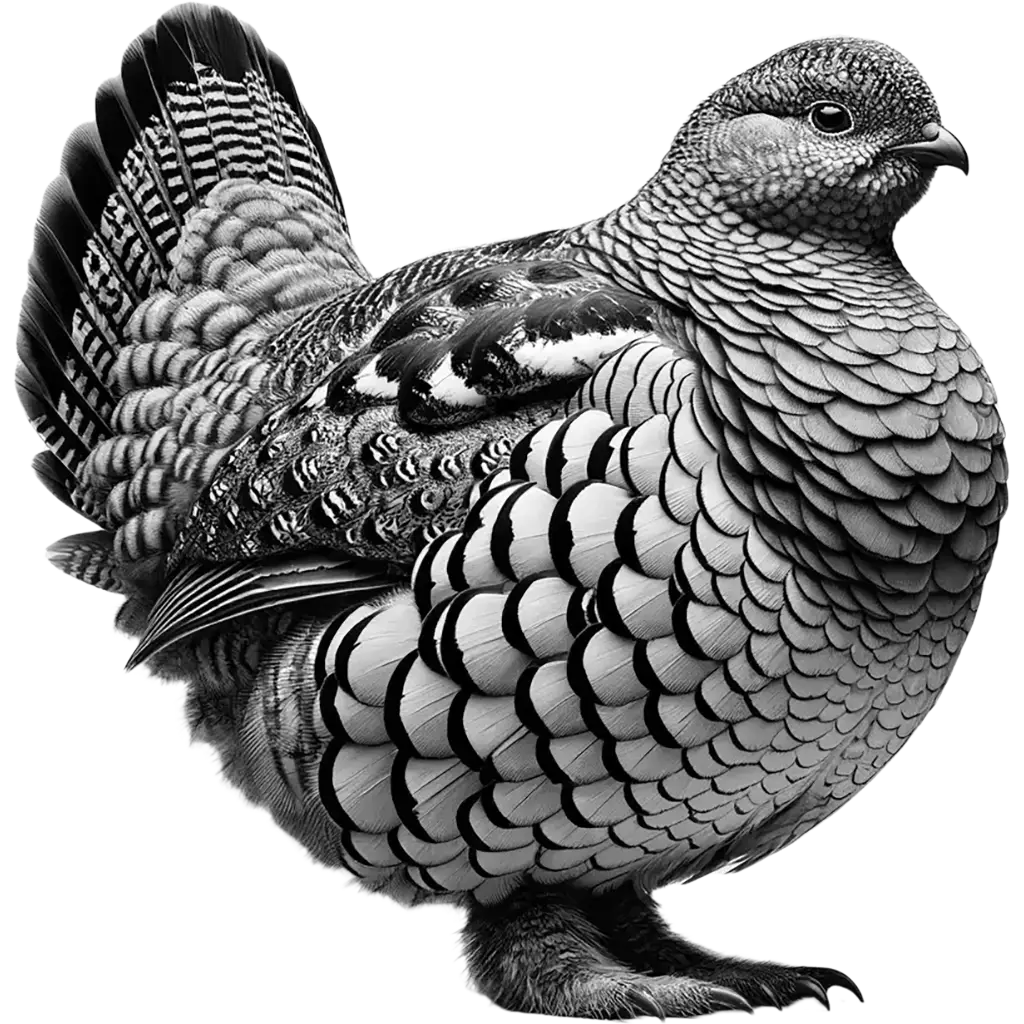
The Ruffed Grouse, bonasa umbellus, is a medium-sized bird native to North America, known for its camouflaged plumage and the distinctive ruff of feathers around its neck, which gives the species its common name. Males and females have a mottled brown, black, and white appearance that allows them to blend