
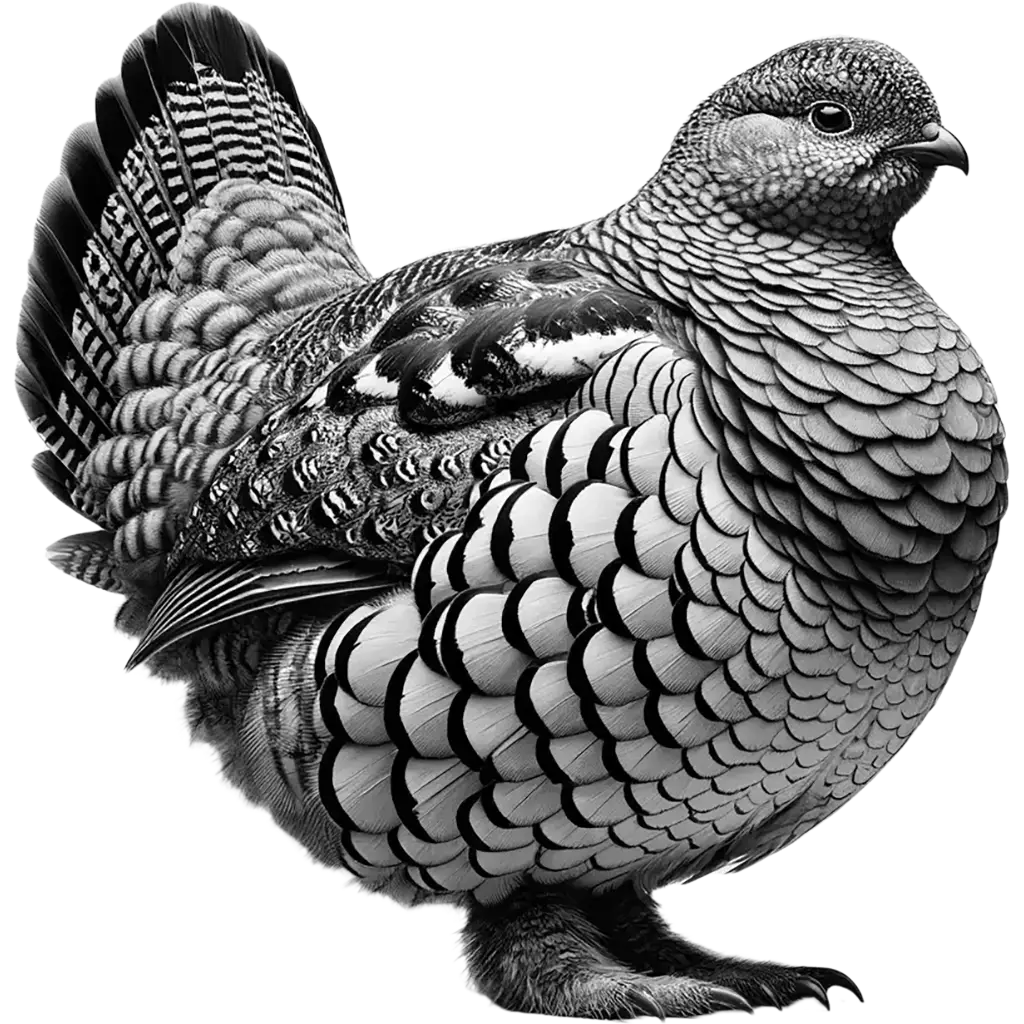
Bonasa Umbellus
Ruffed Grouse
Deciduous and mixed forests, particularly with thick underbrush
The Ruffed Grouse, bonasa umbellus, is a medium-sized bird native to North America, known for its camouflaged plumage and the distinctive ruff of feathers around its neck, which gives the species its common name. Males and females have a mottled brown, black, and white appearance that allows them to blend seamlessly into their woodland habitats. This bird measures approximately 40 to 50 cm in length, including a short, fan-shaped tail that features a dark band near the end. The Ruffed Grouse is celebrated for its drumming display, a deep, thumping sound created by the male as it beats its wings in the air, which serves as a call to females and a territorial signal to other males.
| Population: | Listed as Least Concern, but local populations can be sensitive to habitat changes |
| Generation Length: | 3 years |
| Average Weight: | 500-750 grams |
| Average Length: | 40-50 cm |
| Lifespan: | 5-8 years in the wild |
| Diet: | Varies with availability; includes vegetation in summer and buds, twigs in winter |
| Conservation Status: | Least Concern (LC) |
Inhabiting deciduous and mixed forests across Canada and the northern United States, the Ruffed Grouse is adapted to cold climates, with dense plumage and feathered legs that act as snowshoes in winter. They are non-migratory, relying on the diverse forest ecosystem for food and shelter throughout the year. The birds are ground dwellers, foraging for buds, leaves, berries, and insects, though they can take flight with rapid, powerful wingbeats when startled.
The diet of the Ruffed Grouse is notably varied, changing with the seasons. In the spring and summer, it includes a mix of green leaves, insects, and berries, shifting to buds and twigs of trees such as aspen and birch in the colder months. This adaptability in feeding habits helps the Ruffed Grouse survive in its forested environment, where food availability fluctuates.
Reproduction for the Ruffed Grouse begins in the spring, when males establish territories and perform their characteristic drumming to attract mates. Nests are simple depressions on the ground, usually at the base of a tree or bush, where the female lays a clutch of 8 to 14 eggs. She alone incubates the eggs and cares for the precocial chicks after they hatch.
The population of the Ruffed Grouse fluctuates naturally over a 10-year cycle, influenced by habitat conditions, predation, and disease. While not currently considered endangered, habitat loss and fragmentation pose significant threats to their numbers in some areas. Conservation efforts focus on maintaining and restoring forest habitats to support healthy populations of this iconic game bird.
Classifications
The Key Attributes
Features
- Movement:
Walking, flying
- Territorial Behavior:
Solitary or in small family groups
- Speed:
Capable of short, rapid bursts of flight
- Diet:
Omnivore
- Physical Features:
- Plumage mottled with shades of brown, grey, and black for camouflage
- Fan-shaped tail with distinctive black bands
- Crest on the head that can be raised or flattened
- Strong, short wings adapted for quick takeoffs
- Primary Senses:
- Sight
- Hearing
Understanding Habitat and Range
Geography
- Habitat:
Deciduous and mixed forests, particularly with thick underbrush
- Migration Patterns:
Sedentary, with limited movements within their home range
- Geographical Range:
North America, mainly in the United States and Canada
- Climate Preferences:
Temperate forest environments
Navigating the Wilderness
In the wild
- Predators:
Foxes, hawks, owls, and humans
- Prey:
Buds, leaves, berries, seeds, and insects
- Feeding Behavior:
Feeds on a mix of leaves, fruits, seeds, and insects, with diet varying by season
- Diet:
Varies with availability; includes vegetation in summer and buds, twigs in winter
- Defensive Mechanisms:
- Camouflage plumage to blend with the forest floor
- Bursts of flight to escape predators
- Preferred Food Sources:
- Diverse forest understory with ample vegetation and insect life
Insights Into Reproduction
Mating
- Mating System:
Polygynous
- Number of Offspring:
8-14 eggs
- Incubation Period:
23-24 days
- Parental Involvement:
- Females are solely responsible for nesting and raising the young
Youngsters Section
Ruffed Grouse
Fun Fact
Ruffed Grouse can create drumming sounds using their wings. This unique sound helps establish territory.
The drumming is produced by rapidly beating their wings, creating an air vacuum. This sound can be heard over long distances in the forest. It's mainly males who drum, especially during the breeding season, to attract females and warn off rivals.

Download word search puzzles
Word Search Puzzles
Check Out Other Birds
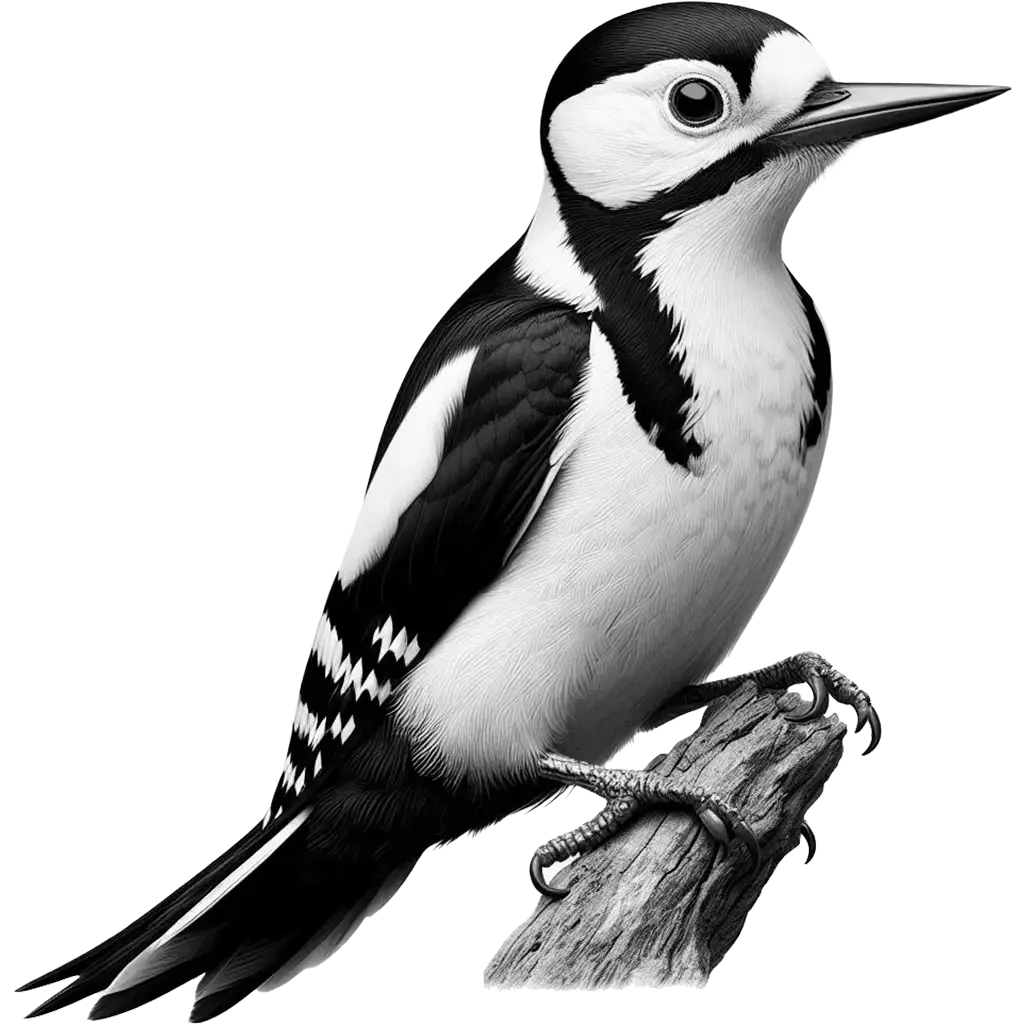
The European Green Woodpecker, picus viridis, is a large, vibrant bird native to the broadleaf forests across Europe and parts of western Asia. This species is distinguished by its bright green plumage, contrasting with a red crown in males and a black moustachial stripe, which is red in males and

The Arctic Tern, sterna paradisaea, is a remarkable bird known for its extraordinary migratory journey, the longest of any animal in the world, covering distances of up to 90,000 kilometers annually from its breeding grounds in the Arctic to its wintering grounds in the Antarctic and back. This slender bird

The Golden Eagle, aquila chrysaetos, is one of the most powerful birds of prey in the Northern Hemisphere, admired for its strength, speed, and majestic beauty. Adults typically exhibit a wingspan ranging from 1.8 to 2.3 meters (6 to 7.5 feet), making them formidable hunters in their natural habitats. The
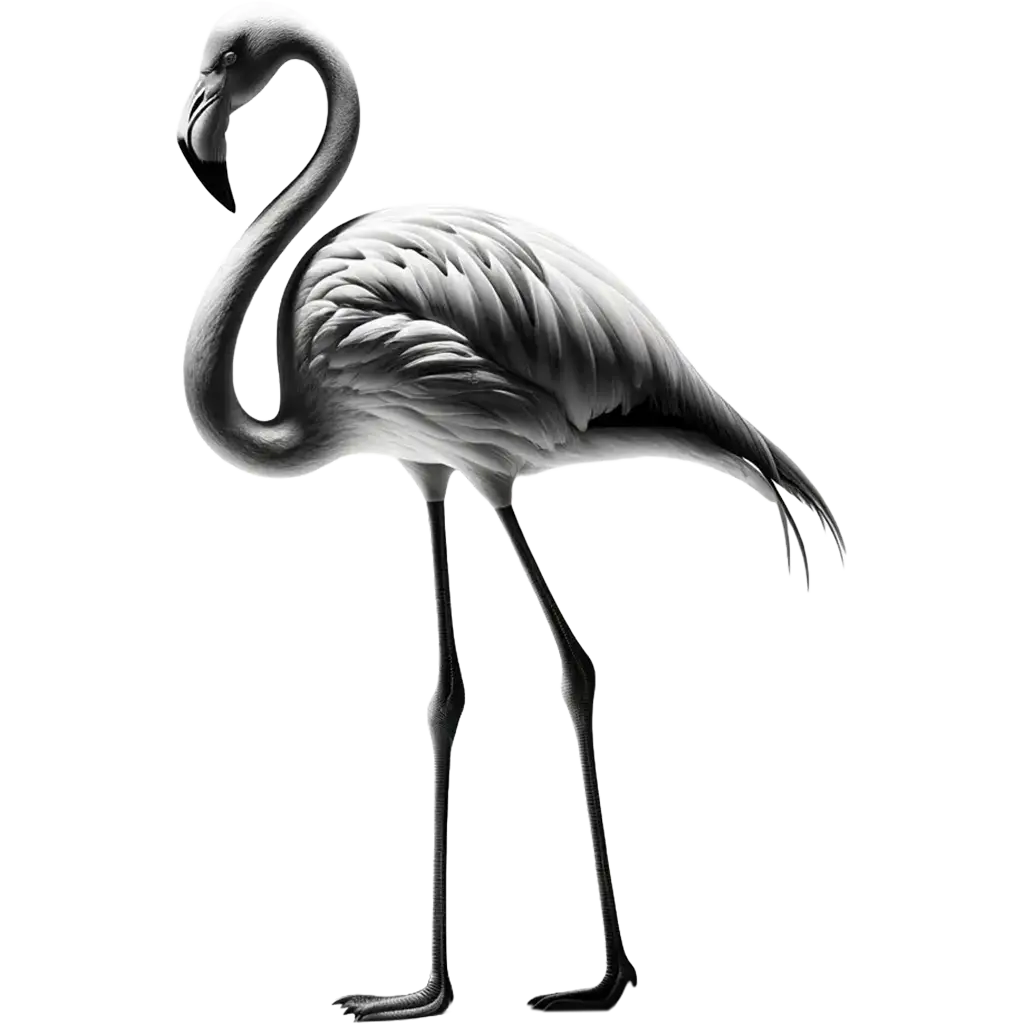
The American Flamingo, phoenicopterus ruber, is a vibrant bird known for its striking pink feathers, long, lean legs, and distinctive downward-bending beak. This species stands tall, reaching heights of up to 1.2 to 1.45 meters. The intensity of their pink coloration, which ranges from light pink to a more intense