
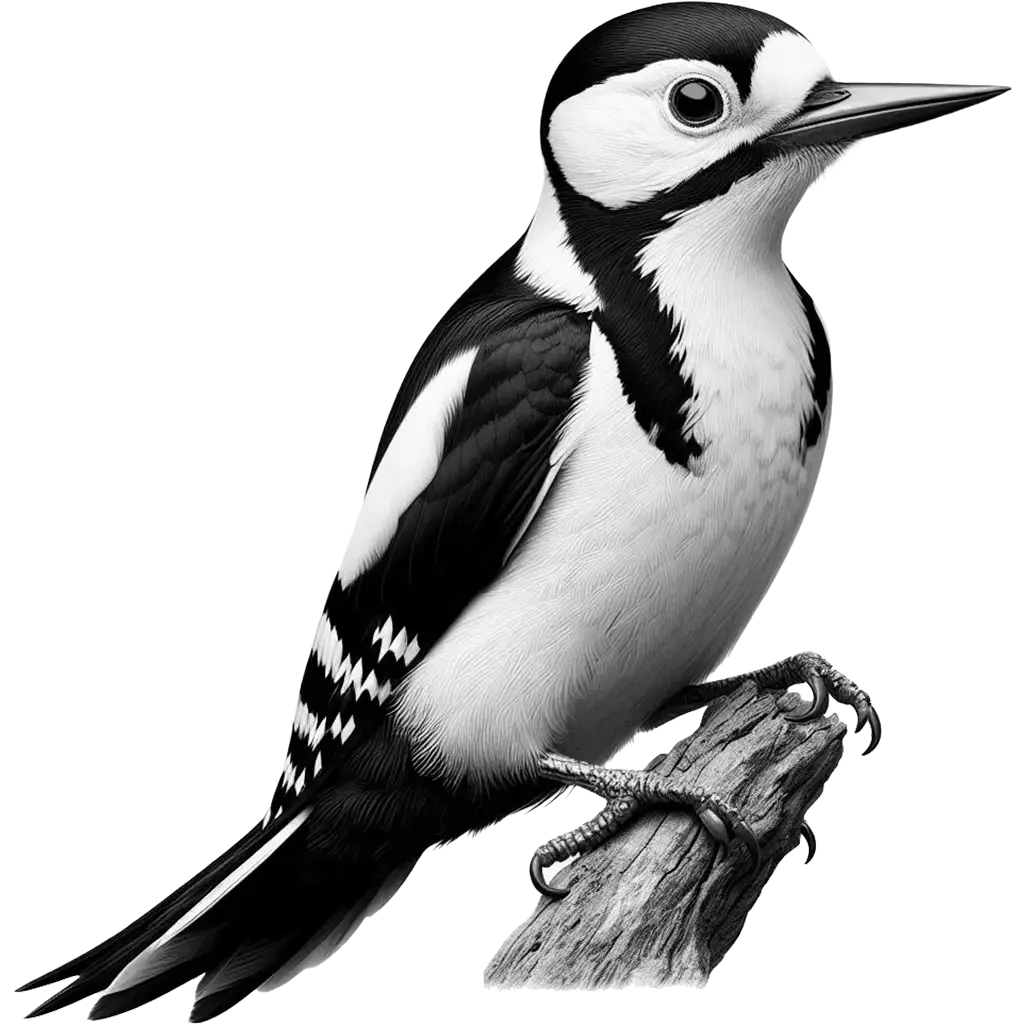
Picus Viridis
European Green Woodpecker
Deciduous and mixed woodlands, parks, and large gardens
The European Green Woodpecker, picus viridis, is a large, vibrant bird native to the broadleaf forests across Europe and parts of western Asia. This species is distinguished by its bright green plumage, contrasting with a red crown in males and a black moustachial stripe, which is red in males and black in females. Adults typically measure between 30 to 36 centimeters (12 to 14 inches) in length, making them one of the largest woodpecker species within their range. Their robust, chisel-like beaks are well adapted for pecking into the bark of trees, although they spend a significant amount of time foraging on the ground.
| Population: | Not precisely quantified, but considered to be stable across much of its range |
| Generation Length: | 4-5 years |
| Average Weight: | 150-200 grams |
| Average Length: | 30-36 cm |
| Lifespan: | Up to 10-11 years in the wild |
| Diet: | Primarily ants and their larvae, supplemented with other insects and some plant material |
| Conservation Status: | Least Concern (LC) |
The European Green Woodpecker's preferred habitats include deciduous forests, orchards, parks, and large gardens, where mature trees provide ample foraging opportunities and nesting sites. They are particularly fond of areas with plentiful ant populations, as ants and their larvae make up a substantial part of their diet. This woodpecker species is known for its distinctive 'laughing' call, which can often be heard echoing through their woodland habitats.
Their diet primarily consists of ants and their larvae, which they extract from the ground using their long, sticky tongues. This specialized feeding behavior makes them important controllers of ant populations in their ecosystems. Unlike many woodpecker species, the European Green Woodpecker rarely drums on trees. Instead, it communicates through a variety of calls and uses tree cavities only for nesting.
Reproduction for the European Green Woodpecker involves monogamous pairs that excavate a new nesting hole in a tree trunk each breeding season. Females typically lay 4 to 6 eggs, which are incubated by both parents. The chicks are altricial, relying on their parents for feeding and protection until they fledge approximately 20 to 24 days after hatching.
The European Green Woodpecker is classified as Least Concern by the IUCN, reflecting its stable population and wide distribution. However, like many woodland species, it faces threats from deforestation, habitat fragmentation, and changes in land use that reduce available foraging and nesting sites. Conservation efforts aimed at preserving mature woodland habitats and promoting sustainable forestry practices are vital for ensuring the continued health of European Green Woodpecker populations.
Classifications
The Key Attributes
Features
- Movement:
Flight, hopping on ground
- Territorial Behavior:
Territorial, especially during breeding season
- Speed:
Not specifically quantified; capable of short, undulating flight
- Diet:
Omnivore
- Physical Features:
- Bright green plumage
- Yellowish rump and red crown (male) or black crown (female)
- Strong, chisel-like bill for extracting insect prey
- Short legs
- Primary Senses:
- Sight
- Hearing
Understanding Habitat and Range
Geography
- Habitat:
Deciduous and mixed woodlands, parks, and large gardens
- Migration Patterns:
Largely sedentary, with some northern populations moving south for winter
- Geographical Range:
Widespread across Europe and parts of western Asia
- Climate Preferences:
Temperate
Navigating the Wilderness
In the wild
- Predators:
Birds of prey, cats
- Prey:
Ants, insect larvae, small invertebrates
- Feeding Behavior:
Feeds primarily on ants and their larvae on the ground, also eats other insects, seeds, and fruit
- Diet:
Primarily ants and their larvae, supplemented with other insects and some plant material
- Defensive Mechanisms:
- Camouflage
- Flight to escape predators
- Preferred Food Sources:
- Ants and their larvae
- Other insects
Insights Into Reproduction
Mating
- Mating System:
Monogamous
- Number of Offspring:
4-6 eggs
- Incubation Period:
About 14-18 days
- Parental Involvement:
- Both parents share in incubating the eggs and feeding the chicks
Youngsters Section
European Green Woodpecker
Fun Fact
The European Green Woodpecker spends most of its time on the ground, unlike other woodpeckers.
This bird is particularly fond of ants, which make up a significant part of its diet. It uses its long, sticky tongue to extract ants from their nests. Its loud, laughing call is often heard in open woodlands and parks across Europe.

Download word search puzzles
Word Search Puzzles


Check Out Other Birds
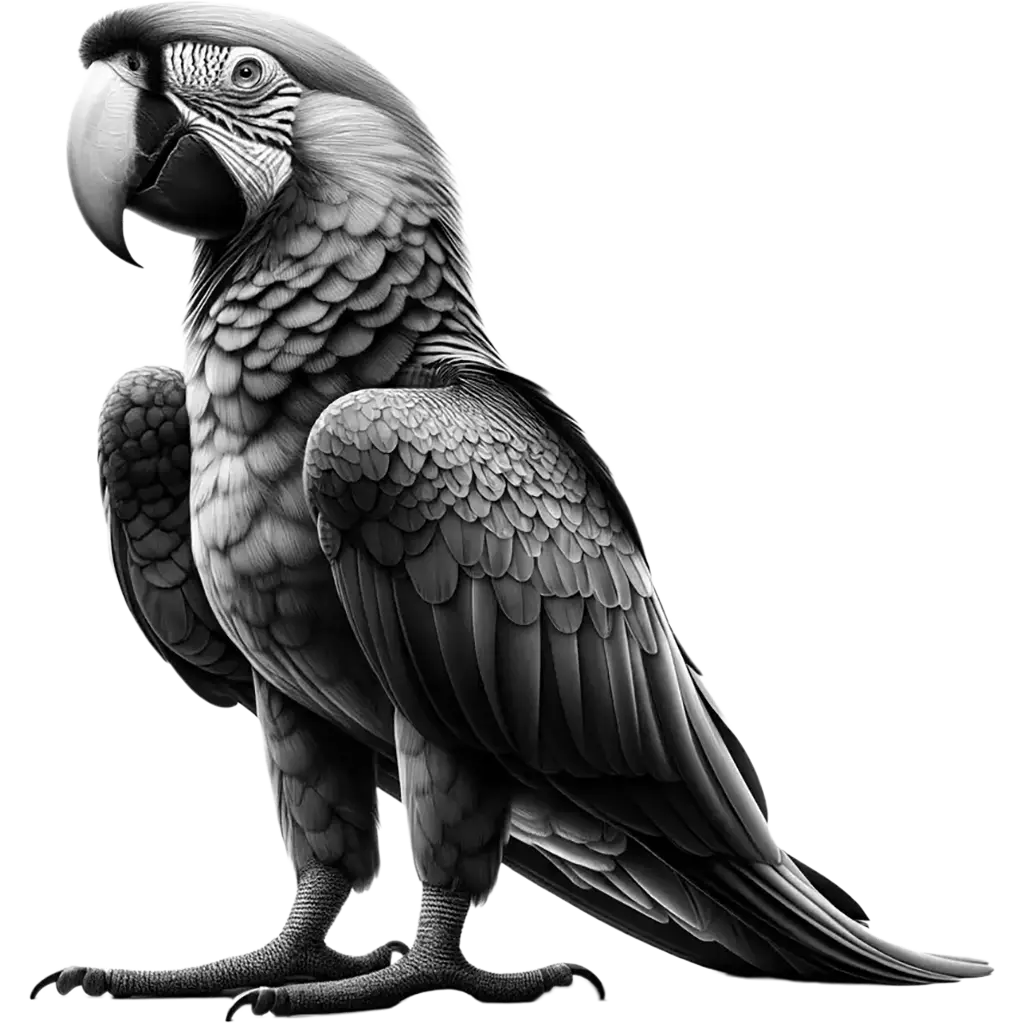
The Scarlet Macaw, ara macao, is a large, brightly colored parrot native to humid evergreen forests in Central and South America. This striking bird can reach up to 81 cm in length, including its long, pointed tail, and weighs about 1 kg. Its vibrant plumage is primarily scarlet, with blue
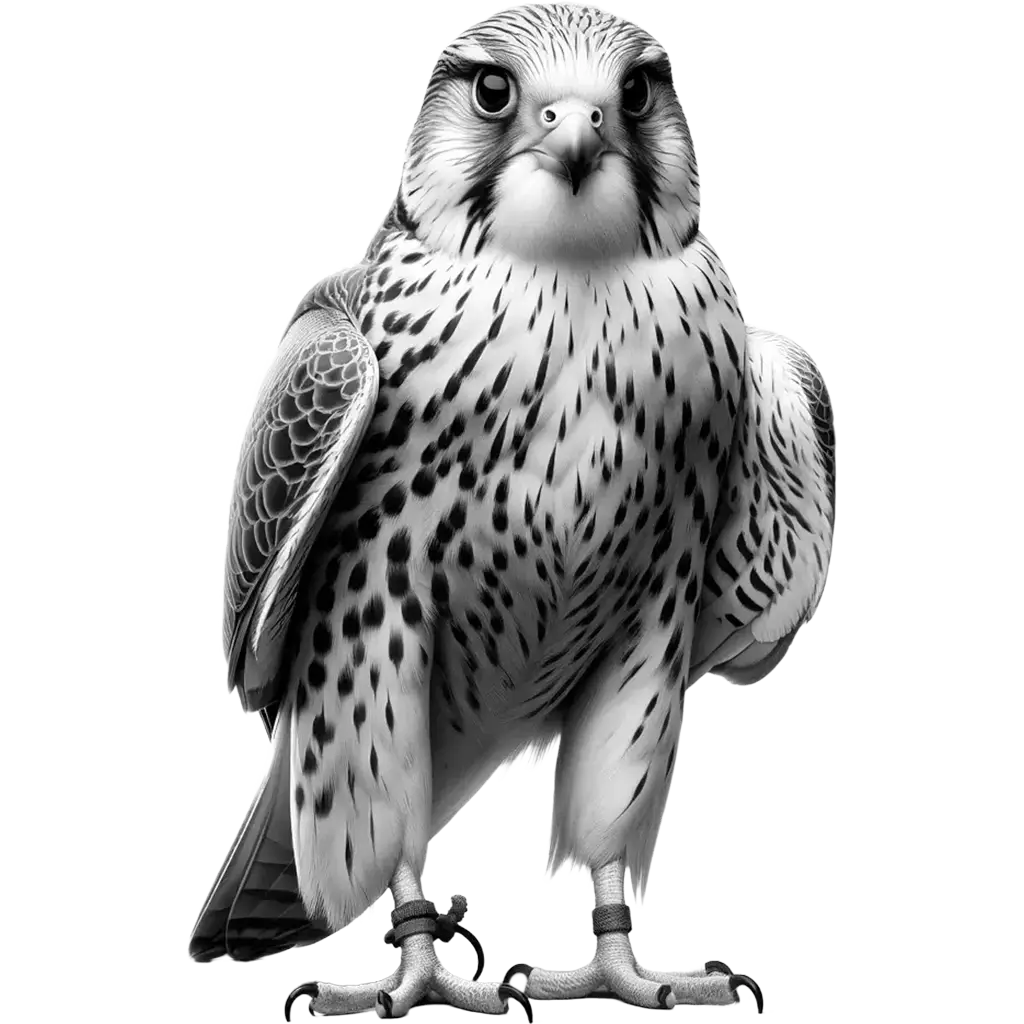
The Saker Falcon, falco cherrug, is a large, powerful bird of prey, renowned for its speed and agility in flight. It is one of the largest falcons, with adults typically measuring 47 to 55 cm in length and boasting a wingspan of 105 to 129 cm. The Saker Falcon's plumage
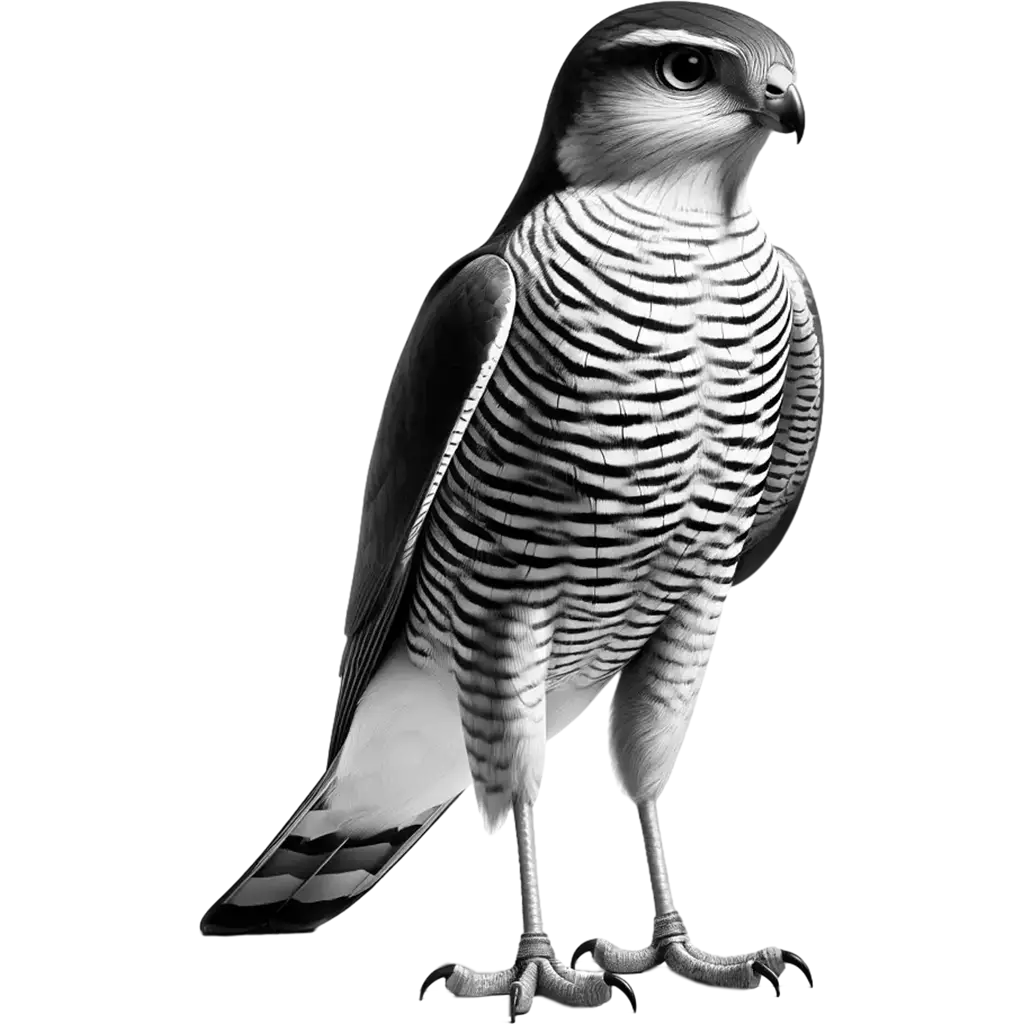
The Chestnut-Flanked Sparrowhawk, accipiter castanilius, is a small, elusive bird of prey found in the dense forests of West and Central Africa. This raptor is notable for its striking appearance, with adult males displaying a distinctive chestnut color on their flanks, contrasting with their slate-gray back and wings. The underparts
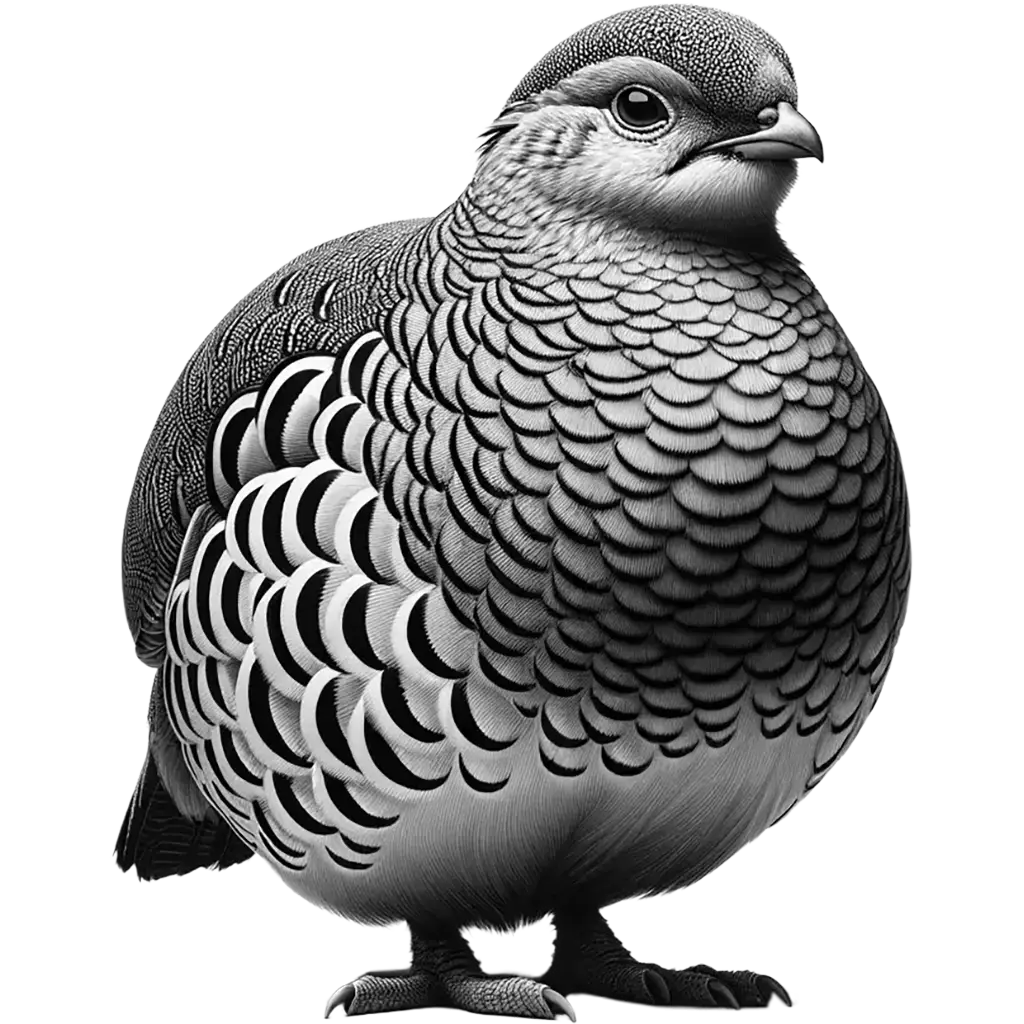
The Barbary Partridge, alectoris barbara, is a game bird native to North Africa, with a distinctive presence in the rugged, mountainous regions of Morocco, Algeria, Tunisia, and Gibraltar. It is recognized by its striking plumage, which features a combination of gray, brown, and chestnut, allowing it to blend seamlessly into