

Callonetta Leucophrys
Ringed Teal
Freshwater wetlands, marshes, and shallow lakes
The Ringed Teal is a striking waterfowl with a mottled plumage of browns and grays, accented by a pale ring around the eye. Its slender body, elongated neck, and broad wings combine to create a balanced, elegant appearance. The moderate fork in its tail and subtle iridescence of its feathers add a touch of refinement, enabling it to blend seamlessly into the watery habitats it frequents.
| Population: | Not currently threatened; generally common in suitable wetlands |
| Generation Length: | 2-3 years |
| Average Weight: | 250-400 grams |
| Average Length: | Approximately 38-41 cm |
| Lifespan: | Approximately 5-8 years in the wild |
| Diet: | Omnivorous, with seasonal variation in food choice |
| Conservation Status: | Least Concern (LC) |
In its natural wetlands, the Ringed Teal exhibits active, social behavior, often seen flying in loose, synchronized flocks. It is diurnal, engaging in daily routines of foraging along the water's edge and resting among reeds. This species displays remarkable adaptability to varied freshwater environments, from marshes to shallow lakes, and undertakes seasonal migrations in response to water availability and climatic conditions. Its flight is agile and purposeful, enabling it to evade predators and navigate through complex wetland landscapes.
The diet of the Ringed Teal is diverse, comprising aquatic invertebrates, small fish, seeds, and various forms of aquatic vegetation. It forages methodically, dabbling in shallow water to extract food, and shifts its dietary focus with seasonal changes. This balanced intake of animal protein and plant matter ensures robust energy reserves for migration and reproduction, while also playing a critical role in maintaining the ecological balance of its wetland habitat.
During the breeding season, Ringed Teals form loose pair bonds marked by elaborate courtship flights and mutual preening. Males and females engage in synchronized displays to attract mates, followed by the laying of 6-12 eggs in a secure nest near water. Both parents share incubation and rearing duties, ensuring the successful hatching and early survival of the offspring.
Globally, the Ringed Teal is considered stable, with healthy populations in many wetlands. However, localized declines due to habitat loss, pollution, and human disturbance highlight the need for ongoing conservation efforts. Continued monitoring and habitat protection remain essential to preserve this adaptable species for future generations.
Classifications
The Key Attributes
Features
- Movement:
Strong flier with agile, synchronized flight patterns
- Territorial Behavior:
Non-territorial; often seen in loose flocks
- Speed:
Not specified
- Diet:
Omnivore
- Physical Features:
- Mottled plumage of browns and grays with subtle iridescence
- Distinctive facial markings including a pale ring around the eye
- Slender body with elongated neck
- Broad wings and a moderately forked tail
- Primary Senses:
- Sight
- Hearing
Understanding Habitat and Range
Geography
- Habitat:
Freshwater wetlands, marshes, and shallow lakes
- Migration Patterns:
Seasonal migrant in parts of its range
- Geographical Range:
Found across parts of South America, notably in river basins and marshy lowlands
- Climate Preferences:
Tropical to subtropical; prefers warm, clear waters
Navigating the Wilderness
In the wild
- Predators:
Large birds of prey and terrestrial mammals near wetlands
- Prey:
Aquatic invertebrates, small fish, seeds, and aquatic vegetation
- Feeding Behavior:
Forages at water's edge and in shallow waters
- Diet:
Omnivorous, with seasonal variation in food choice
- Defensive Mechanisms:
- Rapid, agile flight to escape predators
- Camouflage among reeds and riparian vegetation
- Preferred Food Sources:
- Aquatic invertebrates
- Seeds
- Plant material
Insights Into Reproduction
Mating
- Mating System:
Seasonal breeder with loose pair bonds
- Number of Offspring:
Typically 6-12 eggs per clutch
- Incubation Period:
Eggs hatch in about 21-28 days
- Parental Involvement:
- Both parents share responsibilities in incubation and rearing
Youngsters Section
Ringed Teal
Fun Fact
Ringed Teals are known for their synchronized, graceful flight and striking plumage that helps them blend with watery landscapes.
Their unique courtship rituals and seasonal migrations make them a fascinating subject for bird watchers and researchers alike. Observing a flock of Ringed Teals in flight is a mesmerizing display of nature's choreography, illustrating the species' adaptability and resilience in diverse aquatic environments.

Download word search puzzles
Word Search Puzzles


Check Out Other Birds
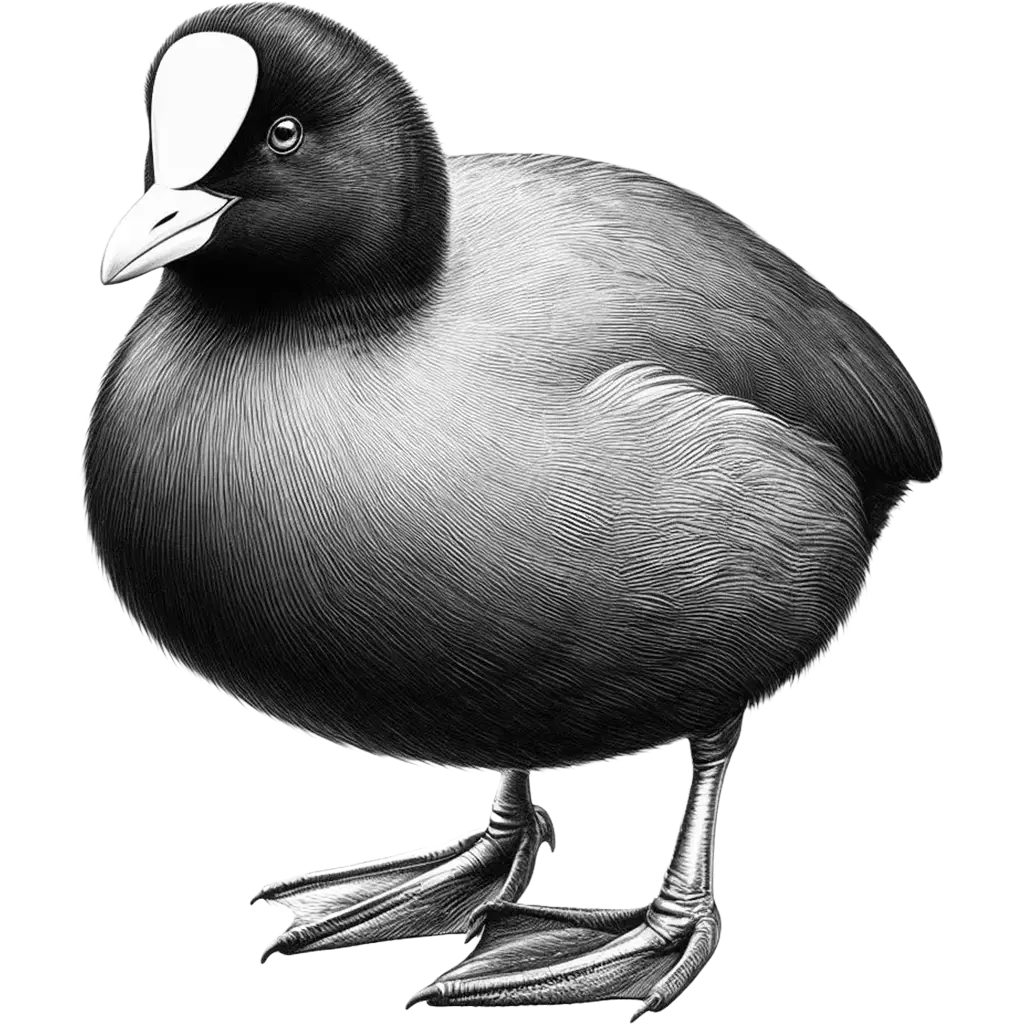
The Eurasian Coot, fulica atra, is a widespread waterbird known for its distinctive all-black plumage and stark white bill and forehead shield. Common across Europe, Asia, Australia, and parts of Africa, this medium-sized bird measures about 32 to 42 centimeters in length and weighs approximately 600 to 900 grams. The

The Eurasian Wryneck, jynx torquilla, is a small, distinctive bird known for its ability to twist its neck almost 180 degrees, a feature that gives it its common name. Measuring 16 to 17 cm in length and weighing approximately 20 to 30 grams, the wryneck has a streaked brown and
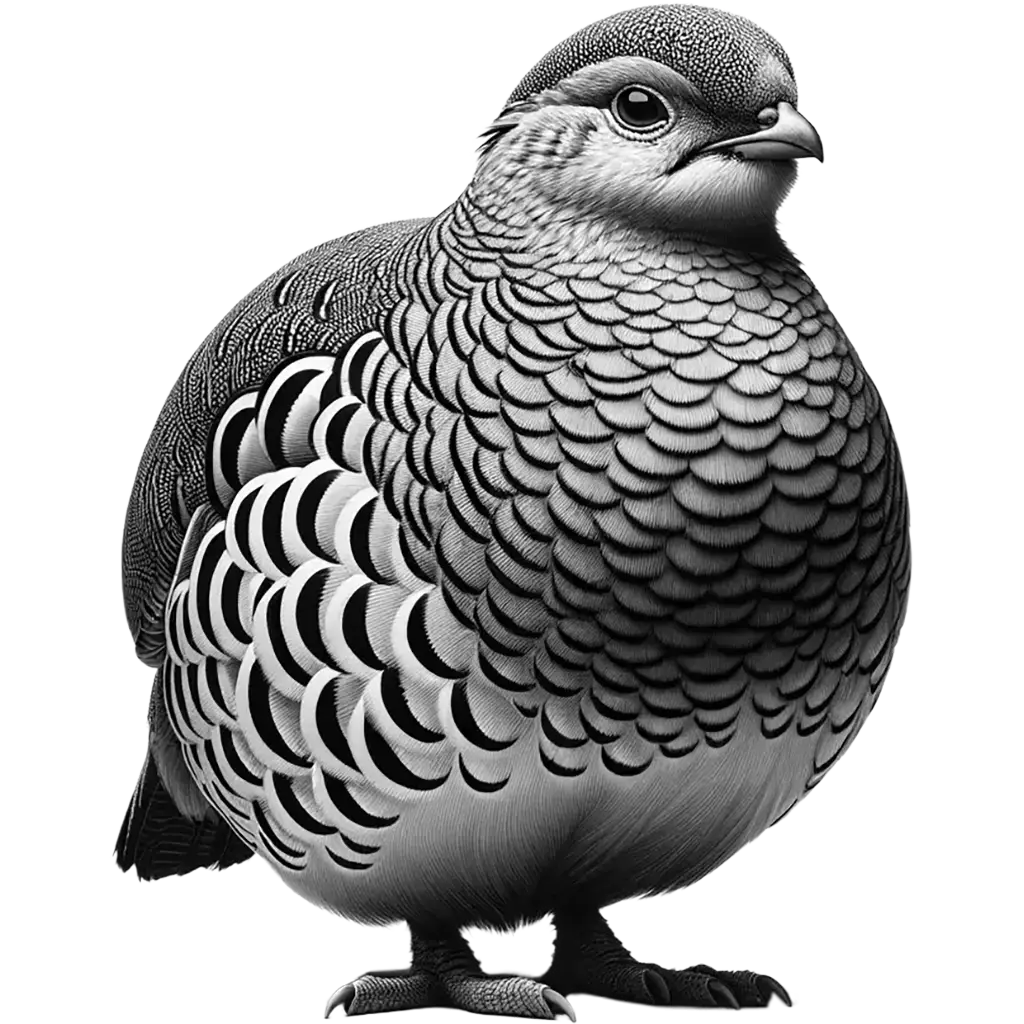
The Barbary Partridge, alectoris barbara, is a game bird native to North Africa, with a distinctive presence in the rugged, mountainous regions of Morocco, Algeria, Tunisia, and Gibraltar. It is recognized by its striking plumage, which features a combination of gray, brown, and chestnut, allowing it to blend seamlessly into

The Eurasian Hoopoe, upupa epops, is a distinctive bird known for its unique 'crown' of feathers, striking black and white wings, and long, tapered bill. Found across Europe, Asia, and North Africa, the hoopoe is a medium-sized bird, measuring about 25 to 32 centimeters in length, with a wingspan of