
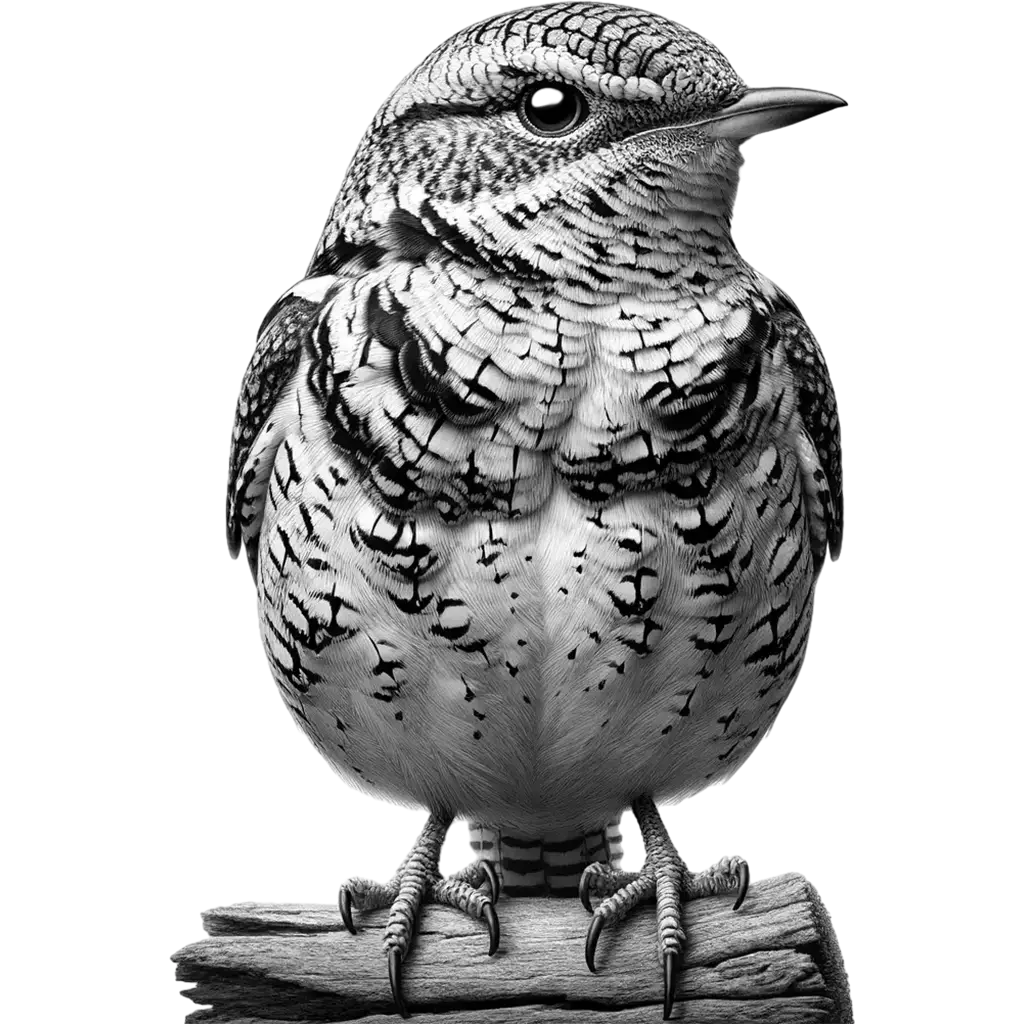
Jynx Torquilla
Eurasian Wryneck
Open woodlands, parks, and gardens with old trees suitable for nesting
The Eurasian Wryneck, jynx torquilla, is a small, distinctive bird known for its ability to twist its neck almost 180 degrees, a feature that gives it its common name. Measuring 16 to 17 cm in length and weighing approximately 20 to 30 grams, the wryneck has a streaked brown and gray plumage that provides excellent camouflage against tree bark. This bird lacks the bright colors typical of other woodpeckers but compensates with its unique cryptic appearance. Its short, stubby tail and fine, down-curved bill are adapted for its specialized feeding habits.
| Population: | Listed as Least Concern, but populations are decreasing in some areas |
| Generation Length: | 4 years |
| Average Weight: | 30-50 grams |
| Average Length: | 16-17 cm |
| Lifespan: | Approximately 5-7 years in the wild |
| Diet: | Insectivorous, specializing in ants and their larvae |
| Conservation Status: | Least Concern (LC) |
Eurasian Wrynecks inhabit open woodlands, orchards, parks, and gardens across Europe and Asia, migrating to Africa and southern Asia for the winter. Unlike other woodpeckers, wrynecks do not drum on trees but instead use their flexible necks and tongue to extract insects from crevices in the bark. They are ground nesters, often occupying old woodpecker holes or natural cavities for breeding.
The diet of the Eurasian Wryneck primarily consists of ants and their larvae, which they skillfully extract from under the bark or ground with their long, sticky tongues. This diet is supplemented with other small invertebrates, making them beneficial for controlling pest populations in their habitats.
Reproduction for the Eurasian Wryneck involves a single brood per year, with the female laying 7 to 10 eggs in a natural cavity or abandoned nest. Both parents share incubation duties and the care of the young, which are born altricial (naked and blind) and require several weeks of feeding before they are ready to fledge.
The population of the Eurasian Wryneck is considered stable in much of its range, though it faces threats from habitat loss and changes in agricultural practices that reduce the availability of nesting sites and food sources. Conservation efforts focus on preserving suitable habitats and maintaining healthy populations of insects for food. The Eurasian Wryneck's unique behaviors and ecological role make it a fascinating subject for study and an important species for biodiversity conservation.
Classifications
The Key Attributes
Features
- Movement:
Flying, climbing
- Territorial Behavior:
Solitary or in pairs during breeding season
- Speed:
Capable of fast, direct flight and agile movement in trees
- Diet:
Insectivore
- Physical Features:
- Small size with a long, twisting neck
- Camouflaged plumage resembling tree bark
- Short legs with sharp claws for clinging to bark
- Long, sticky tongue for extracting insects from crevices
- Primary Senses:
- Sight
- Hearing
Understanding Habitat and Range
Geography
- Habitat:
Open woodlands, parks, and gardens with old trees suitable for nesting
- Migration Patterns:
Migratory, spending summer in northern Europe and wintering in Africa and southern Asia
- Geographical Range:
Eurasia from Western Europe to East Asia, with migratory populations moving to Africa and India
- Climate Preferences:
Temperate in summer; migrates to warmer regions in winter
Navigating the Wilderness
In the wild
- Predators:
Birds of prey, snakes, and larger mammals
- Prey:
Ants, beetles, and other tree-dwelling insects
- Feeding Behavior:
Feeds primarily on ants and other insects, using its neck and tongue to probe into crevices
- Diet:
Insectivorous, specializing in ants and their larvae
- Defensive Mechanisms:
- Camouflage plumage for hiding
- Can twist its neck in a snake-like manner to deter predators
- Preferred Food Sources:
- Woodlands and forests with abundant insect populations
Insights Into Reproduction
Mating
- Mating System:
Monogamous
- Number of Offspring:
7-10 eggs
- Incubation Period:
About 10-12 days
- Parental Involvement:
- Both parents participate in feeding and caring for the young
Youngsters Section
Eurasian Wryneck
Fun Fact
The Eurasian Wryneck is known for its unique ability to twist its neck like a snake.
This bird's twisting motion mimics a snake to deter predators, earning it the name "wryneck." Known for its migratory habits, it breeds in Europe and Asia and winters in Africa. It primarily feeds on ants and insects, using its long, sticky tongue.

Download word search puzzles
Word Search Puzzles
Check Out Other Birds
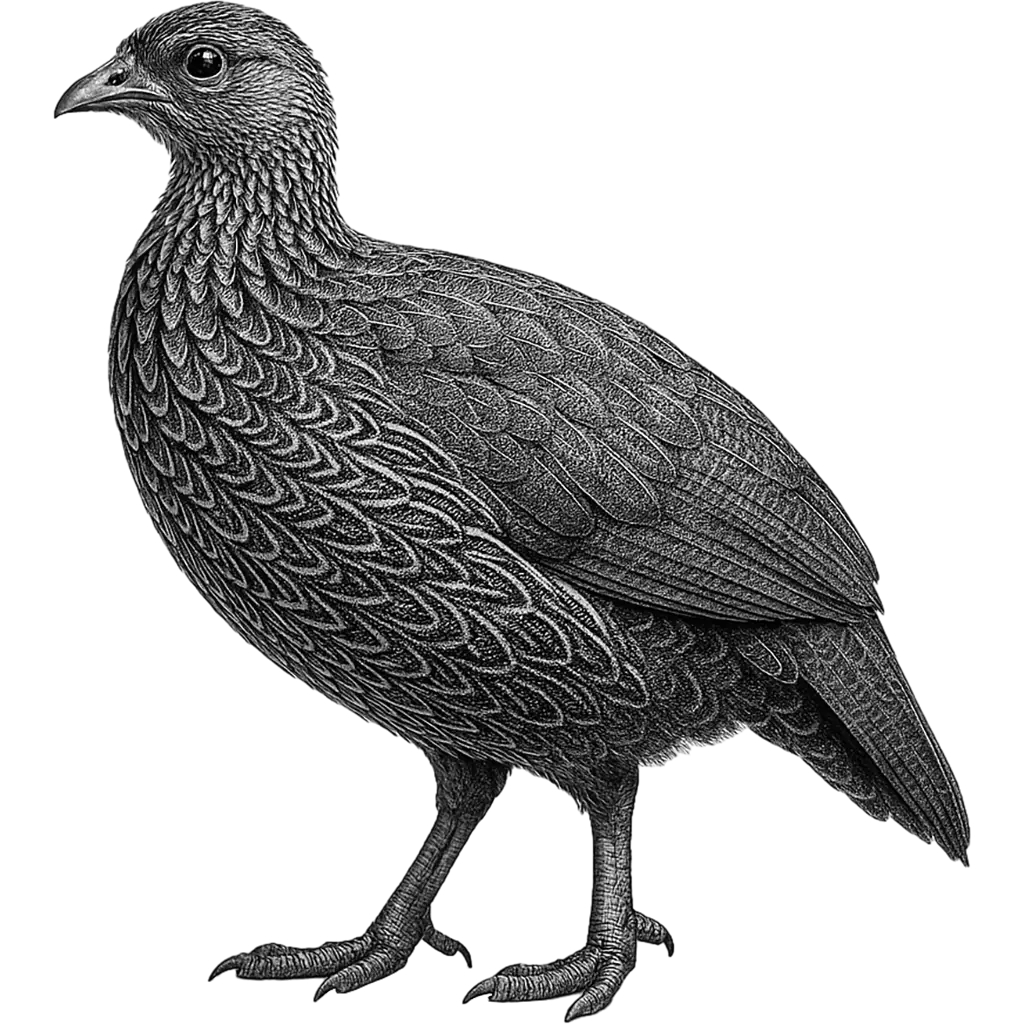
The Cape Spurfowl is a robust bird with a striking, cryptic plumage that blends seamlessly into its natural surroundings. Its mix of earthy browns, grays, and subtle olive hints is accented by distinct facial markings and a noticeable leg spur. With a short tail and sturdy build, this bird has

Spix's Macaw, cyanopsitta spixii, is a critically endangered bird species, once native to the riparian woodlands along the Rio São Francisco in northeastern Brazil. This small macaw, measuring about 55 to 57 cm in length, is notable for its striking blue plumage, with a lighter grey-blue head and vivid blue
The Sri Lankan Junglefowl, gallus lafayettii, is a vibrant and significant bird species native to Sri Lanka, serving as the national bird of the country. Males are particularly striking, adorned with a combination of fiery orange-red plumage, glossy black tail feathers, and a distinctive yellow or red wattle. Females, in
The Sunbittern, eurypyga helias, is a distinctive and enigmatic bird species native to the tropical regions of Central and South America. Measuring approximately 43 to 48 cm in length, the Sunbittern possesses a slender body, long legs, and a thin, straight bill, resembling herons in stature. However, its plumage sets