

Eurypyga Helias
Sunbittern
Tropical forests, along rivers, streams, and creeks
The Sunbittern, eurypyga helias, is a distinctive and enigmatic bird species native to the tropical regions of Central and South America. Measuring approximately 43 to 48 cm in length, the Sunbittern possesses a slender body, long legs, and a thin, straight bill, resembling herons in stature. However, its plumage sets it apart, featuring a complex pattern of blacks, browns, and whites, with striking sunburst patterns on its wings, which become visible when the bird displays or is in flight. These unique markings are thought to play a role in courtship and defense behaviors.
| Population: | Listed as Least Concern, but reliant on riverine habitats which are under threat |
| Generation Length: | 5-6 years |
| Average Weight: | 150-250 grams |
| Average Length: | 43-48 cm |
| Lifespan: | 15-20 years in the wild |
| Diet: | Primarily aquatic animals, using its sharp beak to catch and consume prey |
| Conservation Status: | Least Concern (LC) |
Inhabiting riverine forests and wetlands, the Sunbittern prefers shallow waters where it can hunt for small aquatic prey. Its habitat selection is closely tied to the presence of clear, slow-moving streams or rivers, surrounded by dense vegetation. The Sunbittern is a solitary or occasionally paired bird, known for its secretive nature, often remaining motionless for long periods as it waits to ambush prey.
The diet of the Sunbittern primarily consists of fish, amphibians, crustaceans, and insects, which it catches with quick, darting movements in shallow water. Its feeding strategy underscores its role as a predator in aquatic ecosystems, contributing to the regulation of prey populations within its habitat.
Reproduction for the Sunbittern involves the building of a shallow nest on a platform of twigs, usually situated near or over water. The female typically lays 1 to 2 eggs, which are then incubated by both parents. The chicks are altricial, requiring extended care and feeding by the parents before they fledge. The parental investment in each brood is significant, reflecting the species' strategy for ensuring the survival of its offspring.
The population of the Sunbittern is considered stable across much of its range, though it faces threats from habitat destruction and degradation, particularly due to deforestation and the alteration of watercourses. Conservation efforts are focused on preserving wetland habitats and ensuring the protection of water quality in its feeding grounds. The Sunbittern's unique appearance and behaviors make it a species of interest for conservation and study, highlighting the biodiversity of tropical river ecosystems.
Classifications
The Key Attributes
Features
- Movement:
Walking, flying, wading
- Territorial Behavior:
Solitary or in pairs, especially during breeding season
- Speed:
Not particularly fast, relies on stealth and camouflage
- Diet:
Carnivore
- Physical Features:
- Long-legged, heron-like bird with a stout body and a short tail
- Striking plumage with sun-like patterns when wings are spread
- Sharp beak for catching prey
- Cryptic coloration to blend into the environment
- Primary Senses:
- Sight
- Hearing
Understanding Habitat and Range
Geography
- Habitat:
Tropical forests, along rivers, streams, and creeks
- Migration Patterns:
Sedentary, with limited movement within its habitat range
- Geographical Range:
Central and South America, from Guatemala to Brazil
- Climate Preferences:
Prefers tropical and subtropical environments
Navigating the Wilderness
In the wild
- Predators:
Birds of prey and large mammals
- Prey:
Fish, insects, crustaceans, and small amphibians
- Feeding Behavior:
Hunts in shallow water for fish, insects, crustaceans, and small vertebrates
- Diet:
Primarily aquatic animals, using its sharp beak to catch and consume prey
- Defensive Mechanisms:
- Camouflage and stealth to avoid predators
- Flight into dense vegetation when threatened
- Preferred Food Sources:
- Shallow waters along rivers and streams rich in small aquatic life
Insights Into Reproduction
Mating
- Mating System:
Monogamous
- Number of Offspring:
1-2 eggs
- Incubation Period:
About 28-30 days
- Parental Involvement:
- Both parents involved in nesting and caring for the young
Youngsters Section
Sunbittern
Fun Fact
The sunbittern has a striking wingspan, displaying eye-catching patterns when it spreads its wings.
This bird uses its vivid wing patterns to scare off predators or to communicate with others. Its bold, eye-like markings resemble those of a butterfly, serving a dual purpose of defense and communication. Found near water, they are excellent at camouflage when not displaying.

Download word search puzzles
Word Search Puzzles


Check Out Other Birds
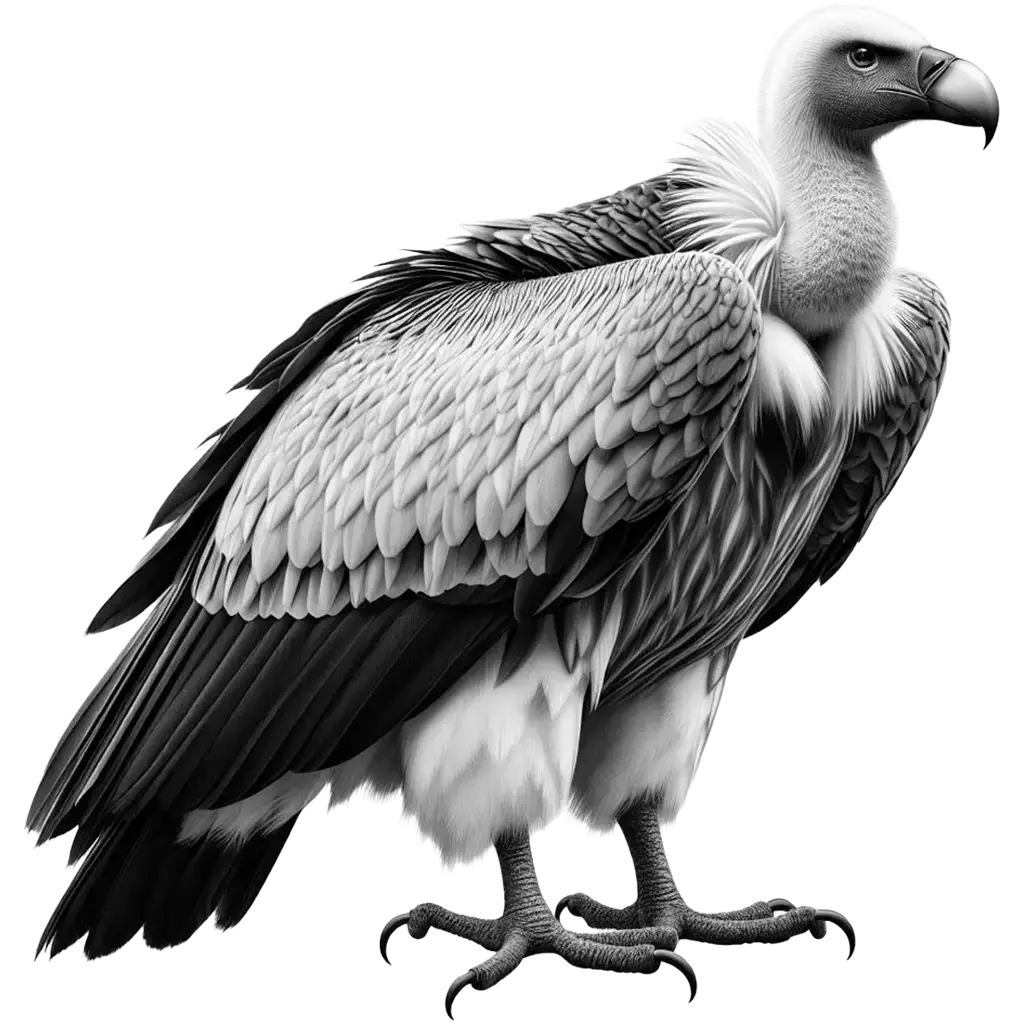
The Eurasian Griffon Vulture, gyps fulvus, is a majestic bird of prey, known for its impressive size and soaring flight. This species is one of the larger vultures, with a wingspan ranging from 230 to 280 centimeters (7.5 to 9.2 feet), and weighs between 6 to 11 kilograms (13 to
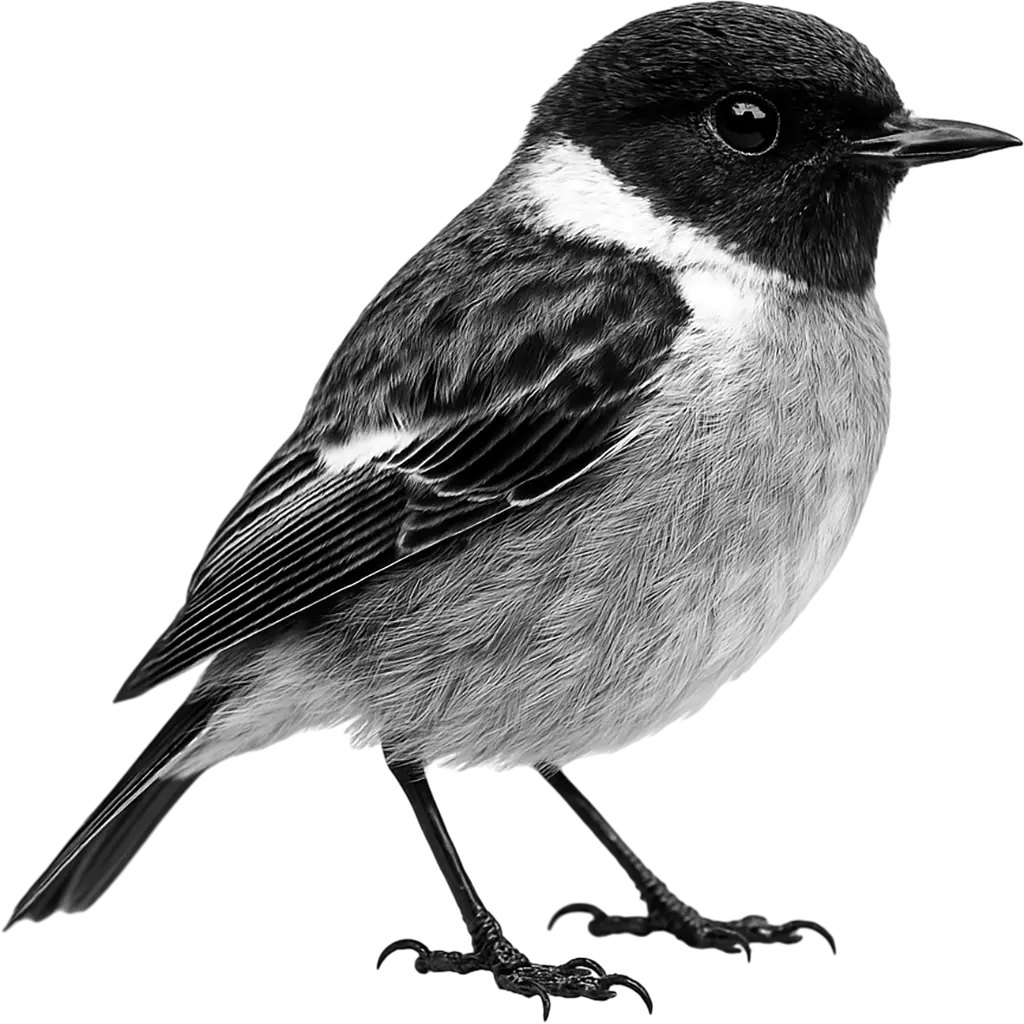
African Stonechats possess a small, compact frame adorned with muted plumage in shades of brown and gray, accentuated by subtle streaks along the wings and back. Their short tail and sharp, alert eyes, combined with a contrasting dark facial mask, give them a lively, distinctive appearance that blends naturally with
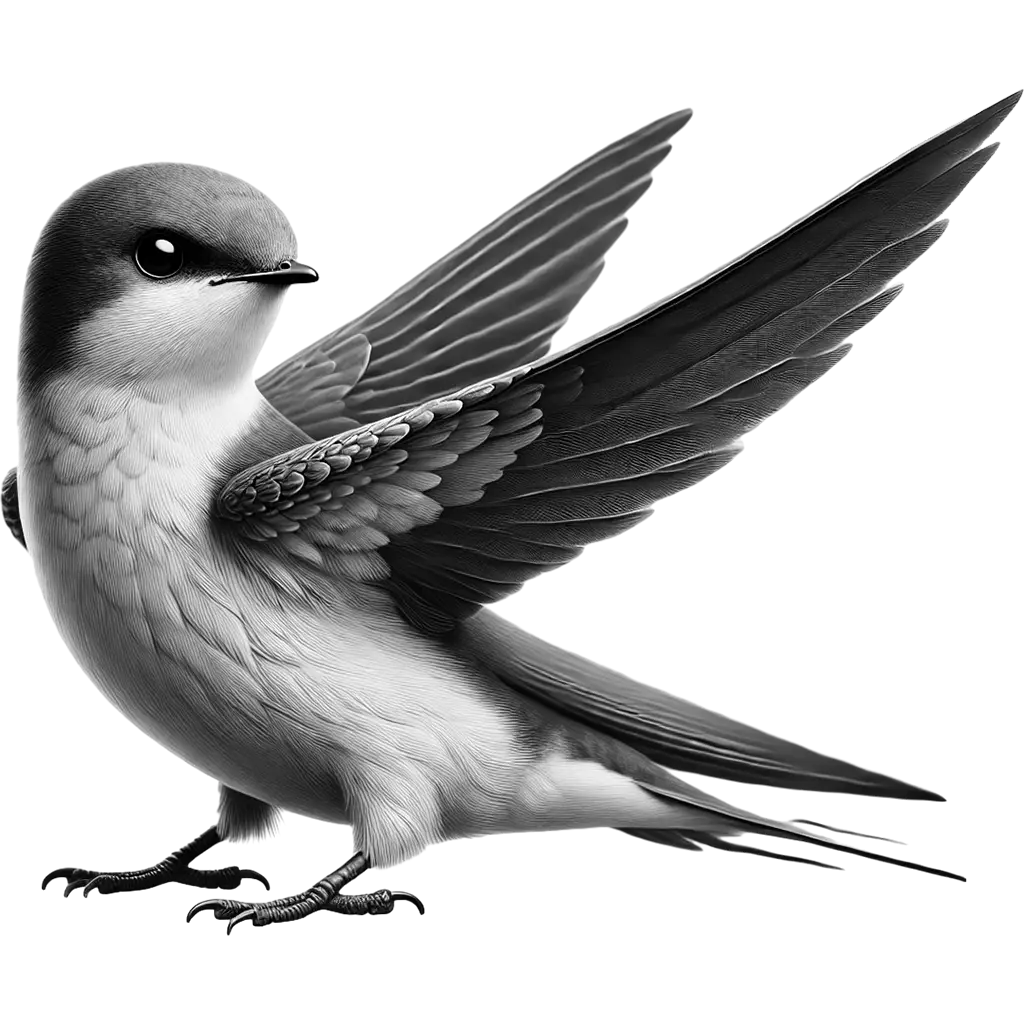
The Little Swift is a small bird, measuring approximately 13 centimeters in length. It boasts predominantly black plumage, accented by a distinctive white throat patch and a conspicuous white rump that extends onto the flanks. Its short, square tail and broad wings with blunt tips contribute to its agile flight

The Greater Scaup, aythya marila, is a medium-sized diving duck known for its circumpolar distribution, breeding in the northernmost reaches of Europe, Asia, and North America, and wintering further south in coastal bays, estuaries, and inland lakes. Males are recognizable by their dark, iridescent green heads, bright yellow eyes, and