
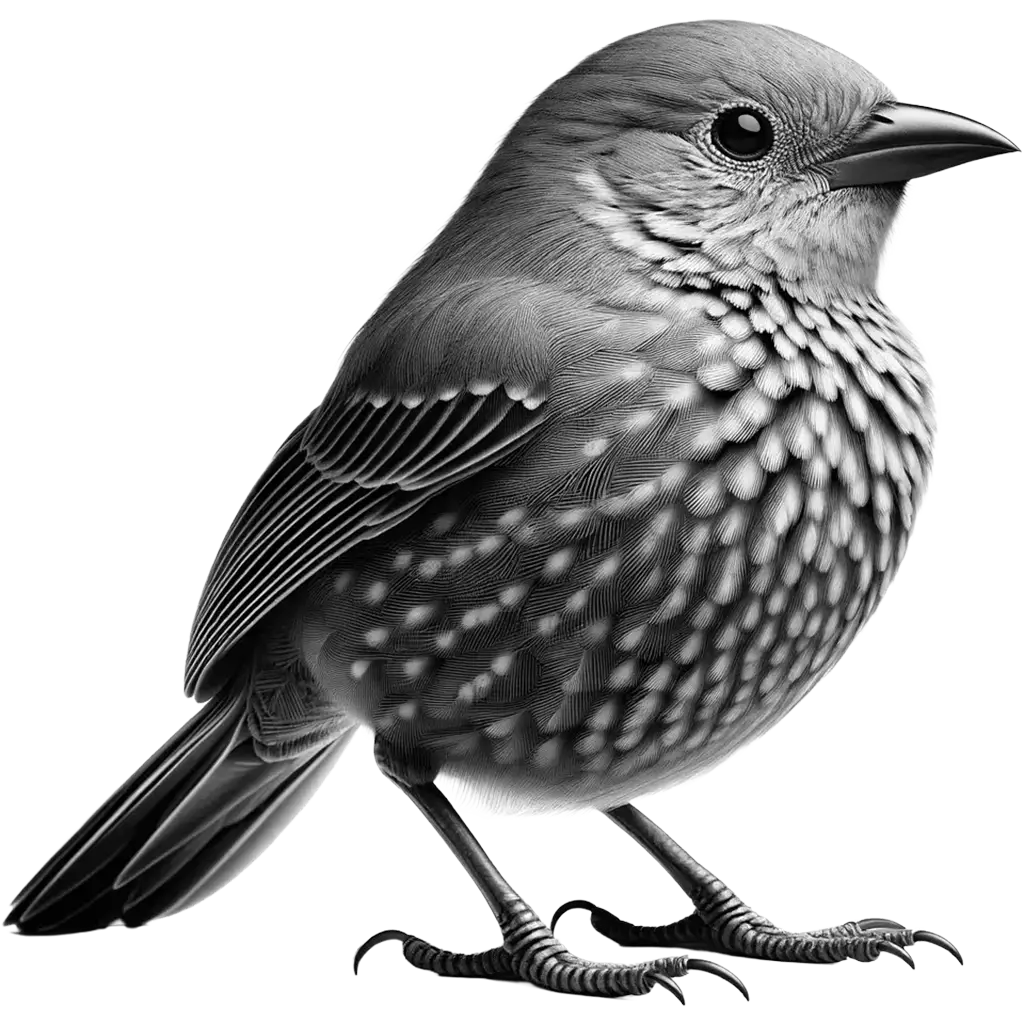
Geospiza Scandens
Common Cactus Finch
Arid, desert-like environments dominated by cactus and other succulents
The Common Cactus Finch, geospiza scandens, is one of the notable species of Darwin's finches, endemic to the Galápagos Islands. This small bird, measuring approximately 12 to 14 cm in length, is characterized by its stout body and large, pointed beak adapted for feeding on cactus flowers, fruits, and seeds. The plumage of the Common Cactus Finch varies from a sooty black in males to a brownish-gray in females, with both sexes exhibiting white underparts.
| Population: | Not fully assessed, but considered stable within its limited range |
| Generation Length: | 3-4 years |
| Average Weight: | 20-22 grams |
| Average Length: | 12-14 cm |
| Lifespan: | 5-10 years in the wild |
| Diet: | Primarily granivorous but also consumes insects and nectar |
| Conservation Status: | Least Concern (LC) |
Inhabiting arid, lowland areas dominated by cactus vegetation, the Common Cactus Finch has developed a remarkable ecological niche. It primarily feeds on the Opuntia cactus, using its specialized beak to extract seeds and nectar, demonstrating an exceptional example of adaptation and evolutionary biology. These finches are also known to consume insects, especially during the breeding season, to meet their increased nutritional needs.
The diet of the Common Cactus Finch showcases its adaptability, relying heavily on the Opuntia cactus for sustenance. This specialization allows it to thrive in environments where food sources are limited, highlighting the intricate relationship between these finches and their habitat. The ability to exploit different parts of the cactus underscores the finch's role in the Galápagos ecosystem as both a pollinator and seed disperser.
Reproduction in the Common Cactus Finch follows a pattern typical of Darwin's finches, with nest construction occurring in trees or shrubs. Females lay 2 to 4 eggs, which they incubate, while both parents are involved in feeding the chicks. This cooperative breeding strategy ensures the survival of offspring in the challenging Galápagos environment.
The population of the Common Cactus Finch is considered stable, but like all Galápagos endemics, it faces potential threats from invasive species, habitat change, and climate variations. Conservation efforts focus on habitat protection, invasive species control, and ecological monitoring to preserve the unique biodiversity of the Galápagos Islands, including this iconic finch species.
Classifications
The Key Attributes
Features
- Movement:
Flying, hopping
- Territorial Behavior:
Territorial during breeding season
- Speed:
Capable of quick, darting flight
- Diet:
Omnivore
- Physical Features:
- Medium-sized finch with a pointed beak adapted for feeding on cactus fruits and seeds
- Greyish-brown plumage with darker streaks
- Sturdy legs and feet for perching on cactus and other vegetation
- Primary Senses:
- Sight
- Hearing
Understanding Habitat and Range
Geography
- Habitat:
Arid, desert-like environments dominated by cactus and other succulents
- Migration Patterns:
Sedentary, remains in the same habitat year-round
- Geographical Range:
Endemic to the Galápagos Islands, with variations among different islands
- Climate Preferences:
Prefers arid and semi-arid environments with plentiful cactus growth
Navigating the Wilderness
In the wild
- Predators:
Birds of prey, introduced mammals like rats and cats
- Prey:
Cactus fruits, seeds, insects, and occasionally small vertebrates
- Feeding Behavior:
Feeds mainly on seeds, insects, and nectar from cactus plants
- Diet:
Primarily granivorous but also consumes insects and nectar
- Defensive Mechanisms:
- Camouflage within its habitat
- Flocking in small groups to reduce risk of predation
- Preferred Food Sources:
- Cactus plants and other succulents, which provide both food and water
Insights Into Reproduction
Mating
- Mating System:
Monogamous
- Number of Offspring:
2-4 eggs
- Incubation Period:
12-14 days
- Parental Involvement:
- Both parents involved in nesting and feeding of chicks
Youngsters Section
Common Cactus Finch
Fun Fact
The Common Cactus Finch has a specialized diet, primarily feeding on cactus flowers and fruits.
These finches are native to the Galápagos Islands and have adapted to their unique environment. They utilize their long, sharp beaks to extract nectar and seeds from cacti, providing them with both food and water. This adaptation allows them to thrive in arid conditions.

Download word search puzzles
Word Search Puzzles


Check Out Other Birds

The Bee Hummingbird, Mellisuga helenae, holds the title of the world's smallest bird, native to Cuba and the Isla de la Juventud. Adults measure a mere 5 to 6 centimeters (2 to 2.4 inches) in length, including the beak and tail, and weigh approximately 1.6 to 2 grams (0.056 to
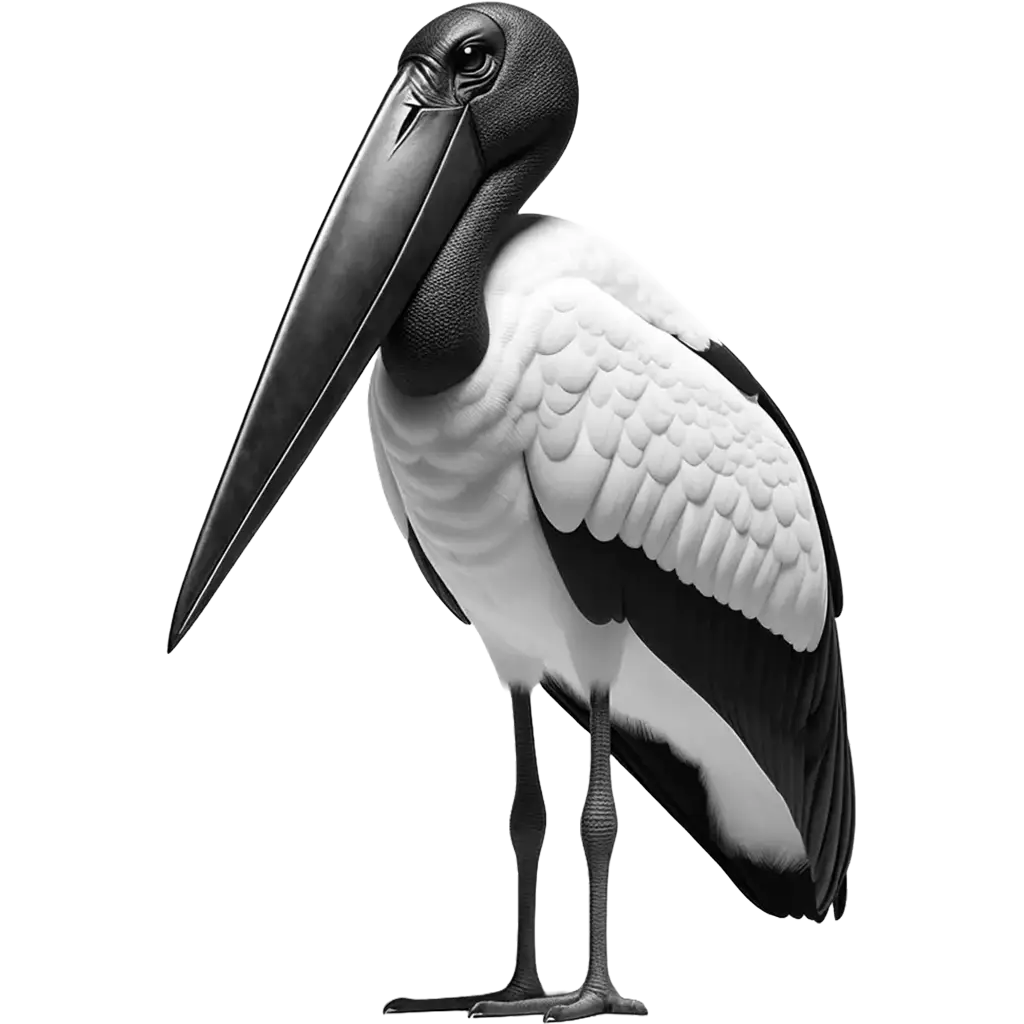
The Jabiru, Jabiru mycteria, is a majestic bird native to the Americas, particularly found from Mexico through Central America to Argentina in South America. It is the tallest flying bird found in its range, with adults standing up to 1.4 meters (4.5 feet) tall and boasting a wingspan that can
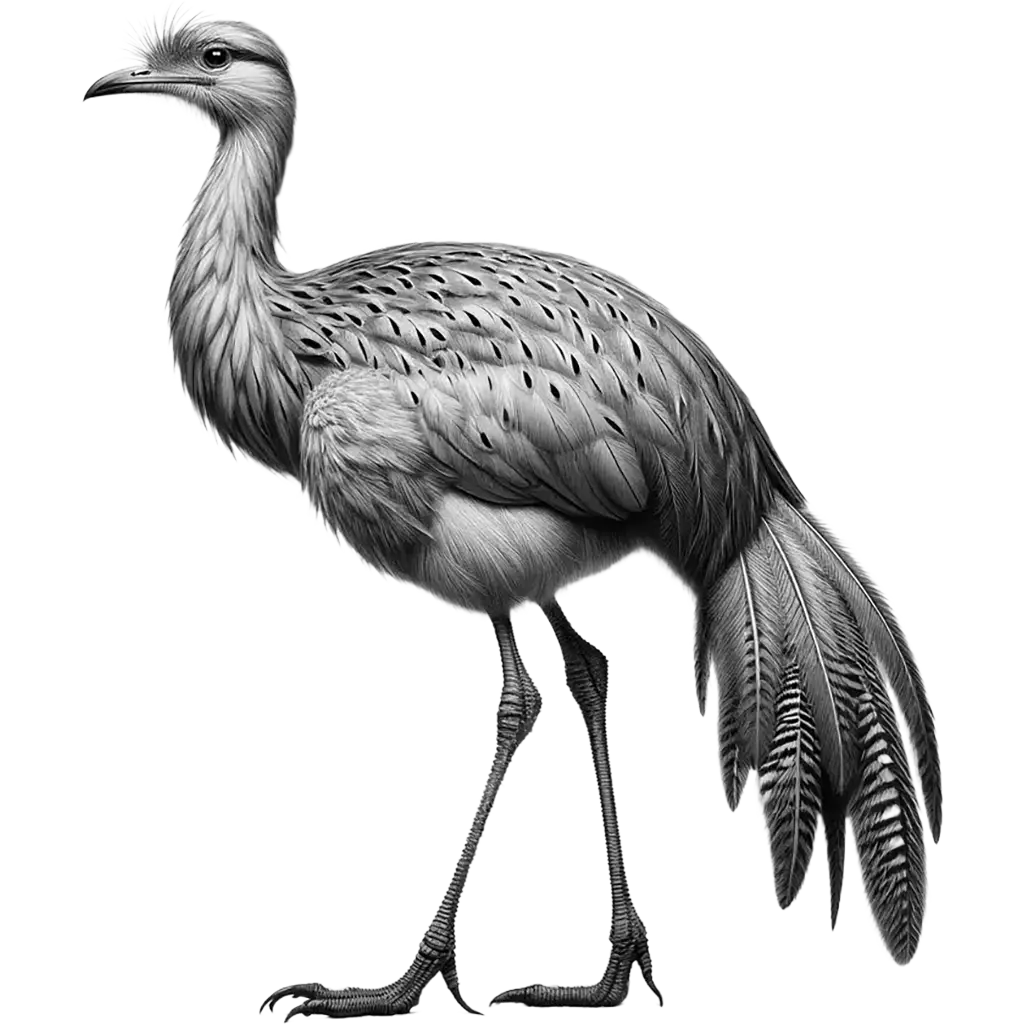
The Black-Legged Seriema, chunga burmeisteri, is a distinctive bird native to South America, particularly found in the dry woodlands and grasslands of northern Argentina, Paraguay, Bolivia, and Brazil. This species is characterized by its slender build, long legs, and predominantly grey plumage, which is complemented by striking black flight feathers
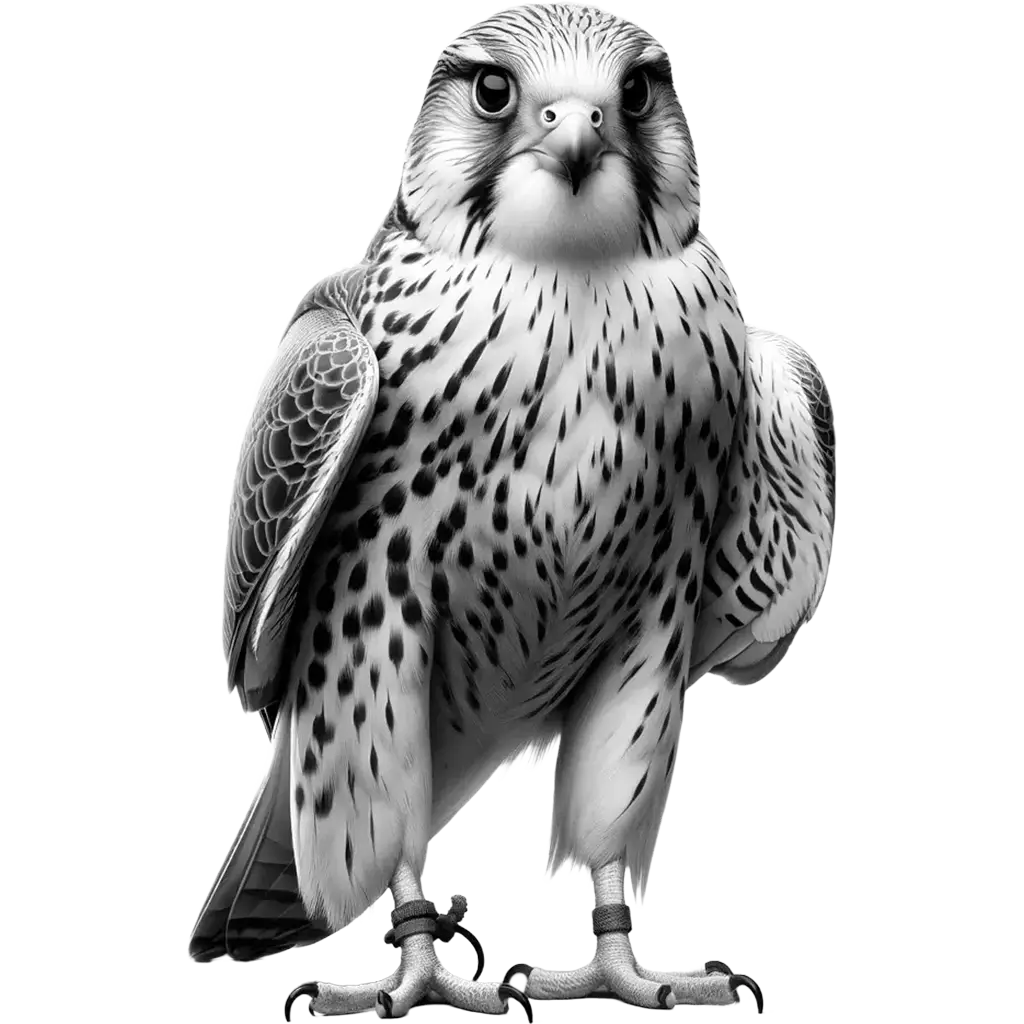
The Saker Falcon, falco cherrug, is a large, powerful bird of prey, renowned for its speed and agility in flight. It is one of the largest falcons, with adults typically measuring 47 to 55 cm in length and boasting a wingspan of 105 to 129 cm. The Saker Falcon's plumage