
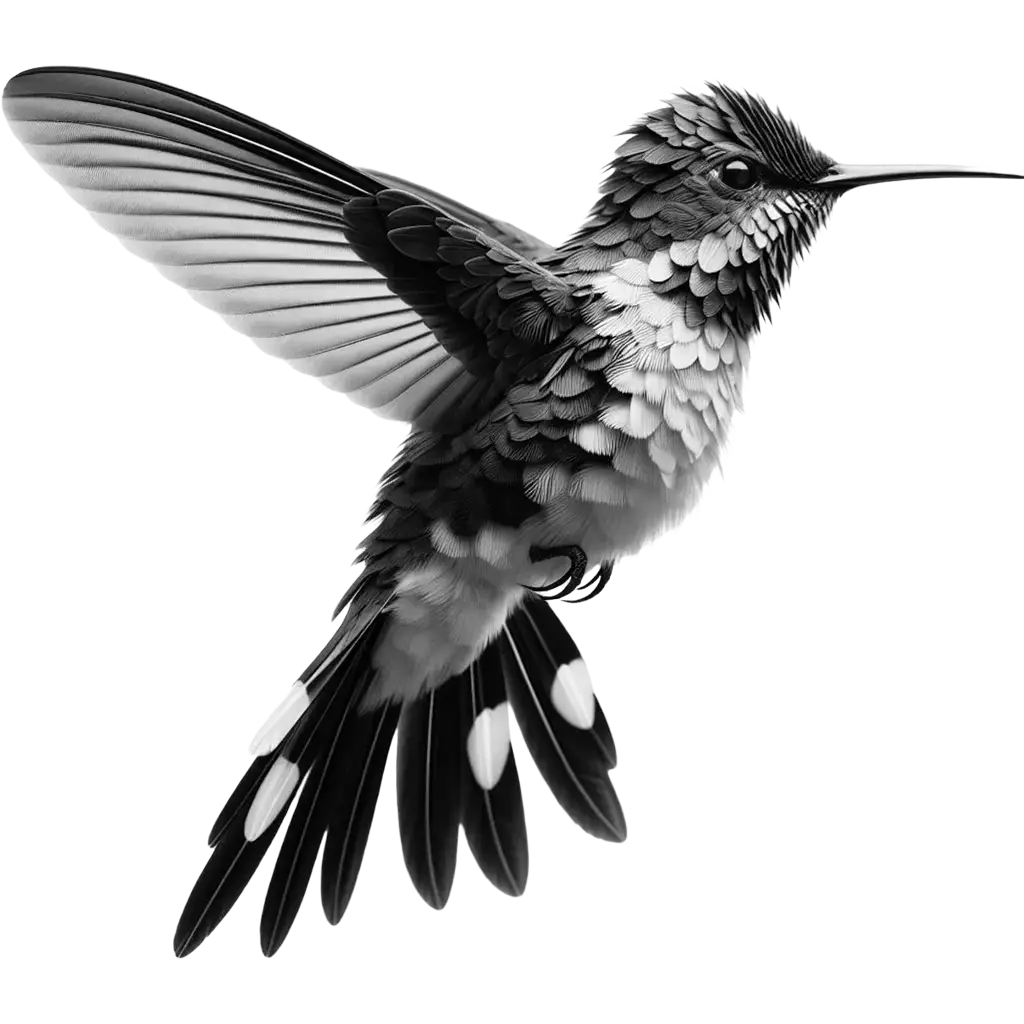
Mellisuga Helenae
Bee Hummingbird
Tropical and subtropical forests, garden areas, and coastal regions
The Bee Hummingbird, Mellisuga helenae, holds the title of the world's smallest bird, native to Cuba and the Isla de la Juventud. Adults measure a mere 5 to 6 centimeters (2 to 2.4 inches) in length, including the beak and tail, and weigh approximately 1.6 to 2 grams (0.056 to 0.071 ounces). Males are distinguished by their iridescent red throat and bluish upper parts during the breeding season, while females display a more subdued greenish plumage with white underparts. Both sexes exhibit the rapid wing beats characteristic of hummingbirds, enabling them to hover in place while feeding.
| Population: | Not precisely quantified; considered Near Threatened due to habitat loss and degradation |
| Generation Length: | 3-4 years |
| Average Weight: | Approximately 1.6-2 g |
| Average Length: | 5-6 cm |
| Lifespan: | Up to 7 years in the wild |
| Diet: | Primarily nectar supplemented with small invertebrates |
| Conservation Status: | Near Threatened (NT) |
Bee Hummingbirds inhabit a variety of environments, including gardens, forest edges, and mountainous regions, where they are often found visiting flowers to feed on nectar. Their diminutive size allows them to access the nectar of small flowers, playing a crucial role in pollination. In addition to nectar, they consume insects and spiders, providing essential protein and nutrients.
The diet of the Bee Hummingbird primarily consists of nectar, supplemented by small insects and spiders. This high-energy diet supports their extremely active lifestyle and rapid metabolism, necessitating frequent feeding throughout the day to maintain energy levels.
Reproduction for Bee Hummingbirds involves the construction of tiny, cup-shaped nests, where the female lays two eggs, each roughly the size of a coffee bean. The female alone incubates the eggs for about two weeks, and after hatching, she feeds the chicks for another three weeks until they are ready to fledge. The nests are often built on the underside of leaves to provide camouflage and protection from predators.
The Bee Hummingbird is currently classified as Near Threatened by the IUCN, with habitat loss and fragmentation posing significant threats to its population. Conservation efforts are focused on habitat protection and restoration, particularly in areas of native forest that are critical for the species' survival. The Bee Humingbird's unique status as the smallest bird in the world, combined with its ecological role as a pollinator, underscores the importance of conservation measures to ensure its continued survival and the health of its habitat.
Classifications
The Key Attributes
Features
- Movement:
Flight
- Territorial Behavior:
Territorial during breeding season
- Speed:
Capable of hovering in place and flying at high speeds; specific speeds not quantified
- Diet:
Nectarivore
- Physical Features:
- Extremely small size
- Bright iridescent plumage in males, with shades of pink, blue, and green
- Females have more subdued colors with white underparts
- Long, slender bill adapted for feeding on nectar
- Primary Senses:
- Sight
- Hearing
Understanding Habitat and Range
Geography
- Habitat:
Tropical and subtropical forests, garden areas, and coastal regions
- Migration Patterns:
Largely sedentary, with some local movements in search of food
- Geographical Range:
Endemic to Cuba and the Isla de la Juventud
- Climate Preferences:
Prefers warm, humid climates
Navigating the Wilderness
In the wild
- Predators:
Larger birds, spiders, and insects
- Prey:
Nectar, small insects, and spiders
- Feeding Behavior:
Feeds on nectar from flowers using its long bill and tongue; also consumes small insects and spiders for protein
- Diet:
Primarily nectar supplemented with small invertebrates
- Defensive Mechanisms:
- Rapid flight and maneuverability
- Camouflage among foliage
- Territorial defense against rivals
- Preferred Food Sources:
- Nectar from a variety of flowering plants
Insights Into Reproduction
Mating
- Mating System:
Polygynous
- Number of Offspring:
Typically 2 eggs
- Incubation Period:
About 14-19 days
- Parental Involvement:
- Females solely responsible for nest building, incubation, and feeding of the chicks
Youngsters Section
Bee Hummingbird
Fun Fact
The bee hummingbird is the world's smallest bird, weighing less than a penny and measuring about 2 inches.
Native to Cuba, this tiny bird can flap its wings up to 80 times per second. Despite its size, the bee hummingbird is an essential pollinator, visiting over 1,500 flowers daily. Its vibrant plumage makes it resemble a flying jewel, captivating anyone lucky enough to see it.

Download word search puzzles
Word Search Puzzles
Check Out Other Birds
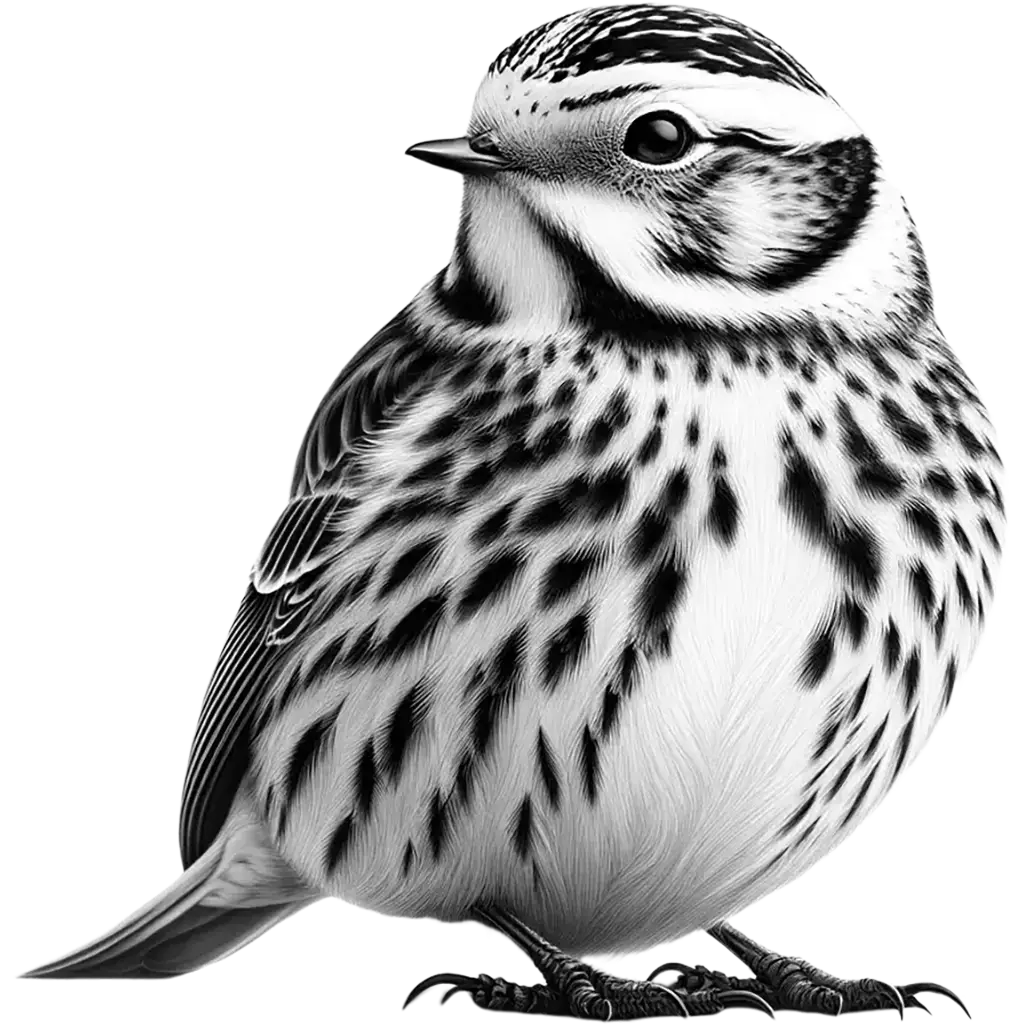
The Lapland Longspur, calcarius lapponicus, is a small, hardy bird known for its distinctive plumage and far-reaching migrations. This species exhibits a remarkable adaptation to cold environments, breeding in the Arctic tundra of North America, Europe, and Asia, and wintering in temperate and even subtropical regions. Adults typically measure about
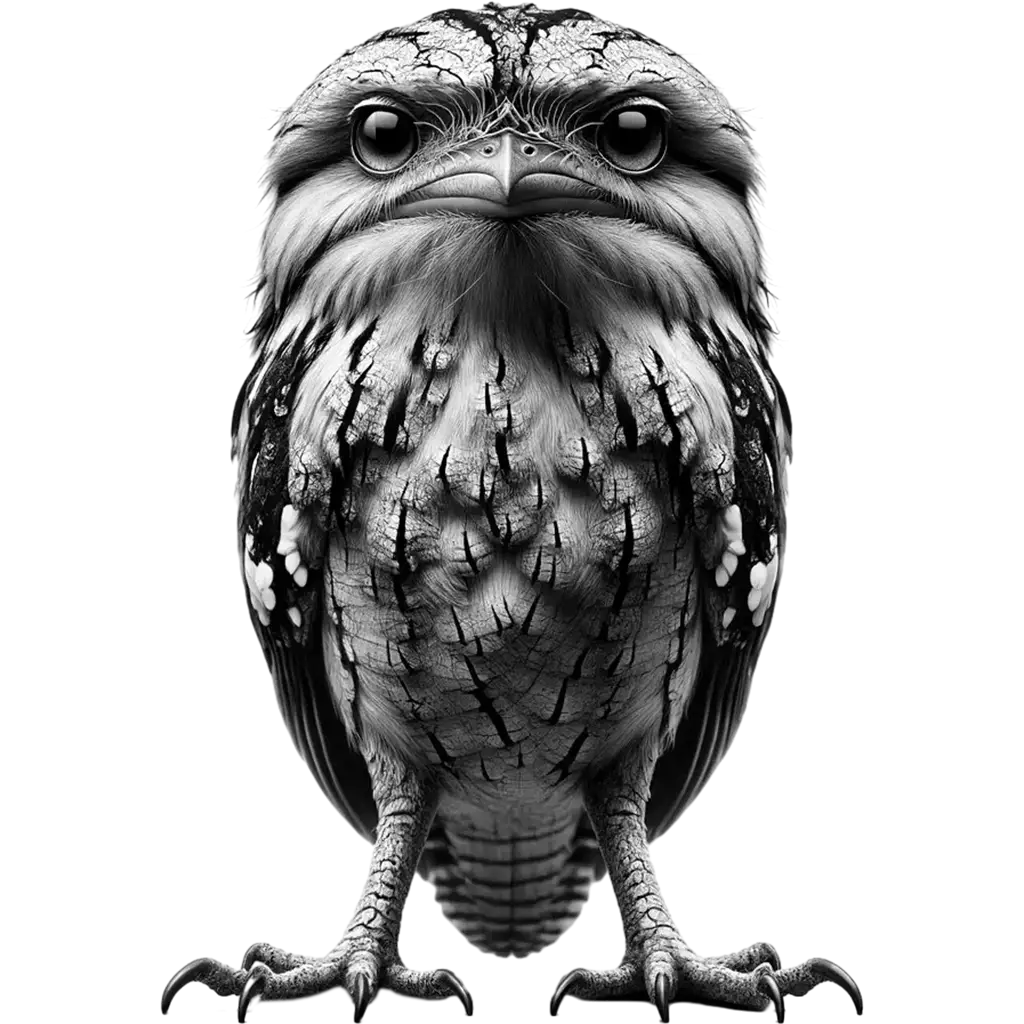
The Tawny Frogmouth, podargus strigoides, is a distinctive bird native to Australia, recognized for its stocky build, large head, and wide, frog-like mouth. Measuring 34 to 53 cm in length and weighing between 157 to 555 grams, they exhibit sexual dimorphism, with females generally being larger than males. Their plumage
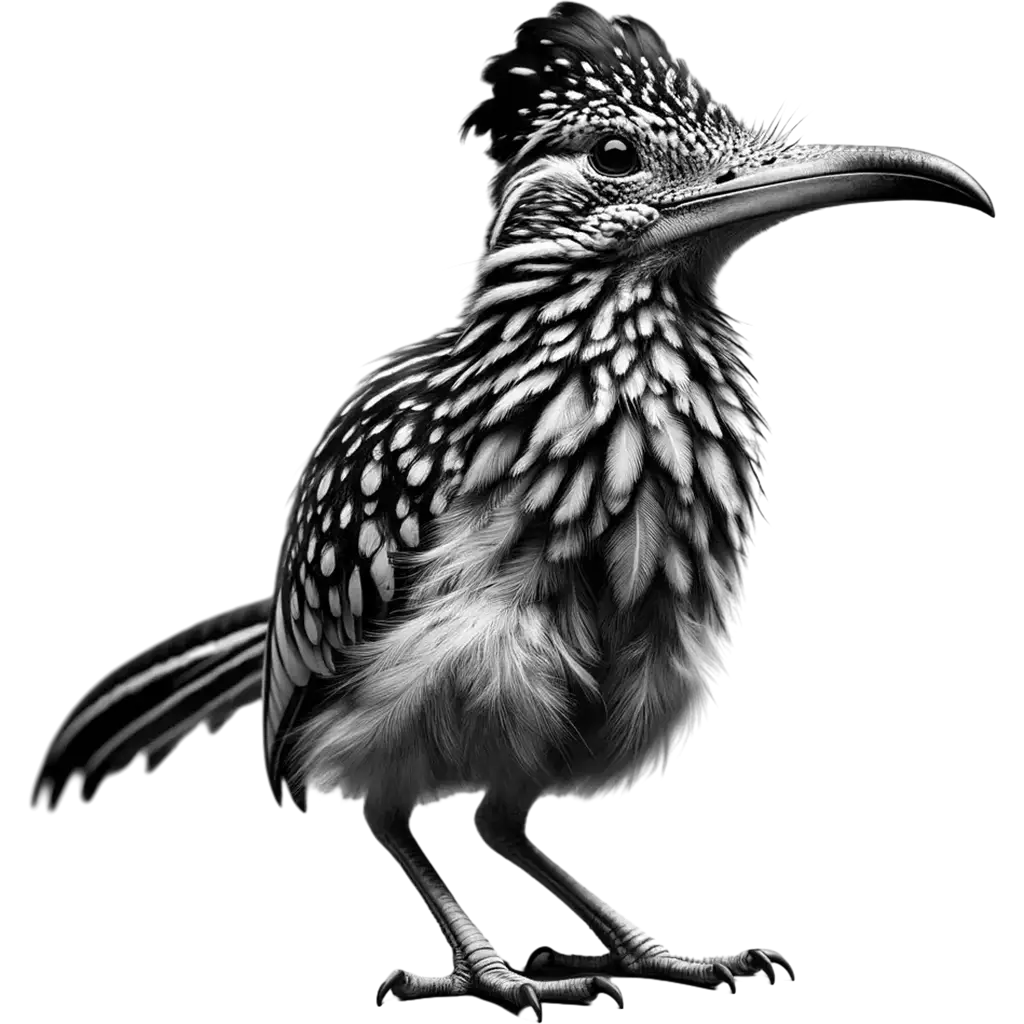
The Greater Roadrunner, geococcyx californianus, is a large, ground-dwelling bird, iconic of the American Southwest. Measuring up to 60 cm in length and weighing around 300 to 500 grams, it is most recognizable by its long, lean frame, streaked brown and white plumage, and distinctive crest of feathers atop its
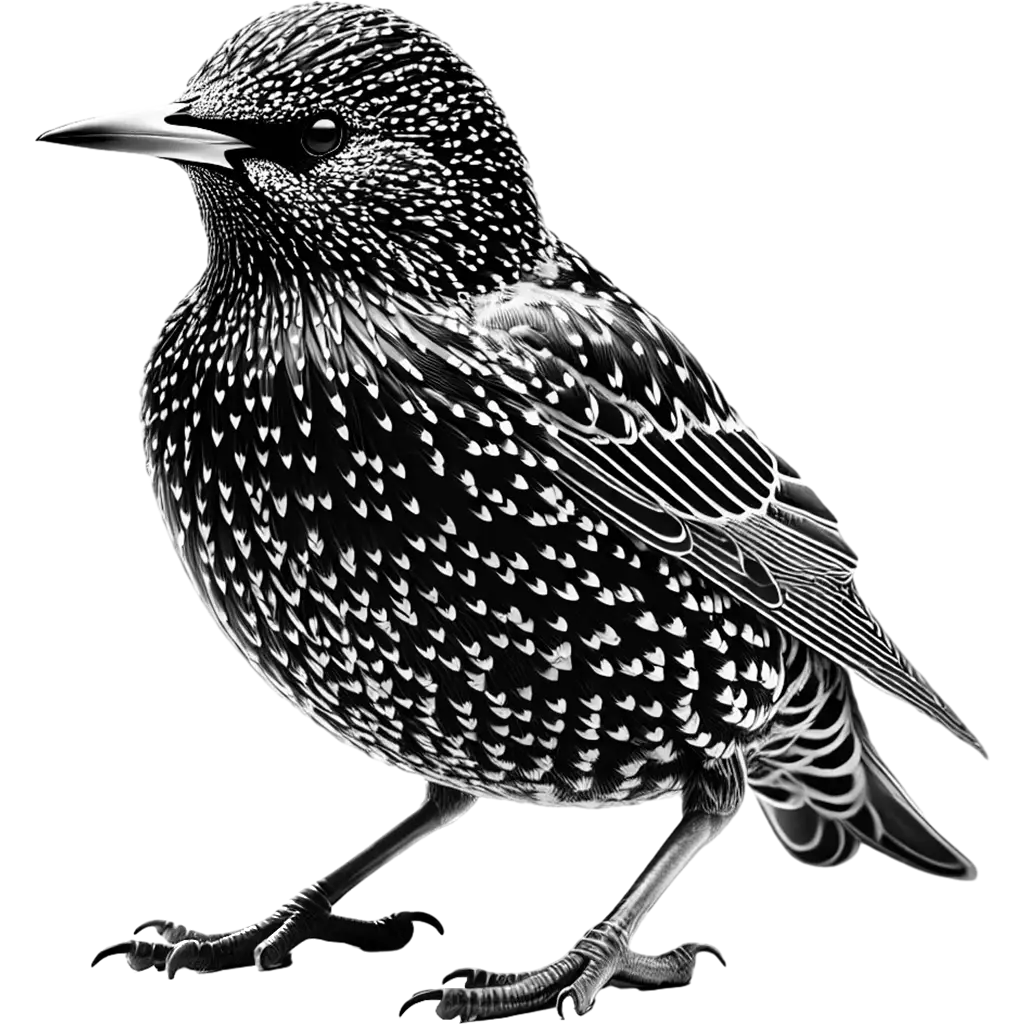
The Common Starling is a medium-sized passerine bird characterized by its striking, iridescent plumage that shimmers with hues of purple, green, and blue under sunlight. It sports a speckled, mottled appearance with dark brown and black feathers that create a dynamic pattern, while its sharp, pointed beak and strong legs