

Clanga Pomarina
Lesser Spotted Eagle
Forests close to wetlands, open woodlands, and river valleys
The Lesser Spotted Eagle, clanga pomarina, is a medium-sized bird of prey, distinguished by its relatively small stature compared to other eagles, with a length of about 55 to 65 cm and a wingspan ranging from 145 to 160 cm. The species exhibits a dark brown plumage overall, with lighter, more variegated coloring on the undersides and underwings. Juveniles are generally darker and can be distinguished by their less spotted underparts. This eagle species is known for its agile flight, often seen soaring gracefully over forests, meadows, and wetlands in search of prey.
| Population: | Listed as Least Concern, but some populations are decreasing |
| Generation Length: | 5 years |
| Average Weight: | 1.2-1.9 kg |
| Average Length: | 55-65 cm, with a wingspan of 145-165 cm |
| Lifespan: | Up to 26 years in the wild |
| Diet: | Varied, depending on prey availability in the area |
| Conservation Status: | Least Concern (LC) |
Native to Eastern and Central Europe and extending into Asia, the Lesser Spotted Eagle prefers extensive deciduous forests, often near wetlands, for breeding. It is a migratory bird, spending the winter in sub-Saharan Africa, where it occupies savannahs and open woodland areas. The migration journey is a testament to its endurance and navigational skills, spanning thousands of kilometers across continents.
The diet of the Lesser Spotted Eagle mainly consists of small mammals, amphibians, and insects. Its hunting strategy involves soaring or perching from a vantage point to spot prey, then executing a swift dive to capture it. This eagle plays a crucial role in controlling rodent populations, contributing to the balance of its ecosystem.
Reproduction in the Lesser Spotted Eagle typically begins with the construction of a large nest in a tree, where the female lays 1 to 2 eggs. Both parents share the responsibility of incubating the eggs and feeding the chicks, showcasing a strong pair bond and parental investment. The breeding season underscores the importance of preserving their natural habitats, as disturbances can significantly impact their success in raising offspring.
The population of the Lesser Spotted Eagle is considered Near Threatened, with habitat loss, deforestation, and changes in agricultural practices posing significant threats to its survival. Conservation efforts are focused on protecting nesting and feeding habitats, as well as ensuring safe migration corridors. Monitoring and research are ongoing to better understand their ecological needs and threats, aiming to implement effective conservation strategies to secure the future of this majestic eagle species.
Classifications
The Key Attributes
Features
- Movement:
Flying, soaring
- Territorial Behavior:
Territorial during breeding season
- Speed:
Not specifically quantified; known for soaring flight and capable of quick dives
- Diet:
Carnivore
- Physical Features:
- Medium-sized eagle with dark brown plumage
- Lesser size compared to similar species
- Yellow eyes, beak, and legs in adults
- Long wings and a broad tail for soaring
- Primary Senses:
- Sight
- Hearing
Understanding Habitat and Range
Geography
- Habitat:
Forests close to wetlands, open woodlands, and river valleys
- Migration Patterns:
Migratory, winters in Africa and breeds in Eastern Europe and Northern Asia
- Geographical Range:
Breeding range spans from Eastern Europe to Siberia; wintering grounds extend across Sub-Saharan Africa
- Climate Preferences:
Temperate to warmer climates during migration and wintering
Navigating the Wilderness
In the wild
- Predators:
Few natural predators; eggs and young may be at risk from other birds of prey and climbing predators
- Prey:
Small mammals, birds, reptiles
- Feeding Behavior:
Feeds on a variety of prey including small mammals, birds, and reptiles, often hunting in open areas near forests
- Diet:
Varied, depending on prey availability in the area
- Defensive Mechanisms:
- Soaring and altitude for surveillance and evasion
- Powerful talons and beak for hunting and self-defense
- Preferred Food Sources:
- Diverse, based on the ecosystem around nesting and hunting areas
Insights Into Reproduction
Mating
- Mating System:
Monogamous
- Number of Offspring:
Usually 1-2 eggs per clutch
- Incubation Period:
About 42-45 days
- Parental Involvement:
- Both parents participate in incubating the eggs and feeding the chicks
Youngsters Section
Lesser Spotted Eagle
Fun Fact
The lesser spotted eagle is a migratory bird found in Europe and parts of Asia.
It is known for its remarkable long-distance migration, traveling up to 10,000 kilometers to reach its wintering grounds in Africa. These eagles primarily feed on small mammals, birds, and reptiles, showcasing their adaptability in diverse environments.

Download word search puzzles
Word Search Puzzles


Check Out Other Birds

The Sun Conure, aratinga solstitialis, is a vibrant and highly social bird, celebrated for its stunning plumage and engaging personality. Adults typically reach a length of about 30 cm, including the tail, and weigh approximately 110 to 130 grams. The Sun Conure's feathers are a brilliant mix of yellow, orange,
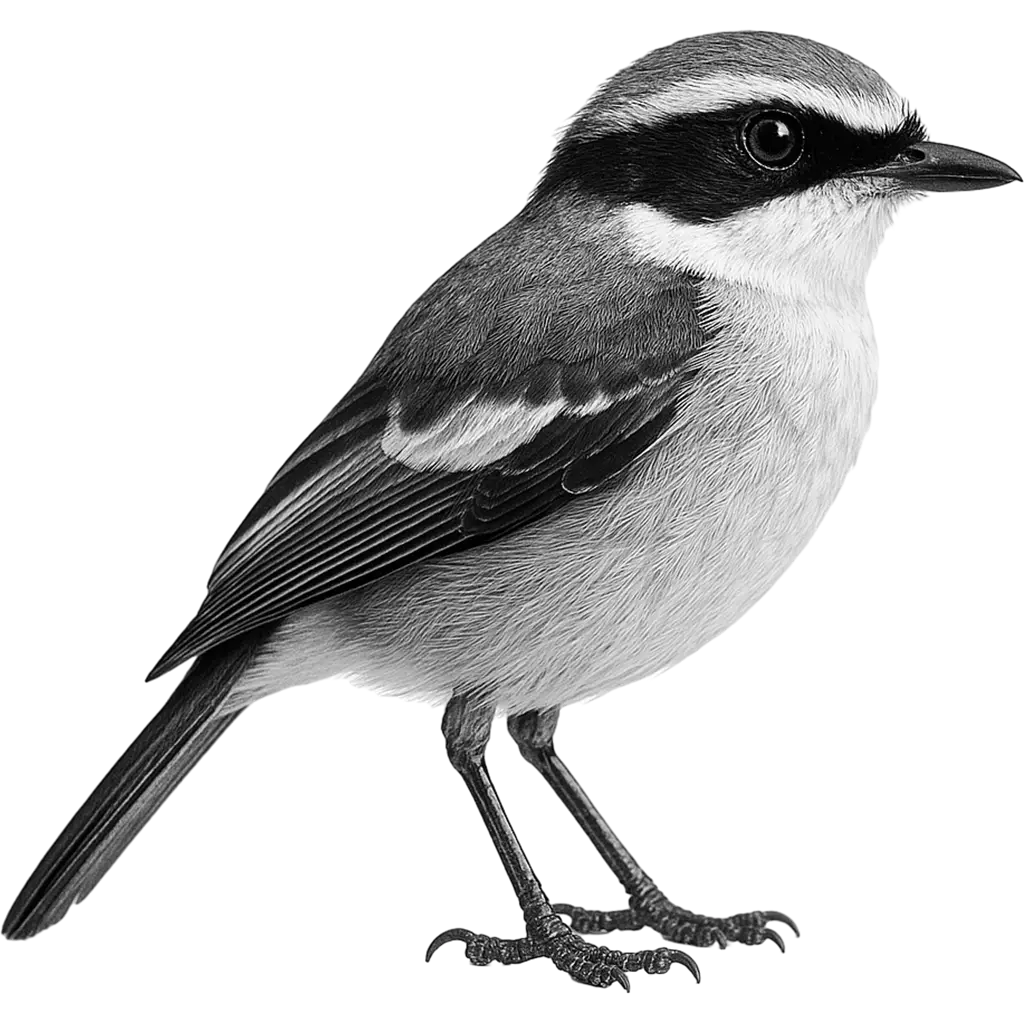
The Grey-headed Batis is a small, striking bird with a distinctively grey head contrasted by bold facial markings and a delicate white throat. Its compact, streamlined body is complemented by a short tail and finely patterned plumage in shades of blue-grey and white. The bird's small, piercing eyes and thin,

The Sunbittern, eurypyga helias, is a distinctive and enigmatic bird species native to the tropical regions of Central and South America. Measuring approximately 43 to 48 cm in length, the Sunbittern possesses a slender body, long legs, and a thin, straight bill, resembling herons in stature. However, its plumage sets

The Common Starling is a medium-sized passerine bird characterized by its striking, iridescent plumage that shimmers with hues of purple, green, and blue under sunlight. It sports a speckled, mottled appearance with dark brown and black feathers that create a dynamic pattern, while its sharp, pointed beak and strong legs