
Batis Orientalis
Grey-Headed Batis
Tropical forests, woodland edges, and savannas
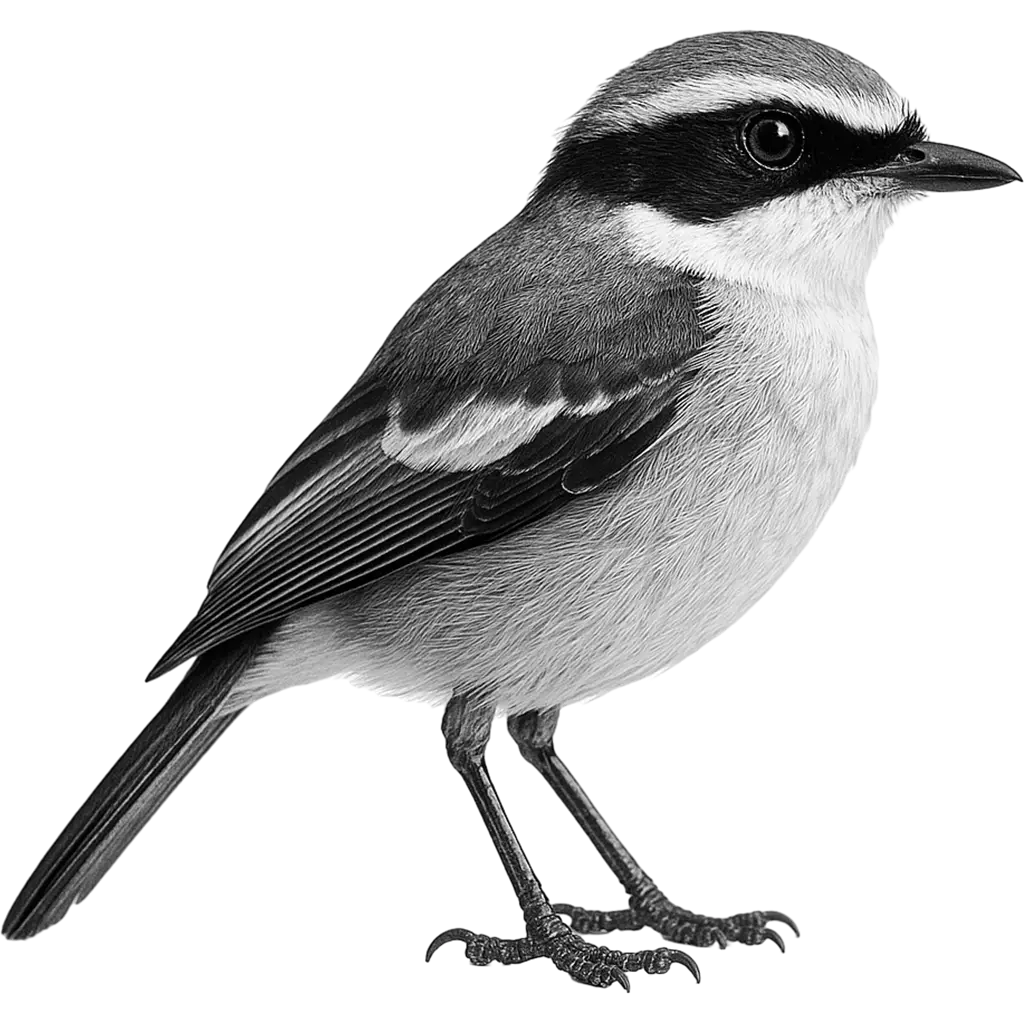
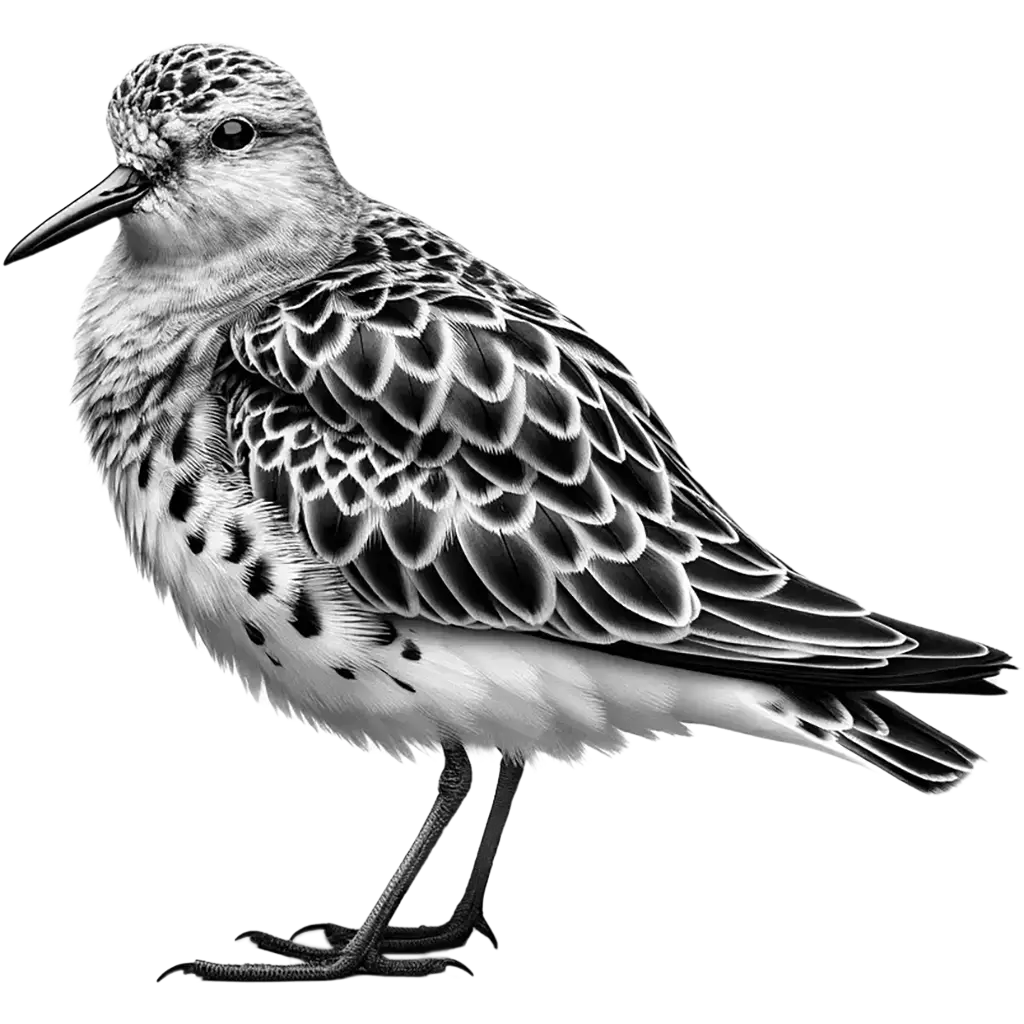
The Grey-headed Batis is a small, striking bird with a distinctively grey head contrasted by bold facial markings and a delicate white throat. Its compact, streamlined body is complemented by a short tail and finely patterned plumage in shades of blue-grey and white. The bird's small, piercing eyes and thin, pointed bill further accentuate its alert and curious expression, making it clearly recognizable in its natural habitat.
| Population: | Stable populations across sub-Saharan woodlands and savannas despite localized habitat pressures |
| Generation Length: | 1-2 years |
| Average Weight: | 8-12 g |
| Average Length: | 10-12 cm |
| Lifespan: | 5-7 years in the wild, up to 10 years in captivity |
| Diet: | Insectivorous, targeting flying and foliage-dwelling prey |
| Conservation Status: | Least Concern (LC) |
In the wild, the Grey-headed Batis is highly active and nimble, frequently seen flitting through dense woodland edges and savannas in search of insects. It spends much of the day perched on branches or hidden under foliage, scanning for movement and potential food. This bird exhibits a strong sense of independence while cooperating subtly in areas with overlapping territories, which enhances their survival in diverse and fluctuating ecosystems remarkably.
The diet of the Grey-headed Batis is primarily composed of a wide variety of small insects and arthropods, which it hunts with precision and speed. Using its sharp vision and rapid flight, it targets both flying insects and those that dwell on branches. Its foraging strategy includes both active pursuit and opportunistic gleaning from foliage, ensuring that even in scarce conditions, the bird can obtain sufficient nutrients for optimal growth.
During the mating season, Grey-headed Batis form monogamous pairs and engage in soft, rhythmic calls to attract partners. Courtship involves gentle aerial displays and mutual preening. The pair builds a small, concealed nest, where the female lays a clutch of eggs. Both parents are involved in feeding and protecting the young until they are mature. These behaviors ensure a secure start for the offspring and strengthen the bond between the pair.
Studies indicate that the Grey-headed Batis maintains stable population numbers across its range, despite localized pressures from deforestation and habitat degradation. The bird's adaptability to various environments has helped it persist in fragmented woodland and savanna habitats. Ongoing monitoring suggests that although minor regional declines occur, overall numbers remain resilient and balanced across its distribution, ensuring its continued long-term survival.
Classifications
The Key Attributes
Features
- Movement:
Flight
- Territorial Behavior:
Very territorial, especially during breeding
- Speed:
Quick and agile
- Diet:
Insectivorous
- Physical Features:
- Distinct grey head
- Bold, contrasting facial markings
- Compact, streamlined body
- Short tail
- Delicate, patterned plumage
- Primary Senses:
- Sight
- Hearing
Understanding Habitat and Range
Geography
- Habitat:
Tropical forests, woodland edges, and savannas
- Migration Patterns:
Non-migratory with localized movements
- Geographical Range:
Sub-Saharan Africa
- Climate Preferences:
Tropical to subtropical climates
Navigating the Wilderness
In the wild
- Predators:
Small raptors and arboreal snakes
- Prey:
Insects and small arthropods
- Feeding Behavior:
Active foraging through quick, darting flights among branches
- Diet:
Insectivorous, targeting flying and foliage-dwelling prey
- Defensive Mechanisms:
- Rapid flight
- Camouflage within foliage
- Preferred Food Sources:
- Flying insects
- Leaf-dwelling arthropods
Insights Into Reproduction
Mating
- Mating System:
Monogamous
- Number of Offspring:
2-4 eggs
- Incubation Period:
14-16 days
- Parental Involvement:
- Both parents feed and protect nestlings
Youngsters Section
Grey-Headed Batis
Fun Fact
The Grey-headed Batis is admired for its agile flight and distinctive grey head with bold facial markings.
Its energetic foraging habits and clear, piercing calls make it a favorite among birdwatchers, while its resilience in fragmented habitats underscores its vital role in maintaining ecological balance.

Download word search puzzles
Word Search Puzzles

Check Out Other Birds
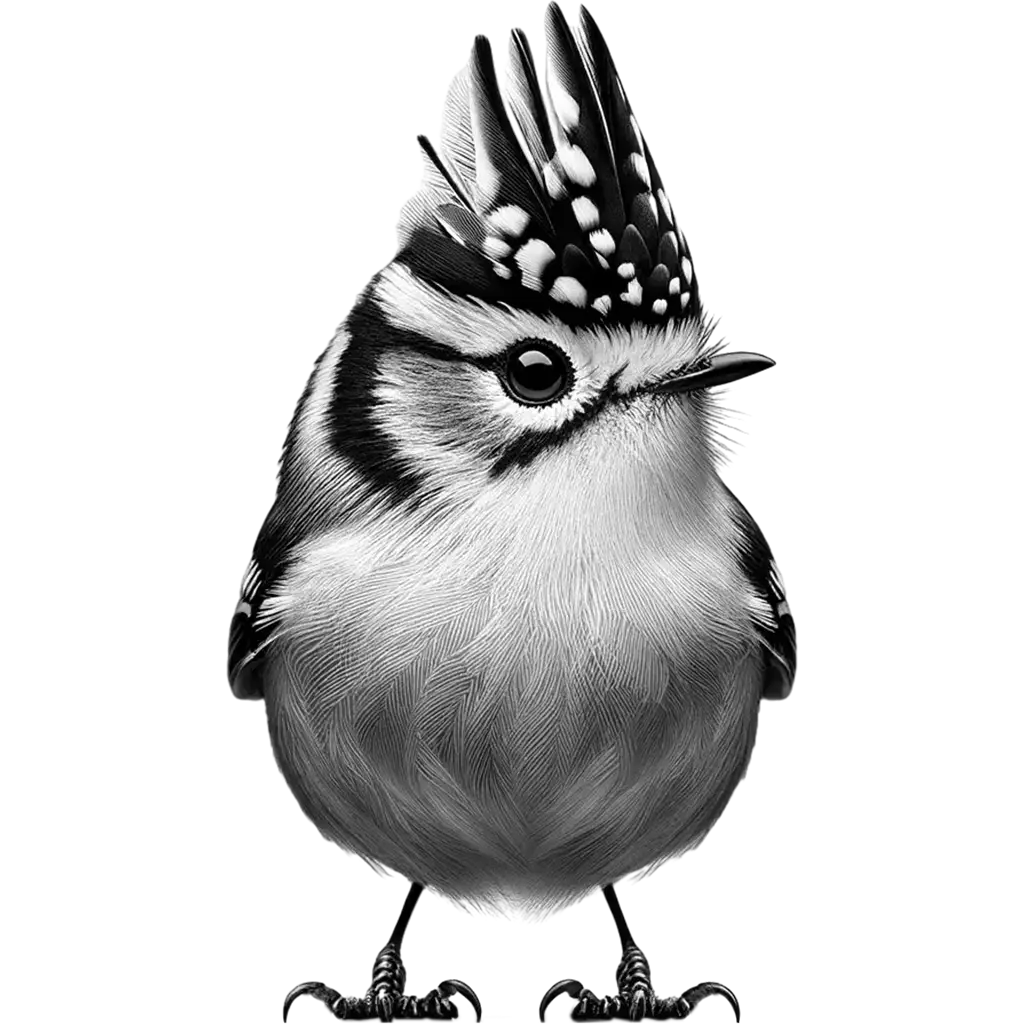
The Flamecrest, regulus goodfellowi, also known as the Taiwan Firecrest, is a tiny, vibrant bird species endemic to the high-altitude forests of Taiwan. This bird is particularly notable for its striking appearance, characterized by a bright orange-red crest on its head, set against a backdrop of olive-green and grey plumage.

The King Eider, somateria spectabilis, is a large, striking sea duck known for its circumpolar distribution in the Arctic regions of North America, Europe, and Asia. Male King Eiders are particularly notable for their distinctive appearance during the breeding season, with a bold black and white pattern, a bright orange
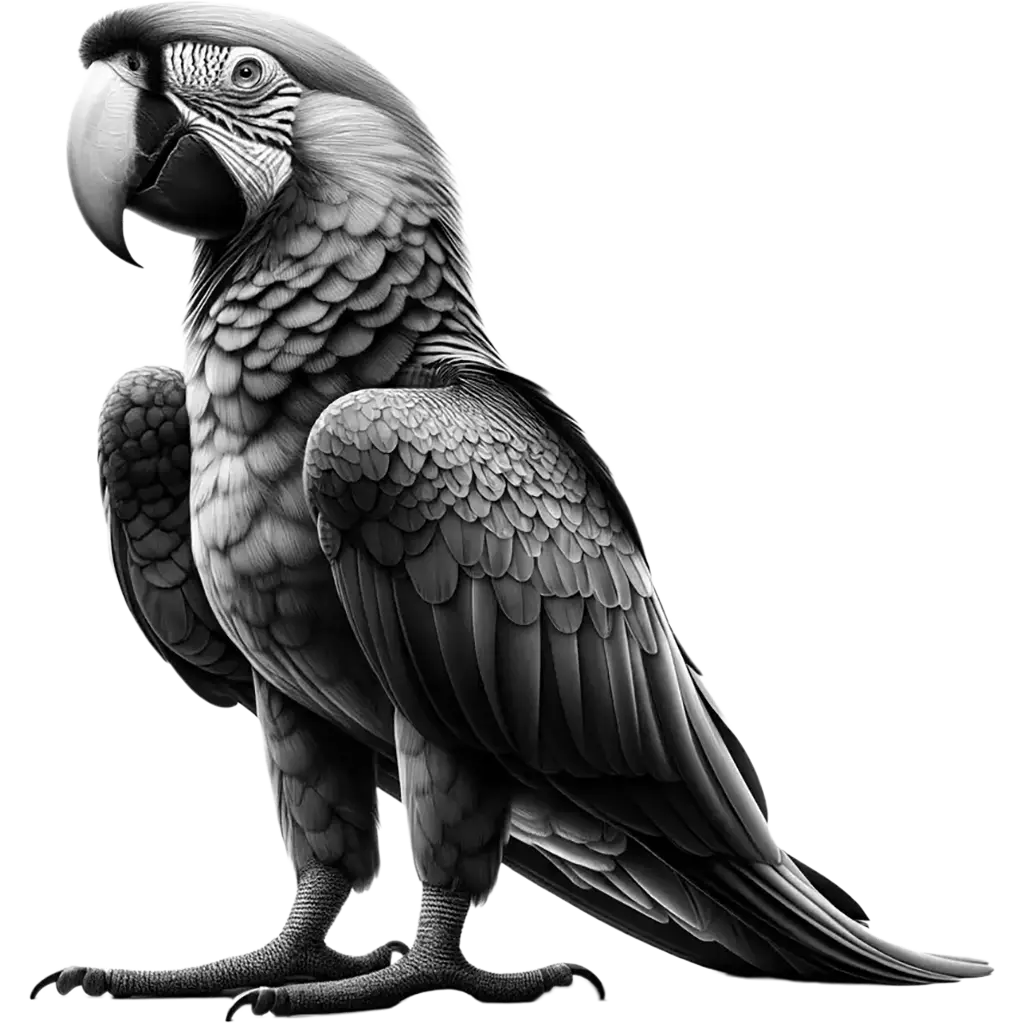
The Scarlet Macaw, ara macao, is a large, brightly colored parrot native to humid evergreen forests in Central and South America. This striking bird can reach up to 81 cm in length, including its long, pointed tail, and weighs about 1 kg. Its vibrant plumage is primarily scarlet, with blue
The Ruff, calidris pugnax, is a medium-sized wading bird known for its remarkable breeding plumage and unique courtship behavior. Males, during the breeding season, display an array of ornate and colorful collars and head tufts, ranging from white and black to shades of orange, blue, and green. These 'Ruffs' are